

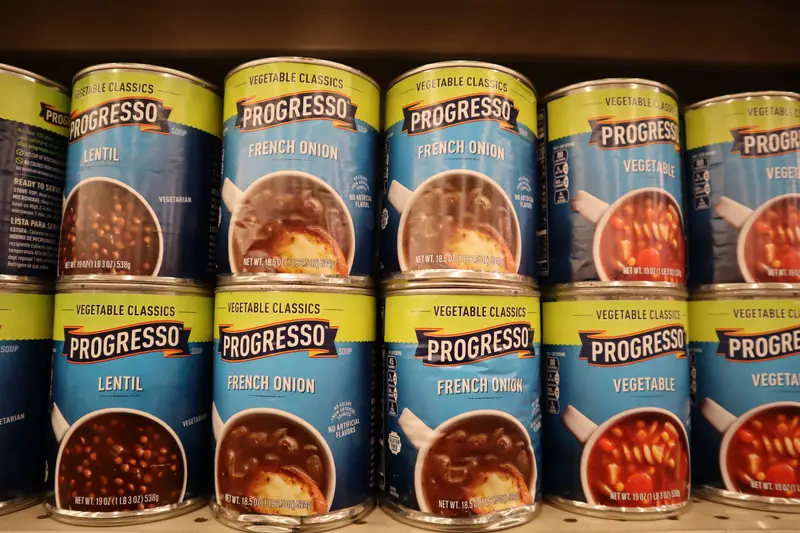
When the temperature drops and you’re craving something warm and comforting, nothing beats the convenience of opening a can of soup. Progresso has built its reputation on promising quality ingredients and no artificial flavors, but beneath those appealing labels lurk some serious nutritional red flags. Many of these seemingly innocent soups pack more sodium than you should consume in an entire day, while delivering surprisingly little in terms of actual nutrition.
Rich & Hearty Three Cheese Tortellini packs excessive sodium
This creamy, cheesy soup might taste like comfort food heaven, but it delivers a sodium punch that could knock you sideways. With 700 milligrams of sodium per serving, you’re already consuming 30% of your daily limit before you’ve even finished half the can. Since most people eat the entire can as a meal, you’re looking at 1,400 milligrams of sodium in one sitting, which is more than half of what doctors recommend for an entire day.
The ingredient list reveals another concerning addition: carrageenan, a stabilizer that has sparked debate among health experts. Many people report digestive issues like stomach cramps, diarrhea, and bloating after consuming products containing this additive. Despite the appealing combination of tortellini and spinach, this soup offers zero percent of your daily vitamin D and potassium needs, making it more of a sodium bomb than a nutritious meal.
Chicken Corn Chowder contains alarming sodium levels
At first glance, this bacon-flavored chowder seems like the perfect combination of chicken, corn, and vegetables in a creamy base. However, the reality is far less appealing when you discover it contains 850 milligrams of sodium per serving. That’s 37% of your daily recommended intake in just one serving, and if you eat the whole can, you’re consuming nearly three-quarters of your daily sodium limit in a single meal.
The soup also contains modified food starch, an ingredient that some people find problematic. Certain individuals have reported chest discomfort, irregular heartbeats, and nausea after consuming this additive. While the soup is gluten-free and contains white meat chicken, it fails to deliver essential nutrients like vitamin D and calcium, both of which register at zero percent of daily values.
Creamy Mushroom soup lacks nutritional balance
Mushroom lovers might be drawn to this creamy soup featuring portabella mushrooms, but the nutritional profile tells a different story. With 9 grams of fat per serving but only 2 grams of protein, this soup is more about indulgence than sustenance. The dietary fiber content is practically nonexistent at less than 1 gram per serving, which means it won’t keep you satisfied for long or provide the digestive benefits that come with fiber-rich foods.
The sodium content hits 800 milligrams per serving, accounting for 35% of your daily recommended intake. The ingredient list includes soybean oil, which is loaded with omega-6 fatty acids. While these fats are essential, excessive consumption can trigger inflammation in the body, potentially increasing the risk of chronic diseases over time.
Spicy Chipotle Corn Chowder hides sugar content
This soup appeals to those who enjoy a little heat in their meals, combining chipotle peppers with corn, potatoes, and roasted red bell peppers. However, beneath the spicy exterior lies a soup with 750 milligrams of sodium per serving and a surprisingly high sugar content. With 6 grams of total sugars, half of which are added sugars, this soup is more like a sweet and salty snack than a balanced meal.
The carbohydrate content reaches 26 grams per serving, but only 2 grams come from beneficial dietary fiber. This imbalance means the soup could cause blood sugar spikes rather than providing steady energy. Dietary fiber plays a crucial role in stabilizing blood sugar levels, and this soup simply doesn’t deliver enough to offset its sugar content.
Broccoli Cheese with Bacon overloads on saturated fat
This soup combines broccoli, cream cheese, cheddar, and bacon into what seems like a satisfying meal. The reality is a fat-heavy soup containing 12 grams of total fat per serving, with 4.5 grams coming from saturated fats. That’s 22% of your daily saturated fat limit in just one serving. The combination of chicken fat and bacon fat creates a recipe that prioritizes taste over nutritional value.
Despite containing broccoli, this soup provides only 1 gram of dietary fiber and completely lacks vitamin D. The bacon component introduces sodium nitrite, a preservative that can form potentially harmful compounds in the body under certain conditions. Sodium nitrite has been linked to increased cancer risk when it transforms into nitrosamines, particularly in high-heat or acidic environments.
Traditional Broccoli Cheese contains questionable additives
Even without bacon, the traditional broccoli cheese variety carries its own set of problems. The sodium content reaches 790 milligrams per serving, representing 34% of your daily recommended intake. Combined with 4 grams of saturated fat, this soup poses cardiovascular concerns, especially when consumed regularly. Despite featuring broccoli prominently in its name, the soup delivers only 1 gram of fiber and 5 grams of protein.
The ingredient list includes sodium phosphate, which is used for flavor enhancement and texture improvement. However, artificial sodium phosphate may present different health challenges compared to naturally occurring phosphates because of how the body absorbs it. Elevated phosphate levels can potentially increase mortality risks, particularly for people with existing kidney or cardiovascular conditions.
Italian Sausage and Potato soup lacks essential nutrients
This hearty soup combines Italian sausage, potato chunks, onions, and spinach in a savory chicken broth. While it sounds nutritious and filling, the nutritional reality is disappointing. The soup contains 680 milligrams of sodium and 3 grams of saturated fat per serving, making it problematic for anyone monitoring their cardiovascular intake. More concerning is the complete absence of vitamin D and calcium, with only minimal contributions from iron and potassium.
The ingredient list reveals both modified food starch and hydrolyzed protein, which can be sources of hidden MSG-like compounds. Hydrolyzed protein contains glutamate, and some people experience symptoms like rapid heartbeat, anxiety, and facial tension after consuming these flavor enhancers. The presence of bacon also introduces sodium nitrite into the mix, adding another layer of concern.
Lasagna-Style soup relies on processed ingredients
This soup attempts to capture the essence of lasagna with Italian sausage, tomatoes, and pasta in liquid form. However, the pasta used is enriched mafalda, which means the original grain was stripped of its natural nutrients during processing, then artificially supplemented afterward. This process results in a less beneficial nutrient profile compared to whole grains, and regular consumption of refined pasta products has been linked to increased health risks.
The carbohydrate content reaches 20 grams per serving, but only 2 grams come from dietary fiber. The sugar content is notable at 7 grams total, with 4 grams being added sugars. Refined pasta consumption has been associated with increased risks of diabetes, hypertension, and cardiovascular diseases, making this soup a poor choice for regular consumption.
Traditional Chicken Noodle exceeds sodium recommendations
The classic comfort food that many people turn to when feeling under the weather actually delivers more harm than healing. Despite its reputation as a wholesome choice, this soup contains over 600 milligrams of sodium per serving, which represents a substantial portion of your daily recommended intake. When you’re sick and potentially consuming multiple servings, the sodium load becomes even more problematic.
The soup lacks substantial fiber content, which means it won’t provide the sustained fullness or digestive benefits that come from more nutritious options. High sodium content can lead to increased blood pressure and heart issues over time, especially when consumed regularly. While it may provide nostalgic comfort, the nutritional profile falls far short of what a truly healing meal should offer.
The convenience of canned soup is undeniable, but these Progresso varieties show why reading nutrition labels matters more than trusting marketing claims. Between excessive sodium levels, questionable additives, and minimal nutritional benefits, these soups often do more harm than good. Making soup at home or choosing lower-sodium alternatives gives you control over what goes into your body without sacrificing the comfort and warmth that soup provides.
