

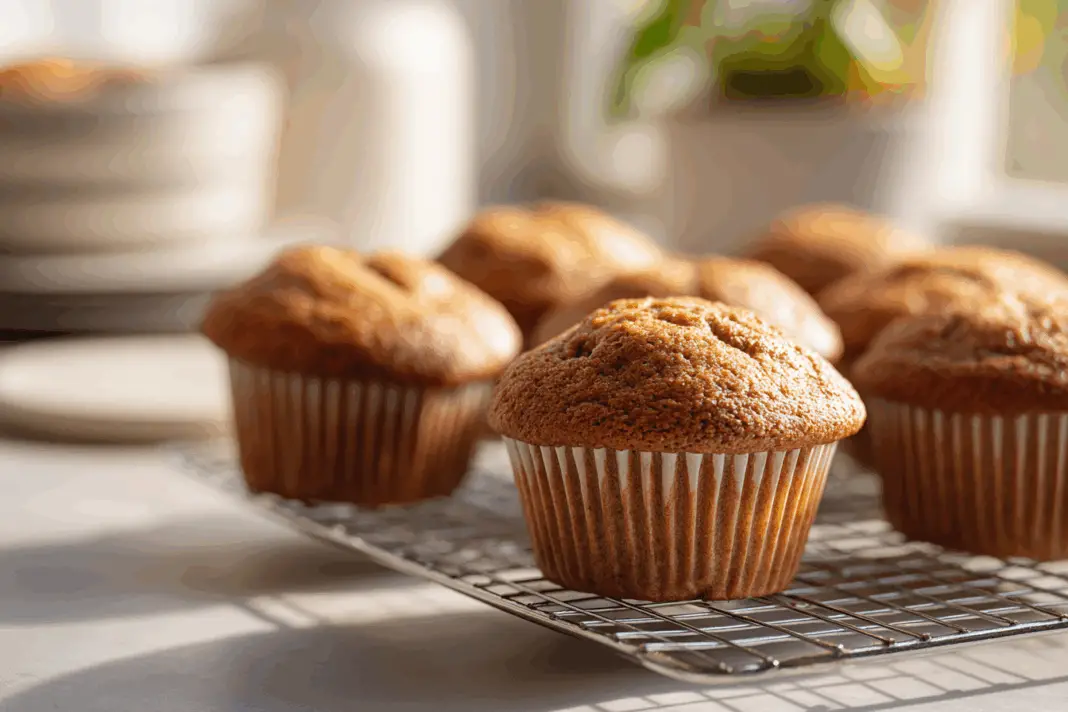
Ever notice how bakery banana muffins have those gorgeous tall, golden tops while homemade ones often turn out flat and boring? The secret isn’t some fancy technique or expensive ingredient. It’s actually a simple oven temperature trick that anyone can master. These banana muffins combine the perfect amount of ripe banana with butter, oil, and a touch of buttermilk to create something truly special. They’re soft, moist, and packed with real banana taste.
Why these muffins turn out better than store-bought
Most banana muffin recipes fall flat because they treat muffins like miniature banana bread. That approach doesn’t work. Muffins need a different ratio of ingredients and a specific baking method to get that characteristic dome shape. The trick starts with using three very ripe bananas, not the ones that are slightly yellow with a few brown spots, but the ones sitting at the bottom of your fruit bowl that are almost black. Those overripe bananas are sweeter and mash easier, giving you intense banana taste in every bite.
The second secret is using both butter and oil in the batter. Butter brings rich taste while oil keeps the crumb tender and moist for days. This combination creates a texture that’s light and fluffy rather than dense and heavy. Starting the bake at 425°F for eight minutes, then dropping to 350°F without opening the oven door, causes the muffins to rise quickly and form those bakery-style tops. This temperature method makes all the difference between sad, flat muffins and tall, beautiful ones that look like they came from a professional bakery.
Getting the ingredient ratios just right
Using both granulated and brown sugar might seem unnecessary, but each type serves a purpose. Granulated sugar helps with structure and sweetness while brown sugar adds moisture and a deeper, almost caramel-like taste. The combination creates muffins that are sweet but not candy-like, with a complex sweetness that tastes more grown-up than basic. Buttermilk is another ingredient that makes a huge difference. Regular milk works in a pinch, but buttermilk’s acidity reacts with the baking soda to create extra lift and a tender crumb.
The mashed banana measurement matters more than you’d think. Using one and a half cups of mashed banana, which typically comes from three large bananas, gives you bold banana taste without making the batter too wet. Some recipes use less banana and compensate with banana extract, but that creates an artificial taste. Real banana provides natural sweetness and moisture while keeping the muffins soft for several days. Don’t skip weighing or measuring your mashed banana properly because too much makes the muffins gummy while too little leaves them dry and bland.
Mixing the batter without making it tough
Overmixing is the fastest way to ruin a batch of muffins. When you stir flour too much, you develop gluten strands that make the final product tough and dense instead of light and fluffy. That’s why this recipe uses melted butter instead of softened butter that needs an electric mixer. Everything comes together by hand with just a wooden spoon or spatula. Mash the bananas in a large bowl, stir in the melted butter and oil, then add the sugars. Once those are combined, mix in the eggs, buttermilk, and vanilla.
In a separate bowl, whisk together the flour, baking powder, baking soda, and salt. This step ensures the leavening agents distribute evenly throughout the batter. When you add the dry ingredients to the wet mixture, fold them in gently until you barely see any flour streaks remaining. A few small lumps are fine and actually preferable to a perfectly smooth batter that’s been stirred too much. Mixing by hand gives you better control over the batter’s consistency and prevents the common mistake of overworking it with a stand mixer or hand mixer.
Filling the muffin cups for tall tops
Most people under-fill their muffin cups, which results in flat, squat muffins. For bakery-style height, you need to fill each paper liner three-quarters full, which seems like too much but actually creates the perfect dome. The high initial oven temperature causes the batter to rise rapidly, and having enough batter in each cup means the muffins can develop those characteristic tall tops. Some bakers even fill the cups all the way to the top for extra-large muffins, though this can sometimes cause overflow.
This recipe makes about fifteen muffins, which is more than a standard twelve-cup muffin tin holds. Either bake in two batches or use two tins at once, rotating their positions halfway through baking for even results. If you’re using only one tin, bake the first twelve muffins and keep the remaining batter at room temperature while the first batch bakes. The batter holds up fine for twenty to thirty minutes. Paper liners make cleanup easier and help the muffins maintain their shape, though you can grease the tin directly if you prefer. Either way, filling those cups generously is key to getting the height and shape you want.
Adding a streusel topping for extra crunch
The streusel topping is completely optional but adds a wonderful buttery crunch that contrasts with the soft muffin interior. Mix together flour, brown sugar, and salt, then cut in cold butter using a pastry cutter or fork until the mixture looks like coarse crumbs. Sprinkle this over each muffin before baking. The streusel creates an extra layer of sweetness and texture that makes these muffins feel more special, almost like a coffee cake in muffin form.
That said, the muffins are equally delicious without the streusel. Naked muffins actually develop slightly higher tops because there’s no topping weighing them down during that crucial first rise. If you skip the streusel, consider brushing the tops with melted butter right after they come out of the oven and sprinkling with coarse sugar for a simple sparkly finish. Turbinado sugar works great for this because its large crystals catch the light and add pleasant crunch without requiring extra ingredients or prep time.
The two-temperature baking method explained
Starting at 425°F isn’t a mistake or typo. This high initial temperature creates rapid expansion in the first few minutes of baking. The outside of the muffin begins to set while the inside is still liquid, forcing the batter upward to create that dome shape. After eight minutes, you reduce the oven to 350°F without opening the door. Opening the door releases heat and can cause the muffins to collapse, so just turn the temperature dial down and leave everything alone.
The muffins continue baking at the lower temperature for another seven to eight minutes until a toothpick inserted in the center comes out clean or with just a few moist crumbs. This method ensures the insides cook through without the outsides burning or becoming too dark. Total baking time is only fifteen to sixteen minutes, which is remarkably quick for such perfectly cooked muffins. Every oven is different, so start checking at the seven-minute mark after you reduce the temperature. The tops should be golden brown and spring back when gently pressed.
Storing and freezing for later
These muffins stay moist at room temperature for up to three days when stored in an airtight container. The combination of oil, butter, and banana keeps them from drying out the way some muffins do after a day. For longer storage, keep them in the refrigerator for up to a week, though you’ll want to warm them slightly before eating since refrigeration firms up the texture. A quick fifteen seconds in the microwave or five minutes in a 300°F oven brings back that fresh-baked softness.
Freezing works beautifully for meal prep or when you want to bake ahead. Let the muffins cool completely, then wrap each one individually in plastic wrap before placing them all in a freezer bag. They’ll keep for up to two months frozen. Thaw at room temperature for about an hour or microwave on the defrost setting for a quick breakfast. Having a stash of banana muffins in the freezer means you always have something homemade and delicious ready to grab on busy mornings when there’s no time to cook.
Adding chocolate chips and nuts
While the basic recipe is fantastic on its own, you can easily customize these muffins with mix-ins. Fold in one cup of chocolate chips at the end of mixing for banana chocolate chip muffins, or add three-quarters cup of chopped walnuts or pecans for banana nut muffins. Mini chocolate chips distribute more evenly throughout the batter than regular-sized chips, giving you chocolate in almost every bite. Toasting nuts before adding them brings out their oils and deepens their taste, making the muffins even more interesting.
You can also get creative with other add-ins like dried cranberries, shredded coconut, or even white chocolate chips. Just keep the total amount of mix-ins to one to one and a half cups maximum so you don’t weigh down the batter too much. Add them when you’re almost done folding in the dry ingredients, stirring just enough to distribute them throughout. The basic recipe is versatile enough to handle whatever additions you prefer, making it easy to customize based on what you have in the pantry or what your family likes best.
Making jumbo muffins for special occasions
Want to make a statement with extra-large muffins? This batter works perfectly in a jumbo muffin pan. Use the same high-heat start method, baking at 425°F for eight minutes, then reducing to 350°F and continuing until the tops turn golden brown and a toothpick comes out clean. Jumbo muffins take longer to bake through, anywhere from seven to fifteen additional minutes depending on your oven and how full you fill the cups. Keep an eye on them and test for doneness regularly.
Jumbo muffins look impressive and feel more substantial, making them perfect for brunch gatherings or when you want something a bit more special than standard-sized muffins. Fill jumbo cups about two-thirds full rather than three-quarters full since they have more room to expand. The batter makes about six to eight jumbo muffins depending on how generously you fill the cups. These larger muffins also freeze well and make great grab-and-go breakfasts since one muffin is more filling than the regular size.
Making perfect banana muffins at home is simpler than most people think. The keys are using very ripe bananas, mixing the batter gently by hand, filling the cups generously, and using that two-temperature baking method. Whether you top them with streusel or leave them plain, add chocolate chips or keep them simple, these muffins will turn out moist, tender, and tall every single time. They’re worth keeping ripe bananas around for.
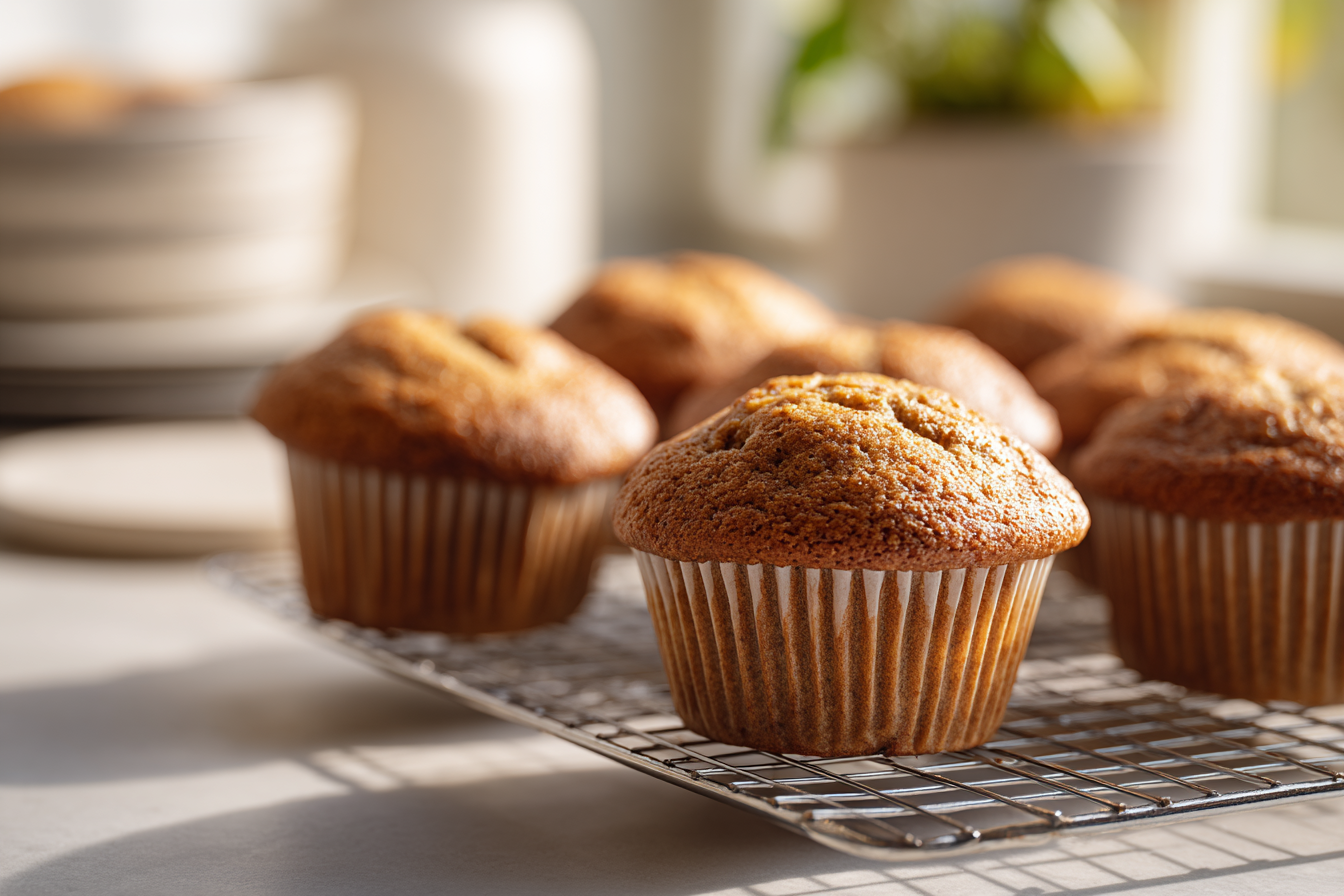
Bakery-Style Banana Muffins
Cuisine: American15
muffins15
minutes15
minutes281
kcalSoft, moist banana muffins with tall golden tops that rival any bakery, made with simple ingredients and a clever baking trick.
Ingredients
1½ cups (385g) well-mashed ripe bananas (about 3 large bananas)
¼ cup (60ml) vegetable or canola oil
¼ cup (60g) unsalted butter, melted and cooled
½ cup (100g) granulated sugar
½ cup (100g) light brown sugar, packed
2 large eggs, room temperature
¼ cup (60ml) buttermilk, room temperature
1 tablespoon vanilla extract
2 cups (250g) all-purpose flour
1½ teaspoons baking powder
½ teaspoon baking soda
½ teaspoon salt
Optional: ½ cup (65g) all-purpose flour for streusel
Optional: ½ cup (100g) brown sugar for streusel
Optional: ¼ teaspoon salt for streusel
Optional: ¼ cup (60g) cold unsalted butter for streusel
Directions
- Preheat your oven to 425°F (220°C). Line a muffin tin with paper liners or lightly grease each cup. If you’re making more than twelve muffins, prepare a second tin or plan to bake in batches.
- Place your peeled bananas in a large mixing bowl and mash them thoroughly with a fork or potato masher until mostly smooth with just a few small lumps remaining. The bananas should measure about 1½ cups when mashed.
- Add the oil and melted butter to the mashed bananas and stir until well combined. Make sure your melted butter has cooled for at least five minutes so it doesn’t scramble the eggs in the next step.
- Stir both sugars into the banana mixture until thoroughly combined. Add the eggs, buttermilk, and vanilla extract, stirring well after each addition until the wet ingredients are completely mixed together.
- In a separate bowl, whisk together the flour, baking powder, baking soda, and salt until the leavening agents are evenly distributed throughout the flour. This ensures your muffins rise evenly.
- Add the dry ingredients to the wet mixture and gently fold them in with a spatula or wooden spoon. Mix just until you can barely see any flour streaks remaining. Don’t overmix or your muffins will be tough and dense.
- Portion the batter into your prepared muffin tin, filling each liner about three-quarters full. This seems like a lot of batter, but it’s necessary for achieving those tall bakery-style tops. If making streusel topping, combine flour, brown sugar, and salt in a bowl, then cut in cold butter with a pastry cutter until crumbly. Sprinkle evenly over each muffin.
- Bake at 425°F for exactly eight minutes, then reduce the oven temperature to 350°F without opening the door. Continue baking for another seven to eight minutes until the tops are golden brown and a toothpick inserted in the center comes out clean or with just a few moist crumbs. Allow muffins to cool in the pan for five minutes before transferring to a wire rack.
Notes
- Use very ripe bananas that are heavily spotted or almost black for the best banana taste and natural sweetness.
- This recipe makes about fifteen muffins, so you’ll need more than one standard twelve-cup tin or plan to bake in batches.
- The streusel topping is completely optional – muffins baked without it actually develop slightly higher tops.
- Don’t open the oven door when reducing the temperature from 425°F to 350°F or the muffins may collapse.
- Store cooled muffins in an airtight container at room temperature for up to three days or freeze individually wrapped for up to two months.
- You can add up to 1½ cups of chocolate chips, nuts, or other mix-ins at the end of mixing.
Frequently asked questions
Q: Can I use frozen bananas for this recipe?
A: Yes, frozen bananas work perfectly. Thaw them completely at room temperature or in the microwave, then drain off any excess liquid before mashing. The texture might be slightly more watery than fresh bananas, but the taste will be just as good.
Q: Why do my muffins sink in the middle after baking?
A: This usually happens from opening the oven door too early, using expired baking powder or baking soda, or overmixing the batter. Make sure your leavening agents are fresh and don’t peek at the muffins until at least twelve minutes into baking.
Q: Can I substitute the buttermilk with regular milk?
A: Regular milk will work but the muffins won’t be quite as tender or moist. For a better substitute, add one teaspoon of lemon juice or white vinegar to a quarter cup of regular milk and let it sit for five minutes before using.
Q: How do I know when the muffins are completely done?
A: Insert a toothpick into the center of the largest muffin. It should come out clean or with just a few moist crumbs clinging to it. If you see wet batter, continue baking for another two to three minutes and test again.
