

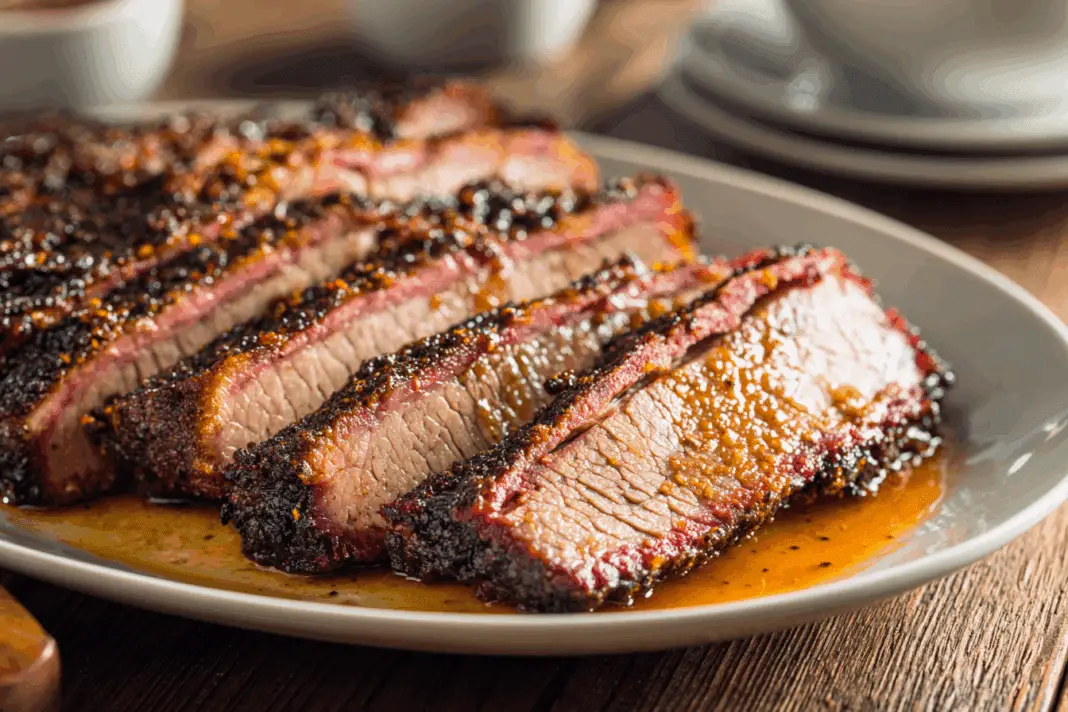
There’s something about slicing into a perfectly smoked brisket that makes you feel like a backyard legend. That dark, crusty bark on the outside and tender, juicy meat on the inside? It’s what BBQ dreams are made of. But here’s the thing—you don’t need a fancy smoker or years of practice to pull off an amazing brisket with that sweet and smoky bark everyone will be talking about. Whether you’re cooking for a holiday gathering or just want to impress your friends at the next cookout, this sweet and smoky brisket recipe delivers on all fronts.
Why this brisket recipe actually works
You’ve probably seen a million brisket recipes online, and half of them either overcomplicate things or leave you with dry, tough meat. This recipe hits that perfect middle ground where you get consistent results without needing a PhD in barbecue science. The secret is in the combination of a simple but powerful dry rub and a braising liquid that mimics that smoky flavor you’d get from outdoor smoking. Even if you’re cooking indoors in your oven, you’ll end up with brisket that tastes like it came straight off a smoker in Texas.
What makes this method so reliable is that it works with whatever setup you have. Whether you’re using an offset smoker, a pellet grill, or just your kitchen oven, the principles stay the same. The dry rub creates that beautiful bark while the braising liquid keeps everything moist and tender during the long cook. And yes, it takes time—about seven hours total—but most of that is hands-off. You can prep it in the morning, let it cook all day, and come back to fall-apart tender brisket that’ll make everyone at the table think you’ve been doing this for years.
Picking the right piece of meat matters
Walking into the meat section and grabbing any old brisket is a mistake you only make once. You want what’s called a “packer cut,” which includes both the flat and the point. The flat is leaner and perfect for slicing, while the point has more fat and stays extra juicy. For this recipe, you’re looking at a five to six pound brisket, which will feed about eight to ten people with some leftovers. When you’re at the store, don’t be afraid to ask the butcher for help. Sometimes they have better cuts in the back that haven’t made it to the display case yet.
Look for a brisket with good marbling throughout the meat—those white streaks of fat running through the muscle. That fat is going to break down during the long cook and keep everything moist. Check that the flat isn’t too thin either, because a skinny flat will dry out before it gets tender. If you see one with a really thick fat cap, that’s actually good news. You’ll trim some of it off, but having extra means you won’t accidentally expose the meat underneath. And here’s a tip from experienced pitmasters: if a brisket has too many red flags, put it back and keep looking.
Getting your ingredients and tools ready
Before you start cooking, make sure you’ve got everything lined up. You’ll need a roasting pan that’s big enough to hold your brisket, a meat thermometer (seriously, don’t skip this), and a really sharp knife for slicing later. For the dry rub, you’re mixing up paprika, maple sugar, kosher salt, garlic powder, black pepper, onion powder, cumin, and a little cayenne pepper for some kick. If you don’t have maple sugar, brown sugar or coconut sugar works just fine. The rub is what creates that thick, crunchy bark on the outside of the brisket.
The braising liquid is where things get interesting. You’ll mix black coffee, liquid smoke, blackstrap molasses, apple cider vinegar, and Worcestershire sauce. Yeah, coffee—it sounds weird, but the acidity helps break down those tough muscle fibers in the beef. The liquid smoke gives you that outdoor BBQ taste even if you’re cooking inside. Pour this mixture into your roasting pan before adding the brisket, and make sure everything is covered tightly with aluminum foil. This setup traps all the moisture and smoke so your brisket stays tender throughout the cook. Trust me, this combination of sweet and smoky ingredients makes all the difference.
Trimming your brisket the right way
Trimming might seem intimidating if you’ve never done it before, but it’s actually pretty straightforward. Start with your brisket cold from the fridge—it’s way easier to work with when it’s firm. Put it on a large cutting board with the fat side down first. You want to trim off any loose flaps of fat or thin pieces of meat that won’t cook evenly. See that thin end of the flat? Round it off until the remaining muscle is at least an inch thick. Anything thinner than that will dry out before the rest of the brisket is done.
Flip the brisket over and tackle the fat cap. You want to trim it down to about a quarter inch across the whole surface. Don’t go crazy and remove all the fat—you need some of it to keep the meat moist and help build that bark. If you see any thick, dense bands of fat, trim those down too because they won’t render properly during cooking. Think of it like making your brisket aerodynamic so the heat and smoke can flow evenly across the meat. It might feel like you’re wasting some good meat, but trust me, proper trimming makes a huge difference in the final result. You can always save the trimmings for making beef stock or rendering your own tallow later.
Creating that perfect bark with the rub
Now for the fun part—getting all those spices onto your brisket. Start by coating the entire surface with a thin layer of yellow mustard. Don’t worry, you won’t taste it once everything is cooked. The mustard just acts as a glue to help your dry rub stick to the meat. Some people use olive oil or even hot sauce instead, and that works too. Once you’ve got your binder on there, it’s time to apply the rub generously. And I mean really generously—you want that brisket to look like it’s wearing a thick pepper jacket.
Mix all your spices together in a bowl first, then use your hands to pat the rub into the meat on all sides. Get it into every nook and cranny. The combination of paprika, maple sugar, and all those spices creates a sweet and slightly spicy crust that caramelizes during cooking. That’s your bark right there. Some people add a little brown sugar to their rub, but be careful—too much sugar can burn during those long cook times. After you’ve got your brisket fully seasoned, let it sit at room temperature for about thirty minutes before it goes into the oven. This helps it cook more evenly from the start.
The low and slow cooking process
Preheat your oven to 250 degrees Fahrenheit—this is where patience becomes your best friend. Pour your braising liquid into the bottom of your roasting pan, then place your seasoned brisket right on top, fat side up. Cover everything tightly with aluminum foil or a lid if your roasting pan has one. The key here is making sure no steam escapes during cooking. That trapped moisture is what keeps your brisket from drying out over the next several hours. Slide it into the oven and set a timer.
You’re looking at about one hour and fifteen minutes of cooking time per pound of brisket. For a five to six pounder, that’s around six to seven hours total. About halfway through, you can check on it and give the pan a gentle shake to make sure nothing is sticking. But resist the urge to open the foil and peek too often—every time you do, you lose heat and moisture. You’ll know your brisket is done when an instant-read thermometer slides into the thickest part of the flat with almost no resistance, and the internal temperature reads between 195 and 205 degrees Fahrenheit. That’s the sweet spot where all the connective tissue has broken down and you’re left with tender, juicy meat that practically falls apart.
Why resting your brisket is non-negotiable
This is where a lot of people mess up because they’re too excited to eat. Once your brisket hits that magic temperature, pull it out of the oven but don’t even think about slicing into it yet. Let it rest, still wrapped, for at least thirty minutes at room temperature. During this time, the internal temperature will drop to around 180 to 185 degrees, and all those juices that got pushed to the surface during cooking will redistribute back into the meat. Skip this step and you’ll end up with a puddle of liquid on your cutting board and dry slices.
If you really want to take it to the next level, transfer your wrapped brisket into a cooler and let it rest until the internal temp drops to about 140 degrees. This extended rest—which can take another hour or two—is where the real magic happens. The muscle fibers relax completely, the bark sets up nice and firm, and the moisture gets fully reabsorbed. Some pitmasters will tell you that brisket actually gets even more tender after being refrigerated overnight in its juices and then gently reheated the next day. So if your first brisket isn’t quite as tender as you hoped, don’t panic—you can always slice it up and warm it back up in the oven the next day with better results.
Slicing and serving your masterpiece
Once your brisket has rested properly, unwrap it and place it on a large cutting board, fat side down. Here’s the most important thing to remember about slicing: always cut against the grain. The grain is the direction those muscle fibers run, and cutting across them instead of with them is what makes each slice tender instead of chewy. For the flat section, you’ll be slicing straight down in quarter-inch thick slices. When you get to the point (the fattier end), you might need to rotate your knife at an angle to keep cutting against the grain.
Use the sharpest knife you have—a dull knife will tear the meat instead of giving you clean slices. An electric knife actually works great here if you’ve got one. Arrange your slices on a serving platter and spoon some of those pan juices over the top to keep everything moist and add even more taste. You can serve this with classic BBQ sides like coleslaw, potato salad, or cornbread. Or go simple with some pickles and white bread like they do in Texas. However you serve it, that sweet and smoky bark you worked so hard to create is going to be the star of the show. Any leftovers make incredible sandwiches or can be chopped up for tacos the next day.
Storing leftovers and reheating tips
If you somehow have leftover brisket (lucky you), storing it properly means you can enjoy it for days. Slice up whatever remains and store the pieces in an airtight container in the fridge. Pour some of those cooking juices over the slices before sealing the container—this keeps the meat from drying out. Stored this way, your brisket will stay good in the fridge for three to four days. When you’re ready to eat it again, just warm up a few slices in the microwave for a minute or two, or reheat them gently in the oven at 350 degrees.
For longer storage, you can freeze leftover brisket for up to three months. Again, make sure those slices are covered in some of the cooking liquid before freezing to prevent freezer burn. Thaw frozen brisket in the fridge overnight before reheating. Some people say brisket actually tastes better the next day after all those juices have really soaked back into the meat overnight. You can chop up leftovers for nachos, stuff them into jalapeños for Texas twinkies, or pile them onto a bun with BBQ sauce for the ultimate leftover sandwich. However you use it, that sweet and smoky bark is going to keep delivering amazing taste days after you first cooked it.
Making BBQ brisket with a sweet and smoky bark isn’t as hard as it seems once you understand the basics. Pick a good piece of meat, trim it right, season it heavy, cook it low and slow, let it rest properly, and slice against the grain. Follow those steps and you’ll have tender, juicy brisket with a bark that people will be asking about for weeks. Now fire up that oven or smoker and get cooking—your best brisket is waiting.
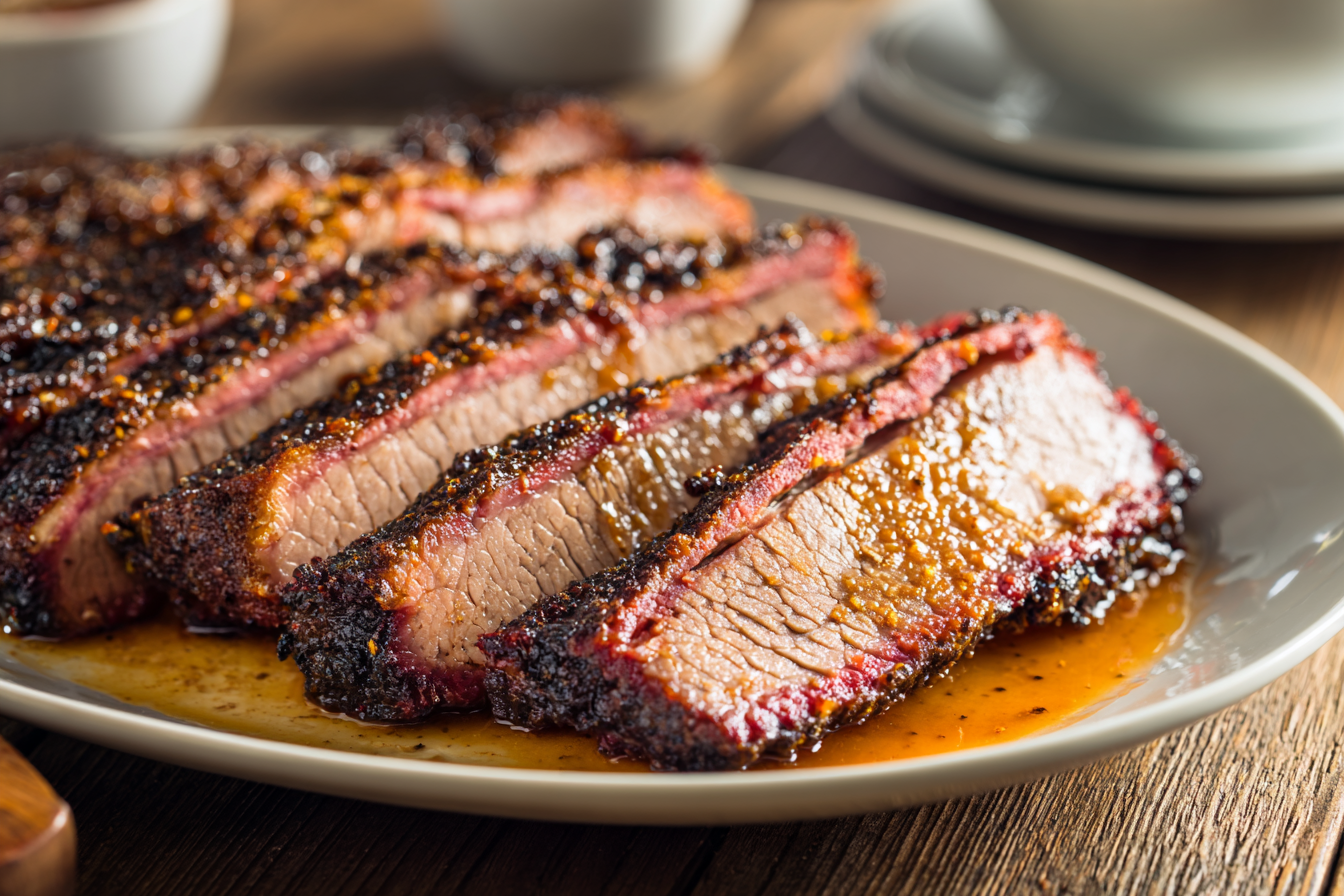
BBQ Brisket With Sweet and Smoky Bark
Cuisine: American8
servings30
minutes7
minutes500
kcalThis BBQ brisket delivers incredible sweet and smoky bark with tender, juicy meat that falls apart with every bite.
Ingredients
5 to 6 pounds beef brisket (packer cut preferred)
¼ cup paprika
3 tablespoons maple sugar (or brown sugar)
2 tablespoons kosher salt
2 tablespoons garlic powder
1 tablespoon black pepper
1 tablespoon onion powder
1 teaspoon cumin
1 teaspoon cayenne pepper
¼ cup yellow mustard (for binder)
¼ cup black coffee (brewed and cooled)
¼ cup liquid smoke
2 tablespoons blackstrap molasses
2 tablespoons apple cider vinegar
2 tablespoons Worcestershire sauce
Directions
- Preheat your oven to 250 degrees Fahrenheit. While the oven heats up, take your brisket out of the fridge and place it on a large cutting board. Trim any excess fat from the brisket, leaving about a quarter inch of the fat cap intact to keep the meat moist during cooking. Round off the thin end of the flat until the remaining muscle is at least an inch thick to prevent it from drying out.
- In a small bowl, combine the paprika, maple sugar, kosher salt, garlic powder, black pepper, onion powder, cumin, and cayenne pepper to create your dry rub. Mix everything together thoroughly so the spices are evenly distributed. This blend will create that sweet and smoky bark you’re after.
- Coat the entire surface of your trimmed brisket with yellow mustard, using your hands to spread it evenly on all sides. The mustard acts as a binder to help the dry rub stick to the meat. Once coated with mustard, generously apply the dry rub all over the brisket, patting it in with your hands so it really adheres to the surface. Make sure every inch is covered with the spice mixture.
- In a separate bowl, whisk together the black coffee, liquid smoke, blackstrap molasses, apple cider vinegar, and Worcestershire sauce to create your braising liquid. Pour this mixture into the bottom of a large roasting pan. The combination of these ingredients will keep the brisket moist while adding that authentic smoky taste.
- Place your seasoned brisket into the roasting pan on top of the braising liquid, fat side up. Cover the entire pan tightly with aluminum foil, making sure no steam can escape during cooking. This sealed environment is crucial for keeping the meat tender and juicy throughout the long cooking process.
- Put the covered roasting pan in the preheated oven and cook for approximately six to seven hours, or about one hour and fifteen minutes per pound of brisket. Use a meat thermometer to check the internal temperature—you’re looking for 195 to 205 degrees Fahrenheit in the thickest part of the flat. The thermometer should slide in with almost no resistance when the brisket is properly done.
- Once the brisket reaches the target temperature, remove it from the oven but keep it wrapped. Let it rest at room temperature for at least thirty minutes to allow the juices to redistribute throughout the meat. For even better results, you can transfer the wrapped brisket to a cooler and let it rest until the internal temperature drops to around 140 degrees Fahrenheit, which can take another hour or two.
- After resting, unwrap the brisket and place it on a cutting board with the fat side down. Using a very sharp knife or an electric knife, slice the brisket against the grain in quarter-inch thick slices. For the flat section, cut straight down perpendicular to the grain, and for the point section, you may need to rotate your angle to continue cutting against the grain. Arrange the slices on a platter and spoon some of the pan juices over the top before serving.
Notes
- If you don’t have maple sugar, brown sugar or coconut sugar work just as well in the dry rub.
- For gluten-free cooking, make sure your Worcestershire sauce doesn’t contain malt vinegar or soy sauce.
- Leftover brisket can be stored in an airtight container in the fridge for up to 4 days or frozen for up to 3 months.
- Many pitmasters say brisket actually improves after being refrigerated overnight in its juices and gently reheated the next day.
- An electric knife makes slicing brisket much easier and gives you cleaner, more uniform slices.
Frequently asked questions
Q: Can I make this brisket without a smoker?
A: Absolutely! This recipe is designed for oven cooking and uses liquid smoke in the braising liquid to give you that authentic smoky taste without needing any special equipment. Just make sure your roasting pan is covered tightly with foil to trap all the moisture and smoke inside.
Q: Why is my brisket tough instead of tender?
A: The most common reason is undercooking. Brisket needs to reach an internal temperature of at least 195 to 205 degrees Fahrenheit for the connective tissue to break down properly. If your brisket is tough, put it back in the oven for another hour or two until it reaches the right temperature and feels probe tender.
Q: How do I know which direction the grain runs?
A: The grain is the direction the muscle fibers run through the meat. On a brisket, it looks like long lines running through the flat. To find it, look closely at the surface of the meat before slicing—you’ll see the lines. Then cut perpendicular to those lines, not parallel with them, for the most tender slices.
Q: Can I cook brisket faster at a higher temperature?
A: You can, but you’ll sacrifice tenderness and that perfect bark. Brisket needs low and slow cooking to break down all the tough connective tissue properly. Cooking it faster at a higher temp will give you drier, chewier meat. Trust the process and stick with 250 degrees for the best results.
