

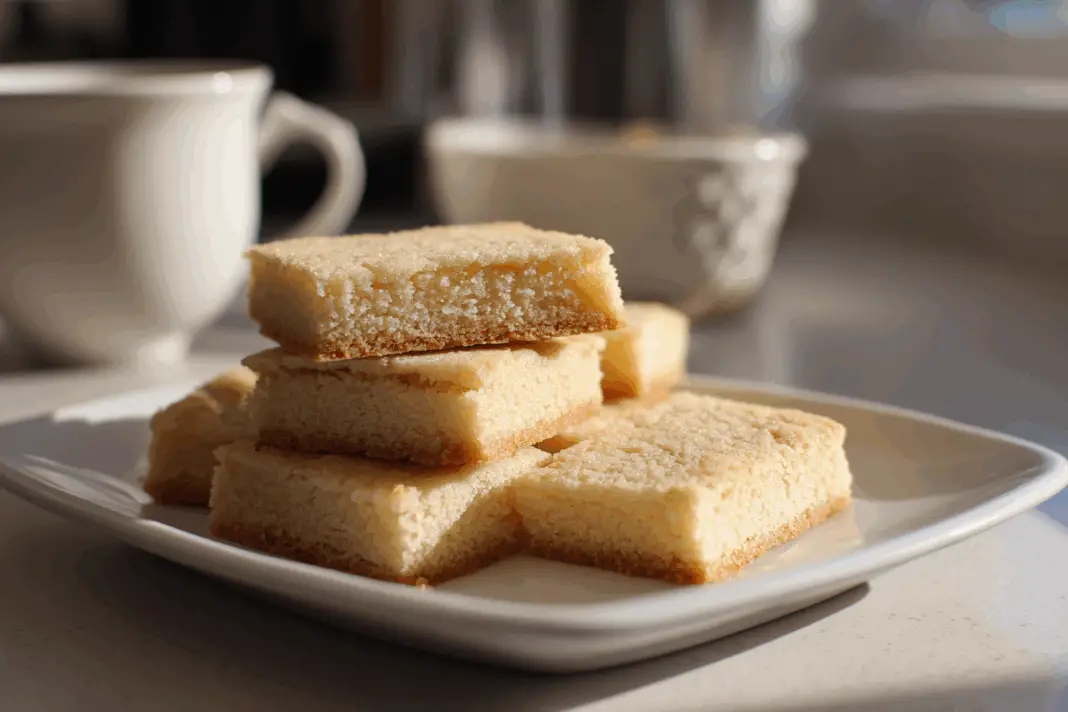
There’s something magical about biting into a cookie that literally crumbles and melts on your tongue before you even finish chewing. That’s exactly what happens with a good shortbread bar. These simple treats don’t need fancy decorations or complicated techniques, just butter, sugar, and flour working together to create something surprisingly delicious. The best part? You can make a whole pan of them in less time than it takes to bake individual cookies, and they turn out perfect every single time.
Why shortbread bars work better than regular cookies
Making individual shortbread cookies means rolling dough, cutting shapes, and spacing them perfectly on cookie sheets. That’s fine when you have all afternoon, but most of us want dessert without spending hours in the kitchen. Bar cookies solve this problem completely. You press the dough into one pan, bake it once, and cut it into neat squares when you’re done. No cookie sheets to rotate, no worrying about some cookies browning faster than others, and definitely no burnt bottoms while the centers stay raw.
The texture actually improves when you make shortbread as bars instead of individual cookies. Bars stay tender and moist in the middle while developing those slightly crispy edges everyone fights over. Individual cookies dry out faster and can become hard if you leave them out overnight. Bars keep their soft, buttery texture for days when stored properly in an airtight container. Plus, cutting bars means you control the size – make them small for a cookie platter or cut giant squares when you really need a treat.
The butter makes all the difference here
Regular cookies might get away with margarine or oil, but shortbread absolutely demands real butter. That’s not being picky – it’s chemistry. Shortbread only has three or four ingredients, so each one really matters. Butter provides the rich taste and creates that signature crumbly texture that makes shortbread special. When butter melts in your mouth, it carries all those sweet, vanilla-like notes with it. Margarine just tastes flat and leaves a weird coating on your tongue that nobody enjoys.
Most recipes call for softened butter, which means leaving it on the counter for about an hour until your finger leaves an indent when you press it. Don’t microwave cold butter to speed this up – you’ll end up with melted spots and solid chunks, and your dough will turn out greasy. Some bakers swear by using salted butter because the salt enhances the sweet taste, while others prefer unsalted so they can control exactly how much salt goes in. Either works fine, just don’t use the weird spreadable butter blends because those contain oil and won’t give you the right texture.
Cornstarch creates that melt-away texture
Ever wonder why shortbread feels different from other cookies? The secret ingredient is cornstarch. Regular flour contains gluten, which makes baked goods chewy and structured. That’s great for bread but not what you want in shortbread. Cornstarch has zero gluten, so when you replace some of the flour with cornstarch, you end up with a more tender cookie that practically dissolves in your mouth. Without cornstarch, shortbread becomes dense and heavy instead of delicate and crumbly.
The ratio matters quite a bit. Most recipes use about one part cornstarch to four or five parts flour. Too much cornstarch and your bars will be chalky and dry. Too little and they’ll be tough instead of tender. Some bakers use confectioners’ sugar instead of granulated because it already contains cornstarch, giving you that powdery softness while adding sweetness. The cornstarch also helps the bars hold together when you cut them, preventing them from crumbling into a million pieces the second you try to remove them from the pan.
Brown sugar adds a deeper taste than white
Plain white sugar makes perfectly good shortbread, but using brown sugar instead creates something more interesting. Brown sugar contains molasses, which adds a slightly caramel-like taste and makes the bars a bit chewier. Light brown sugar gives you a subtle difference, while dark brown sugar really pumps up that molasses taste. Some recipes mix both white and brown sugar to get the best of both worlds – the clean sweetness of white sugar with just a hint of that rich brown sugar depth.
Powdered sugar shows up in many shortbread recipes too, and it’s not just about sweetness. The superfine texture of powdered sugar dissolves into the butter more completely than granulated sugar, creating a smoother dough. This matters when you’re working with so few ingredients. Combining powdered and brown sugar gives you tender texture from the powdered and rich taste from the brown. Don’t skip the creaming step where you beat the butter and sugar together – this incorporates air and makes your bars lighter instead of dense.
Adding jam creates a whole different cookie
Plain shortbread is great, but spreading jam between two layers transforms it into something bakery-worthy. The process stays simple – press half the dough in the pan, bake it until set, spread jam on top, scatter the remaining dough over the jam, then bake again. The bottom layer becomes a sturdy base that holds everything together, while the top layer bakes into a crumbly, buttery topping. The jam adds bright fruit taste and a pop of color that makes these bars look as good as they taste.
Any jam works, but seedless varieties spread more evenly and don’t get stuck in your teeth. Raspberry jam is classic, but strawberry, apricot, or even lemon curd all work beautifully. You’ll need about a cup and a half of jam for a standard 9×13 pan. Stir the jam before spreading it to loosen it up and make it easier to work with. Refrigerating half the dough before crumbling it over the jam helps it hold its shape instead of sinking into the jam layer, giving you those nice distinct layers everyone loves.
Temperature control prevents burnt edges and raw middles
Shortbread bakes at a lower temperature than most cookies, usually around 325 to 350 degrees. Higher heat browns the outside before the inside cooks through, leaving you with burnt edges and a gummy center. Low and slow lets the butter melt gradually and the dough firm up evenly. Most recipes call for 30 to 40 minutes, and you’ll know they’re done when the edges turn light golden brown. The middle might look slightly underdone, but it will firm up as it cools.
Every oven runs a little different, so don’t trust the temperature dial completely. Cheap oven thermometers cost less than ten bucks and tell you if your oven actually reaches the temperature you set. Dark pans absorb more heat and brown the bottoms faster, so reduce the temperature by 25 degrees if you’re using a dark pan. Lining the pan with parchment paper or foil makes removing the bars so much easier – just lift the whole thing out and cut it on a cutting board instead of trying to cut neat squares in the pan.
Cooling completely prevents crumbly disasters
This is the hardest part of making shortbread bars – waiting for them to cool. Hot shortbread is extremely fragile and will fall apart if you try to cut it. The butter needs time to solidify again, and the structure needs to set. Most recipes say to cool completely, which means at least an hour, sometimes two. Put the pan on a wire rack so air can circulate underneath and the bottom doesn’t stay hot and keep cooking. If you’re really impatient, stick the pan in the fridge after it cools for about 30 minutes.
When you’re ready to cut, use a large, sharp knife and wipe it clean between cuts. Dull knives smash the bars instead of slicing through them cleanly. Some people run the knife under hot water and dry it before each cut – the warm blade glides through the butter more easily. Cut straight down in one motion instead of sawing back and forth. If you added a jam layer, the bars will be slightly stickier and might need extra care when cutting. Store cut bars in an airtight container with parchment paper between layers so they don’t stick together.
Simple additions change the whole experience
Basic shortbread is wonderful, but tiny changes create completely different treats. Adding a teaspoon of vanilla extract gives them a bakery smell that fills your whole house. Almond extract works too, but use half as much because it’s stronger. Some people sprinkle coarse sugar on top before baking for a sparkly, crunchy finish. Others add a pinch of salt on top of sweet shortbread for that sweet-salty combination everyone seems to love lately. Lemon zest brightens the whole thing up and cuts through the richness of all that butter.
Getting more creative, you can press mini chocolate chips, chopped nuts, or dried fruit into the top before baking. Drizzling melted chocolate over cooled bars makes them fancy enough for gifts. A light dusting of powdered sugar makes plain bars look elegant without changing the taste. Some recipes add cocoa powder to make chocolate shortbread, or swap in whole wheat flour for a nuttier taste. The basic technique stays the same no matter what additions you choose – cream the butter and sugar, mix in the dry ingredients, press into a pan, and bake until golden.
These bars last longer than you’d expect
Shortbread bars store incredibly well compared to other homemade cookies. The high butter content actually preserves them and keeps them from drying out. At room temperature in an airtight container, they stay fresh for four or five days. Don’t refrigerate them unless you added a jam layer – cold shortbread loses its tender texture and tastes hard and waxy. Let refrigerated bars sit out for an hour before eating so they can come back to room temperature and soften up again.
For longer storage, shortbread freezes beautifully for up to three months. Wrap bars individually in plastic wrap, then put them all in a freezer bag. This way you can grab one or two at a time instead of thawing the whole batch. They thaw in about 30 minutes on the counter. Some people actually prefer eating them slightly frozen because they get extra crispy. Unbaked dough freezes well too – press it into the pan, wrap the whole thing tightly, and freeze. When you want fresh bars, bake straight from frozen, adding about five extra minutes to the baking time.
Making perfect shortbread bars doesn’t require fancy equipment or advanced baking skills. Good butter, the right ratio of ingredients, and patience while they cool – that’s really all it takes. Whether you make them plain and simple or dress them up with jam and toppings, these bars deliver that rich, buttery taste and melt-in-your-mouth texture that makes shortbread such a classic treat. Once you make a batch and see how easy they are, you’ll probably find yourself making them all the time.
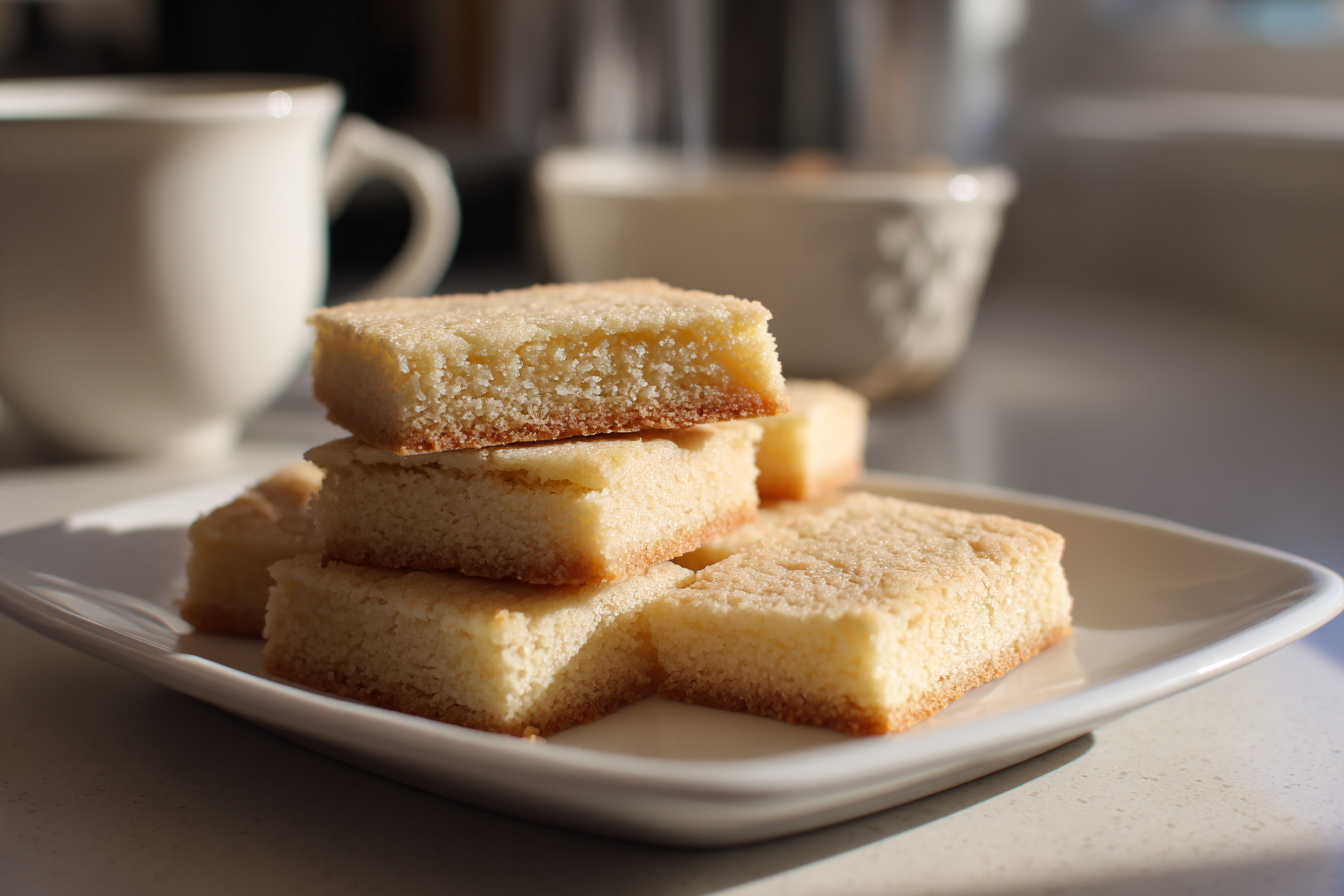
Buttery Shortbread Bars
Cuisine: American24
bars10
minutes35
minutes165
kcalThese tender, buttery shortbread bars melt in your mouth with every bite and require just a few simple ingredients.
Ingredients
1 cup unsalted butter, softened to room temperature
1 ¼ cups powdered sugar
¼ cup light brown sugar, packed
1 large egg
1 ¾ cups all-purpose flour
¾ teaspoon salt
1 tablespoon granulated sugar for topping (optional)
Directions
- Preheat your oven to 325 degrees Fahrenheit. Line an 8-inch square baking pan with foil or parchment paper, leaving some overhang on the sides so you can lift the bars out later. Lightly grease the liner with cooking spray or a bit of butter to prevent sticking.
- In a large mixing bowl, cream the softened butter with an electric mixer on medium speed until it becomes light and fluffy, about 2 to 3 minutes. This step incorporates air and makes your bars more tender. Add both the powdered sugar and brown sugar, then beat on medium speed until the mixture is smooth and well combined, about another 2 minutes.
- Add the egg to the butter mixture and stir on low speed just until combined. Scrape down the sides of the bowl with a spatula to make sure everything is evenly mixed. Don’t overmix at this stage or your bars might become tough.
- Add the flour and salt to the bowl. Mix on low speed just until the mixture comes together into moist, crumbly dough. The dough will look crumbly rather than smooth, and that’s exactly what you want. Stop mixing as soon as you don’t see any more dry flour.
- Dump the crumbly dough into your prepared pan. Use slightly damp fingertips to press the dough evenly across the bottom of the pan, making sure to get it into all the corners. Press firmly enough that the dough holds together but gently enough that you don’t compact it too much. If you’re using the optional granulated sugar, sprinkle it evenly over the top now.
- Place the pan in the preheated oven and bake for 35 to 40 minutes. The bars are done when the edges are set and lightly golden brown, and the center no longer looks wet or shiny. The top might look slightly underdone, but it will firm up as it cools. Start checking at 35 minutes to avoid overbaking.
- Remove the pan from the oven and place it on a wire cooling rack. Let the bars cool completely in the pan, which will take at least an hour. Don’t try to cut them while they’re warm or they’ll fall apart into a crumbly mess.
- Once completely cool, use the foil or parchment overhang to lift the entire block of shortbread out of the pan and onto a cutting board. Use a large, sharp knife to cut into 24 bars, wiping the blade clean between cuts for the neatest edges. Store the bars in an airtight container at room temperature for up to 5 days.
Notes
- For best results, make sure your butter is truly softened to room temperature, not melted. It should be soft enough to leave an indent when pressed but still hold its shape.
- If you want to make jam-filled bars, press half the dough into the pan, bake for 20 minutes, spread 1 cup of jam over the partially baked crust, crumble the remaining dough on top, and bake for another 20-25 minutes.
- A 9×13 inch pan also works but will produce thinner bars. Reduce baking time by about 5 minutes and keep a close eye on them.
- These bars freeze beautifully for up to 3 months when wrapped individually in plastic wrap and stored in a freezer bag.
Frequently asked questions about shortbread bars
Q: Can I make these without an electric mixer?
A: Absolutely. Use a wooden spoon or spatula to cream the butter and sugar together – it just takes a bit more arm work. Make sure your butter is really soft so it mixes easily. The key is getting the butter and sugar well combined before adding the other ingredients.
Q: Why did my shortbread bars turn out hard instead of tender?
A: This usually happens from overmixing the dough after adding the flour, which develops the gluten and makes the bars tough. Mix just until the flour disappears. Overbaking also causes hard bars, so watch them carefully and remove them when the edges are just starting to turn golden.
Q: Can I use salted butter instead of unsalted?
A: Yes, salted butter works fine. Many people actually prefer it because the salt enhances the sweet taste. If using salted butter, reduce or skip the added salt in the recipe so your bars don’t taste too salty.
Q: How do I know when shortbread bars are done baking?
A: Look for lightly golden edges and a center that looks set rather than wet or shiny. The top might still look pale, which is normal. They’ll firm up considerably as they cool, so don’t wait for them to look completely done or they’ll end up overbaked and dry.
