

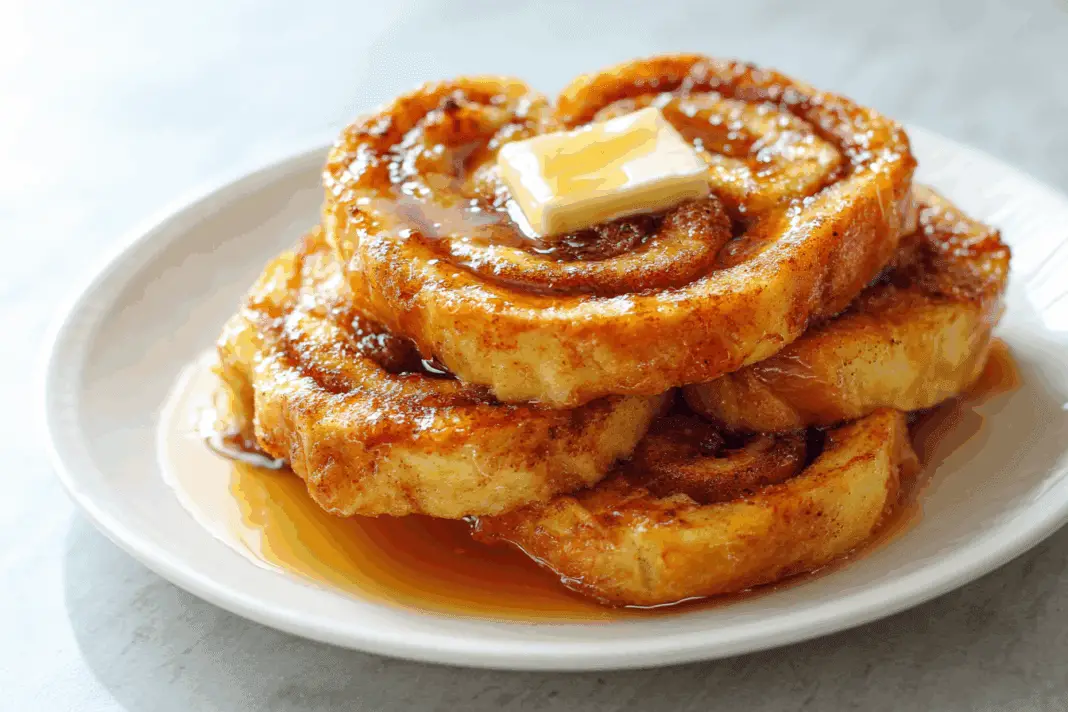
There’s something magical about waking up to the smell of cinnamon and butter filling your kitchen. Regular French toast is great, but when you start with actual cinnamon swirl bread, everything changes. The bread already has ribbons of cinnamon sugar baked right into it, and when you soak it in a rich egg mixture and cook it until golden, those swirls caramelize into something pretty special. This isn’t your weekday breakfast. This is what happens when you want to make Saturday morning feel like an event worth getting out of bed for.
Why cinnamon swirl bread makes all the difference
Most people grab whatever bread they have sitting around when making French toast, and that works fine. But starting with cinnamon swirl bread means you’re already ahead of the game. The bread has cinnamon and sugar swirled throughout, so every bite has that warm spice built right in. When the bread soaks up the egg mixture, those swirls turn into pockets of caramelized sweetness that regular bread just can’t match. You can find cinnamon swirl bread at most grocery stores in the bakery section, or you can make your own if you’re feeling ambitious.
The texture of cinnamon swirl bread also tends to be softer and richer than standard white bread. This means it absorbs the egg mixture beautifully without falling apart or getting too soggy. Day-old bread actually works better than fresh because it’s slightly dried out and can soak up more of that custard without turning to mush. If your bread is fresh, you can leave it out on the counter for a few hours or even toast it lightly before dipping. The key is finding that balance where the bread is soft enough to soak but sturdy enough to hold together in the pan.
The egg mixture that creates the perfect texture
The magic of French toast isn’t just about the bread. It’s about what you soak it in. The basic mixture includes eggs, cream or milk, vanilla, and spices. Some recipes call for just milk, but using heavy cream instead makes the inside incredibly creamy while the outside gets crispy. For four servings, you’ll whisk together about four eggs with two-thirds cup of heavy cream. Add two teaspoons of vanilla extract, half a teaspoon of cinnamon, and a tiny pinch of salt. The salt might seem odd in a sweet dish, but it balances everything out and makes the cinnamon taste even better.
Some people like adding nutmeg and cloves to their egg mixture for extra warmth and depth. A quarter teaspoon of nutmeg and an eighth teaspoon of cloves work well without overwhelming the cinnamon already in the bread. Whisk everything together in a shallow bowl that’s wide enough to fit your bread slices flat. The mixture will naturally separate as it sits, with the spices settling to the bottom, so give it a quick whisk before dipping each piece. Don’t skip this step or some slices will have all the spices while others taste bland. The consistency should be smooth and completely combined, with no streaks of egg white visible.
Getting the soaking time just right
How long you soak the bread makes a huge difference in the final result. Too short and the center stays dry and eggy. Too long and the bread falls apart when you try to move it. For standard sliced cinnamon swirl bread, about five seconds per side works perfectly. The bread should feel heavy and saturated but still hold its shape when you lift it. Thicker slices need more time, maybe ten to fifteen seconds per side. You’ll know it’s ready when the bread looks darker and you can see the egg mixture has penetrated through.
Some recipes suggest letting the bread soak in batches if you’re making a lot at once. You can arrange several slices in a baking dish, pour the custard over them, and flip them a few times to make sure everything gets coated. This method works great if you’re feeding a crowd because you can prep everything ahead and then just cook the slices as needed. Just don’t let them sit in the mixture for more than a few minutes or they’ll get too soggy. The bread should feel like a well-soaked sponge, not a soggy mess that’s about to disintegrate.
Cooking at the right temperature for perfect browning
Temperature control matters more than most people realize. Too hot and the outside burns before the inside cooks through. Too cool and you end up with pale, rubbery French toast that never develops that golden crust. The sweet spot is around 325 degrees if you’re using an electric griddle, or medium heat on a stovetop pan. An electric griddle gives you the most consistent temperature and lets you cook multiple slices at once, but a regular nonstick pan works fine too. Just be patient and resist cranking up the heat to speed things along.
Butter is the traditional choice for cooking French toast because it adds richness and helps create that golden brown crust. Use real butter, not margarine, and be generous with it. The pan should have a visible coating of melted butter before you add the bread. Watch for the butter to bubble gently, which means it’s hot enough, but don’t let it turn brown. If the butter starts smoking, your pan is too hot. Each slice takes about two to three minutes per side, depending on thickness. The surface should be deep golden brown with darker edges, and when you press the center gently, it should feel firm rather than squishy.
The cinnamon sugar coating that adds extra sweetness
Here’s a step that takes this from regular French toast to something really special. While your French toast is cooking, mix together half a cup of granulated sugar with a teaspoon of cinnamon in a shallow bowl or plate. As soon as you pull each piece from the pan, while it’s still hot, place it in the cinnamon sugar mixture and turn it to coat both sides. The residual heat from the bread makes the sugar stick and creates a slightly crystallized coating that adds texture and sweetness. This is completely optional, but it makes a noticeable difference.
You can also sprinkle the cinnamon sugar on top of the bread right before you flip it in the pan. This method caramelizes the sugar directly onto the surface, creating an almost candy-like crust. Either way works, and some people do both for maximum cinnamon sugar coverage. If you’re watching your sugar intake, you can skip this step entirely since the bread already has cinnamon swirls baked into it. But if you’re going for full weekend breakfast indulgence, the extra coating is worth it. The sugar adds crunch and makes each bite taste like a cinnamon donut crossed with French toast.
Toppings that complement without overwhelming
The bread is already sweet and loaded with cinnamon, so toppings should enhance rather than compete. Classic maple syrup works beautifully, especially the real stuff rather than the corn syrup kind. Warm it up before serving so it soaks into the bread a little. A pat of butter melting on top adds richness and makes everything glisten. Some people like powdered sugar dusted over the top, which looks pretty and adds a subtle sweetness without the moisture of syrup. Fresh berries provide a tart contrast that cuts through all that richness.
One surprisingly good option is vanilla ice cream, especially for a brunch that’s leaning toward dessert territory. The cold ice cream melting into the hot French toast creates an amazing temperature contrast. Whipped cream works too if you want something lighter than ice cream but richer than nothing. Some people add sliced bananas, chopped pecans, or even a drizzle of caramel sauce. The important thing is not to pile on so much stuff that you can’t taste the cinnamon bread anymore. This isn’t a blank canvas. It’s already a complete dish that just needs a little something extra to make it perfect.
Making ahead and reheating without losing quality
French toast reheats surprisingly well, which makes it practical for meal prep or feeding a crowd. After cooking, let the slices cool completely and then stack them with parchment paper between each piece. Store them in an airtight container in the fridge for three to four days. When you’re ready to eat, you have several reheating options. The oven works best for maintaining that crispy exterior. Heat it to 375 degrees, place the slices on a baking sheet, and warm them for about five to seven minutes. They won’t be quite as crispy as fresh, but they’ll be close.
The toaster or toaster oven also works well and is faster than the regular oven. Just pop the slices in like regular toast and heat until warmed through. The microwave is the quickest option but makes the French toast soft and slightly rubbery rather than crispy. If you’re using the microwave, heat in short bursts of twenty to thirty seconds to avoid overcooking. You can even freeze cooked French toast for up to two months. Layer the cooled slices with parchment paper, seal them in a freezer bag, and reheat directly from frozen in the oven or toaster. This makes it easy to have a fancy breakfast ready in minutes on busy mornings.
Common mistakes that ruin perfectly good French toast
The biggest mistake is using bread that’s too fresh or too thin. Fresh bread turns to mush when you soak it, and thin bread doesn’t have enough structure to hold all that custard. Standard sandwich bread works but barely. Thicker sliced bread or actual bakery loaves give you much better results. Another common problem is not whisking the egg mixture well enough. If you see streaks of egg white, keep whisking. Nobody wants a bite of scrambled egg hiding in their French toast. Also, don’t rush the cooking. If you try to speed things up with high heat, the outside burns while the inside stays raw and eggy.
Overcrowding the pan is another issue. If you cram too many slices in at once, they steam instead of fry, and you end up with soft, pale toast instead of crispy, golden brown pieces. Give each slice enough space, even if that means cooking in batches. Not using enough butter is a related problem. The pan should look glossy with melted butter before you add the bread. If the butter gets absorbed and the pan looks dry, add more. French toast isn’t supposed to be a low-fat breakfast. Finally, serving it lukewarm ruins all your hard work. Keep finished pieces warm in a low oven while you cook the rest, or just make smaller batches and serve them hot.
Why this beats regular French toast every time
Starting with cinnamon swirl bread instead of plain bread changes everything about this dish. You get layers of cinnamon sweetness baked right into every bite rather than just in the coating. The swirls caramelize during cooking and create pockets of concentrated cinnamon sugar that taste amazing. Regular French toast is good, but it’s basically just eggy bread with whatever you put on top. This version has complexity built into the bread itself. The cinnamon isn’t just a topping or a flavoring in the egg mixture. It’s woven throughout the entire piece of toast.
The richness of the bread also makes a difference. Cinnamon swirl bread is usually made with a slightly sweet dough that’s softer and more tender than regular sandwich bread. When you combine that with the cream in the egg mixture and the butter in the pan, you get something that’s almost custardy in the center while staying crispy on the outside. It’s more decadent than everyday French toast without being so over the top that you feel guilty eating it. Well, maybe a little guilty, but in a good way. This is weekend food, celebration food, or just a random Tuesday when you need something special to look forward to.
Making cinnamon swirl French toast isn’t complicated, but the results taste like you put in way more effort than you actually did. The secret is starting with good cinnamon swirl bread and not rushing the cooking process. Let each piece soak up that rich custard mixture, cook it slowly in plenty of butter, and maybe roll it in cinnamon sugar while it’s still hot. Top it with whatever makes you happy, whether that’s classic maple syrup or a scoop of vanilla ice cream. This is the kind of breakfast that makes mornings worth getting up for and turns a regular weekend into something that feels a little more special.
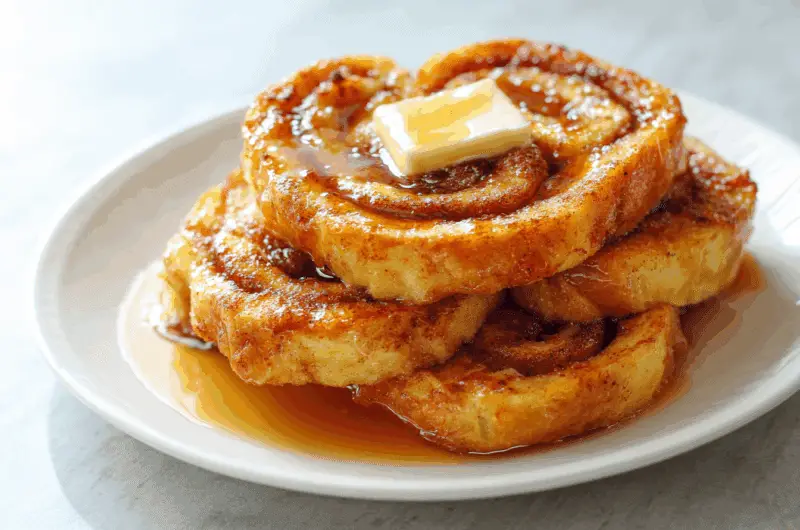
Cinnamon Swirl French Toast
Cuisine: American4
servings5
minutes10
minutes380
kcalRich, custardy French toast made with cinnamon swirl bread, coated in butter and cinnamon sugar for the ultimate weekend breakfast.
Ingredients
8 slices cinnamon swirl bread
4 large eggs
⅔ cup heavy whipping cream
2 teaspoons vanilla extract
½ teaspoon ground cinnamon
Pinch of salt
Butter for cooking
½ cup granulated sugar mixed with 1 teaspoon cinnamon (for coating)
Maple syrup and butter for serving
Directions
- In a shallow bowl wide enough to fit your bread slices, whisk together the eggs, heavy cream, vanilla extract, cinnamon, and salt until completely smooth with no streaks of egg white visible. Keep a whisk nearby to re-mix before dipping each slice since the ingredients will naturally separate.
- Heat a large nonstick skillet or electric griddle to 325 degrees F (medium heat on stovetop). Add a generous amount of butter to the pan and let it melt completely until it’s bubbling gently but not smoking or browning.
- Dip each slice of cinnamon swirl bread into the egg mixture for about 5 seconds per side, making sure both sides are evenly coated. Let excess mixture drip off before placing the bread in the hot buttered pan. Don’t oversoak or the bread will fall apart.
- Cook the French toast for 2 to 3 minutes per side until deep golden brown with darker edges. Don’t crowd the pan or the bread will steam instead of getting crispy. Add more butter to the pan between batches as needed.
- While the French toast is still hot from the pan, place each slice in the cinnamon sugar mixture and turn to coat both sides. The residual heat will make the sugar stick and create a slightly crystallized coating.
- Serve immediately topped with butter and maple syrup, or keep warm in a 200 degree F oven while you finish cooking the remaining slices. The French toast is best served hot and fresh.
Notes
- Day-old or slightly stale cinnamon swirl bread works best because it absorbs the custard without getting soggy. If your bread is fresh, leave it out on the counter for a few hours before using.
- You can substitute whole milk or half-and-half for the heavy cream, but the texture won’t be quite as rich and custardy in the center.
- For extra warmth and depth, add ¼ teaspoon ground nutmeg and a pinch of ground cloves to the egg mixture along with the cinnamon.
- The cinnamon sugar coating is optional but adds extra sweetness and texture. You can also sprinkle it on top of the bread right before flipping instead of coating after cooking.
- Leftover French toast can be refrigerated for 3-4 days or frozen for up to 2 months. Reheat in a 375 degree F oven or toaster for best results.
Frequently asked questions
Q: Can I use regular bread instead of cinnamon swirl bread?
A: Yes, regular bread works fine, but you’ll miss out on those caramelized cinnamon swirls that make this version special. Brioche, challah, or thick-cut white bread are good alternatives. Just add an extra teaspoon of cinnamon to your egg mixture to boost the cinnamon flavor.
Q: Why does my French toast come out soggy instead of crispy?
A: This usually means the bread soaked up too much egg mixture, the pan wasn’t hot enough, or you crowded too many slices together. Use slightly stale bread, limit soaking to 5 seconds per side, make sure your pan is properly heated before adding the bread, and give each slice plenty of space.
Q: Can I make the egg mixture the night before?
A: Absolutely. Whisk it together and store it covered in the fridge overnight. Just give it a good whisk again before using since the ingredients will separate while sitting. This is a great time-saver for weekend brunches or holidays.
Q: What’s the best way to keep French toast warm while cooking multiple batches?
A: Place finished slices on a baking sheet in a 200 degree F oven. They’ll stay warm and maintain their crispy exterior without overcooking. Don’t stack them or they’ll steam and get soggy. Lay them in a single layer with a little space between each piece.
