

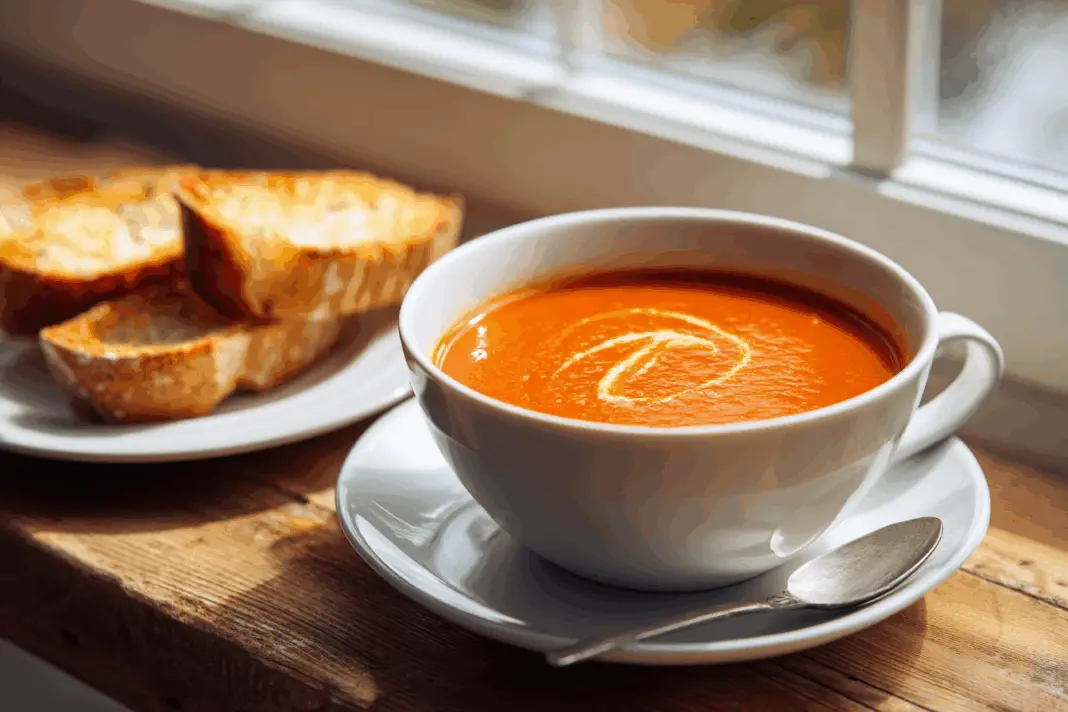
Nothing beats a warm bowl of tomato soup on a cold day, especially when you’ve got crispy garlic bread on the side. The canned stuff just doesn’t compare to homemade, and making it from scratch isn’t as hard as you might think. Roasting tomatoes brings out their natural sweetness and creates a depth that you’ll never get from opening a can. The best part? You can make this soup year-round, whether you’re using fresh tomatoes from your garden in summer or quality canned tomatoes in winter. The combination of basil, garlic, and cream creates something special that’ll make you wonder why you ever settled for store-bought.
Fresh tomatoes make all the difference
When tomato season hits at the end of summer, roma tomatoes become the star of this soup. They’re meaty, not too watery, and have just the right balance of sweet and acidic. If you’re shopping at the store, pick tomatoes that smell like tomatoes and give slightly when you press them. Rock-hard tomatoes won’t have much taste, no matter how long you cook them. At farmers markets, you’ll often find vendors willing to sell “seconds” at a discount, which are perfect for soup since appearance doesn’t matter once they’re blended.
Don’t stress if it’s the middle of winter and fresh tomatoes look sad. High-quality canned tomatoes work beautifully because they’re picked and canned at peak ripeness. Brands like San Marzano offer consistently good results. You can even use fire-roasted canned tomatoes to skip the roasting step entirely, saving about 45 minutes. The key is choosing tomatoes with great baseline taste, whether they come from your backyard or a can. Using both fresh roasted tomatoes and canned crushed tomatoes gives you layers of tomato goodness that create a more complex, restaurant-quality soup at home.
Roasting intensifies the tomato taste
Roasting tomatoes at 375 degrees for about 45 minutes transforms them completely. The heat concentrates their natural sugars and evaporates excess water, leaving behind pure tomato essence. Just halve them lengthwise, drizzle with olive oil, and season with salt and pepper before sliding them into the oven. Your kitchen will smell amazing as they slowly caramelize and develop those slightly charred edges. This step isn’t mandatory if you’re pressed for time, but it’s worth doing when you have an extra hour to spare.
The roasted tomatoes bring a sweetness and depth that raw tomatoes simply can’t match. Their skins might look wrinkled and the edges get a bit dark, but that’s exactly what you want. Those browned bits pack serious taste. Once they come out of the oven, you can add them directly to your pot, skins and all, since everything gets blended smooth anyway. Some recipes call for peeling tomatoes first, but honestly, the immersion blender handles the skins just fine and they add extra body to your soup. The roasting process is what separates okay tomato soup from the kind that makes people ask for seconds.
Building layers starts with the base
Great soup begins with properly cooked onions. Melting butter with a bit of olive oil over medium-low heat gives you the perfect fat combination for sautéing. Add diced yellow onions and let them cook slowly for about 20 minutes until they’re soft and translucent. This isn’t the time to rush by cranking up the heat. Low and slow cooking brings out the onions’ natural sweetness without burning them. They should be tender enough to squish between your fingers and smell sweet, not sharp.
After the onions soften, stir in minced garlic and fresh thyme, cooking for another five minutes. The garlic should smell fragrant but not burned. Then comes an important step that many home cooks skip: adding flour to create a light roux. Sprinkle in about a quarter cup of all-purpose flour and stir it around for a few minutes until the mixture looks slightly golden. This thickens your soup naturally and gives it body without needing tons of cream. Don’t let the flour brown too much or it’ll taste bitter. Once your base is ready, you can start adding tomatoes and building the rest of your soup’s character.
Adding roasted red peppers brings sweetness
Here’s a trick that takes this soup from good to great: roasted red bell peppers. You can buy jarred ones to save time, just make sure to drain them well. Or roast your own by halving peppers, tossing them with olive oil, salt, and pepper, then cooking at 425 degrees for about 20 minutes until they’re soft and slightly charred. The peppers add a subtle sweetness and extra depth without making the soup taste like pepper soup. They blend right in with the tomatoes, creating a more rounded taste profile.
The peppers also add natural sweetness that balances the acidity of tomatoes without dumping in a bunch of sugar. Some recipes call for a tablespoon of sugar, which helps if your tomatoes are particularly tart, but the roasted peppers do a lot of that work naturally. If you’ve never tried adding peppers to tomato soup before, you’re in for a pleasant surprise. They melt into the background, supporting the tomato taste rather than competing with it. This is one of those secret ingredients that makes people wonder what makes your soup taste so much better than theirs.
Fresh and dried basil work together
Using both fresh and dried basil might seem redundant, but they actually serve different purposes. Dried basil goes into the soup early and simmers for 30 minutes, infusing the entire pot with herby notes. It has a more concentrated, earthy quality than fresh basil. Add about two tablespoons along with your crushed tomatoes, chicken broth, and seasonings. The long simmer time lets those dried herbs really work their magic throughout the soup, creating a solid herby foundation.
Fresh basil comes in toward the end, stirred in just before you blend everything smooth. About two cups of roughly chopped basil leaves adds a bright, peppery punch that dried basil can’t replicate. The fresh stuff tastes almost minty and brings a liveliness to each spoonful. Don’t add it too early or the heat will turn the leaves black and bitter. Waiting until the end preserves that fresh green taste. Some people save a few whole basil leaves to float on top of each bowl for presentation, which looks nice and adds an extra burst when you eat them. The combination of both forms of basil creates complexity you just can’t get from using only one.
Blending creates that silky texture
Once everything has simmered together for about 45 minutes total, it’s time to blend. An immersion blender is the easiest tool since you can blend right in the pot without transferring hot liquid. Just stick it in and blend until smooth, moving it around to catch all the chunks. If you’re using a regular blender, let the soup cool for at least 15 minutes first. Hot liquid expands when blended and can blow the lid off, creating a dangerous mess. Work in batches, filling the blender only halfway, and hold a kitchen towel over the lid while blending.
Blend until completely smooth with no chunks remaining. The soup should look creamy and velvety, with a consistent color throughout. Some people like a chunkier texture, but for classic tomato soup, smooth is the way to go. After blending, pour everything back into your pot if you used a stand blender. Now comes the finishing touch: heavy cream. Stirring in about two-thirds of a cup creates that signature creamy tomato soup color and adds richness. You can use half-and-half or whole milk if you prefer something lighter, or skip dairy entirely for a vegan version. Give it a final simmer for a few minutes to heat the cream through, and you’re done.
Making garlic bread the right way
Garlic bread isn’t just an afterthought; it’s the perfect companion to tomato soup. Start with a good crusty baguette, the kind with a chewy interior and crispy crust. Slice it into thick pieces, about an inch wide, and arrange them on a baking sheet. Room temperature butter spreads easier than cold, so take it out of the fridge ahead of time. Mix softened butter with minced fresh garlic, using about four cloves for one baguette. Don’t use garlic powder here; fresh garlic makes all the difference.
Slather each bread slice generously with the garlic butter mixture, making sure to get it all the way to the edges. Then pile on shredded Gruyere cheese, though Swiss, cheddar, or mozzarella work too. Pop the tray under the broiler for 3-5 minutes, watching carefully since broilers work fast. The cheese should bubble and turn golden brown in spots. The bread edges will get crispy while the middle stays soft. Pull them out when the cheese looks perfectly melted and slightly browned. Serve the garlic bread alongside your soup while everything’s still hot. There’s something magical about dipping crispy, garlicky, cheesy bread into creamy tomato soup.
Storing and reheating your soup
This soup actually tastes better the next day after all the ingredients have had time to hang out together in the fridge. Store it in an airtight container for up to five days. The soup will thicken as it cools, which is completely normal. When you’re ready to eat it again, pour what you need into a pot and reheat over medium-low heat, stirring occasionally. Add a splash of chicken broth or water if it seems too thick. Don’t crank the heat too high or the dairy can separate and look grainy.
For longer storage, this soup freezes beautifully for up to three months. The trick is leaving out the cream before freezing. Make the soup all the way through the blending step, let it cool completely, then transfer to freezer-safe containers. Leave about an inch of space at the top since liquids expand when frozen. When you want soup, move a container to the fridge the night before to thaw. Reheat the thawed soup in a pot, then stir in fresh cream at the end. This way the cream stays smooth and doesn’t get weird in the freezer. Having homemade soup in your freezer is like having a secret weapon for busy weeknights.
Adjusting the recipe to your taste
Not everyone likes the same level of creaminess or basil intensity. If you want a lighter soup, swap the heavy cream for whole milk or even plain Greek yogurt stirred in at the end. The yogurt adds tang along with creaminess, which some people really enjoy. For a completely dairy-free version, coconut cream works surprisingly well, though it adds a slight coconut undertone. You could also just skip the cream entirely for a brighter, more acidic tomato soup that lets the tomato taste really shine through.
If basil isn’t your thing, you can dial it back or leave it out completely for a more classic tomato soup. Some people add a pinch of red pepper flakes for warmth, or a bit of smoked paprika for depth. Fresh thyme is called for in most recipes, but dried thyme works in a pinch, using about one teaspoon instead of one tablespoon. The beauty of homemade soup is making it exactly how you like it. Taste as you go and adjust the seasonings. Need more salt? Add it. Too acidic? A pinch of sugar balances it out. Too thick? Thin it with more broth. Making soup should be fun, not stressful, so don’t worry about following recipes exactly.
There’s something deeply satisfying about making soup from scratch, especially one as comforting as tomato basil. The house smells amazing while it cooks, and you end up with something way better than anything from a can. Whether you’re feeding your family on a weeknight or impressing friends on the weekend, this soup delivers. The combination of roasted tomatoes, fresh basil, and crispy garlic bread creates the kind of meal that makes people happy. Once you’ve made it a few times, you’ll have the process down and can whip it up without even looking at a recipe.
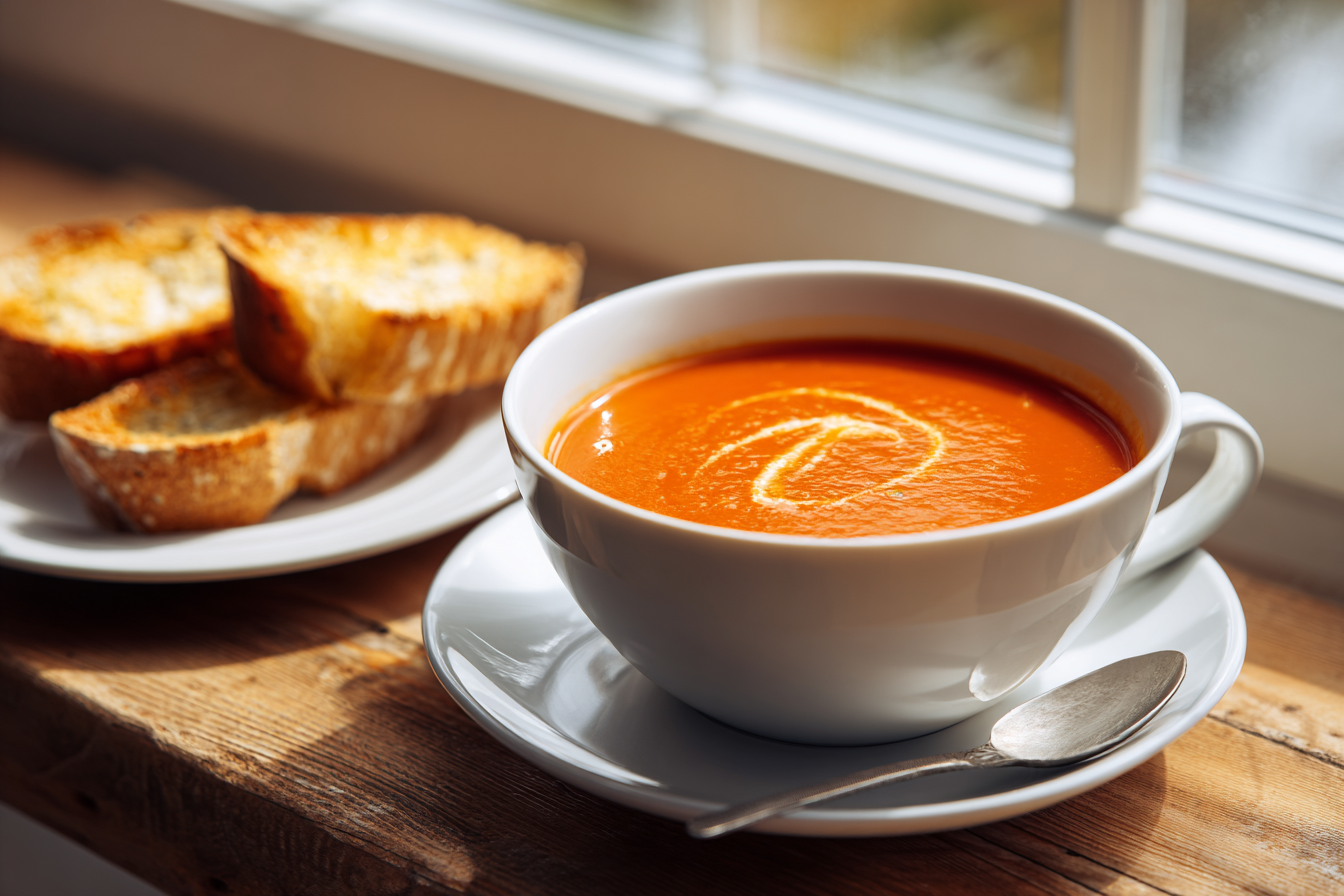
Creamy Tomato Basil Soup With Toasted Garlic Bread
Cuisine: American6
servings15
minutes1
hour30
minutes380
kcalRich and velvety tomato basil soup paired with crispy, cheesy garlic bread for the ultimate comfort meal.
Ingredients
1 ½ pounds Roma tomatoes, halved lengthwise
3 tablespoons extra virgin olive oil
2 tablespoons unsalted butter
1 medium yellow onion, diced
4 garlic cloves, minced
1 tablespoon fresh thyme, minced
1 (28 ounce) can crushed tomatoes
2 cups fresh basil leaves, roughly chopped
2 tablespoons dried basil
1 tablespoon sugar
2 cups low sodium chicken broth
⅔ cup heavy cream
Salt and pepper to taste
- 1 baguette, sliced into 1-inch pieces
4 tablespoons butter, room temperature
4 cloves garlic, minced
1 cup shredded Gruyere cheese
Directions
- Preheat your oven to 375°F and prepare a baking sheet by lining it with parchment paper. Arrange the halved Roma tomatoes on the sheet, drizzle them with olive oil, and season generously with salt and pepper. Roast the tomatoes for about 45 minutes until they’re soft, slightly charred at the edges, and deeply caramelized.
- While the tomatoes roast, melt the butter with a tablespoon of olive oil in a large pot or Dutch oven over medium-high heat. Add the diced onion and reduce heat to medium-low, then cook slowly for about 20 minutes, stirring occasionally, until the onions become soft, translucent, and sweet. Don’t rush this step as properly cooked onions create the foundation of great soup.
- Stir in the minced garlic and fresh thyme, cooking for another 5 minutes until fragrant. Sprinkle the flour over the onion mixture and stir constantly for about 3 minutes until it forms a light roux that’s slightly golden but not browned. This will naturally thicken your soup and give it body.
- Add the crushed tomatoes, dried basil, sugar, salt, and pepper to the pot. Stir everything together well, then reduce the heat to medium-low and let it simmer for 10 minutes to allow the ingredients to meld together. The dried basil will infuse the entire pot with herby notes during this time.
- Pour in the chicken broth and add your roasted tomatoes directly from the oven, including any juices that have accumulated on the baking sheet. Season with additional salt and pepper, then continue simmering for 15 minutes, stirring occasionally and scraping the bottom of the pot to prevent sticking. The soup should be bubbling gently and smelling amazing.
- Stir in the fresh basil leaves, then remove the pot from heat. Using an immersion blender, carefully blend the soup until completely smooth with no chunks remaining. If using a stand blender, let the soup cool for 15 minutes, then blend in batches, filling the blender only halfway and holding a towel over the lid for safety.
- Return the blended soup to medium heat and stir in the heavy cream until fully incorporated. Let it simmer gently for 2-3 minutes to heat the cream through, then taste and adjust seasonings as needed. The soup should be creamy, smooth, and rich with a beautiful balance of tomato and basil notes.
- While the soup finishes, preheat your broiler and arrange baguette slices on a baking sheet in a single layer. Mix the room temperature butter with minced garlic, then slather each bread slice generously with the garlic butter. Top with shredded Gruyere cheese and broil for 3-5 minutes, watching carefully, until the cheese is bubbly and golden brown. Serve the hot garlic bread immediately alongside bowls of the creamy tomato soup.
Notes
- You can substitute canned fire-roasted tomatoes for fresh tomatoes to save time. Use one 28-ounce can and skip the roasting step entirely.
- For a lighter version, replace heavy cream with whole milk, half-and-half, or plain Greek yogurt stirred in at the end.
- The soup can be made up to 5 days ahead and stored in an airtight container in the refrigerator. Reheat gently over medium-low heat.
- To freeze, prepare the soup without adding cream, then freeze for up to 3 months. Thaw overnight in the fridge and stir in fresh cream when reheating.
- Swiss, cheddar, or mozzarella cheese work well if you don’t have Gruyere on hand for the garlic bread.
Frequently asked questions
Q: Can I make this soup without a blender?
A: While a blender creates the smoothest texture, you can mash the soup with a potato masher for a chunkier version. It won’t be as silky, but it’ll still taste great. A food mill also works if you have one.
Q: Why does my tomato soup taste too acidic?
A: Tomatoes are naturally acidic, so add a pinch more sugar or a small pinch of baking soda to neutralize the acid. The cream also helps balance acidity. Taste as you adjust and add small amounts at a time.
Q: Can I use dried basil instead of fresh?
A: The recipe already uses both, but if you only have dried, use about 3 tablespoons total added early in cooking. You’ll miss some of the brightness fresh basil provides, but the soup will still be delicious.
Q: How do I prevent the soup from separating when reheating?
A: Always reheat over medium-low to medium heat, stirring frequently. High heat can cause the dairy to separate and look grainy. If the soup seems too thick after refrigerating, thin it with a bit of broth or water before reheating.
