

Getting older doesn’t mean giving up on quick and affordable meals when you’re out running errands or meeting friends. But some fast food chains have track records that might make you think twice before ordering, especially when food safety matters more as we age. From restaurants with repeated health violations to places where employees admit certain menu items sit around way too long, knowing which chains to skip can save you from an unpleasant experience. Here’s what you need to know about the fast food spots that might not be worth your time or money.
Chipotle’s history with foodborne illness outbreaks
When Chipotle locations experienced multiple disease outbreaks between 2015 and 2018, it wasn’t just a minor hiccup. The chain faced norovirus, Salmonella, and E. coli cases across several states, with one incident in Ohio alone sickening over 600 people. The situation got so serious that the company ended up paying $25 million in fines back in 2020, which marked the largest settlement ever for a foodborne illness case. While they’ve worked on retraining staff and improving procedures since then, that’s a pretty concerning history for anyone watching what they eat.
The problems didn’t stop with health scares either. More recently in 2024, customers started complaining loudly about smaller portion sizes while paying the same prices, which turned into its own scandal for the chain. When you’re paying for a burrito bowl and expecting to get your money’s worth, finding less food than before is frustrating. Combined with the past safety issues, it makes sense to be cautious when considering Chipotle, especially when there are other fast-casual options that haven’t had such public problems with keeping customers safe and satisfied.
Burger King restaurants fail inspections regularly
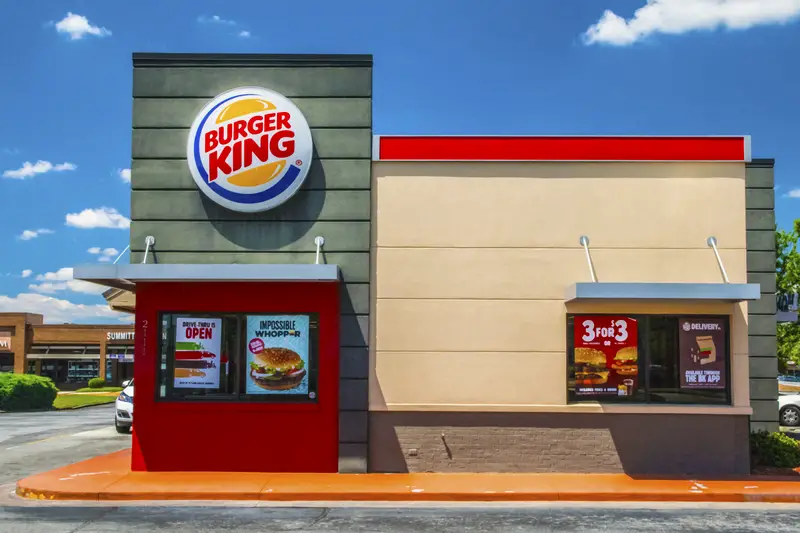
Unlike chains that had one big scandal, Burger King’s issues seem to be more widespread and ongoing. Back in 2003, a Dateline investigation looked at 100 Burger King locations and found a combined 241 critical health code violations. That’s not ancient history when you consider that reports of failed inspections and below-average health scores continue to pop up at various locations across the country. With over 6,500 restaurants in all 50 states, the chain is everywhere, but consistency seems to be a real problem.
The thing about health code violations is they can range from minor paperwork issues to serious problems like improper food storage temperatures or pest problems. When a chain consistently has locations failing inspections, it suggests something isn’t working at a broader level. Maybe training isn’t standardized enough, or maybe franchise owners aren’t held to high enough standards. Either way, when you’re choosing where to spend your money on a quick meal, picking a place with a better track record just makes sense. There are plenty of other burger options out there without this kind of baggage.
Taco Bell’s past contamination problems
That beautiful beachside Taco Bell in California might look clean and inviting, but the chain as a whole has dealt with some concerning incidents over the years. E. coli outbreaks hit five states in 2006, followed by Salmonella cases in Washington and Oregon in 2010. More recently, the chain had to recall about 2 million pounds of seasoned beef in 2019 because of possible metal shaving contamination. Then in 2024, they were caught up in another E. coli situation involving contaminated onions from a supplier.
While some of these problems came from suppliers rather than the restaurants themselves, it still affects what ends up on your plate. The chain has also had to deal with lawsuits claiming they don’t use real ground beef in their menu items, which they’ve denied. With over 8,100 locations nationwide, quality control becomes a huge challenge. When you’re older and potentially more vulnerable to foodborne illness, choosing restaurants that haven’t had repeated contamination issues just seems like the smarter move, even if you’re craving those Crunchy Tacos.
McDonald’s recent onion recall affected many customers
As the biggest fast food chain in America with over 13,000 locations, McDonald’s has restaurants everywhere you look. That massive size means when something goes wrong, it affects a lot of people. The 2024 E. coli outbreak linked to contaminated onions sickened over 75 people who ate at various McDonald’s locations. Before that, they dealt with a cyclospora outbreak in 2018 that was traced back to their salads and prompted an FDA investigation. These aren’t small problems that affected just a few people.
The quality and cleanliness can vary wildly from one location to another, which is part of the challenge with such a huge chain. Some restaurants are spotless and well-managed, while others in places like the Boston area have racked up numerous health violations. Individual locations might be perfectly fine, but the inconsistency is the real issue. When you don’t know if the McDonald’s near you is one of the good ones or one that cuts corners, it becomes a gamble. For seniors who want to avoid getting sick from something as simple as grabbing lunch, that uncertainty isn’t worth it.
Wendy’s had a multi-state outbreak recently
Wendy’s has been climbing the ranks to become the second-highest-grossing burger chain, surpassing Burger King in recent years. But that success hasn’t kept them from having food safety problems. In 2022, the chain was tied to an outbreak that affected multiple states. With almost 6,000 locations across the country, they face the same challenges as other big chains when it comes to maintaining consistent standards everywhere. When you’re dealing with thousands of restaurants and franchise owners, things can slip through the cracks.
The bigger concern isn’t just one outbreak, but whether the systems are in place to prevent them from happening again. Fast food chains make promises about food safety protocols and training, but the proof is in the results. When seniors are thinking about where to eat, they shouldn’t have to worry about whether their meal might make them sick. There are enough reliable options out there that you don’t need to take chances with chains that have recent outbreaks in their history, no matter how good their advertising makes their food look.
Soda machines rarely get cleaned properly
Most people don’t think twice about ordering a soda at a fast food restaurant, but employees who work there have some eye-opening things to say about those machines. The lines, guns, and dispensers that deliver your drink often don’t get cleaned as regularly as they should. Some workers have described finding what they call “soda gun snakes,” which are tube-shaped buildups of sugar, yeast, moisture, and neglect that form inside the lines. The description alone is enough to make you reconsider that fountain drink you were about to order.
The problem gets worse at pizza places where yeast is actively floating around in the air from all the dough being made. That yeast can get into the soda lines and create even more buildup. Slushie and Icee machines have similar issues, with employees particularly calling out places like Sonic for having machines that are incredibly difficult to clean properly. When cleaning equipment is too complicated or time-consuming, it often doesn’t get done as often as it should. If you’re going to get a drink, maybe stick with sealed bottles or cans instead of taking your chances with the fountain.
Soup sits at the wrong temperature all day
Ordering soup at a fast food place seems like a safe, comforting choice, but employees warn there are several problems with how it’s handled. Some say the batches are made too large to cool down properly, which means they sit at temperatures that are perfect for bacteria to grow. Others mention that soup is often where leftover or poorly cooked food goes to hide. That chicken that got a little too dark or those vegetables that are past their prime? Into the soup pot they go, where no one can tell the difference.
Then there’s the issue of soup sitting in warming stations for hours on end. While some employees insist that as long as it’s kept at the right temperature it’s fine, others point out that proper temperature control isn’t always happening. Soups that come frozen and get reheated in bags have their own problems, with workers mentioning that plastic can end up in your bowl. When there are so many potential issues with how fast food restaurants handle soup, making your own at home or getting it from a restaurant that specializes in soup just seems like a better idea.
McDonald’s Filet-O-Fish sits around too long
If you’re someone who enjoys McDonald’s fish sandwich, you might not like what employees have to say about it. The main problem isn’t that there’s anything wrong with the fish itself, but rather that hardly anyone orders it. That means those fish patties can sit in the warming cabinet way past when they should be served. Workers repeatedly mention this sandwich as something they’d never order because of how long it sits there waiting for the rare customer who wants fish instead of a burger.
Even if you think you’re being smart by asking for a fresh one, employees say that sometimes they just drop the old patty back in the fryer for a few seconds to heat it up again before serving it to you. That’s not exactly what most people have in mind when they request fresh food. There’s also been talk that the sandwich has gotten smaller over time, even though McDonald’s denies any changes. When you put it all together, the Filet-O-Fish just doesn’t seem worth ordering, especially when there are so many other options on the menu that move faster and are more likely to actually be fresh.
Steak ‘n Shake milkshakes cause problems
Those hand-dipped milkshakes at Steak ‘n Shake might sound great, and they do follow strict guidelines for making them. The problem is what happens behind the scenes when restaurants are short-staffed and have a line of shake orders backing up. Employees really don’t like being assigned to shake duty because scooping the ice cream base is extremely difficult and time-consuming. When you’re supposed to get each shake made in two to three minutes but the ice cream is nearly impossible to scoop, something has to give.
What gives is usually the attention to cleanliness and proper procedures. When workers are rushing to catch up on backed-up orders and struggling with ice cream that won’t cooperate, they’re not focused on making sure everything is perfectly clean or that each shake meets exact standards. It’s not that employees don’t care, but rather that they’re set up in a situation where it’s almost impossible to do everything right. If you’re going to Steak ‘n Shake, maybe stick with their burgers and fries instead of putting workers through the struggle of making shakes when they’re already overwhelmed.
Making smart choices about where to eat doesn’t mean you have to give up on convenient fast food completely. It just means being aware of which chains have had repeated problems and which menu items even employees won’t touch. Your time and money are valuable, and so is your health, so there’s no shame in choosing restaurants that have better track records and skipping the ones that have shown they struggle with basic food safety.
