

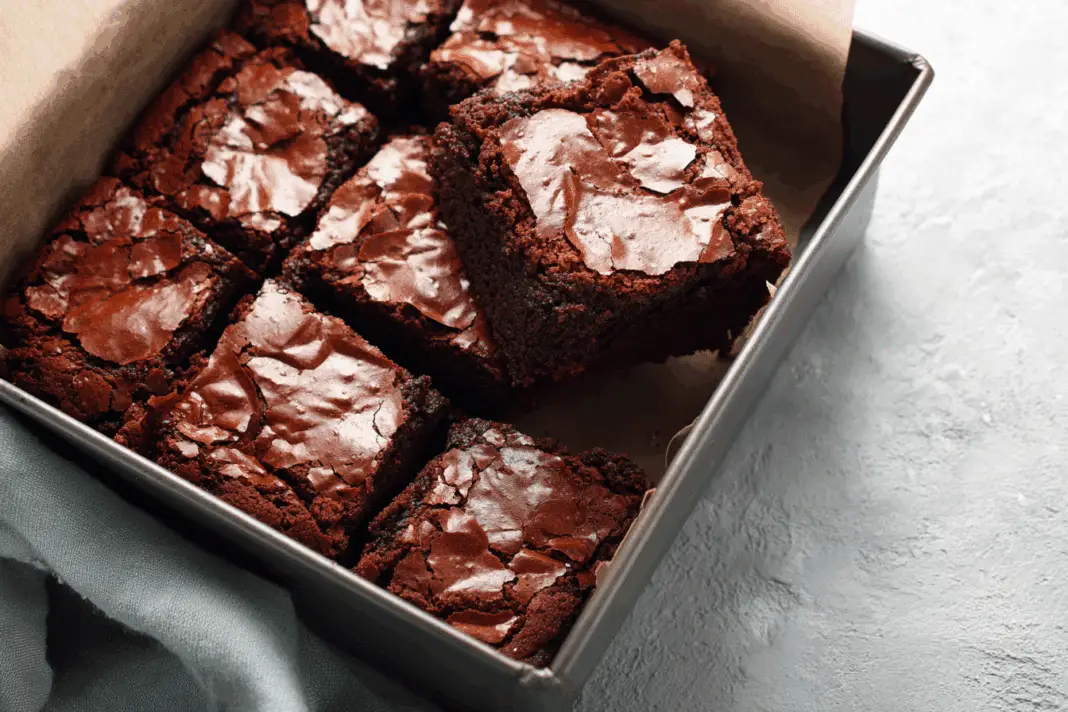
Ever pulled brownies out of the oven only to find a dull, matte top instead of that gorgeous shiny crackle you see in bakery windows? It’s frustrating when you follow a recipe perfectly but still miss that signature glossy finish. Turns out, getting that crackly top isn’t about luck or fancy ingredients. The secret lies in how you handle your eggs and butter, plus one sneaky trick with chocolate that almost nobody talks about. Once you know these techniques, you’ll never settle for sad-looking brownies again.
The science behind that perfect shiny top
The shiny crackle top on brownies happens when sugar dissolves during baking and creates a thin, crispy layer that cracks as the brownies rise. Most people think it’s about the chocolate or cocoa powder, but it’s actually more about technique. When you melt butter with sugar, you start dissolving those sugar crystals, which gives you a head start on creating that glossy surface. The heat from the melted butter begins breaking down the sugar structure even before the brownies hit the oven.
But here’s where most recipes fall short. You can’t just melt the butter and sugar together and call it done. The real magic happens when you whisk your eggs like crazy. We’re talking about 5 to 7 minutes of vigorous whisking until the mixture becomes thick, pale, and almost doubles in volume. This might seem excessive, but it’s this step that creates the structure needed for that paper-thin, flaky top. When those air bubbles you’ve created rise to the surface during baking, they create the perfect environment for the dissolved sugar to form those beautiful cracks.
Why tiny chocolate pieces make all the difference
Here’s something most brownie recipes won’t tell you. Adding finely chopped chocolate to your batter is the secret weapon for guaranteed shiny tops. Not chocolate chips, mind you, but actual chocolate bars chopped into tiny shards and pieces. When these small bits of chocolate melt in the oven, they create little pockets of melted chocolate that rise to the surface. As they cool, they form that glossy, crackled layer that looks exactly like the brownies from fancy bakeries. Regular chocolate chips don’t work as well because they’re designed to hold their shape when baked.
The type of chocolate matters too. Skip the baking chocolate and grab a good quality eating chocolate bar instead. Look for something between 55% and 72% cocoa solids. Brands like Lindt, Ghirardelli, or even Trader Joe’s chocolate bars work great. The extra cocoa butter in eating chocolate helps create that shiny surface. Chop about 200 grams into very fine pieces, and make sure you have lots of tiny shards mixed in with any larger chunks. Those tiny pieces are what really get the job done.
The hot butter and cold egg trick
This technique sounds weird at first, but it absolutely works. After melting your butter with some of the sugar and heating it until it’s quite warm, you slowly pour this hot mixture into your cold whisked eggs. The key word here is slowly. Add just a little bit at a time while whisking constantly. What happens is the heat from the butter mixture starts cooking the eggs just slightly, creating a thicker, more emulsified batter. This emulsion is what helps suspend all those sugar crystals that will eventually form your shiny top.
Don’t rush this step or dump all the hot butter in at once, or you’ll end up with scrambled eggs in your brownie batter. Take about a minute to drizzle it in while whisking continuously. The batter should look smooth and glossy when you’re done, almost like chocolate silk. Some recipes skip this step and just mix everything at room temperature, but those brownies rarely get that bakery-style top. The temperature contrast between hot and cold creates a unique texture in the batter that you can’t replicate any other way.
Dutch process cocoa makes darker, richer brownies
Not all cocoa powder is created equal when it comes to brownies. Natural cocoa powder will give you brownies with a lighter brown color and a slightly acidic chocolate taste. Dutch process cocoa, on the other hand, has been treated to neutralize its acidity, resulting in a darker color and deeper chocolate flavor. For that dramatic dark brown color and intense chocolate taste, Dutch process is the way to go. Brands like Droste, Ghirardelli, and Guittard make excellent Dutch process cocoa that’s easy to find in most grocery stores.
The good news is this recipe works with either type of cocoa powder. If you only have natural cocoa sitting in your pantry, your brownies will still turn out great with that shiny top. They’ll just be a shade lighter in color. Some people actually prefer the slightly tangier taste of natural cocoa in their brownies. Either way, make sure your cocoa powder is fresh. Old cocoa that’s been sitting in the back of your cupboard for two years won’t give you the same rich taste. If it smells weak or musty, toss it and buy a new container.
The right pan makes a bigger difference than you think
Metal pans are your best friend for brownies with shiny tops. Aluminum or steel pans conduct heat quickly and evenly, which helps the brownies bake properly and develop that crackle. A 9×9-inch metal pan is ideal for this recipe, though you can also use a 9×13-inch pan if you want thinner brownies. Glass and ceramic pans retain heat differently and can cause the edges to overbake while the center stays underdone. If you only have a glass pan, expect to add at least 10 extra minutes to the baking time.
Always line your pan with parchment paper, even if it’s nonstick. This isn’t just about preventing sticking. The parchment creates a barrier that helps the brownies bake more evenly and makes it super easy to lift them out for clean cutting. Let the parchment hang over the sides like a sling. After the brownies cool completely, just grab the edges of the parchment and lift the whole block out onto a cutting board. No more trying to cut perfect squares while they’re still in the pan and making a mess of everything.
Don’t overmix or your brownies get cakey
The biggest mistake people make after getting everything else right is mixing the batter too much once the flour goes in. When you add flour to any batter and stir it, you develop gluten, which is great for bread but terrible for fudgy brownies. The more you mix, the more gluten forms, and the more cake-like your brownies become. Nobody wants cakey brownies when they’re going for that dense, fudgy texture. Stop mixing the second you can’t see dry flour anymore, even if the batter looks slightly streaky.
Use a rubber spatula instead of a whisk or electric mixer once you add the flour and chopped chocolate. Fold the ingredients together gently, scraping from the bottom of the bowl and turning the batter over itself. This technique mixes everything without working the batter too hard. When you add the finely chopped chocolate, fold just until those pieces are distributed throughout the batter. The whole process from adding flour to pouring the batter into the pan should take less than a minute. Resist the urge to keep stirring to make it look perfectly smooth.
Baking time and temperature are more flexible than recipes admit
Most brownie recipes give you an exact baking time, but ovens vary wildly in how they heat. Some run hot, some run cold, and some have hot spots that bake things unevenly. Instead of blindly following a timer, learn what properly baked brownies look like. The edges should be set and firm, pulling away slightly from the pan sides. The center should still have a slight wobble when you gently shake the pan, and the top should be shiny with cracks starting to form. A toothpick inserted in the center should come out with a few moist crumbs clinging to it, not wet batter and definitely not clean.
Start checking your brownies about 5 minutes before the recipe’s suggested time. For a 9×9-inch pan at 350°F, you’re probably looking at somewhere between 27 and 35 minutes, depending on your oven and how fudgy you like them. A 9×13-inch pan will take less time since the brownies are thinner. If you see the top starting to crack and the edges looking set around the 25-minute mark, start checking every couple of minutes. Remember that brownies continue cooking for a few minutes after you take them out of the oven from residual heat, so slightly underbaked is better than overbaked.
Cooling completely is non-negotiable for clean cuts
Waiting for brownies to cool feels like torture, but cutting them warm guarantees a messy disaster. Hot brownies are too soft and gooey to cut cleanly. They’ll squish under your knife, stick to the blade, and fall apart when you try to lift them out. You need to let them cool to room temperature in the pan, which takes about 2 hours. For the cleanest cuts possible, stick them in the fridge for another hour or two after they reach room temperature. Cold brownies slice like a dream.
When you’re ready to cut, use a large, sharp chef’s knife and wipe it clean with a damp paper towel between each cut. This removes any chocolate and crumbs that would otherwise drag through the next cut and make it messy. Some people run the knife under hot water and dry it between cuts, which also works great. The shiny crackle top really shows up once you cut into the brownies and can see it on each individual piece. If you absolutely can’t wait, you can warm up a slice in the microwave for a few seconds after cutting to get that fresh-from-the-oven experience.
Storage and freezing keeps them fresh for weeks
Fresh brownies will stay good at room temperature for about 3 days if you keep them in an airtight container. After that, they start drying out and losing that fudgy texture. If your kitchen is hot or humid, store them in the refrigerator instead, where they’ll keep for up to 5 days. Cold brownies are actually pretty great because they get extra fudgy and dense. Just let them sit out for a few minutes before eating if you don’t like them super cold, or warm one up in the microwave for 10 seconds.
For longer storage, brownies freeze incredibly well. Let them cool completely, then wrap individual brownies or the whole batch tightly in plastic wrap. Put the wrapped brownies in a freezer bag, squeeze out all the air, and freeze for up to 2 months. The key is preventing freezer burn by wrapping them tightly and removing air from the bag. When you want one, just pull it out and let it thaw at room temperature for about an hour. The texture stays perfectly fudgy, and that shiny top doesn’t lose any of its appeal. This makes brownies great for meal prep or for having homemade treats ready whenever a craving hits.
These brownies prove that getting bakery-quality results at home isn’t about complicated techniques or hard-to-find ingredients. It’s about understanding why each step matters and not skipping the important ones. The combination of properly whisked eggs, hot butter mixed with cold eggs, and finely chopped chocolate practically guarantees that gorgeous shiny crackle top every single time. Once you nail this recipe, boxed brownie mix will seem pointless. Why settle for mediocre when perfect brownies are this straightforward to make from scratch?
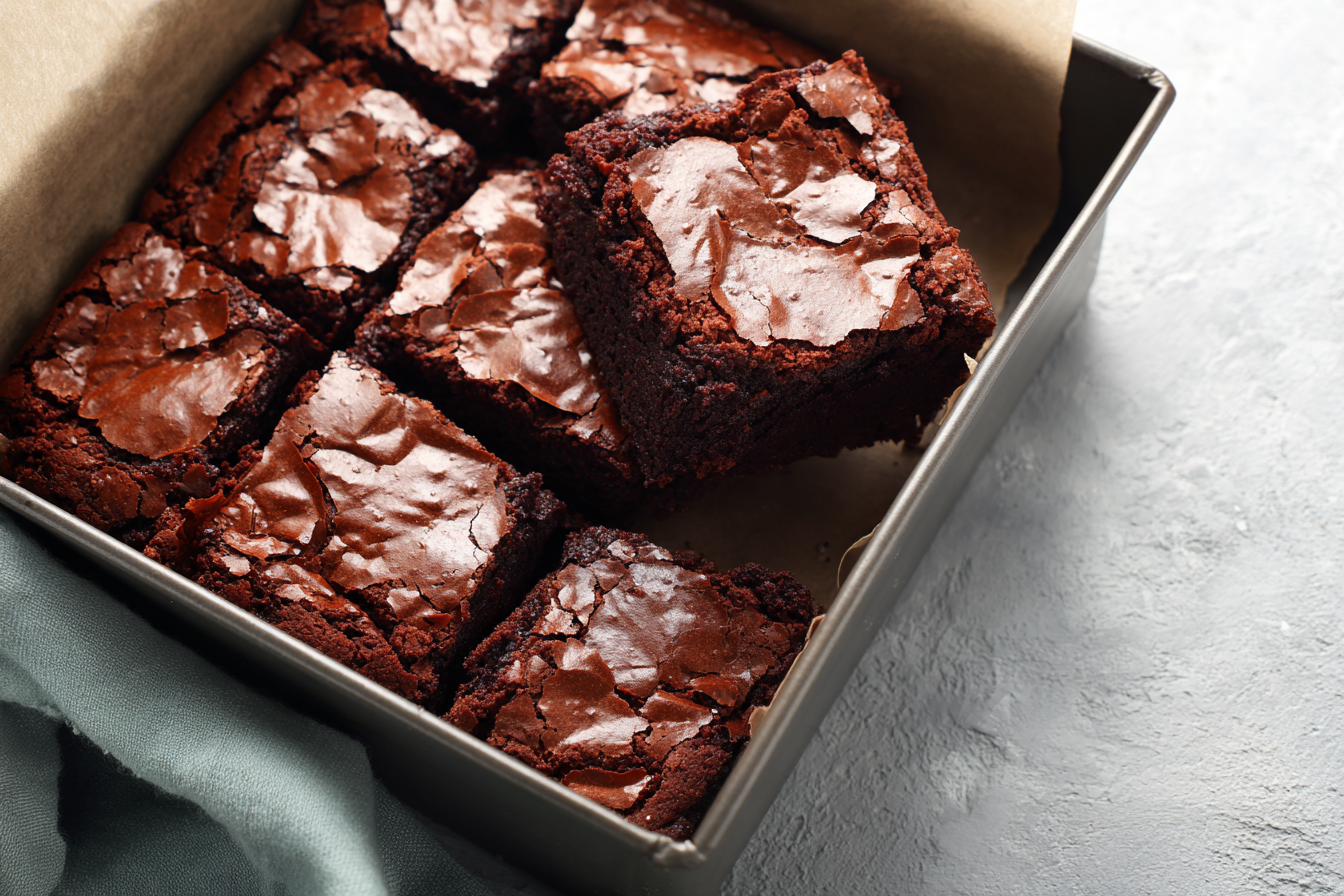
Fudgy Brownies With Shiny Crackle Tops
Cuisine: American16
brownies15
minutes28
minutes285
kcalDense, fudgy brownies with a guaranteed glossy, crackled top that rivals any bakery brownie.
Ingredients
3/4 cup (170g) unsalted butter, cut into pieces
2 tablespoons (28ml) vegetable oil or canola oil
1 and 1/3 cups (265g) granulated sugar, divided
1/2 cup (43g) unsweetened cocoa powder (Dutch process preferred)
1 teaspoon espresso powder (optional)
2 large eggs plus 1 egg yolk, at room temperature
2 teaspoons vanilla extract
1 cup (120g) all-purpose flour
1/2 teaspoon baking powder
1/2 teaspoon salt
200g (about 7 oz) dark chocolate bar (55-72% cocoa), finely chopped into small pieces
Directions
- Preheat your oven to 350°F (175°C). Line a 9×9-inch metal baking pan with parchment paper, letting the edges hang over the sides for easy removal later. Spray lightly with nonstick spray and set aside.
- In a medium saucepan, combine the butter, oil, and 1/3 cup of the sugar. Heat over medium heat, stirring frequently with a wooden spoon or whisk, until the butter is completely melted and the mixture is hot to the touch. Remove from heat and set aside to cool slightly while you prepare the eggs.
- In a large mixing bowl, combine the eggs, egg yolk, vanilla, and remaining 1 cup of sugar. Using a whisk or electric mixer, beat the mixture vigorously for 5 to 7 minutes until it becomes thick, pale in color, and increases in volume. The mixture should form ribbons when you lift the whisk. This step is crucial for getting that shiny crackle top.
- Very slowly pour the warm butter mixture into the egg mixture in a thin, steady stream while whisking constantly. Add it gradually over about a minute to prevent the eggs from scrambling. The batter should become smooth and glossy as you mix.
- In a separate bowl, sift together the flour, cocoa powder, baking powder, salt, and espresso powder if using. Add the dry ingredients to the wet ingredients all at once. Using a rubber spatula, gently fold the mixture together until you can barely see any dry flour remaining. Do not overmix or your brownies will become cakey instead of fudgy.
- Add the finely chopped chocolate to the batter and fold gently just until the chocolate pieces are distributed throughout. Stop mixing as soon as the chocolate is incorporated. The batter should be thick, glossy, and studded with chocolate pieces.
- Pour the batter into the prepared pan and smooth the top with an offset spatula or the back of a spoon. Tap the pan gently on the counter a few times to release any air bubbles.
- Bake for 27 to 30 minutes, until the edges are set and firm, the top is shiny with cracks forming, and the center still has a slight wobble when you gently shake the pan. A toothpick inserted in the center should come out with moist crumbs, not wet batter. Place the pan on a wire cooling rack and let the brownies cool completely in the pan for at least 2 hours before cutting. For the cleanest cuts, refrigerate for an additional hour before slicing.
Notes
- Use eating chocolate (like Lindt or Ghirardelli bars) rather than baking chocolate for the best results. The added cocoa butter helps create that shiny top.
- Chop the chocolate into very fine pieces with lots of tiny shards. These small pieces melt during baking and create the glossy crackle surface.
- Whisking the eggs for the full 5 to 7 minutes is essential. This step creates the structure needed for the crackly top to form properly.
- For a 9×13-inch pan, reduce baking time to about 23 to 25 minutes since the brownies will be thinner.
- Store brownies in an airtight container at room temperature for 3 days, in the refrigerator for 5 days, or freeze wrapped tightly for up to 2 months.
- The crackle top becomes more visible once you cut the brownies. Don’t worry if it doesn’t look super crackly in the pan.
Frequently asked questions about shiny crackle brownies
Q: Can I use chocolate chips instead of chopped chocolate bars?
A: Chocolate chips won’t give you the same shiny top because they’re formulated to hold their shape when baked. They contain stabilizers that prevent melting. Use real chocolate bars chopped into tiny pieces instead. The cocoa butter in eating chocolate melts during baking and creates that glossy surface. Chocolate chips will still taste fine, but you might not get that signature crackle.
Q: Why are my brownies cakey instead of fudgy?
A: Overmixing the batter after adding flour is the most common culprit. When you mix flour too much, you develop gluten which makes brownies more cake-like. Stop folding as soon as you can’t see dry flour anymore. Also check that you’re not overbaking them. Pull them out when the center still has a slight wobble.
Q: Do I really need to whisk the eggs for 5 to 7 minutes?
A: Yes, this step is crucial for getting that shiny crackle top. The vigorous whisking incorporates air and creates a thick, voluminous mixture that produces the right texture when baked. You can use a hand mixer or stand mixer to make it easier. The mixture should be pale, thick, and form ribbons when you lift the whisk.
Q: Can I add nuts or other mix-ins to these brownies?
A: Absolutely! Fold in about 2/3 cup of chopped walnuts, pecans, or hazelnuts along with the chocolate pieces. You can also add white chocolate chips, peanut butter chips, or even swirl in some caramel. Just don’t add so many mix-ins that you end up overmixing the batter trying to distribute them.
