

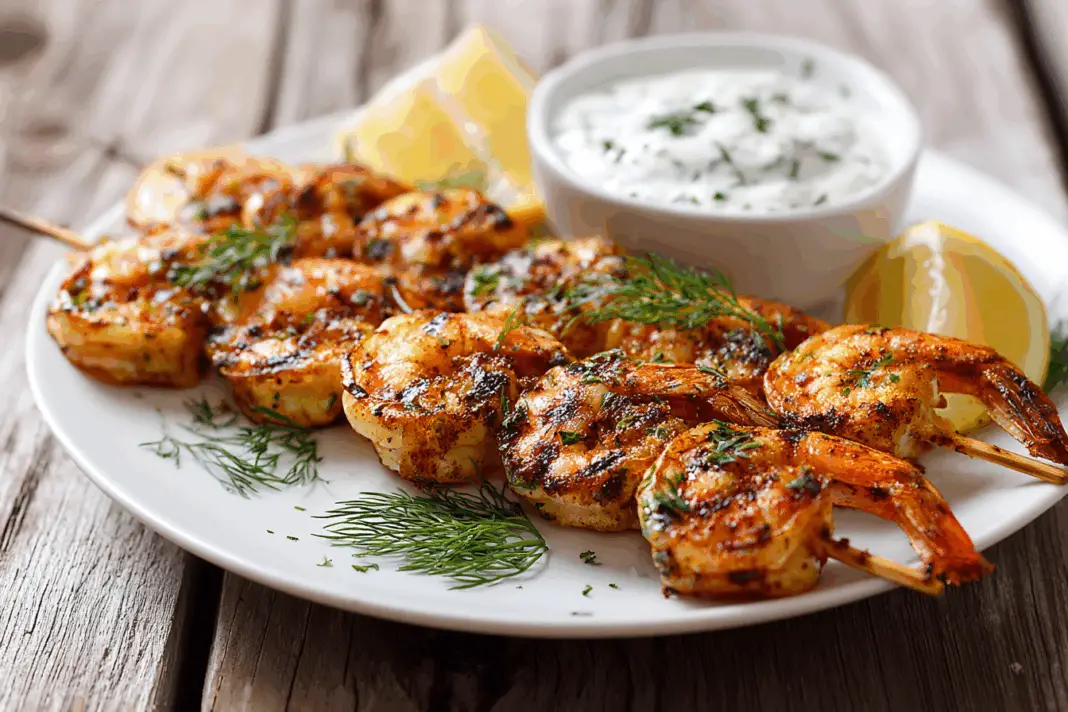
Summer grilling season means standing over a hot grill wondering what to cook that won’t take forever. Shrimp cooks in minutes, making it perfect for those nights when hunger strikes hard. The problem? Most people overcook shrimp until it turns rubbery and chewy. Getting that sweet, tender texture takes knowing exactly when to pull them off the heat. Lemon pepper shrimp brings bright citrus notes and a peppery kick that makes plain grilled shrimp taste like restaurant quality food. Fresh dill adds an unexpected twist that elevates the whole dish without any complicated techniques or fancy equipment.
Why shrimp only needs a few minutes on the grill
Shrimp transforms from translucent gray to pink and opaque in just 2-3 minutes per side. The size matters here, with jumbo shrimp taking closer to 3 minutes while medium shrimp might only need 2 minutes. Watch for that color change and a slight curl, which signals doneness. Once shrimp starts curling into a tight C-shape or an O-shape, it’s already overcooked. The sweet spot is when they form a loose C with that bright pink color throughout.
Threading shrimp onto metal skewers makes flipping them easier and prevents any from falling through the grill grates. If using wooden skewers, soak them in water for at least 30 minutes first so they don’t catch fire. Grilled shrimp benefits from a quick marinade, but anything longer than 30 minutes can start breaking down the delicate meat. The acid in lemon juice begins to essentially cook the shrimp if left too long, giving it a mushy texture nobody wants.
The marinade makes all the difference
A simple combination of olive oil, lemon zest, black pepper, garlic powder, and fresh dill creates layers of taste without overwhelming the shrimp. The oil helps the shrimp stay moist on the hot grill while carrying all those other elements. Lemon zest packs way more punch than just juice alone since the oils in the peel concentrate that bright citrus essence. Black pepper adds heat without the smokiness of chili peppers, letting the lemon shine through.
Fresh dill brings an herbal note that pairs perfectly with seafood, though dried dill works in a pinch. Use about one-third the amount if substituting dried herbs since they’re more concentrated. Marinating shrimp for just 15-20 minutes allows the ingredients to penetrate without turning the texture weird. Some recipes add smoked paprika for extra depth, which gives a subtle smokiness that complements the grill marks. The key is getting the shrimp coated evenly so every bite has that lemon pepper punch.
Getting the grill ready for shrimp
Preheat the grill to medium-high heat, which usually means around 375-400°F if your grill has a thermometer. Clean the grates thoroughly with a wire brush since old stuck-on food can make shrimp stick and tear. Once the grates are clean, oil them using a paper towel dipped in vegetable oil and held with tongs. This creates a non-stick surface that helps shrimp release easily when it’s time to flip.
Direct heat works best for shrimp since they cook so quickly. Place the skewers directly over the flames or heat source for maximum char and grill marks. Shrimp skewers need space between them for air circulation and even cooking. Don’t crowd the grill or the shrimp will steam instead of getting those nice charred edges. If cooking for a crowd, work in batches rather than piling everything on at once.
Choosing the right shrimp at the store
Look for shrimp labeled as peeled and deveined to save yourself tons of prep time. The freezer section often has better quality shrimp than what’s behind the seafood counter since most “fresh” shrimp was previously frozen anyway. Check the ingredient list and avoid shrimp with added sodium or preservatives if possible. Wild-caught shrimp typically has better texture and taste than farmed, though it costs more per pound.
Size matters depending on how you plan to serve them. Jumbo shrimp (21-25 count per pound) work great for skewers since they’re substantial and less likely to overcook. Medium shrimp (41-50 count) can dry out faster but cost less. Thaw frozen shrimp in the refrigerator overnight or place them in a sealed bag under cold running water for quick thawing. Never use hot water since it can partially cook the shrimp and ruin the texture before they even hit the grill.
Making a simple yogurt sauce for dipping
Plain Greek yogurt forms the base for a creamy sauce that balances the lemon pepper shrimp perfectly. Mix in fresh lemon juice, more chopped dill, minced garlic, and a pinch of salt and pepper. The tanginess of yogurt complements the richness of the shrimp without being heavy like mayonnaise-based sauces. Some people add a tablespoon of mayonnaise anyway for extra creaminess and a smoother texture.
Fresh herbs make a huge difference in this sauce, so grab whatever looks good at the store. Parsley, chives, or mint all work alongside the dill for a complex herbal note. Yogurt herb sauce can be made a day ahead and stored in the fridge, actually tasting better as the ingredients meld together. If the sauce seems too thick, thin it out with a splash of water or more lemon juice. This sauce also works great with grilled chicken, vegetables, or as a spread on sandwiches the next day.
What to serve alongside grilled shrimp
Rice pilaf or plain white rice soaks up the lemon pepper marinade and yogurt sauce beautifully. Couscous cooks in just 5 minutes and adds a fluffy texture that doesn’t compete with the shrimp. Grilled vegetables like zucchini, bell peppers, or asparagus keep everything on the grill and maintain that smoky theme. A simple green salad with a light vinaigrette provides freshness and crunch against the tender shrimp.
Grilled corn on the cob brings sweetness that plays well with the lemon and pepper. Slice some crusty bread and toast it on the grill for mopping up extra sauce. Orzo pasta tossed with olive oil, lemon zest, and fresh herbs makes a light side that doesn’t fill people up too much. Shrimp skewers work as either a main course or an appetizer depending on portion size and what else is on the table.
Cooking shrimp indoors when grilling isn’t possible
A cast iron skillet or grill pan on the stovetop creates similar results to outdoor grilling. Heat the pan over medium-high heat until it’s smoking hot, then add the marinated shrimp. They’ll still get those nice char marks and cook just as quickly as on an outdoor grill. Skip the skewers when cooking indoors since it’s easier to flip individual shrimp with tongs.
Work in batches to avoid overcrowding the pan, which causes steaming instead of searing. Each batch only takes about 5-6 minutes total, so the whole process moves fast. Turn on the exhaust fan since the high heat creates smoke, especially with a well-seasoned cast iron pan. The shrimp won’t have that outdoor grilled taste, but the lemon pepper marinade still delivers plenty of zing. Indoor cooking also means no dealing with weather, bugs, or running back and forth from the kitchen.
Adding vegetables to the skewers
Threading chunks of zucchini, red onion, or bell peppers between the shrimp creates a complete meal on a stick. Cut vegetables into similar-sized pieces so everything cooks evenly. Red onion gets sweet and caramelized on the grill, losing that harsh raw bite. Zucchini and yellow squash stay firm while picking up char marks and smoky notes.
Cherry tomatoes burst with juice but can make a mess, so save them for the side. Mushrooms work great if you like them, soaking up the marinade like little sponges. Vegetable and shrimp combinations mean fewer dishes to prepare and clean up later. Brush the vegetables with any leftover marinade before grilling so they match the shrimp. Some vegetables take longer to cook than shrimp, so consider par-cooking harder items like potatoes or thick carrot chunks before adding them to skewers.
Storing and reheating leftover grilled shrimp
Remove shrimp from the skewers and transfer to an airtight container once they’ve cooled to room temperature. Refrigerated grilled shrimp stays good for up to 3 days, though the texture is best within the first day or two. Cold leftover shrimp works great in salads, grain bowls, or pasta dishes without reheating. The lemon pepper seasoning stays prominent even when the shrimp is cold.
Reheating shrimp requires a gentle touch since it’s already cooked and can turn rubbery quickly. A quick 30-second zap in the microwave or a brief toss in a warm skillet brings them back to temperature without overcooking. Never boil or simmer leftover shrimp in liquid since that guarantees a tough, chewy result. Some people prefer eating leftover grilled shrimp cold in a wrap or on top of a salad where the firm texture actually works better. The yogurt herb sauce keeps for up to 5 days in the fridge, making it easy to enjoy with other meals throughout the week.
Grilled lemon pepper shrimp delivers restaurant-quality results in less time than ordering takeout. The bright citrus and peppery kick combined with fresh dill creates something special without requiring culinary school training. Whether serving them at a backyard cookout or making a quick weeknight dinner, these shrimp disappear fast. Fire up that grill and see how quickly this becomes a regular rotation meal.
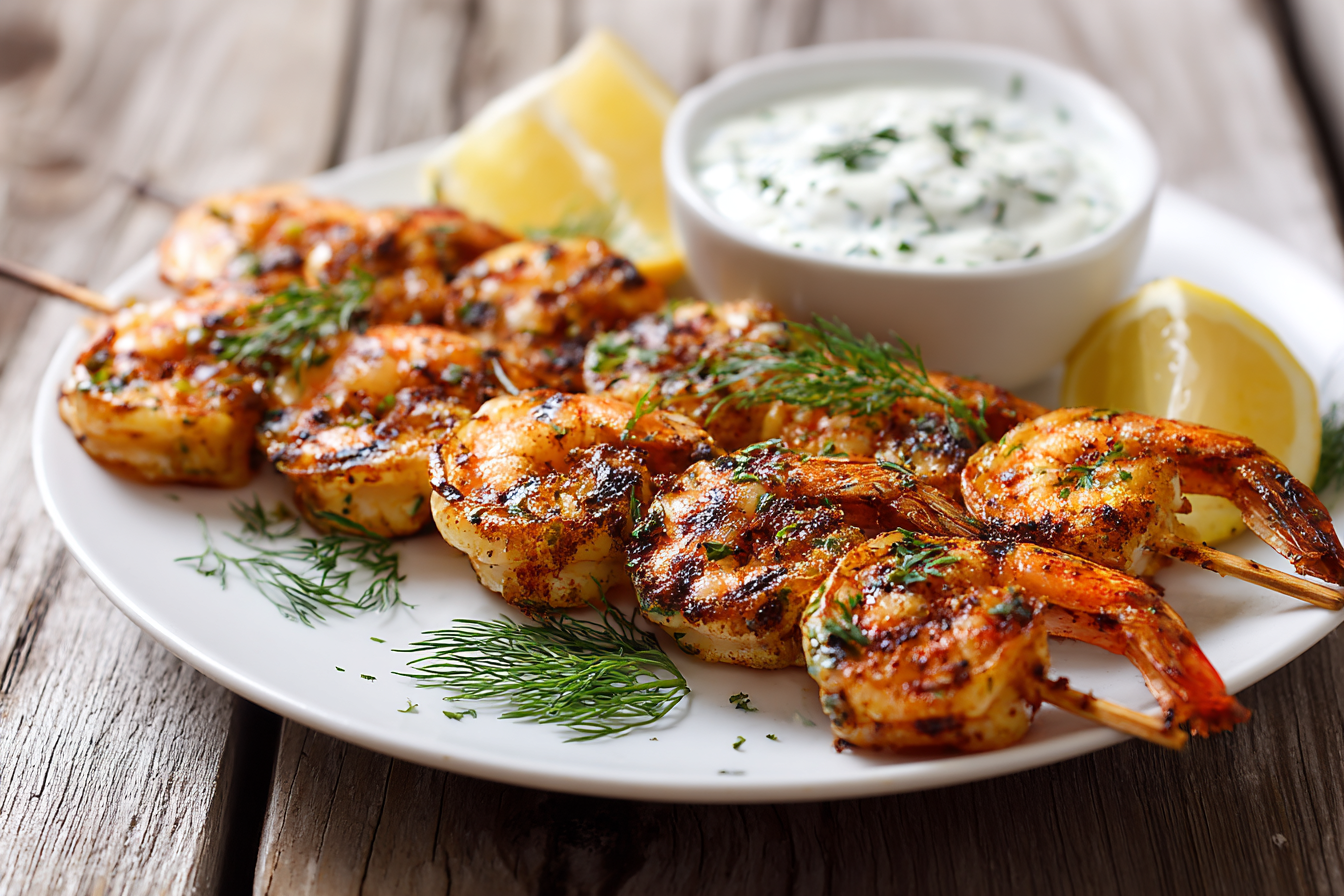
Grilled Lemon Pepper Shrimp with Fresh Dill
Cuisine: American4
servings20
minutes6
minutes180
kcalQuick-grilled shrimp with bright lemon, cracked pepper, and fresh dill served with a creamy yogurt herb dipping sauce.
Ingredients
1 pound large shrimp, peeled and deveined
2 tablespoons olive oil
2 tablespoons lemon zest (about 2 lemons)
1 tablespoon fresh lemon juice
1 tablespoon cracked black pepper
1 teaspoon garlic powder
2 tablespoons chopped fresh dill
1/2 teaspoon salt
Lemon wedges for serving
- For Yogurt Herb Sauce:
1 cup plain Greek yogurt
2 tablespoons fresh lemon juice
2 tablespoons chopped fresh dill
1 tablespoon chopped fresh parsley
1 clove garlic, minced
1/4 teaspoon salt
1/4 teaspoon black pepper
Directions
- Combine the olive oil, lemon zest, lemon juice, black pepper, garlic powder, chopped dill, and salt in a large mixing bowl. Stir everything together until well blended. Add the shrimp to the bowl and toss until each piece is evenly coated with the marinade. Let the shrimp sit at room temperature for 15-20 minutes while you prepare the grill and sauce.
- Make the yogurt herb sauce by whisking together Greek yogurt, lemon juice, dill, parsley, minced garlic, salt, and pepper in a medium bowl. Mix until smooth and creamy with no lumps remaining. Taste and adjust seasoning if needed, adding more lemon juice for brightness or salt for depth. Cover the bowl and refrigerate until ready to serve.
- If using wooden skewers, soak them in water for at least 30 minutes to prevent burning. Preheat your grill to medium-high heat, around 375-400°F. Clean the grill grates thoroughly with a wire brush, then oil them using a paper towel dipped in vegetable oil held with tongs. This prevents the shrimp from sticking when you flip them.
- Thread the marinated shrimp onto the prepared skewers, leaving a small space between each piece for even cooking. Aim for about 4-5 shrimp per skewer depending on their size. Brush any remaining marinade from the bowl onto the shrimp for maximum coating. Place the skewers on a parchment-lined baking sheet for easy transport to the grill.
- Place the shrimp skewers directly on the hot grill grates over direct heat. Cook for 2-3 minutes without moving them so they develop nice grill marks and char. Watch for the shrimp to turn pink on the bottom half and around the edges. The exact time depends on shrimp size, with larger ones taking closer to 3 minutes.
- Flip the skewers using tongs and cook the other side for another 2-3 minutes. The shrimp are done when they’re completely pink and opaque throughout with a slight C-curve shape. Don’t let them curl into tight O-shapes or they’ll be overcooked and rubbery. Remove the skewers from the grill as soon as they’re cooked through.
- Transfer the grilled shrimp skewers to a clean platter or serving plate. Squeeze fresh lemon wedges over the top for extra brightness and acidity. Serve immediately while hot with the chilled yogurt herb sauce on the side for dipping. The contrast between the hot smoky shrimp and cool creamy sauce makes each bite perfect.
- If you have leftovers, remove the shrimp from the skewers and store in an airtight container in the refrigerator for up to 3 days. The yogurt sauce keeps for up to 5 days in a sealed container. Leftover shrimp tastes great cold in salads or grain bowls, or gently reheat in a skillet for 30 seconds just to take the chill off.
Notes
- Don’t marinate shrimp longer than 30 minutes or the lemon juice will start breaking down the texture and making it mushy.
- Frozen shrimp from the freezer case is often fresher and better quality than what’s at the seafood counter since most was previously frozen anyway.
- If cooking indoors, use a cast iron skillet or grill pan over medium-high heat and skip the skewers for easier flipping.
- Add chunks of zucchini, red onion, or bell peppers between the shrimp on skewers for a complete meal.
- The yogurt herb sauce can be made up to 1 day ahead and actually tastes better as the ingredients meld together in the fridge.
Frequently asked questions
Q: Can I use dried dill instead of fresh?
A: Yes, but use only 1 tablespoon of dried dill since it’s more concentrated than fresh. The taste won’t be quite as bright and herbal, but it still works well with the lemon pepper marinade.
Q: How do I know when the shrimp are done cooking?
A: Shrimp are done when they turn completely pink and opaque throughout with a loose C-curve shape. If they curl into tight O-shapes, they’re overcooked. The whole process takes just 4-6 minutes total on the grill.
Q: Can I make this recipe without a grill?
A: Absolutely. Heat a cast iron skillet or grill pan on the stovetop over medium-high heat until smoking hot. Cook the shrimp for 2-3 minutes per side just like on the grill, working in batches to avoid overcrowding the pan.
Q: What size shrimp works best for skewers?
A: Jumbo shrimp sized 21-25 per pound are ideal since they’re substantial enough to thread on skewers and less likely to overcook. Medium shrimp work too but require closer attention since they cook even faster.
