

You’ve probably noticed your grocery bill creeping higher over the past few years, and unfortunately, that trend isn’t stopping anytime soon. While some food prices have started to level off or even drop a bit, several everyday items are getting ready to jump significantly in 2026. The reasons behind these increases vary from weather problems affecting crops to supply shortages and rising costs for farmers. Knowing which items will cost more can help you plan ahead, stock up during sales, and adjust your shopping habits before prices really take off.
Beef prices continue climbing to record territory
If you enjoy burgers, steaks, or roasts, prepare yourself for some sticker shock at the meat counter. The U.S. cattle herd has shrunk to its smallest size in decades, creating a supply problem that’s pushing prices through the roof. Ground beef prices shot up more than 16% in the past year, hitting record highs above six dollars per pound in some areas. When there are fewer cows available and demand stays the same, basic economics tells us prices have to go up.
The situation isn’t improving because raising cattle has become more expensive across the board. Feed costs have jumped, labor expenses keep rising, and farmers are dealing with higher fuel bills to transport animals and products. According to detailed price tracking data, beef and veal saw a 16.4% year-over-year increase, with uncooked beef steaks jumping nearly 18%. Unless the cattle herd rebounds quickly, which takes years, expect to pay more for every type of beef whether it’s ground, roasted, or grilled. Consider buying in bulk when sales happen or switching to chicken for some meals to save money.
Your morning coffee is getting more expensive
Coffee lovers are facing some rough news about their daily caffeine fix. Coffee prices have been climbing steadily, with some types seeing double-digit increases over the past year. The problem starts in coffee-growing regions around the world, where bad weather has damaged crops and reduced the amount of beans available. Since America grows very little coffee domestically, we depend almost entirely on imports from other countries. When those supplies get disrupted, prices here at home immediately reflect the shortage.
Making matters worse, roasted coffee jumped nearly 19% and instant coffee climbed an incredible 28% year over year. Transportation costs and tariffs on imported goods add extra charges on top of the already higher bean prices. Whether you buy whole beans, ground coffee, or instant varieties, everything is costing more. If you’re a daily coffee drinker, this adds up quickly over a month. Consider buying larger containers when they go on sale, switching to store brands, or cutting back slightly on how much you brew each day to stretch your budget.
Dairy products face upward pressure on prices
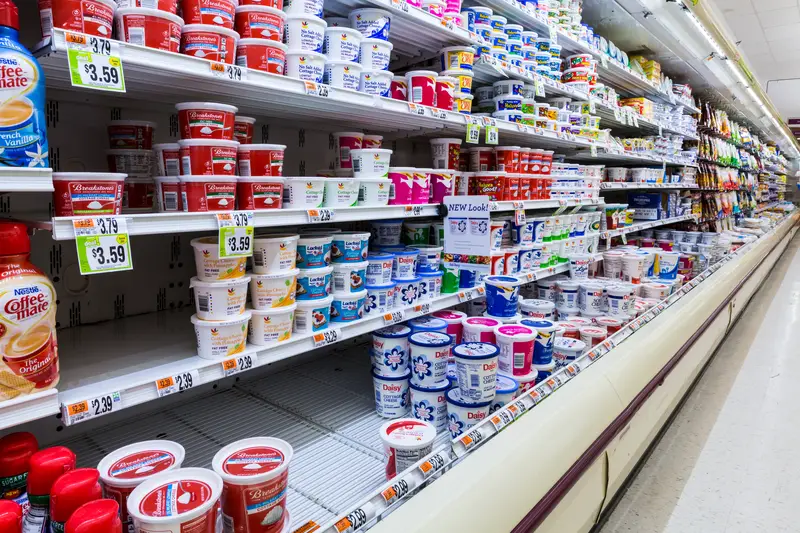
Milk, cheese, butter, and ice cream are all part of the dairy category that’s experiencing price increases. Dairy farmers are dealing with many of the same problems affecting cattle ranchers, including higher costs for grain to feed their cows. When it costs more to produce milk, those expenses get passed along to consumers at the grocery store. The dairy category saw a 0.9% jump in just one month, which might not sound like much but adds up over time.
The bigger concern is what happens when dairy farming becomes less profitable. If farmers can’t make enough money to cover their costs, some will stop producing dairy products altogether. This creates a supply shortage while everyone still wants their milk, cheese, and yogurt. Ice cream prices jumped 2.2% in a single month, and cheese went up 1.4% during the same period. These aren’t huge increases individually, but when you buy several dairy items each week, the total impact on your grocery bill becomes noticeable. Watch for sales on cheese blocks and butter, which store well and can be frozen to take advantage of lower prices when available.
Bakery items and bread costs are rising
Bread, rolls, cakes, and cookies all fall under the bakery category that’s seeing steady price increases. The cost of wheat and other grains affects everything made with flour, and those ingredient prices have been climbing. Whether you buy sandwich bread, bagels, or bakery treats, cereals and bakery products went up 0.6% in December alone. White bread specifically saw a 2% monthly increase, which is pretty significant for such a basic item that many families buy weekly.
Fresh biscuits, rolls, and muffins jumped 2% in a month, while cakes and cookies increased over 3% for the year. Even crackers and related products saw nearly a 3% annual increase. These baked goods are staples in most households, used for sandwiches, snacks, and meals throughout the day. When prices rise across the entire category, it affects almost everyone’s shopping budget. Consider buying store-brand breads and bakery items, which often cost significantly less than name brands but taste just as good. Also, if you have time, baking some items at home can save money, though flour prices have also increased.
Sugar prices are climbing steadily higher
Sugar might seem like a small expense, but its price increase affects many other products too. The United States produces a lot of sugar from both sugarcane grown in warmer states and sugar beets grown in cooler regions. However, changing weather patterns have disrupted production, leading to smaller harvests and higher prices. When domestic supply drops, we rely more on imports, but those come with their own problems including transportation costs and trade policies that add to the final price.
India, one of the major sugar exporters, has been using more of its sugarcane crop to produce ethanol fuel instead of sugar. This reduces the amount available for export, creating shortages in the global market. When supply decreases and demand stays the same, prices naturally go up. Sugar is used in so many products beyond just the bag you buy for baking – it’s in cereals, sauces, beverages, and countless processed foods. As sugar costs rise, manufacturers often pass those increases along to consumers. If you bake regularly or use sugar for coffee and tea, buying larger bags during sales can help you save money over time.
Candy and chocolate face big price jumps
Between rising sugar costs and problems with chocolate supplies, candy prices are set to increase noticeably in 2026. Chocolate specifically faces challenges from weather-related issues in regions that grow cocoa beans, creating supply chain problems that drive up costs. Since most candy contains both sugar and chocolate or cocoa products, manufacturers are getting hit with higher prices for multiple key ingredients at the same time. This double impact means candy makers have to charge more to maintain their profit margins.
The candy category already saw a 10% price increase over the past year, which is substantial for something many people buy regularly. Trade policies and tariffs add another layer of cost since many candy ingredients are imported. If you have kids who love candy or you enjoy chocolate treats yourself, the smart move is stocking up during post-holiday sales when retailers deeply discount seasonal items. The candy you buy in January at clearance prices will be much cheaper than what you’ll pay during regular shopping trips later in the year.
Orange juice costs have soared dramatically
If orange juice is part of your breakfast routine, you’ve probably already noticed the prices climbing at an alarming rate. Orange juice prices jumped nearly 38% compared to the previous year, making it one of the fastest-rising grocery items. Citrus fruits overall increased 5.5% in just one month. Weather problems in orange-growing regions, particularly Florida, have damaged crops and reduced the amount of fruit available for juice production. When oranges are scarce, juice prices reflect that shortage immediately.
Disease affecting citrus trees has also contributed to smaller harvests over several years, shrinking the supply even more. Since it takes years for new orange trees to mature and produce fruit, this isn’t a problem that fixes itself quickly. Many families buy orange juice regularly for breakfast or as a source of vitamin C, so these price increases really add up over a month. Consider switching to frozen concentrate instead of ready-to-drink juice, which typically costs less per serving. You could also alternate with other breakfast beverages that haven’t seen such dramatic price increases, or buy smaller containers and use juice more sparingly.
Overall food costs outpace general inflation
Looking at the bigger picture, food prices as a whole are rising faster than most other things you buy. In December, food prices surged 0.7% in a single month, which was more than double the overall inflation rate of 0.3%. This marked the biggest one-month jump in grocery costs in over three years. While wages might be going up slightly, they’re not keeping pace with how fast food bills are growing, meaning your money doesn’t stretch as far at the checkout line.
Restaurant prices are also climbing, with dining out seeing a 0.7% monthly increase. Full-service restaurants with waitstaff raised prices 4.9% over the year, while fast-food places increased 3.3%. These numbers might seem small individually, but they compound over time and affect every meal you eat. For a typical family spending several hundred dollars monthly on groceries, even a few percentage points in price increases translates to noticeably less food for the same money. The key is being strategic about shopping, comparing prices between stores, using coupons and sales, and being flexible about substituting cheaper alternatives when your regular items get too expensive.
Some bright spots exist among the increases
Not everything in the grocery store is getting more expensive, which provides some relief for shoppers. Eggs, which had been incredibly expensive due to bird flu outbreaks, have come back down significantly. Egg prices dropped more than 20% compared to the previous year, falling about 8% just in December. This is great news since eggs are such a versatile and affordable protein source that many families rely on for multiple meals. The bird flu situation has improved in many areas, allowing egg production to increase and supplies to recover.
Chicken prices have stayed relatively stable compared to beef, though they’ve still increased slightly. Pork has seen minimal changes, with bacon actually dropping a bit in some areas. Rice and pasta haven’t jumped dramatically like some other staples. These more affordable protein and grain options provide alternatives when beef, dairy, and bakery items get too expensive. By shifting your meal planning toward items that haven’t seen huge price increases, you can keep your grocery bill under better control. Planning meals around what’s on sale each week and being willing to substitute ingredients based on current prices makes a real difference in your monthly food spending.
The grocery price situation in 2026 isn’t ideal, but being informed about which items are likely to jump in cost helps you prepare and adjust. Focus on buying sale items, considering store brands, and being flexible with your meal plans to work around the most expensive products. Small changes in shopping habits can add up to significant savings over time, helping you stretch your food budget further despite the increases happening across many categories.
