

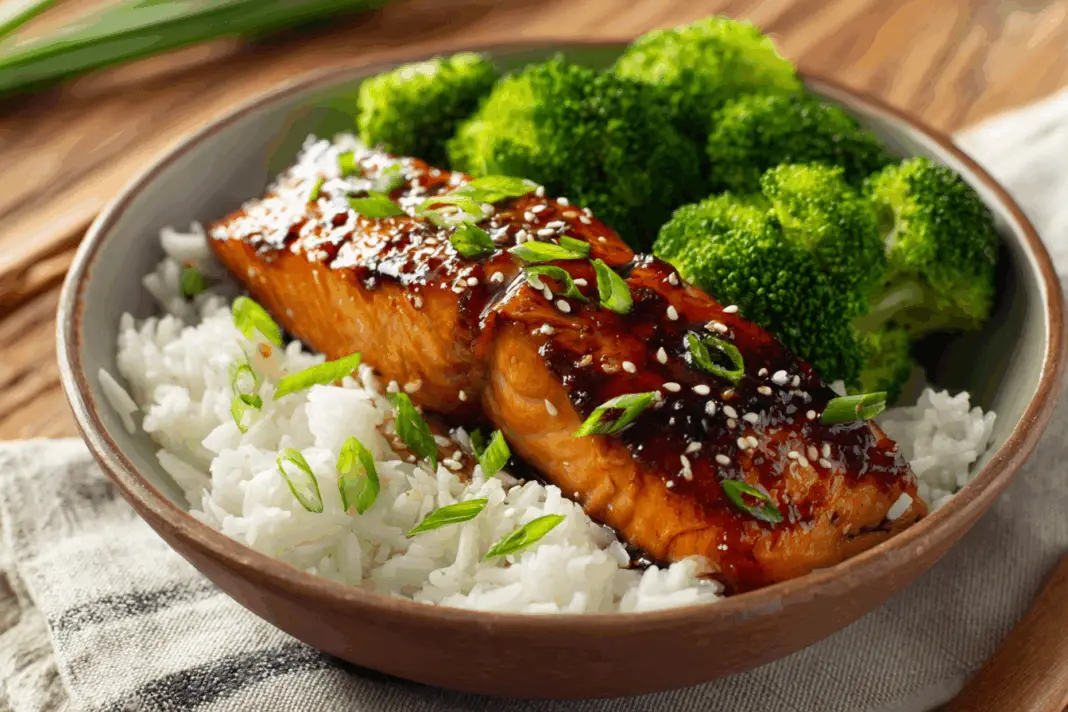
Making dinner on a busy weeknight doesn’t have to mean settling for boring food. This honey soy glazed salmon comes together in about 35 minutes and uses ingredients you probably already have in your pantry. The sweet and salty sauce caramelizes beautifully on the fish while it bakes, creating those restaurant-quality edges everyone loves. Serve it over rice with some steamed greens, and you’ve got a complete meal that looks impressive but requires minimal effort. Kids who usually turn their noses up at fish often go back for seconds when this sauce is involved.
Why this marinade works double duty
The genius of this recipe lies in how the marinade pulls double duty. You mix up one batch of sauce using soy sauce, honey, garlic, ginger, and a bit of sesame oil. Half goes on the salmon to soak in while you prep everything else, and the other half gets reduced on the stovetop into a thick, sticky glaze. This means you’re building flavor in two different ways without making extra work for yourself. The marinade tenderizes the fish and gives it that initial hit of sweet and salty goodness.
While the salmon bakes, that reserved marinade simmers down on the stove until it becomes thick and glossy. The reduction process concentrates all those flavors into something really special. It takes just a few minutes of simmering, but the transformation is dramatic. The watery marinade becomes a rich glaze that clings to every bite of salmon. You can even spoon some of this reduced glaze onto the fish during the last few minutes of baking for an extra layer of caramelization. Just keep an eye on it because honey can burn quickly if you’re not paying attention.
Getting the baking temperature right
Salmon can go from perfectly cooked to dry and tough in just a few minutes, so understanding your oven matters here. Most recipes call for 375°F, which gives you enough heat to caramelize the sugars in the honey without scorching them. The general rule is to bake salmon for about 10 minutes per inch of thickness at the thickest part. For standard fillets that are about an inch thick, this usually means 15 to 20 minutes total. An instant-read thermometer takes the guesswork out completely because you’re looking for an internal temperature of 145°F.
Some people prefer their salmon a bit more on the medium side, which would be around 125°F to 130°F internally. The fish will continue cooking for a minute or two after you pull it from the oven, so factor that in. If you want those crispy, caramelized edges that make this dish look like it came from a restaurant, turn on the broiler for the last minute of cooking. Watch it carefully during this step because the line between beautifully caramelized and burnt is pretty thin. The skin-on fillets are easier to work with because the skin helps hold everything together and protects the delicate fish from drying out during cooking.
Fresh versus frozen salmon options
Fresh salmon is great, but frozen works perfectly fine for this recipe. If you’re using frozen, just make sure it’s completely thawed before you start. The best way to thaw frozen salmon is to move it from the freezer to the refrigerator the night before you plan to cook it. If you forgot to do that, you can place the sealed salmon in a bowl of cold water for about 30 minutes to speed things up. Never use hot water because it can start cooking the outside while the inside stays frozen, which leads to uneven texture.
Once your salmon is thawed, pat it really dry with paper towels before adding the marinade. This step matters more than you might think because excess moisture prevents the marinade from sticking properly. You’ll notice the marinade clings better and creates a nicer glaze when the fish isn’t sitting in a puddle of water. When shopping for salmon, look for fillets that are similar in thickness so they all finish cooking at the same time. Atlantic salmon, sockeye, and coho all work well for this recipe. The color might vary depending on the type, but the cooking method stays the same regardless of which variety you choose.
Making the rice component work
Plain white rice works fine here, but jasmine rice adds a subtle floral note that pairs really nicely with the Asian-inspired sauce. Brown rice is another solid choice if you prefer something with more texture and a nuttier taste. The trick is timing your rice so it finishes right when the salmon comes out of the oven. Most rice takes about 20 minutes to cook, which lines up perfectly with the marinating and baking time for the fish. Start your rice when you put the salmon in to marinate, and everything should be ready at roughly the same time.
Some people like to add a bit of rice vinegar, sugar, and salt to their rice for a sushi-rice effect, which takes this dish to another level. Mix about 2 and a half tablespoons of rice vinegar with half a tablespoon of sugar and a quarter teaspoon of salt, then fold it into the hot cooked rice. This gives the rice its own distinct taste instead of being just a blank canvas for the salmon and sauce. The seasoned rice can stand on its own, which is important when you’re building a bowl where each component should contribute something. Drizzle some of that reduced glaze over the rice too because it soaks up the sauce beautifully.
Picking the right greens
The greens you choose can make or break this meal. Broccoli is the classic choice because it steams quickly and holds up well to the strong flavors in the salmon glaze. Bok choy is another winner, especially if you want to keep the Asian theme going throughout the whole plate. Broccolini cooks faster than regular broccoli and has a slightly sweeter, more delicate taste. Green beans work great too, and they add a nice crunch if you don’t overcook them. Whatever green vegetable you pick, the key is not to turn it into mush.
Steam your vegetables for just a few minutes until they’re tender but still have some bite to them. You can do this in the microwave with a bit of water in a covered bowl, or use a steamer basket on the stove. If you want to get fancy, sauté your greens in a hot pan with a tiny bit of oil and some garlic. This adds another layer of flavor and takes maybe five minutes longer than steaming. Edamame beans are also excellent in this dish, either on their own or mixed with other vegetables. They add protein and a pop of bright green color that makes the whole plate look more appealing.
Assembly and presentation tips
Building your bowl in the right order makes a difference in how the final dish looks and tastes. Start with a base of rice at the bottom, then arrange your greens on one side and your salmon on the other. This gives you distinct sections instead of everything getting mixed together into a pile. Drizzle that thick, glossy glaze over the salmon and let some of it run down onto the rice. The sauce pooling at the bottom of the bowl is one of the best parts because you get bites of rice that are coated in that sweet and salty goodness.
Adding toppings takes this from good to great without much extra work. Sesame seeds give you a little crunch and look nice sprinkled over everything. Sliced green onions add freshness and a mild bite that cuts through the richness of the sauce. Some people like to add sliced cucumber for a cool, crisp element that contrasts with the warm components. A drizzle of spicy mayo made from regular mayo mixed with sriracha brings heat and creaminess if you’re into that. Crumbled seaweed snacks, especially the teriyaki-flavored ones, add an unexpected crunch and umami bomb that makes people wonder what your secret ingredient is.
Adjusting the sauce sweetness
The balance between sweet and salty is personal, and you might want to adjust it based on your preferences. The basic ratio calls for equal parts soy sauce and honey, which gives you a nice middle ground. If you like things less sweet, cut back the honey to a quarter cup instead of a third. The sauce will still caramelize and thicken, but it won’t be quite as candy-like. On the flip side, if you have a serious sweet tooth, you can bump the honey up a bit or add a spoonful of brown sugar to the mix.
The type of soy sauce you use also affects the final taste. Regular soy sauce is pretty salty, so many people prefer low-sodium versions that let you control the salt level better. Tamari is a great gluten-free alternative that tastes almost identical to regular soy sauce. Some brands of soy sauce are sweeter than others, so if you’re trying a new brand, taste your marinade before pouring it over the fish. You can always add more honey or a splash more soy sauce to get it where you want it. Adding a bit of rice vinegar or fresh lime juice brightens everything up and keeps the sauce from being one-dimensional.
Storage and reheating strategies
Leftover salmon keeps well in the refrigerator for about two days in an airtight container. The trick to reheating is doing it gently so the fish doesn’t dry out. The microwave works fine if you use a lower power setting and check it every 30 seconds. Covering the salmon with a damp paper towel helps it retain moisture during reheating. Another option is to reheat it in a covered pan on the stovetop over low heat with a splash of water or extra glaze. This takes a few minutes longer but gives you more control over the process.
The rice and vegetables reheat more easily than the fish. You can microwave them together with a sprinkle of water to create steam. Some people actually prefer to eat the leftover salmon cold, either on top of a fresh salad or in a wrap with some crunchy vegetables and mayo. The flavors in the glaze hold up well even when chilled. If you’re meal prepping, you can marinate the salmon ahead of time and keep it in the refrigerator for up to four hours before baking. The sauce can be mixed together and stored separately for up to two days, which makes it easy to throw this dinner together even faster on a hectic evening.
Common mistakes to avoid
The biggest mistake people make with this recipe is overcooking the salmon. Fish continues to cook after you take it out of the oven, so pulling it a minute or two before it reaches the target temperature is smart. Another common issue is not reducing the glaze enough. If you just pour the raw marinade over the cooked fish, it’ll be thin and watery instead of thick and sticky. Let it bubble and reduce until it coats the back of a spoon. This usually takes about three to four minutes of steady simmering.
Marinating the salmon for too long can actually work against you because the acid in the soy sauce can start to break down the fish texture. Fifteen minutes to four hours is the sweet spot. Going longer than eight hours might give you mushy fish. Not patting the salmon dry before marinating means the sauce slides right off instead of sticking. Using a baking sheet without lining it makes cleanup way harder than it needs to be. Parchment paper, foil, or a silicone mat saves you from scrubbing burnt honey off your pan later. Finally, forgetting to take the salmon out of the fridge ten minutes before cooking means the center stays cold while the outside overcooks trying to catch up.
This honey soy glazed salmon turns a simple piece of fish into something that feels special enough for company but easy enough for Tuesday night. The combination of sweet honey, salty soy sauce, and aromatic garlic and ginger creates a sauce that works on just about any protein, but it really shines on salmon. Serve it over rice with your favorite green vegetables, and you’ve got a complete meal that beats takeout any day. Once you make this a few times, you’ll have the technique down and can adjust the flavors to match exactly what your household likes best.
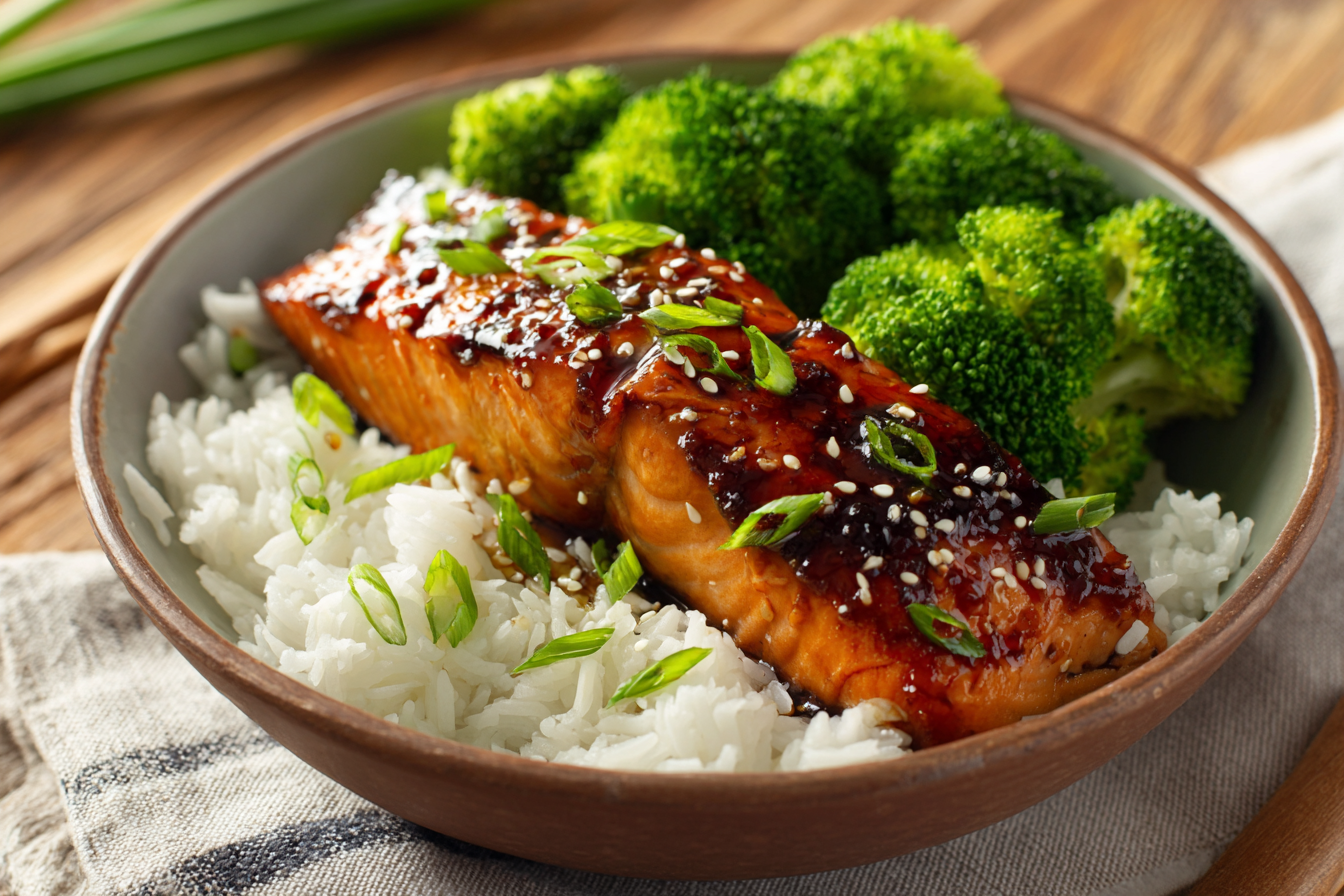
Honey Soy Glazed Salmon With Rice and Greens
Cuisine: Asian4
servings15
minutes20
minutes408
kcalTender baked salmon coated in a sticky sweet and salty glaze, served over fluffy rice with crisp steamed vegetables for an easy weeknight dinner.
Ingredients
4 salmon fillets (about 6 ounces each)
1/3 cup reduced sodium soy sauce
1/3 cup honey
1 tablespoon sesame oil
3 garlic cloves, minced
1 teaspoon fresh ginger, peeled and minced
2 cups cooked rice (white, brown, or jasmine)
2 cups steamed broccoli or vegetables of choice
Optional toppings: sesame seeds, sliced green onions, sliced cucumber
Directions
- Place the salmon fillets in a large zippered bag or shallow dish. In a medium bowl, whisk together the soy sauce, honey, sesame oil, minced garlic, and fresh ginger until well combined. Pour about half of this marinade mixture over the salmon fillets, making sure each piece is coated. Seal the bag or cover the dish and refrigerate for at least 15 minutes, or up to 4 hours if you have time.
- While the salmon marinates, preheat your oven to 375°F. Line a baking sheet with parchment paper, aluminum foil, or a silicone baking mat to prevent sticking and make cleanup easier. This is also a good time to start cooking your rice according to package directions so everything finishes at roughly the same time.
- Remove the salmon from the marinade and place the fillets skin-side down on your prepared baking sheet, spacing them a few inches apart. You can discard the used marinade or add it to the sauce you’ll be reducing in the next step. Bake the salmon for 15 to 20 minutes, depending on thickness, until it reaches an internal temperature of 145°F at the thickest part. If you want crispy, caramelized edges, turn on the broiler for the last minute of cooking, watching carefully to prevent burning.
- While the salmon bakes, pour the remaining unused marinade into a small saucepan and place it over medium-high heat. Bring the sauce to a boil, then reduce the heat to medium-low and let it simmer for 3 to 4 minutes until it thickens and becomes glossy. The sauce should coat the back of a spoon when it’s ready. Keep a close eye on it because the honey can burn quickly if left unattended.
- Steam your vegetables during the last 5 to 7 minutes of the salmon’s cooking time. You can do this in the microwave with a bit of water in a covered bowl, or use a steamer basket on the stovetop. Cook just until the vegetables are tender but still have some crunch, as overcooked vegetables get mushy and lose their appeal.
- To assemble your bowls, start with a base of cooked rice divided among four serving bowls. Arrange your steamed vegetables on one side of each bowl. Place a salmon fillet on the other side of the rice, making sure to include any caramelized bits from the baking sheet as these are packed with flavor.
- Drizzle the thickened glaze generously over the salmon, letting some of it drip down onto the rice and vegetables. Don’t be shy with the sauce because it’s the star of this dish and brings everything together.
- Finish each bowl with your choice of toppings such as sesame seeds, sliced green onions, or cucumber slices. Serve immediately while everything is hot. Store any leftovers in separate airtight containers in the refrigerator for up to two days, and reheat gently to avoid drying out the fish.
Notes
- You can use frozen salmon for this recipe as long as it’s completely thawed and patted dry before marinating. Thaw overnight in the refrigerator or place sealed salmon in cold water for about 30 minutes.
- If you prefer less sweetness, reduce the honey to 1/4 cup. For more heat, add a pinch of red pepper flakes to the marinade or serve with spicy mayo made from regular mayo mixed with sriracha.
- The marinade can be made up to 2 days ahead and stored in the refrigerator. You can also marinate the salmon up to 8 hours in advance, though 15 minutes to 4 hours is ideal for the best texture.
- For a sushi-rice style base, mix 2.5 tablespoons rice vinegar, 1/2 tablespoon sugar, and 1/4 teaspoon salt into your cooked rice while it’s still hot.
- This marinade also works beautifully with chicken. Use boneless chicken breasts or thighs and marinate for closer to 1 hour, then increase baking time until the chicken reaches 165°F internally.
Frequently asked questions
Q: Can I make this recipe without the ginger?
A: Yes, you can skip the fresh ginger if you don’t have it on hand or don’t care for the taste. The sauce will still be delicious with just the garlic, honey, and soy sauce. Some people substitute a pinch of ground ginger instead of fresh, though the flavor won’t be quite as bright. If you’re leaving out the ginger entirely, consider adding a splash of rice vinegar or lime juice to give the sauce some extra depth.
Q: What’s the best way to tell when salmon is done cooking?
A: The most reliable method is using an instant-read thermometer to check that the thickest part of the fillet has reached 145°F. If you don’t have a thermometer, look for the flesh to be opaque and flake easily with a fork. The salmon should still be slightly glossy in the center rather than completely dry and chalky. Remember that it continues cooking for a minute or two after you remove it from the oven.
Q: Can I use this glaze on other types of fish?
A: Absolutely. This honey soy glaze works well on most firm fish like halibut, cod, or mahi-mahi. You might need to adjust the cooking time depending on the thickness of the fish you’re using. Thinner fillets will cook faster, so check them a few minutes earlier than you would salmon. The glaze is also fantastic on shrimp, though you’ll want to cook those much faster, usually just a few minutes per side in a hot pan.
Q: Why does my sauce burn when I’m reducing it?
A: Honey burns easily because of its high sugar content, so medium-low heat is important once you’ve brought the sauce to an initial boil. If your sauce starts to smell burnt or develops dark spots, it’s gotten too hot. Stir it frequently while it simmers and don’t walk away from the stove. If you’re nervous about burning it, you can reduce the heat even lower and let it simmer a bit longer to reach the thick, syrupy consistency you want.
