

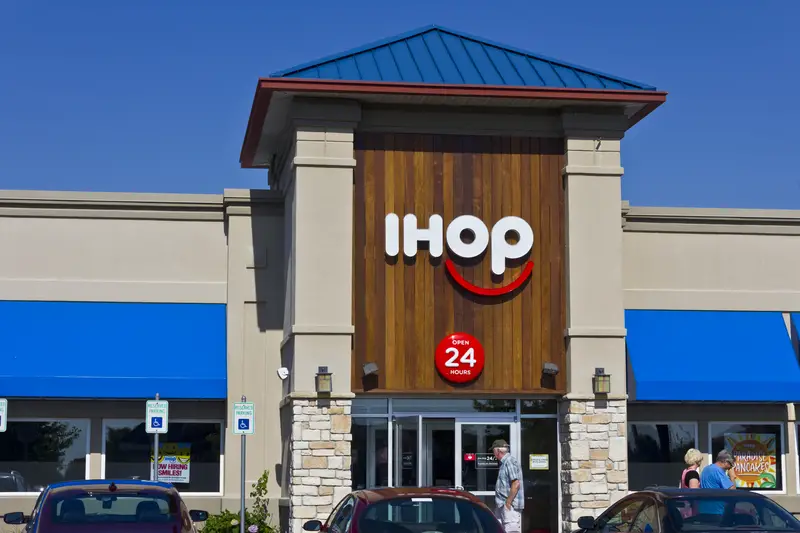
Most people think ordering an omelet at IHOP means getting a simple plate of eggs and fillings. What if you found out those eggs come with a surprise ingredient that nobody talks about? The restaurant chain has been mixing something unexpected into their egg dishes for years, and it’s not listed anywhere on the menu boards. This isn’t just a small detail either – it affects everyone from people with food sensitivities to anyone who thinks they know exactly what they’re eating for breakfast.
Your omelet comes with pancake batter mixed in
When you sit down at IHOP and order an omelet, you’re getting more than just eggs and cheese. The restaurant adds pancake batter to every omelet they make. This includes their famous buttermilk and wheat pancake mix stirred right into the eggs before cooking. The practice helps create that fluffy texture people love, but it also means anyone avoiding wheat or gluten is unknowingly eating it anyway. IHOP does mention this on their website in small print, stating that omelets and breakfast burritos get a splash of pancake batter, but most people never see this warning before ordering.
This hidden ingredient becomes a real problem for about 1% of Americans who have celiac disease, plus countless others with gluten sensitivity. These customers often choose omelets thinking they’re picking a safe breakfast option, only to end up sick later without understanding why. The batter also adds a slightly sweet taste that makes IHOP omelets different from homemade versions. If you’ve ever wondered why their eggs taste unique compared to what you make at home, now you know the answer. The restaurant continues this practice across all their locations because customers generally enjoy the fluffier texture, even though most have no idea what creates it.
The syrup isn’t actually maple syrup at all
That bottle of syrup sitting on your table looks like maple syrup and gets poured on pancakes like maple syrup, but it’s not the real thing. Nearly every IHOP location in America serves manufactured syrup made primarily from high fructose corn syrup, artificial flavors, and preservatives. Real maple syrup costs significantly more money, so the chain uses this substitute to keep their prices lower. The difference in taste is pretty obvious once you know what to look for – real maple syrup has complex notes with hints of caramel and vanilla, while the artificial version tastes much sweeter and simpler.
Only one IHOP location in the entire United States serves genuine maple syrup. Every other restaurant uses the artificial stuff that comes in those familiar bottles. For people who grew up eating real maple syrup, especially those from New England or Canada, the difference is immediately noticeable. The fake syrup has a sticky, one-note sweetness that lacks the depth real maple provides. Many customers assume they’re getting the real product because pancakes and maple syrup seem inseparable in American breakfast culture. The chain banks on this assumption, knowing most people won’t question what’s in the bottle or ask for alternatives.
Those sweet pancakes pack surprising sodium amounts
Everyone expects pancakes to be loaded with sugar and carbs, but salt probably doesn’t come to mind. IHOP’s buttermilk pancakes contain several hundred milligrams of sodium in just one serving. The salt helps preserve the batter and enhances the overall taste, but it adds up quickly when you’re trying to watch your sodium intake. A typical stack can provide a huge chunk of the 2,300 milligrams most adults should limit themselves to daily. The American Heart Association actually recommends staying closer to 1,500 milligrams for optimal health, making that innocent-looking breakfast stack more significant than most people realize.
This matters especially for anyone dealing with high blood pressure, heart problems, or kidney issues. Excess sodium can worsen these conditions, yet most customers have zero idea they’re consuming so much salt in what seems like a sweet breakfast treat. The syrup adds even more to your sodium count, along with any meat sides like bacon or sausage. By the time you finish a typical IHOP breakfast with pancakes, eggs, and sides, you might have already hit your entire day’s worth of recommended sodium before lunch. The restaurant doesn’t highlight these numbers on their menu, so unless you specifically look up nutrition information online, you’re eating blind.
Quality changes drastically between different locations
Walking into an IHOP in one city might give you a completely different experience than visiting another location down the road. Some restaurants serve decent food with good service, while others have serious quality problems. Customer reviews reveal wildly inconsistent experiences, with some locations getting praised and others getting torn apart online. One review of an IHOP in Denver mentioned pancakes made with very bad quality flour that tasted just okay at best. When the restaurant’s literal name includes the word pancakes, you’d think they’d be exceptional everywhere, but that’s not always the case.
Beyond food quality, some locations have cleanliness issues that would make anyone lose their appetite. Customers have reported finding crayons and used forks under tables, suggesting cleaning between guests isn’t thorough. Service quality also varies dramatically, with some servers described as pleasant but confused, while others completely ignore special requests or occasions. These problems point to management and training inconsistencies across the chain. What you get depends heavily on which location you visit, making IHOP more of a gamble than a reliable breakfast destination. The corporate standards clearly aren’t being enforced equally everywhere.
Their griddles get cooked on without any grease
Most home cooks automatically grab butter or oil before making pancakes, assuming you need fat on the cooking surface to prevent sticking. IHOP does things completely differently though. Their griddles don’t get slicked with butter, oil, or any other fat you’d normally expect. Instead, they use well-seasoned griddles maintained at specific temperatures that allow cooking without added fats. This technique requires precise temperature control and properly cared-for cooking surfaces that have been seasoned over time. The result is pancakes with evenly browned exteriors that aren’t greasy at all.
This cooking method partly explains why IHOP pancakes look and feel different from the ones you make at home. Homemade pancakes cooked on buttered or oiled surfaces develop a different type of browning and texture compared to the restaurant version. The edges come out differently, and the overall appearance changes when fat is involved in the cooking process. IHOP’s method creates that distinctive look customers recognize immediately. It’s one of those restaurant secrets that seems simple but actually requires specific equipment and knowledge to pull off correctly. Your home griddle probably can’t replicate this exactly unless you season it properly and nail the temperature control.
They serve millions of pancakes every single year
The sheer number of pancakes IHOP cranks out is almost unbelievable. Across their nearly 1,850 locations worldwide, they serve millions upon millions of pancakes annually. On a busy Saturday morning, a single restaurant might cook thousands of pancakes before the lunch rush even starts. This massive production explains why they need standardized processes and ingredients that might seem weird to regular home cooks. Everything has to work efficiently when you’re cooking at this scale, from the batter recipe to the griddle temperature to how long each pancake sits before getting plated.
The numbers get even crazier during their annual National Pancake Day promotion. On this single day, IHOP locations collectively give away millions of free short stacks to customers. The event has become so popular that it raises money for children’s charities, bringing in over 30 million dollars since it started. Lines wrap around buildings as people wait for their free pancakes, putting enormous pressure on kitchen staff to keep up with demand. This volume requirement is why IHOP relies on efficient cooking methods and standardized recipes, even when those standards include surprising ingredients or techniques that customers might question if they knew about them.
A secret menu exists with unusual items
While most people stick to the regular menu, IHOP actually has secret items that never appear on the official boards. These hidden options range from creative pancake combinations to weird savory dishes that sound made up until you actually order them. Not every employee knows about these secret menu items, so your success ordering them depends on which server you get and how familiar they are with off-menu requests. Some locations are more willing to make these items than others, and you might need to describe what you want instead of just saying the name.
Popular secret items include the Cinn-A-Stack, which features pancakes inspired by cinnamon rolls with extra sweetness and spice. There are also bizarre savory options like an omelet filled with onions and French fries – which still contains that pancake batter mixed into the eggs. The availability changes based on location, and some restaurants flat-out refuse to make anything not on the official menu. If you’re bored with the standard offerings, asking about secret menu items can make your visit more interesting. Just be prepared for confused looks from servers who have never heard of what you’re requesting.
Breakfast burritos also contain the batter mixture
The pancake batter surprise doesn’t stop at omelets. IHOP also adds their buttermilk and wheat pancake mix to breakfast burritos and bowls. Any egg-based breakfast item on their menu likely contains this hidden ingredient, making it nearly impossible to order a gluten-free egg dish unless you specifically request eggs without the added batter. Even then, there’s no guarantee the kitchen staff will remember or understand why you’re making this request. The batter has become so standard in their cooking process that removing it requires extra steps and attention most busy kitchens don’t have time for during the morning rush.
This widespread use of pancake batter in savory dishes creates problems for more than just gluten-sensitive customers. Anyone counting carbs or watching their sugar intake gets thrown off by this unlisted ingredient. The nutrition information available online might not fully account for how much the batter changes the final dish’s nutritional profile. People with wheat allergies face potential reactions from eating what they assumed was a safe breakfast burrito. The fact that IHOP only mentions this practice in fine print on their website, rather than clearly on menus or when taking orders, leaves customers making uninformed decisions about their food.
Temperature control creates their signature pancake look
Getting pancakes that look perfectly golden and uniform every single time requires more than just good batter. IHOP maintains their griddles at very specific temperatures that create consistent browning without burning or undercooking. This precision is harder to achieve at home where most people use stovetop griddles or pans with less reliable heat distribution. The restaurant’s commercial equipment holds steady temperatures across the entire cooking surface, preventing those annoying hot spots that make some pancakes darker than others. Combined with their no-grease cooking method, this temperature control produces the distinctive appearance IHOP pancakes are known for.
The cooking technique also affects texture in ways most customers don’t think about. The right temperature creates a slightly crispy exterior while keeping the inside fluffy and moist. Too hot and the outside burns before the middle cooks through. Too cool and you get pale, dense pancakes that taste more like bread than the light breakfast food people expect. IHOP trains their cooks to recognize the proper griddle temperature and adjust as needed throughout the day. This attention to detail separates restaurant pancakes from homemade versions, even when you’re using the exact same batter recipe.
Next time you visit IHOP, you’ll know exactly what’s happening behind the scenes with their food. The pancake batter in the eggs, the fake maple syrup, and the surprisingly high sodium all add up to a breakfast that’s quite different from what most people assume they’re ordering. Whether these secrets bother you depends on your dietary needs and expectations. Anyone with food sensitivities should definitely ask detailed questions before ordering, since that simple-looking omelet contains way more than just eggs and cheese.
