

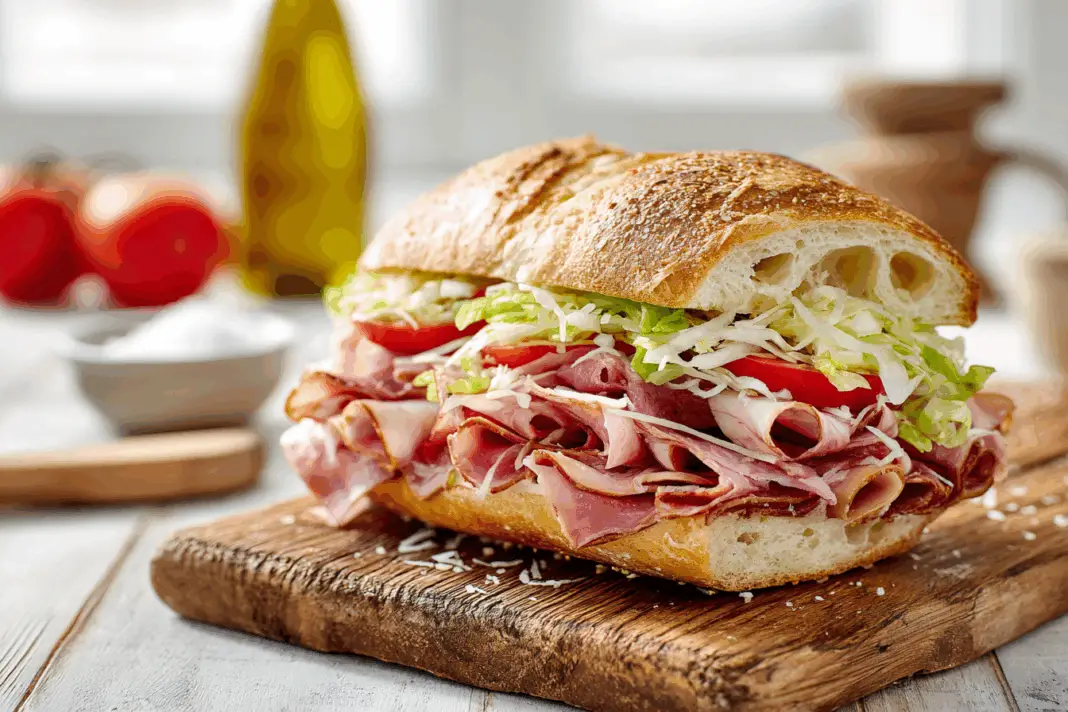
Walking into a New York deli and watching someone expertly pile meat after meat onto a hero roll is something special. That first bite when you get home, oil dripping down your hands, everything tasting better than you remembered—that’s what a real Italian sub is all about. Most people think it’s just about throwing cold cuts on bread, but there’s actually a method to making these sandwiches truly amazing. The bread needs to be just right, the meats sliced paper-thin, and the toppings need proper preparation. After making hundreds of these Italian heroes over the years, the secrets aren’t that complicated once you know them.
Getting the right bread makes everything better
The foundation of any good Italian sub starts with proper bread. You want something crusty on the outside but soft enough inside to hold all those ingredients without falling apart. A 12-inch Italian hero roll with sesame seeds is traditional, but ciabatta works great too because it’s sturdy with a nice open crumb. If you can’t find authentic rolls, get a full loaf of Italian bread from your bakery and cut it into sections. The bread shouldn’t be too dense like a baguette, or it’ll be too hard to bite through.
Here’s something most people don’t do—scoop out some of the inside bread after you slice it open. This creates a cavity for all your ingredients and prevents the sandwich from becoming a towering mess that’s impossible to eat. New York delis have been doing this for decades, long before anyone cared about cutting carbs. It just makes for a better sandwich that you can actually get your mouth around. Toast the bread lightly if you want extra crunch and to help prevent sogginess later.
Multiple meats create the best combination
The meat selection separates an okay Italian sub from an outstanding one. You need variety—at least three or four different types of thinly sliced deli meats. The classic combination includes capicola (which Tony Soprano fans know as gabagool), Genoa salami, pepperoni, and boiled ham. Boar’s Head makes quality versions of all these if you’re shopping at a regular grocery store. Each meat brings something different: capicola adds spice and richness, salami gives you that fermented tang, pepperoni brings a kick, and ham provides a mild base.
Ask your deli counter to slice everything ultra-thin, almost see-through. This isn’t just being fancy—thin slices layer better and create a more balanced bite where you taste everything together instead of chomping through thick chunks of individual meats. For a 12-inch sub, you want about a third to half pound total of meat. Some people like mortadella in the mix too, which adds a subtle garlic taste. Layer the meats on both the top and bottom of your sandwich bread for better distribution throughout every bite.
Provolone cheese is the only correct choice
When it comes to cheese, there’s really only one answer: provolone. Not American, not cheddar, definitely not Swiss. Provolone has a mild, slightly sharp taste that complements Italian cold cuts without overpowering them. You can use mozzarella in an emergency situation, but provolone is what belongs on an authentic Italian sub. Get it sliced thin at the deli counter, and don’t pile on too much—you want just enough to add creaminess without making the sandwich too rich.
Layer your cheese carefully because it’s slippery stuff. Never put cheese directly against tomatoes or everything will slide right out when you take a bite. That’s a lesson learned the hard way by anyone who’s watched their sandwich innards fall onto their plate. Put the cheese on top of the meat layers instead, which helps it stick better. Some delis will add a light layer on both the top and bottom halves of the bread, which works well for distribution. Just remember that cheese is a supporting player here, not the star of the show.
Shredded lettuce needs special treatment
Most people grab whatever lettuce is in their fridge and call it good, but that’s missing an important step. Iceberg lettuce is what you want—not romaine, not arugula, just plain iceberg. It stays crispy longer and has that classic crunch without adding weird bitter notes. But here’s the secret that makes deli sandwiches taste so much better: shred your iceberg and toss it with olive oil, red wine vinegar, dried oregano, salt, and pepper before putting it on the sandwich.
This seasoned lettuce mixture transforms from boring filler into an actual component that adds something to each bite. The vinegar gives it tang, the oregano brings Italian herb notes, and the oil helps everything meld together. Mix this right before you’re ready to assemble your sandwich so the lettuce doesn’t get soggy sitting around. Pre-shredded iceberg from the grocery store works fine if you’re short on time. Just give it a good toss with your seasonings and pile it high on your sandwich.
Onions and tomatoes need proper preparation
Raw onions can be harsh and overpowering if you don’t handle them right. Slice them paper-thin—thick onion slices will dominate everything else and give you dragon breath for hours. If you find raw onions too strong, soak the slices in cold water for about 10 minutes before using them. This takes away some of the bite while keeping the crunch and flavor. Just make sure to dry them really well with paper towels or they’ll add unwanted water to your sandwich.
For tomatoes, Roma varieties work best because they’re firmer and less watery than other types. Beefsteak and heirloom tomatoes are good alternatives if that’s what you have. Slice them thin and remember that placement matters—never put tomatoes directly on cheese or you’re asking for a slippery mess. Season your tomato slices with a tiny pinch of salt and pepper before adding them to the sandwich. This simple step makes them taste so much better instead of just adding cold, bland wetness to your sub.
Peppers add the signature kick
No Italian sub is complete without some kind of pepper. Hot cherry peppers are the classic choice, giving you vinegary heat that cuts through all the rich meats and cheese. You can buy whole cherry peppers in jars—just remove the stems and seeds, then slice them up. If you’re short on time or don’t want to deal with whole peppers, Cento makes a hoagie spread that’s basically chopped cherry peppers ready to use. Mezzetta brand peppers are another solid option available at most grocery stores.
If you can’t handle heat, roasted red peppers give you sweet pepper taste without the burn. Tuscan peppers are a middle-ground option with some spice but not as intense as cherry peppers. The vinegar brine from jarred peppers is gold too—don’t throw it out. A little drizzle of that brine on your sandwich adds extra tang and authentic deli taste. How much pepper you add depends on your heat tolerance, but even mild versions add important acidity that balances the fatty meats and cheese.
The oil and vinegar mixture ties everything together
This is where an Italian sub really comes alive. Mix olive oil and red wine vinegar together in a ratio of about three parts oil to four parts vinegar. Some people like it more oily, others prefer more vinegar—adjust based on your taste. Keep this mixture in a squeeze bottle if you make these sandwiches regularly. It makes it super easy to distribute evenly and let people add more at the table if they want. Red wine vinegar is important here; don’t substitute balsamic or white vinegar because they taste completely different.
Drizzle this mixture generously on both the top and bottom of your bread after it’s sliced open. Don’t be shy—the bread should be pretty well soaked. This is what makes the sandwich taste like it came from an actual New York deli. The oil and vinegar penetrate the bread and all the layers, creating that signature taste where everything melds together. If you’re worried about sogginess, eat the sandwich soon after making it. That’s why these are best made fresh rather than prepared hours ahead.
Assembly order actually matters
How you stack everything isn’t random if you want the sandwich to hold together and taste right. Start by drizzling your oil and vinegar on the bread, then add your cheese layer. Put the meats on next, layering them on both the top and bottom halves of the bread. This creates a good base that won’t slide around. Add your tomato slices on top of the meat (not touching the cheese), then pile on your seasoned shredded lettuce.
Top the lettuce with your sliced onions and peppers, then give everything another good drizzle of the oil and vinegar mixture. To close the sandwich without everything falling out, place your knife lengthwise on top of all the ingredients and press down gently while folding the top piece of bread over. This compresses everything slightly and helps it stay together. If you want to go full deli-style, wrap the whole thing tightly in parchment paper before cutting it in half. This holds everything in place and makes it easier to eat without creating a mess.
Making it ahead or eating it fresh
Italian subs taste best when eaten within an hour or two of making them. The bread stays crusty, the lettuce stays crisp, and everything has that fresh deli quality. That said, you can make them a few hours ahead if needed. Wrap them tightly in parchment paper or plastic wrap and keep them in the fridge. The bread will soften as it absorbs the oil and vinegar, which some people actually prefer. Just know that the lettuce won’t be quite as crispy.
If you’re planning to make these for lunch the next day, consider keeping the seasoned lettuce mixture separate and adding it right before eating. This keeps things from getting soggy overnight. You can prep all your other ingredients ahead—slice the meats and cheese, prepare the onions and tomatoes, mix your oil and vinegar. Then assembly takes just a few minutes when you’re ready to eat. These sandwiches don’t freeze well though, so only make what you’ll eat within a day or two.
Making a real Italian sub at home beats ordering from most sandwich shops once you know the techniques. The keys are quality ingredients, proper preparation of the lettuce and vegetables, and not being stingy with the oil and vinegar. Everything comes together in about 10 minutes once you have all your ingredients ready. These sandwiches are filling enough that you don’t really need sides, though chips are always a good addition. Next time you’re craving a loaded Italian sub, skip the takeout and make one yourself that’s even better.
Classic Italian Sub Sandwich
Cuisine: Italian2
sandwiches15
minutes5
minutes650
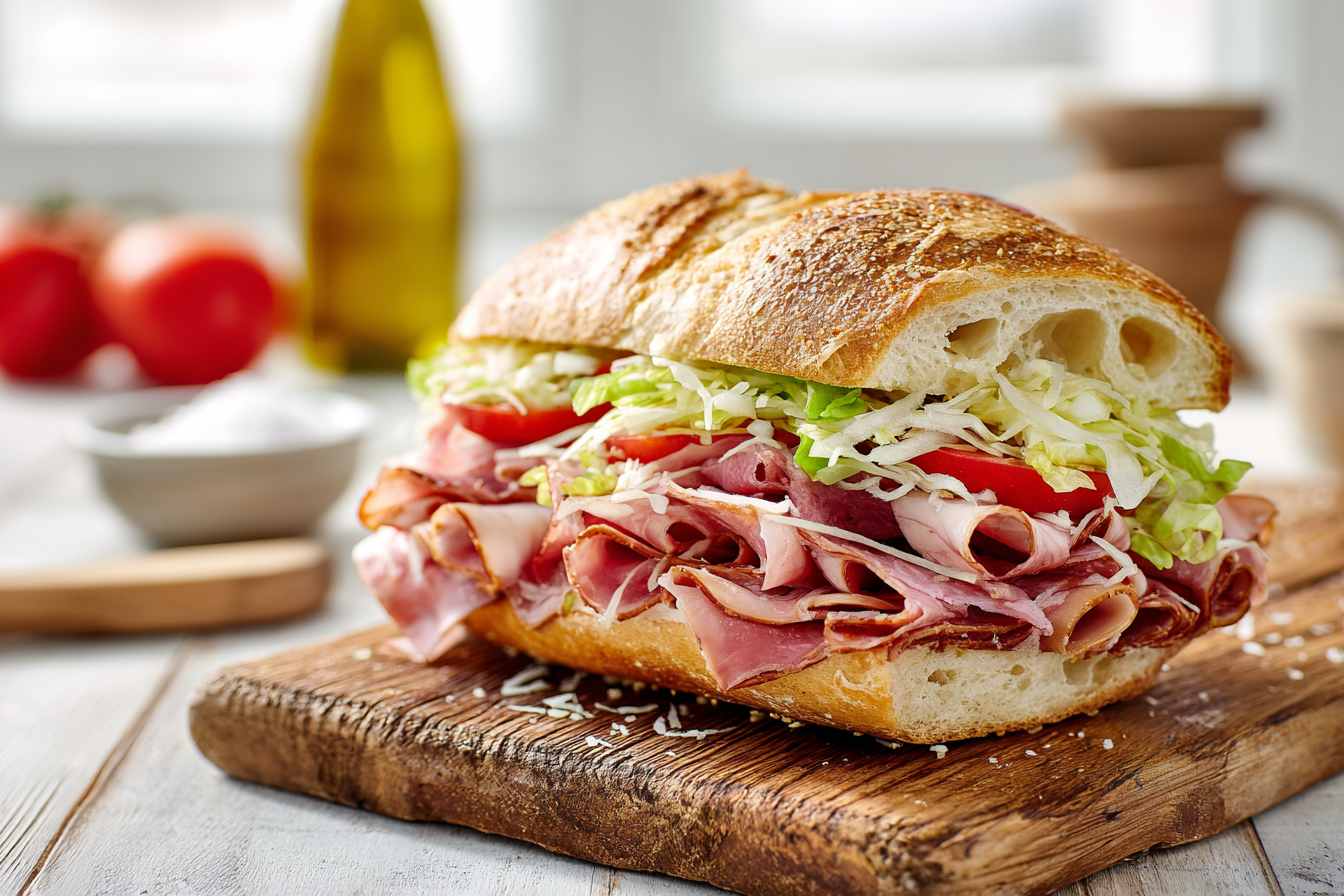
kcalA loaded Italian sub with multiple meats, provolone cheese, and seasoned shredded lettuce piled high on crusty bread with oil and vinegar.
Ingredients
2 Italian hero rolls or ciabatta breads (12-inch)
1/4 pound capicola, sliced paper-thin
1/4 pound Genoa salami, sliced paper-thin
1/4 pound boiled ham, sliced paper-thin
1/4 pound pepperoni, sliced thin
6 slices provolone cheese
2 cups shredded iceberg lettuce
2 Roma tomatoes, sliced thin
1/2 red onion, sliced paper-thin
1/4 cup sliced hot cherry peppers or banana peppers
1/4 cup roasted red pepper strips
6 tablespoons olive oil
4 tablespoons red wine vinegar
1 teaspoon dried oregano or Italian seasoning
Salt and black pepper to taste
Directions
- Place the shredded iceberg lettuce in a large bowl. Drizzle with 2 tablespoons of olive oil and 1 tablespoon of red wine vinegar. Add the dried oregano, a pinch of salt, and black pepper. Toss everything together until the lettuce is well coated and set aside.
- If desired, lightly toast your bread by placing it cut-side up on a baking sheet at 400°F for about 4 minutes. This adds crunch and helps prevent sogginess. Once toasted, scoop out some of the soft interior bread to create a cavity for the fillings.
- Mix the remaining 4 tablespoons of olive oil with 3 tablespoons of red wine vinegar in a small bowl or squeeze bottle. Drizzle this mixture generously on both the top and bottom cut sides of each bread roll. The bread should be well moistened but not completely soaked through.
- Begin layering on both the top and bottom halves of the bread. Start with the provolone cheese slices, then add the sliced tomatoes on top of the cheese. Season the tomatoes lightly with salt and pepper if desired.
- Layer all the meats on both halves of the bread, alternating between the capicola, salami, ham, and pepperoni. Fold or bunch the slices slightly as you layer them to create volume and texture. Make sure both the top and bottom pieces have equal amounts of meat.
- Pile the seasoned shredded lettuce mixture high on the bottom half of the sandwich. Top the lettuce with the sliced red onions, roasted red pepper strips, and hot cherry peppers or banana peppers according to your taste preference.
- Give the assembled ingredients one more light drizzle of the oil and vinegar mixture. To close the sandwich without everything falling out, place a long knife or spatula lengthwise over the ingredients and gently press down while bringing the top piece of bread over to close it.
- Wrap the completed sandwich tightly in parchment paper if desired, which helps hold everything together. Cut the sandwich in half using a serrated knife with a sawing motion. Serve immediately for the best texture and crispness, or refrigerate wrapped for up to a few hours.
Notes
- Iceberg lettuce stays crispiest and is traditional for Italian subs. Don’t substitute with romaine or other greens as they wilt quickly and change the texture.
- Ask your deli counter to slice all meats paper-thin or use the thinnest setting. This creates better layering and more balanced bites throughout the sandwich.
- Roma tomatoes are less watery than other varieties, making them ideal for sandwiches that won’t get soggy as quickly.
- If raw onions are too strong for your taste, soak the sliced onions in cold water for 10 minutes, then dry them thoroughly with paper towels before using.
- Red wine vinegar is essential for authentic taste. Don’t substitute balsamic, white, or apple cider vinegar as they have very different flavor profiles.
- For best results, toss the lettuce with seasonings right before assembling to maintain maximum crispness. If making ahead, keep the seasoned lettuce separate and add just before eating.
- These sandwiches are best eaten fresh within 1-2 hours. They can be refrigerated for up to a day but the bread will soften considerably.
Frequently asked questions
Q: Can I make Italian subs the night before?
A: You can assemble them a few hours ahead and keep them wrapped in the fridge, but the bread will soften as it absorbs the oil and vinegar. For best results, keep the seasoned lettuce mixture separate and add it right before eating to maintain crispness. The sandwich will still taste good the next day, just with softer bread and less crispy vegetables.
Q: What’s the difference between a sub, hero, hoagie, and grinder?
A: They’re all the same sandwich with different regional names. In New York, people call it a hero. Philadelphia and surrounding areas use hoagie. New England prefers grinder. The term sub or submarine sandwich is used pretty much everywhere. The sandwich itself remains the same regardless of what you call it.
Q: Do I have to use all four types of meat?
A: Not necessarily, but using multiple meats creates better depth of taste. You can use just two or three types if that’s what you have available or prefer. The traditional combination is capicola, salami, ham, and pepperoni, but mortadella or soppressata are also great options. Just aim for about a third to half pound of total meat per sandwich.
Q: Can I heat up an Italian sub?
A: Traditional Italian subs are served cold, and heating them after assembly will make the lettuce and tomatoes soggy and unappetizing. If you want a hot version, you can warm just the meats before assembling, or make a different style like a meatball sub or chicken parm hero instead. The cold preparation is what makes these sandwiches refreshing and distinctive.
