

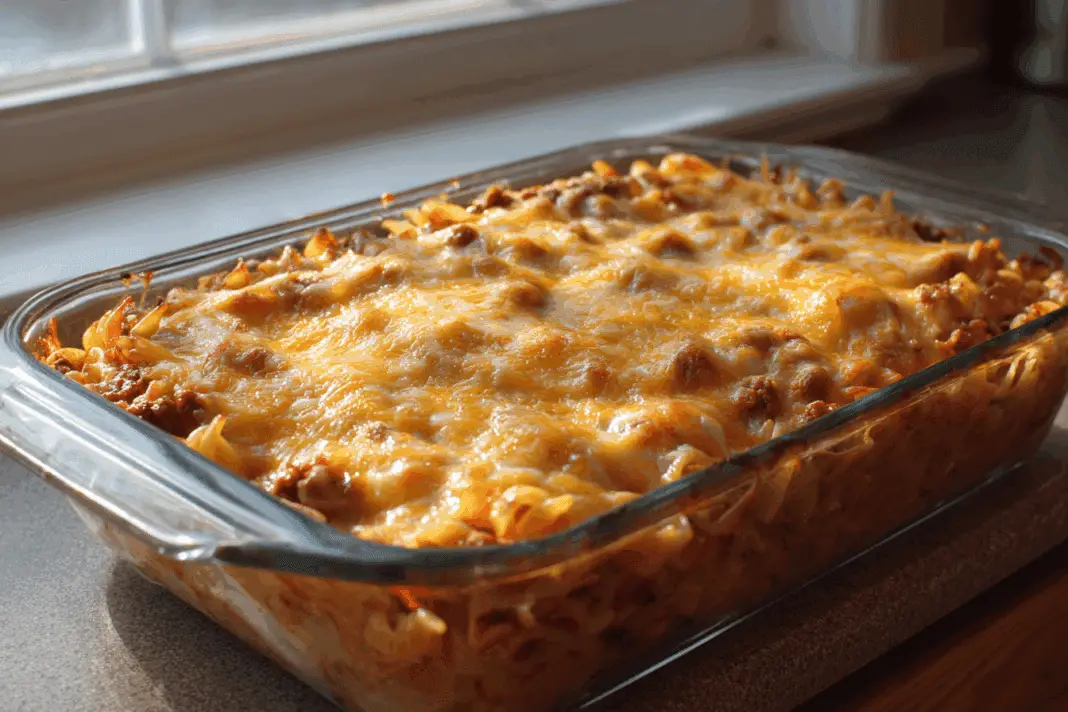
Ever wonder what happened to those old-fashioned comfort food dishes your grandparents used to make? Johnny Marzetti was once a staple in Ohio kitchens and school cafeterias throughout the mid-1900s, bringing families together over hearty casserole dinners. This baked pasta dish, loaded with ground beef, tomato sauce, and melted cheddar cheese, has quietly disappeared from most dinner tables despite being absolutely delicious and incredibly easy to make.
The story behind this forgotten Ohio favorite
The Marzetti family gets credit for creating this iconic dish back in 1896 at their restaurant in Columbus, Ohio. They named it after one of their family members, Johnny, and it quickly became a local sensation. The recipe spread throughout Ohio like wildfire, becoming especially popular in school lunchrooms where cafeteria workers loved how easy it was to prepare for hundreds of hungry students at once. The dish combines egg noodles with seasoned ground meat and tangy tomato sauce, all topped with a generous layer of melted cheddar cheese that creates a golden, bubbly crust when baked.
What made Johnny Marzetti so appealing was its simplicity and affordability. During tough economic times, families could feed a crowd without breaking the bank. The ingredients were basic pantry staples that most households already had on hand. Some versions called for Campbell’s tomato soup instead of regular tomato sauce, while others added mushrooms for extra substance. The dish was filling, comforting, and could be assembled ahead of time, making it perfect for busy weeknight dinners or potluck gatherings.
Why this casserole vanished from dinner tables
Johnny Marzetti started losing popularity for a few different reasons. Schools began pushing for healthier menu options, and this cheesy, carb-heavy casserole didn’t exactly fit the bill. The movement toward fresh ingredients and lighter meals meant that heavy casseroles fell out of favor across the board. People started preferring quicker cooking methods too, and spending time assembling and baking a casserole seemed less appealing when you could make pasta in fifteen minutes. The general decline in casserole popularity hit Johnny Marzetti especially hard since it was such a quintessentially mid-century American dish.
Another factor was the changing food landscape. As Americans became more exposed to authentic international cuisines, they started craving more sophisticated pasta dishes. Italian restaurants serving fresh pasta with homemade sauces made simple casseroles seem outdated. Younger generations didn’t grow up eating Johnny Marzetti like their parents did, so the tradition simply wasn’t passed down. The dish became associated with old-fashioned school lunch food rather than something you’d want to make at home, which definitely didn’t help its reputation.
What makes this recipe worth reviving today
Despite falling out of fashion, Johnny Marzetti deserves a comeback. This is serious comfort food that hits all the right notes when you need something warm and satisfying. The combination of tender noodles, savory meat sauce, and melted cheese creates something greater than the sum of its parts. It’s the kind of meal that makes your whole house smell amazing while it bakes, and leftovers somehow taste even better the next day. The dish also feeds a crowd easily, making it perfect for family gatherings or meal prepping for the week ahead.
The recipe is incredibly forgiving and adaptable to whatever you have in your kitchen. Don’t have ground beef? Use ground turkey or Italian sausage instead. Want to sneak in some vegetables? Add diced bell peppers, zucchini, or spinach to the meat sauce. Prefer a different cheese? Swap the cheddar for mozzarella, monterey jack, or a blend. You can make it spicier with red pepper flakes or add Italian seasoning for more depth. Traditional pasta dishes often allow for personal touches, and Johnny Marzetti is no exception to that rule.
Getting the pasta texture just right
The secret to perfect Johnny Marzetti lies in how you handle the noodles. You want to undercook them slightly when boiling because they’ll continue cooking in the oven. If you cook the pasta all the way to tender before baking, you’ll end up with mushy noodles that have lost their texture. Aim for about two minutes less than the package directions suggest. The pasta should still have a firm bite when you drain it. This ensures that after baking for thirty to forty minutes, your noodles will be perfectly tender but not falling apart.
Using egg noodles is traditional, but you can substitute with any medium-sized pasta shape. Penne, rigatoni, or rotini all work beautifully because their shapes hold onto the meat sauce. Elbow macaroni works too, though it creates a slightly different texture. Whatever pasta you choose, make sure to salt your cooking water generously. This is your only chance to season the noodles themselves, and it makes a real difference in the final dish. After draining, toss the hot pasta with a little olive oil to prevent sticking while you finish preparing the other components.
Building layers of rich tomato flavor
The meat sauce is where you can really make this dish shine. Start by browning your ground beef in a large skillet, breaking it up into small crumbles as it cooks. Don’t rush this step because properly browned meat develops much deeper taste than meat that’s just cooked through. Once the beef is nicely browned, drain off most of the fat, leaving just enough to keep things moist. Add diced onions and minced garlic, cooking until the onions turn soft and translucent. This creates an aromatic base that makes the whole dish smell incredible.
For the tomato component, you have options depending on what’s in your pantry. Traditional recipes often used tomato soup for convenience, which creates a creamier, less acidic sauce. If you prefer a more robust tomato taste, use tomato sauce or crushed tomatoes instead. Some cooks add a tablespoon of tomato paste for extra richness and depth. Season your sauce well with salt, pepper, and maybe some dried oregano or basil. Let everything simmer together for at least ten minutes so the ingredients meld together. The sauce should be thick enough to coat the pasta without being soupy, similar to a good spaghetti sauce consistency.
Choosing and melting the perfect cheese topping
Cheddar cheese is the classic choice for Johnny Marzetti, and there’s good reason for that. Sharp cheddar provides a tangy contrast to the rich meat sauce and stands up well to baking without becoming greasy. Medium cheddar works fine too if you prefer a milder taste. Shred your own cheese from a block rather than buying pre-shredded cheese. Pre-shredded varieties contain anti-caking agents that prevent smooth melting and can create a grainy texture. Freshly shredded cheese melts into that beautiful, gooey layer everyone loves.
Apply the cheese generously across the entire top of your casserole, making sure to reach all the edges. The cheese at the edges will get extra crispy and golden, creating those coveted crunchy bits that everyone fights over. For extra richness, some recipes incorporate cheese directly into the pasta mixture before topping with more cheese. You can also mix different cheeses together for more complex taste. Adding a handful of parmesan to your cheddar creates a sharper, more sophisticated result. Whatever cheese combination you choose, make sure your final layer is thick enough to create that signature golden, bubbly crust when it comes out of the oven.
Assembling and baking for optimal results
Assembly is straightforward but important to get right. Use a large casserole dish, typically a 9×13 inch baking pan, which provides the right depth for even cooking. Mix your cooked pasta with the meat sauce thoroughly, ensuring every noodle gets coated with that rich, tomatoey goodness. Transfer everything to your greased baking dish and spread it out evenly. Press down gently with a spatula to create a level surface, which helps the cheese melt uniformly across the top. This also prevents any dry pasta from poking up and burning during baking.
Bake your Johnny Marzetti uncovered at 350 degrees Fahrenheit for about thirty to forty minutes. You’ll know it’s done when the cheese is fully melted and starting to turn golden brown around the edges. The casserole should be bubbling around the sides, and you might see some of that delicious sauce peeking through the cheese layer. If you want an extra crispy cheese topping, turn on the broiler for the last two minutes of cooking. Watch it carefully though because cheese can go from perfectly golden to burnt very quickly under the broiler. Let the casserole rest for five to ten minutes after removing it from the oven so it sets up enough to serve in neat portions.
Serving suggestions and leftover storage tips
Johnny Marzetti is a complete meal on its own, but serving it with a simple side salad adds freshness and crunch. A basic green salad with Italian dressing complements the richness perfectly. Garlic bread is another classic accompaniment that lets you soak up every bit of that cheesy, saucy goodness. Some people like serving it with steamed green beans or roasted broccoli for added vegetables. The casserole is filling enough that you don’t need much else on the plate, which makes dinner planning incredibly simple.
This dish actually improves after a day in the refrigerator as all the ingredients continue melding together. Store leftovers in an airtight container in the fridge for up to four days. Reheat individual portions in the microwave or warm the whole casserole covered in a 350-degree oven until heated through. You can also freeze Johnny Marzetti for up to three months, either before or after baking. If freezing unbaked, assemble everything but add the cheese topping just before baking. Thaw frozen casserole in the refrigerator overnight before reheating. Having a pan of this in your freezer means you’re always prepared for busy weeknights when cooking from scratch feels impossible.
Making it your own with creative variations
Part of what makes Johnny Marzetti so appealing is how easily you can customize it. Try adding sliced mushrooms to the meat sauce for earthy depth and extra texture. Diced bell peppers bring sweetness and color while boosting the vegetable content. For a spicier version, add diced jalapeños or a few shakes of hot sauce to the meat mixture. Italian seasoning, dried basil, or oregano can transform the sauce into something that tastes more authentically Italian. Some people stir in a splash of Worcestershire sauce for extra umami richness that makes the beef taste even meatier.
You can also play with different meat combinations. Half ground beef and half Italian sausage creates a more complex, seasoned result. Ground turkey works for a leaner version, though you might need to add a bit more oil since it’s drier than beef. For a truly indulgent version, add cooked, crumbled bacon to the meat sauce before assembling. Vegetarians can make a meatless version using plant-based ground meat alternatives or extra vegetables like diced eggplant and zucchini. The basic formula of pasta plus sauce plus cheese is incredibly flexible, so don’t be afraid to experiment with whatever sounds good to you.
Johnny Marzetti might have faded from popularity, but it represents everything good about simple, honest comfort food. This recipe proves that sometimes the old ways are worth remembering and bringing back to modern kitchens. Give this forgotten Ohio classic a try, and you might just start a new tradition in your own home.
Classic Johnny Marzetti Casserole
Cuisine: American8
servings20
minutes40
minutes425
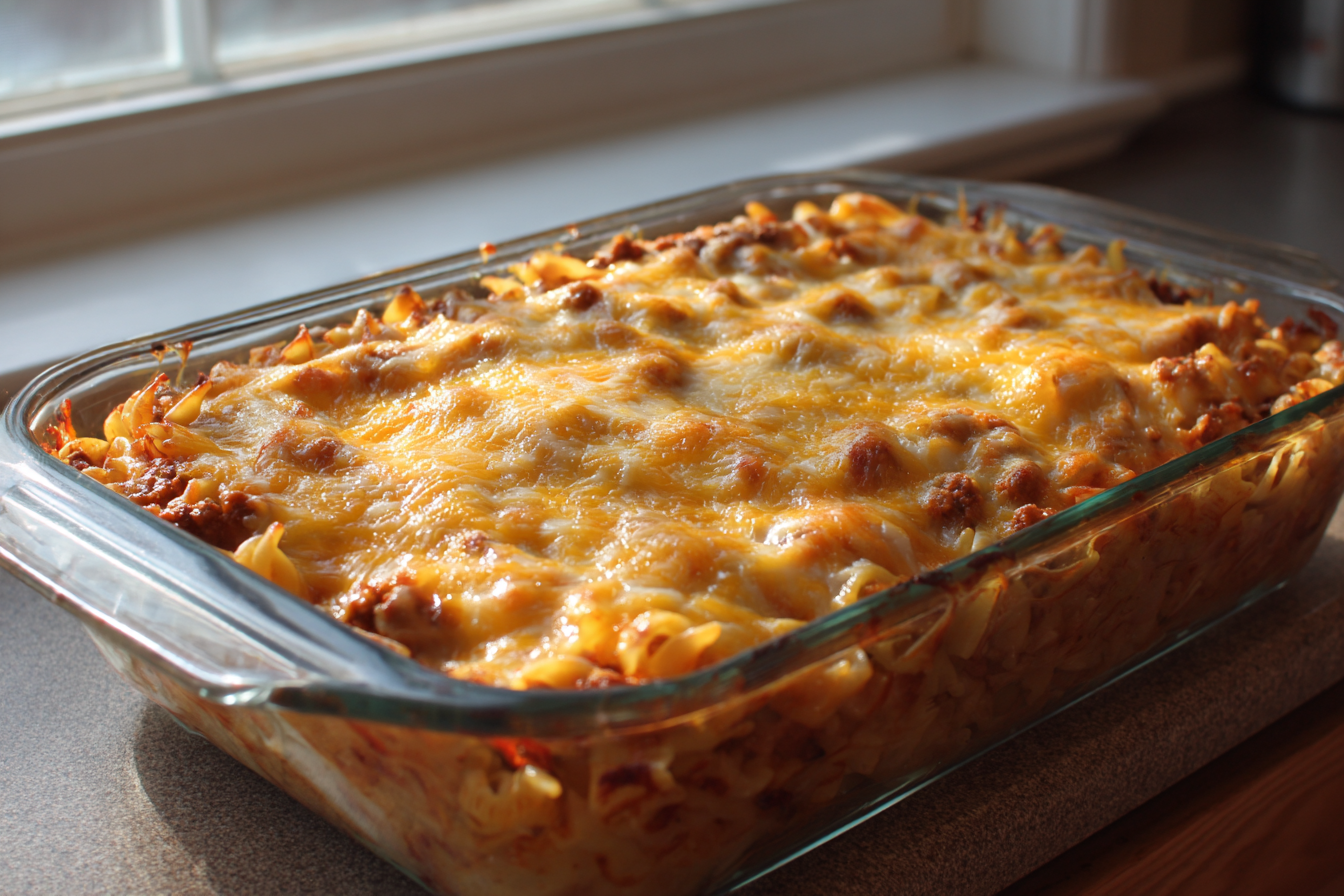
kcalThis forgotten Ohio casserole combines tender egg noodles with savory ground beef and rich tomato sauce, all topped with a blanket of melted cheddar cheese for the ultimate comfort food experience.
Ingredients
1 pound ground beef (80/20 blend)
12 ounces egg noodles
1 medium yellow onion, diced
3 cloves garlic, minced
1 can (15 ounces) tomato sauce
1 can (10.75 ounces) condensed tomato soup
2 cups shredded sharp cheddar cheese
1 teaspoon dried oregano
Salt and black pepper to taste
2 tablespoons olive oil
8 ounces sliced mushrooms (optional)
Directions
- Preheat your oven to 350 degrees Fahrenheit and grease a 9×13 inch baking dish with butter or cooking spray. Bring a large pot of salted water to a rolling boil. Add the egg noodles and cook for about 6 minutes, which is about 2 minutes less than the package directions indicate. The noodles should still be quite firm since they’ll continue cooking in the oven. Drain the noodles well and toss them with a tablespoon of olive oil to prevent sticking.
- Heat a large skillet over medium-high heat and add the ground beef. Break it up with a wooden spoon and cook for 6 to 8 minutes, stirring occasionally, until the meat is browned and no longer pink. You want nice caramelization on the beef for maximum taste. Drain off most of the fat, leaving about a tablespoon in the pan. The remaining fat will help keep your meat sauce moist and add richness to the final dish.
- Add the diced onion to the skillet with the beef and cook for 4 to 5 minutes until the onion becomes soft and translucent. Stir in the minced garlic and cook for another minute until fragrant. If you’re using mushrooms, add them now and cook for 3 to 4 minutes until they release their moisture and start to brown. The vegetables create an aromatic base that makes the whole casserole smell amazing.
- Pour the tomato sauce and condensed tomato soup into the skillet with the meat mixture. Add the dried oregano, and season generously with salt and black pepper to taste. Stir everything together and let it simmer for about 10 minutes so all the ingredients meld together nicely. The sauce should be thick enough to coat a spoon but not dry. If it seems too thick, add a splash of water or beef broth to loosen it up.
- In a large mixing bowl, combine the cooked egg noodles with the meat sauce. Toss everything together thoroughly, making sure every noodle gets coated with the rich, tomatoey meat mixture. This ensures even distribution of sauce throughout the casserole so you don’t end up with dry spots. Take your time with this step because proper mixing makes a big difference in the final result.
- Transfer the pasta mixture to your prepared baking dish and spread it out evenly with a spatula. Press down gently to create a level surface and eliminate any air pockets. This helps the casserole hold together better when you serve it and ensures the cheese melts uniformly across the top. Make sure the mixture reaches all the corners of the pan for even cooking throughout.
- Sprinkle the shredded cheddar cheese evenly over the entire top of the casserole, making sure to cover it completely from edge to edge. Use the full 2 cups of cheese for that signature thick, golden crust. Don’t skimp on the edges because that’s where you’ll get those crispy, browned cheese bits that everyone loves. Press the cheese down very lightly so it adheres to the pasta mixture.
- Bake uncovered in your preheated oven for 35 to 40 minutes until the cheese is fully melted, bubbly around the edges, and starting to turn golden brown on top. The casserole should be hot all the way through and you’ll see some sauce bubbling up around the sides. For an extra crispy cheese topping, turn on the broiler for the last 2 minutes of cooking, watching carefully to prevent burning. Remove from the oven and let it rest for 5 to 10 minutes before serving so it sets up properly and you can cut neat portions.
Notes
- You can assemble this casserole up to 24 hours in advance. Cover tightly with plastic wrap and refrigerate until ready to bake. Add an extra 10 minutes to the baking time if starting from cold.
- For a spicier version, add a diced jalapeño pepper to the meat mixture or stir in a few dashes of hot sauce. Red pepper flakes work great too if you want controllable heat.
- Leftovers keep well in the refrigerator for up to 4 days in an airtight container. Reheat individual portions in the microwave or warm the whole casserole covered in a 350-degree oven until heated through.
- This casserole freezes beautifully for up to 3 months. You can freeze it either before or after baking. Thaw overnight in the refrigerator before reheating.
- For best cheese melting, shred your own cheddar from a block rather than buying pre-shredded. Pre-shredded cheese contains anti-caking agents that prevent smooth melting.
Frequently asked questions about Johnny Marzetti
Q: Can I use a different type of pasta instead of egg noodles?
A: Absolutely! While egg noodles are traditional, you can use any medium-sized pasta shape like penne, rigatoni, rotini, or even elbow macaroni. Just remember to undercook whatever pasta you choose by about 2 minutes since it continues cooking in the oven. Shapes with ridges or tubes work especially well because they hold onto the meat sauce better than smooth pasta.
Q: How do I prevent the casserole from drying out in the oven?
A: Make sure your meat sauce has enough moisture before assembling the casserole. The sauce should be thick but not dry, similar to spaghetti sauce consistency. If it seems too thick, add a splash of water or beef broth. Also, don’t overbake the casserole. It’s done when the cheese is melted and golden, usually around 35 to 40 minutes. Covering it with foil for the first 20 minutes can help retain moisture if your oven runs hot.
Q: Can I make Johnny Marzetti without tomato soup?
A: Yes, you can use all tomato sauce instead of combining it with condensed tomato soup. You’ll need about 24 ounces of tomato sauce total to replace both the sauce and soup called for in the recipe. The soup does add a slightly creamier texture and milder tomato taste, but using all sauce works perfectly fine and creates a more robust tomato presence in the dish.
Q: What sides go well with this casserole?
A: Johnny Marzetti is filling enough to be a complete meal, but a simple green salad with Italian dressing adds freshness and balances the richness. Garlic bread is another classic choice that lets you soak up any extra sauce. Steamed green beans, roasted broccoli, or a Caesar salad also pair nicely. Since the casserole is heavy and cheesy, lighter vegetable sides work best to round out the meal.
