

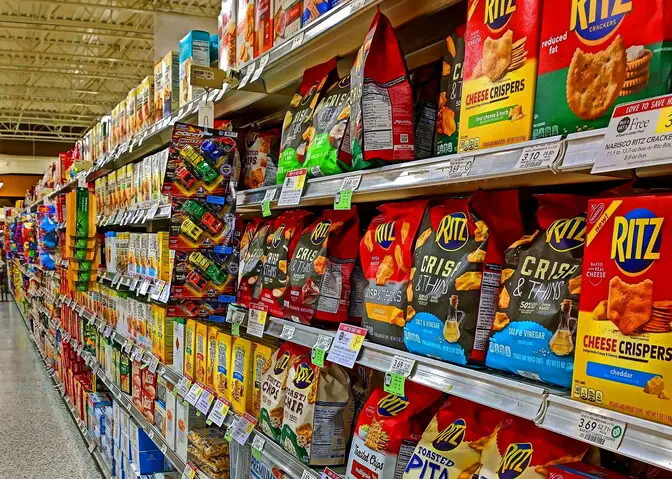
Crackers seem pretty harmless, right? They’re just crispy little squares that sit in your pantry for weeks, waiting to be paired with cheese or dunked in soup. But over the years, millions of boxes have been yanked off store shelves faster than you can say “pass the Ritz.” From metal pieces hiding in oyster crackers to peanut butter varieties mislabeled as cheese, these recalls have hit some of the biggest brands Americans trust. Some issues were serious enough to land a Class II safety warning from the FDA, while others involved allergens that could trigger life-threatening reactions. The problems range from manufacturing errors to contamination scares, proving that even the simplest snacks aren’t foolproof when they’re made by the millions.
Shearer’s Foods pulled oyster crackers over metal contamination
Back in February 2025, Ohio-based Shearer’s Foods had to recall more than 15,000 cases of oyster crackers after discovering stainless steel wire fragments might be lurking inside. These weren’t fancy crackers either—they were the basic ones you grab at Walmart or Target to sprinkle on top of your chili or clam chowder. The recall covered multiple store brands including Market Pantry, Great Value, Giant Eagle, and Vista, spreading across 24 states. Nobody wants to bite into a metal wire while eating soup, and luckily no injuries were reported at the time.
The FDA classified this recall as Class II, meaning the product could cause temporary health problems or the chance of serious issues was pretty low. Still, the company had no explanation for how the metal ended up in the crackers in the first place. If you bought oyster crackers around that time from any of those stores, you probably got a refund notice. The recall affected products shipped to major chains, making it one of the bigger cracker scares in recent memory even though most people never heard about it.
Trader Joe’s multigrain crackers contained metal fragments
Trader Joe’s fans expect quirky packaging and unique snacks, but metal shards definitely weren’t on anyone’s shopping list. In August 2023, TreeHouse Foods—the company that makes a ton of private label foods—had to recall Trader Joe’s Multigrain Crackers with Sunflower and Flaxseeds after discovering pieces of metal contamination. We’re talking about nearly 200,000 pounds of crackers across more than 13,000 cases. These were popular with the health-conscious crowd since they’re vegan and packed with seeds, making the recall especially frustrating for regular buyers.
Nobody reported getting hurt from the crackers, which was good news considering how many boxes were out there. This wasn’t even Trader Joe’s only problem that summer—just a month earlier, the chain recalled almond cookies that might contain rocks and broccoli cheddar soup potentially contaminated with insects. When you’re buying private label products, remember they often come from the same manufacturers that make other brands, so one factory issue can trigger recalls across multiple store names. If you’re a Trader Joe’s regular, checking recall notices every few months isn’t a bad idea.
Publix animal crackers had undeclared coconut allergen
Animal crackers seem like the most innocent snack on the planet—little zoo animals that kids munch on during road trips. But in 2022, Toufayan Bakery had to pull Publix GreenWise Animal Crackers from stores across seven states because they contained coconut that wasn’t mentioned anywhere on the package. Coconut is considered a tree nut by the FDA, making it one of the nine major allergens that must be clearly labeled. For people with tree nut allergies, eating these crackers could have triggered serious reactions including throat swelling or worse.
The 8-ounce pouches were sold at Publix Supermarkets throughout Florida, Alabama, Georgia, South Carolina, North Carolina, Virginia, and Tennessee. Toufayan blamed a “temporary breakdown in the production and packaging processes” for the contamination, which is corporate speak for something went wrong on the factory floor. The company didn’t report any illnesses, suggesting most people either didn’t buy the affected batches or got lucky. Still, allergen recalls are taken seriously because the consequences can be life-threatening for unlucky individuals who trust that labels tell the whole story.
Back to Nature crackers contained milk and eggs
Back to Nature Cheddalicious Cheese Flavored Crackers are supposed to be completely vegan—no cheese, no dairy, just plant-based ingredients mimicking that cheddar taste people love. The crackers are also marketed as free from GMOs, artificial colors, and high-fructose corn syrup, appealing to health-conscious shoppers who read labels carefully. So when B&G Foods discovered in 2022 that some batches actually contained milk and eggs, it was a pretty big deal for anyone avoiding animal products or dealing with dairy allergies.
The mislabeled crackers had been shipped to 13 states including Arizona, California, Colorado, Connecticut, Florida, Georgia, Indiana, Maryland, Maine, New Jersey, New York, Tennessee, and Wisconsin. B&G Foods issued the recall “out of an abundance of caution” and reported no adverse reactions at the time. But for someone with a severe milk allergy, biting into these supposedly vegan crackers could have triggered hives, wheezing, or even anaphylaxis. This kind of mix-up usually happens when different products are made on the same production line without proper cleaning in between.
Simple Mills crackers were mislabeled with wrong product
Simple Mills built its reputation on making gluten-free, allergy-friendly snacks that people with dietary restrictions can actually trust. Their Fine Ground Sea Salt Almond Flour Crackers are a staple for folks avoiding gluten, and the simple ingredient list is part of the appeal. But in 2021, someone at the company made a packaging error that could have been deadly—boxes labeled as sea salt crackers were actually filled with Farmhouse Cheddar Almond Flour Crackers containing milk. A customer discovered the mistake and alerted the company, potentially saving others from serious allergic reactions.
Only one person reported mild symptoms after eating the wrongly labeled crackers, which was fortunate given how serious milk allergies can be. Milk is actually the third most common food to cause anaphylaxis, and symptoms can appear almost immediately after consumption. The recall affected a limited number of boxes, but it highlighted how even health-focused brands can mess up when human error enters the picture. If you’re someone with food allergies, this is a good reminder to always check the actual product inside the box, not just the label.
Ritz peanut butter crackers were labeled as cheese
Ritz crackers have been around since 1934, making them one of America’s oldest and most trusted cracker brands. So when Mondelēz Global had to recall four different sizes of Ritz Peanut Butter Cracker Sandwiches in 2020, people paid attention. The problem was straightforward but potentially deadly—some packages labeled as cheese crackers actually contained peanut butter ones. For anyone with a peanut allergy, this wasn’t just annoying, it was genuinely dangerous since peanut allergies cause more allergy-related deaths than any other food.
The recall covered products ranging from 11.4-ounce packages up to 55.2-ounce bulk boxes, plus variety packs that mixed cheese and peanut butter crackers together. The FDA noted that people with peanut allergies could risk serious or life-threatening reactions by eating the mislabeled product. No injuries were reported, and the recall only affected products made at specific plants with certain best-by dates. Still, the incident showed that even the biggest food manufacturers can make labeling mistakes that put customers at risk.
Wegmans oat cookies accidentally contained wheat
Wegmans Outrageous Oat Cookies were marketed as gluten-free, making them a safe choice for people with celiac disease or gluten intolerance. The cookies contained oats, coconut, dried fruit, and walnuts—all ingredients that should be naturally gluten-free. But in early 2024, someone at the production facility accidentally added a wheat-containing ingredient to certain batches. For the gluten-free community, this kind of error isn’t just disappointing, it can cause real physical problems ranging from digestive distress to more serious complications for celiac patients.
The recall spread across eight states, and Wegmans reported no illnesses connected to the cookies. People with gluten intolerance might have experienced stomach pain, bloating, or other uncomfortable symptoms if they ate the contaminated cookies. But for celiac disease patients, consuming gluten triggers an immune response that damages the small intestine over time. Wheat allergies are different but equally serious, potentially causing breathing problems or anaphylaxis. This recall served as a reminder that “gluten-free” labels are only as reliable as the manufacturing processes behind them.
TreeHouse Foods had multiple contamination issues
TreeHouse Foods keeps popping up in recall news because they manufacture so many different products under various store brand names. Besides the Trader Joe’s multigrain crackers mentioned earlier, the company has dealt with other contamination scares involving their cracker products. When you’re producing millions of packages for different retailers, quality control becomes incredibly important. One slip-up at a TreeHouse facility can affect multiple brands simultaneously since they make crackers for different stores using similar equipment and processes.
The metal contamination incidents highlight a common problem in mass food production—foreign objects entering the supply chain during manufacturing. These can include pieces from machinery, cleaning equipment, or even harvesting tools used in the fields where ingredients originate. While manufacturers have detection systems in place, small fragments sometimes slip through. For consumers, this means that buying store-brand crackers involves the same risks as name brands since they often come from the same factories. Checking recall lists regularly is smart, especially if you buy a lot of private label products.
Manufacturing errors cause most cracker recalls
Most cracker recalls come down to human error or equipment problems during manufacturing. Mislabeling happens when workers fill boxes with the wrong product or print incorrect information on packages. Metal contamination occurs when machinery breaks down and tiny pieces fall into the food. Undeclared allergens slip in when production lines aren’t properly cleaned between different products, leaving traces of milk, eggs, or nuts behind. These aren’t problems with the cracker recipes themselves—they’re failures in the systems meant to keep food safe.
Companies usually catch these issues through their own quality checks or after customers complain about finding something wrong. The FDA requires manufacturers to report problems and issue recalls when products might cause harm. Class I recalls are the most serious, involving products that could cause severe health problems or death. Class II recalls mean temporary health issues are possible but serious harm is unlikely. Class III recalls involve products that probably won’t cause any health problems but violate FDA regulations. Understanding these categories helps you figure out how worried you should be if something you bought gets recalled.
Cracker recalls might not make headlines like meat or produce contamination, but they affect millions of households every year. The good news is that most recalls happen before anyone gets seriously hurt, thanks to quality control systems and consumer complaints. Still, if you have food allergies or dietary restrictions, these incidents are a reminder to stay alert. Check recall lists occasionally, especially if you buy a lot of store-brand products. Keep an eye on the crackers in your pantry—those best-by dates and plant codes actually matter when recalls get announced. And if something seems off about a product you bought, whether it’s the texture, taste, or what’s inside the package, don’t just shrug it off.
