

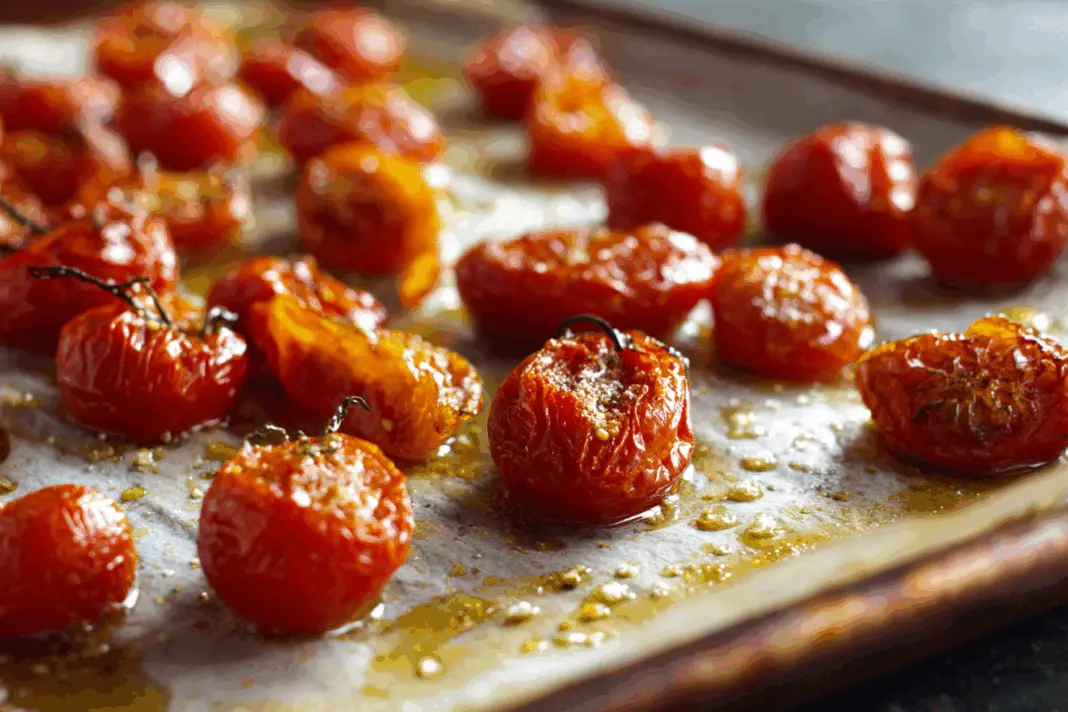
Tomatoes straight from the grocery store can be disappointing, and even great summer tomatoes sometimes pile up faster than you can eat them. Here’s something amazing: roast them low and slow in your oven, and they transform into something completely different. The natural sugars caramelize, the water content reduces, and you end up with these intensely sweet, jammy little things that make everything taste better. They’re basically magic for your refrigerator, ready to upgrade pasta, eggs, sandwiches, or anything else you’re making. Plus, your oven runs so low that it won’t heat up your kitchen.
Why this method works better than sun-dried tomatoes
Those leathery sun-dried tomatoes in jars at the store have almost nothing in common with what you’ll make at home. Store-bought versions often need rehydrating because they’re completely dried out, and many have weird chemical preservatives or too much salt. Slow-roasted tomatoes keep just enough moisture inside while concentrating all that tomato sweetness on the outside. The texture stays tender and slightly juicy, not tough or chewy.
The other big difference is taste. When you roast tomatoes yourself, they develop this sweet-tangy thing that seems almost impossible from just tomatoes, oil, and salt. Nothing gets added except heat and time, but somehow they taste like someone secretly added balsamic vinegar. Even those perfectly round, tasteless grape tomatoes from the supermarket turn into something worth eating. If you start with actual good tomatoes from a farmer’s market, you might need to sit down when you try them.
The basic ingredients are simpler than you think
You need tomatoes, olive oil, salt, and pepper. That’s it. Cherry or grape tomatoes work great because they’re already fairly sweet and their smaller size means they cook evenly. Roma or Campari tomatoes also work well if you want something slightly bigger. Some people add fresh herbs like thyme or rosemary, or throw in whole unpeeled garlic cloves, but honestly it’s not necessary. The tomatoes themselves provide all the character once they’ve had time in the oven.
The olive oil keeps everything from drying out completely and helps with the caramelization process. You don’t need expensive extra-virgin oil here since the heat will change it anyway, but use something that tastes decent. Go easy on the salt and pepper at first because the roasting process intensifies everything. You can always add more later, but you can’t take it back. The finished product will be so concentrated that a little seasoning goes a long way.
How the low temperature makes all the difference
The oven goes to either 225°F or 300°F depending on your schedule. Lower temperature means longer cooking time but also means you’re less likely to burn anything or dry them out too much. At 300°F, you’re looking at about two to three hours. At 225°F, it can take closer to three or four hours. This isn’t precise cooking where five minutes matters. You’re basically evaporating water and concentrating everything else, which happens gradually.
The low heat also means your kitchen stays comfortable even in summer. Running your oven at 400°F for an hour heats up the whole house, but these lower temperatures barely register. You can make these on a hot August afternoon without suffering. The tomatoes are done when they look shriveled and collapsed but still have some juice left inside. They shouldn’t be completely dried out like jerky. Poke one with a fork and you should see a little liquid, just not as much as when you started.
The setup takes about ten minutes total
Line a baking sheet with parchment paper to make cleanup easier. Cut your tomatoes in half lengthwise for cherry or grape varieties, or crosswise if you prefer. For larger tomatoes like Romas, cut them in half the long way so the cut side faces up. This creates a little cup shape that holds all the juices while they cook down. Arrange them on the pan fairly close together but not touching. They’ll shrink as they roast, so they don’t need much space.
Drizzle olive oil over everything and use your hands to make sure each tomato gets coated. You want them glistening but not swimming in oil. Sprinkle salt and pepper over the top. If you’re adding garlic cloves, scatter them around the pan still in their skins. The skins protect them from burning and the garlic inside gets sweet and soft. Once everything’s in the oven, you basically forget about them for a few hours. Check them once or twice if you want, but they don’t need babysitting.
Storage tricks that keep them fresh for weeks
When the tomatoes come out of the oven, tent the whole pan with aluminum foil and let them cool for at least thirty minutes. This traps steam and keeps them from drying out further. Once they’re cool, transfer them to a container and cover them completely with olive oil. The oil acts as a preservative and keeps them good in the refrigerator for about two weeks. If you added garlic, peel the cloves after roasting and store them in the oil too.
You can also freeze them for later. Spread the cooled tomatoes on a baking sheet and freeze for an hour so they don’t stick together, then transfer to freezer bags or containers. They’ll keep for several months this way. When you need them, just pull out however many you want and add them straight to whatever you’re cooking. Frozen roasted tomatoes work great in soups, sauces, and pasta dishes where they’ll get heated through anyway.
Simple ways to use them right away
The easiest thing is making crostini. Toast some bread, spread it with goat cheese or ricotta, add a few roasted tomatoes, and you’ve got an appetizer that tastes like you tried hard. They’re also perfect in omelets or scrambled eggs. Just warm them up in the pan before adding your eggs. For pasta, toss cooked noodles with the tomatoes and some of their oil, add fresh basil and mozzarella, and that’s dinner. The tomatoes are already so concentrated that they act like a sauce without needing anything else.
Sandwiches get way better with these instead of fresh tomatoes. They won’t make your bread soggy and they pack more taste into less space. Try them on grilled cheese or in a turkey sandwich with arugula. They’re great on avocado toast with some feta cheese. Some people put them on pizza before baking, or stir them into tomato soup for extra depth. You can even eat them straight from the container with a fork, which happens more often than anyone admits.
Building actual meals around them
Make a grain bowl with farro or quinoa as the base, add some grilled vegetables or roasted asparagus, throw in the tomatoes with some of their oil, and top with feta cheese. For a bean salad, mix cannellini beans with minced red onion, roasted tomatoes, and a little red wine vinegar. It’s good cold or at room temperature. You can also make a Mediterranean tuna salad by mixing canned tuna with the tomatoes, capers, and fresh chives. Serve it on crackers or in a sandwich.
They work as a topping for grilled chicken or fish too. Just spoon some tomatoes and their oil over the cooked protein. For a vegetarian option, slice eggplant into rounds, grill them, then layer with mozzarella and roasted tomatoes. Put it under the broiler until the cheese melts. The tomatoes also make polenta exciting. Cook your polenta according to the package, then top it with sautéed spinach, pine nuts, and the roasted tomatoes. The tomato oil mixes with everything and creates an actual sauce.
What to do when tomatoes are cheaper in summer
Late summer when tomatoes are everywhere and cheap is the perfect time to make a huge batch. Buy several pounds and fill up multiple baking sheets. They can all go in the oven at once if you have the space. Roast everything, let it cool, and pack it into containers for the freezer. This gives you access to summer tomatoes in January when fresh ones taste like nothing and cost too much.
If you or someone you know grows tomatoes, this method handles excess harvest without making you stand over a pot of boiling water for canning. It’s way less work than making traditional tomato sauce and the end result is more versatile. You can turn these roasted tomatoes into sauce later if you want, or use them in completely different ways. They take up less freezer space than whole tomatoes too since so much water weight is gone. Stock up when tomatoes are good and you’ll have them whenever you need them.
These roasted tomatoes do more work than almost anything else you can keep in your refrigerator. They make boring meals interesting and good meals even better. The actual process requires almost no skill and very little attention, just some time while the oven does everything. Make a batch this weekend and see how fast you go through them. You’ll probably end up making more.
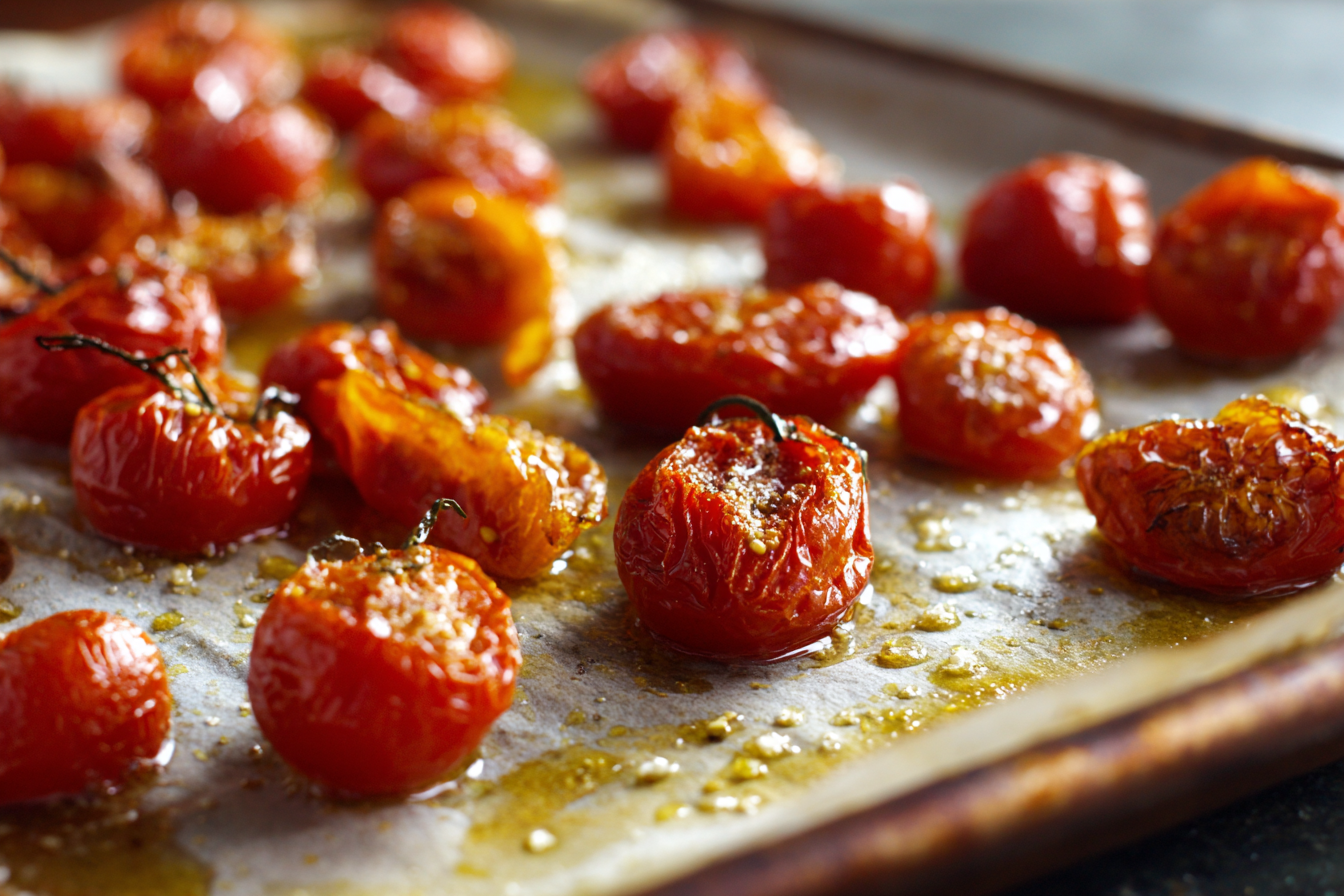
Slow-Roasted Tomatoes
Cuisine: American8
servings10
minutes3
minutes45
kcalTransform ordinary tomatoes into intensely sweet, jammy condiments that upgrade everything from pasta to sandwiches with just olive oil and time.
Ingredients
2 lbs cherry or grape tomatoes
1/4 cup extra-virgin olive oil, plus more for storing
1 teaspoon kosher salt
1/2 teaspoon freshly-ground black pepper
6-8 whole garlic cloves, unpeeled (optional)
Fresh thyme or rosemary sprigs (optional)
Directions
- Preheat your oven to 300°F and line one or two large rimmed baking sheets with parchment paper. This temperature is low enough that it won’t heat up your kitchen too much, even on a warm day. Position your oven racks in the upper and lower thirds if you’re using two pans.
- Slice the tomatoes in half lengthwise, cutting from stem end to bottom. Arrange them cut-side up on the prepared baking sheets, placing them close together but not touching. They’ll shrink considerably as they roast, so don’t worry about leaving too much space between them.
- Drizzle the olive oil evenly over all the tomatoes, then use your hands to gently toss and coat each one. The tomatoes should glisten with oil but not be swimming in it. If using garlic cloves, scatter them around the pan in their skins.
- Sprinkle the salt and pepper evenly over the tomatoes. If using fresh herbs, tuck the sprigs between the tomatoes. Go lighter on the seasoning than you think you need because the roasting process will concentrate everything.
- Roast the tomatoes for 2 to 3 hours, checking them after 2 hours. They’re done when they’ve shriveled and collapsed but still retain some juice inside. The timing varies based on tomato size and water content, so watch them rather than strictly following the clock. If using two pans, rotate them between racks halfway through.
- Remove the pans from the oven and immediately tent them with aluminum foil. Let the tomatoes cool under the foil for at least 30 minutes. This trapping of steam helps keep them moist and jammy rather than dried out.
- Once cooled, transfer the tomatoes to a storage container. If you used garlic, peel the soft cloves and add them to the container. Pour enough olive oil over the tomatoes to cover them completely, which helps preserve them.
- Store in the refrigerator for up to 2 weeks, or freeze them in smaller portions for up to 3 months. Use them straight from the fridge in any dish that needs a boost of concentrated tomato sweetness.
Notes
- You can use any small, full-bodied tomato variety including Roma, Campari, or plum tomatoes. Just adjust cooking time if using larger tomatoes.
- For a lower temperature method, roast at 225°F for 3-4 hours. The results will be similar but take longer.
- The tomatoes are done when they look shriveled but still have some juice inside when you poke them with a fork. Don’t let them dry out completely.
- If freezing, spread cooled tomatoes on a baking sheet and freeze for 1 hour before transferring to containers so they don’t stick together.
- The oil used for storage becomes infused with tomato taste and is great for cooking or salad dressings.
Frequently asked questions about roasted tomatoes
Q: Can I use regular slicing tomatoes instead of cherry or grape tomatoes?
A: Yes, but you’ll need to adjust your approach. Cut larger tomatoes into halves or quarters, arrange them cut-side up so the juices don’t run out, and expect them to take longer to roast. They’ll also release more water initially, so the cooking time might extend by an hour or more. The results will still be good, just different in texture.
Q: Do these really not heat up the kitchen much?
A: The low oven temperature genuinely makes a difference compared to regular roasting. At 300°F or lower, your oven produces much less ambient heat than it would at 400°F or 450°F. You’ll notice it’s on, but it won’t make your kitchen unbearable even in summer. The long cooking time matters less when the temperature stays moderate.
Q: Can I add other seasonings or is it better to keep them plain?
A: The basic version with just salt and pepper lets the tomato taste shine through and gives you the most versatility for using them later. That said, adding garlic, thyme, or rosemary works great if you know what you’ll use them for. Just remember that whatever you add will be concentrated by the roasting, so go lighter than normal.
Q: What’s the best way to tell when they’re actually done?
A: Look for tomatoes that have collapsed in on themselves and appear shriveled, but when you poke one with a fork you should still see some juice inside. They shouldn’t be completely dried out like jerky, but they also shouldn’t be as plump and juicy as when they went in. If you’re unsure, it’s better to pull them a little early than let them go too long.
