

Walking into your favorite grocery store used to be simple. You knew where everything was, you got in and out quickly, and the prices made sense. But lately, something feels different. Stores are making changes that have people seriously annoyed, and it’s not just one thing. From mysteriously shrinking products to confusing new layouts, shoppers are speaking up about what’s going wrong at their local markets. Some changes seem designed to make you spend more money, while others just make shopping more difficult than it needs to be.
Discount stores aren’t as cheap as they claim
Remember when discount grocery stores actually had discounts? Many shoppers are finding that these so-called bargain chains don’t live up to their names anymore. One person visited Grocery Outlet during its grand opening week and left empty-handed, frustrated that nothing seemed like a real deal. They picked up white bread for $2.50 and celery for $2, which didn’t feel like outlet prices at all. When they saw only one register open with a massive line, they ditched their items and walked out.
Other shoppers have noticed the same thing. These stores used to feel like treasure hunts where you’d find amazing surprise deals on name-brand items. Now they’re trying to stock regular groceries at slightly lower prices, but the excitement is gone. One shopper explained that their local discount store is still about 10 to 20 percent cheaper than places like Whole Foods or Safeway, which helps. But it’s not the dramatic savings people expect from a store with “outlet” in the name. The pandemic seems to have changed everything, with many discount stores raising prices and becoming more like regular grocery stores instead of true bargain destinations.
Your favorite holiday treats are getting smaller and pricier
Nothing ruins holiday cheer quite like discovering your favorite seasonal treat has shrunk. Costco shoppers noticed something off about the Kirkland Signature Peppermint Bark this year. The packages used to weigh 2 pounds, but now they’re only 1.5 pounds. That might not sound like much, but when you’re paying $15 for it (reportedly $5 more than previous years), you notice. People posted photos comparing the old thick pieces to the new thinner ones, and the difference was obvious. The new bark was so thin it snapped in half easily, while the old version looked substantial and chunky.
Someone claiming to work in the Costco bakery explained that cocoa prices have skyrocketed globally, with increases of nearly 50 percent in recent months. That’s why the price went up and the product got smaller. But knowing the reason doesn’t make it less annoying when you’re expecting the same great product you’ve bought for years. This isn’t just about peppermint bark either. People have complained that Costco’s croissants, toilet paper, and even salsa jars have gotten smaller over time. When you’re paying membership fees to shop there, these changes feel especially disappointing because you expect consistent value and quality.
Stores are forcing you to walk through the entire building
Imagine needing just milk and eggs from the east side of your local store, but now you’re required to enter through the west entrance and walk the entire length of the building. That’s exactly what’s happening at some grocery stores after renovations. One long-time customer wrote about their local store installing a one-way system where you can only enter through one door and exit through another. They’re even putting up gates to enforce it. For someone with an injury or mobility issues, this makes a quick shopping trip exhausting and painful.
The store’s logic is pretty clear: the more of the store you walk through, the more stuff you’ll buy on impulse. But this strategy ignores elderly shoppers, people with disabilities, and anyone who just wants to run in quickly for one or two items. It’s especially frustrating when you’ve shopped at the same store your whole life and suddenly it becomes an obstacle course. Some stores have also completely rearranged their layouts, moving everything around so you can’t find anything without wandering every aisle. While stores claim this keeps things fresh and interesting, most shoppers just want their bread where the bread has always been. These changes feel designed to benefit the store’s profits rather than make shopping easier for customers.
Checkout lines are getting impossibly long
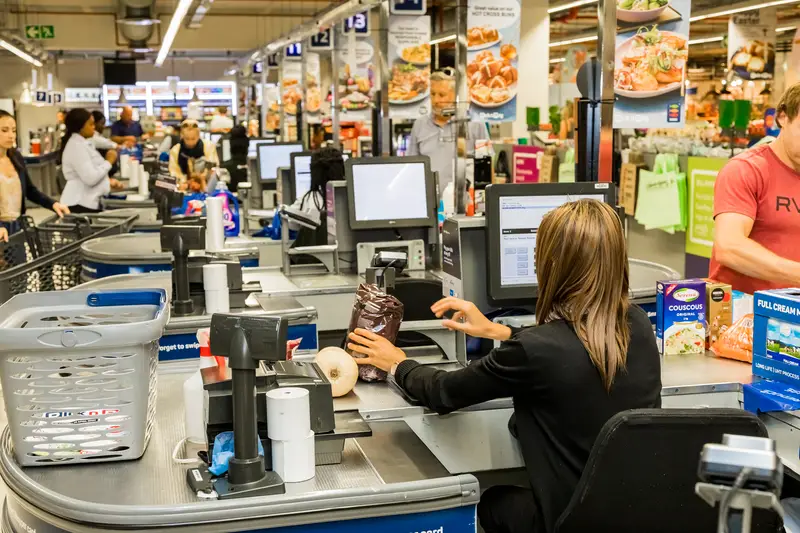
Nothing tests your patience like standing in a checkout line that barely moves. Many shoppers report that their stores are cutting back on open registers, even during busy times. That Grocery Outlet customer mentioned finding only one register open during their grand opening week, which seems crazy for a store trying to make a good first impression. When you’re juggling a busy schedule and just need to grab a few things, waiting 15 or 20 minutes to check out becomes the breaking point that makes you abandon your cart and leave.
Stores have been pushing self-checkout as the solution, but that comes with its own problems. The machines freeze up, produce codes are confusing, and age-restricted items require staff approval anyway. Plus, many people feel like they’re doing the store’s job for free while the store cuts employee hours. Some locations have started limiting self-checkout to small orders only or requiring store apps to use them. The checkout experience used to be straightforward, but now it feels like stores are making it harder on purpose. Whether it’s understaffing, confusing technology, or both, the result is the same: frustrated customers who consider shopping elsewhere because the hassle isn’t worth whatever savings they might find.
Store brands keep replacing your favorite products
Grocery stores are increasingly pushing their own store brands and reducing shelf space for the name-brand items you actually want. Walmart has expanded its Bettergoods line, and many other chains are doing the same thing. Sometimes the store brands are decent alternatives that save money, but other times they’re disappointing substitutes that don’t taste the same. The problem is when stores completely stop carrying the brand you prefer, forcing you to either settle for their version or shop somewhere else for that one item.
This shift makes sense from the store’s perspective because they make more money on their own brands. But for shoppers, it feels like losing control over your choices. You can’t vote with your wallet if the store doesn’t give you options. Some people have started shopping at multiple stores to get everything they want, which defeats the purpose of one-stop shopping. Others have switched to places like Costco or Trader Joe’s where the store brand quality is more consistent. The frustration builds when you’ve used the same product for years, know it works for you, and suddenly can’t find it anymore because the store decided their version should take over that shelf space instead.
Prices keep creeping up without explanation
You probably don’t memorize the exact price of every item you buy, but you notice when your grocery bill keeps getting higher for the same stuff. Stores have been steadily raising prices on everyday items, sometimes without any obvious reason. That $2 celery and $2.50 bread that seemed expensive at a discount store? Those kinds of prices are showing up everywhere. What used to cost $3 now costs $4, and items that were $5 are suddenly $7. These increases add up fast when you’re buying groceries for a family.
Some price increases make sense, like when cocoa or other ingredients cost more worldwide. But many times the reasons aren’t clear, and stores don’t explain why prices jump. Shoppers feel stuck because food isn’t optional, and when all stores in an area raise prices together, there’s nowhere else to go. People are comparing prices more carefully, buying store brands they used to avoid, and cutting back on items they once considered staples. The disconnect happens when stores keep raising prices while also cutting services like staff and open registers. If you’re paying more, you expect something better in return, not a worse shopping experience with longer waits and fewer choices available to you.
Everything feels cheaper in quality than before
Beyond things getting smaller, many products just don’t seem as good as they used to be. People swear their favorite items taste different or fall apart faster than the same products from a few years ago. Whether it’s produce that goes bad quicker, packaged foods that changed recipes, or paper products that feel thinner, something has shifted. Stores might carry the same brand names, but the products themselves aren’t quite the same. This makes shopping feel like a gamble because you can’t trust that what you’re buying will match your expectations.
Texas Roadhouse customers recently started wondering if the famous rolls got smaller, and soda cans are definitely getting taller and skinnier even if they hold the same amount. These subtle changes happen across lots of products, and after a while, you start questioning everything. Did paper towels always tear this easily? Was this cheese always so watery? The problem is that grocery shopping is already expensive and time-consuming, so discovering that what you bought isn’t as good as it used to be adds insult to injury. When you combine lower quality with higher prices and a more difficult shopping experience, it’s no wonder people are frustrated and looking for alternatives like online delivery or different stores entirely.
Loyalty programs are getting more complicated
Grocery stores used to have simple loyalty cards where you’d scan them and get sale prices automatically. Now these programs require apps, digital coupons you need to clip in advance, and points systems that confuse more than they help. Some stores won’t give you sale prices at all unless you have their app installed and an account set up. For older shoppers or anyone who doesn’t want every store tracking their purchases through an app, this creates a real barrier to getting decent prices.
The apps themselves often have problems. They crash, don’t load coupons properly, or require updates at inconvenient times. Some stores now require you to scan items with your phone while shopping to get deals, which is fine when it works but frustrating when the app freezes with a cart full of groceries. These systems are designed to collect data about your shopping habits, which is why stores push them so hard. But for customers, they’re just another hassle added to an already annoying experience. The simple days of showing a card and getting a discount are disappearing, replaced by technology that’s supposed to make things easier but often does the opposite for regular shoppers.
Customer service has declined noticeably
Finding someone to help you in a grocery store used to be easy. Now you can wander around looking for an employee and come up empty. Stores have cut staff while expecting the remaining workers to cover more areas, which means those employees are stretched too thin to provide good service. When you finally track someone down to ask where an item is or if they have more in the back, they’re often rushing to handle three other tasks and can’t spend time helping you properly.
This isn’t the fault of the workers themselves, who are doing their best in difficult conditions. The problem is stores cutting labor costs while still expecting great customer service, which doesn’t work. Specialty departments like deli counters and butcher sections have especially long waits or reduced hours. Some stores have eliminated certain services entirely, like carrying groceries to your car or special ordering items. The message feels clear: stores want your money but don’t want to invest in making your experience pleasant. When you combine minimal staff with confusing layouts and long checkout lines, shopping becomes something you have to endure rather than a quick errand you don’t think twice about completing.
Grocery shopping didn’t used to be this complicated or frustrating. Stores made changes that benefit their bottom line but forgot to consider how those changes affect the people who actually shop there. Whether you’re dealing with shrinking products, confusing layouts, or prices that keep climbing, the message from shoppers is clear: these changes aren’t working for regular customers. Maybe it’s time to find a different store that still values making shopping simple and straightforward instead of an exhausting obstacle course.
