

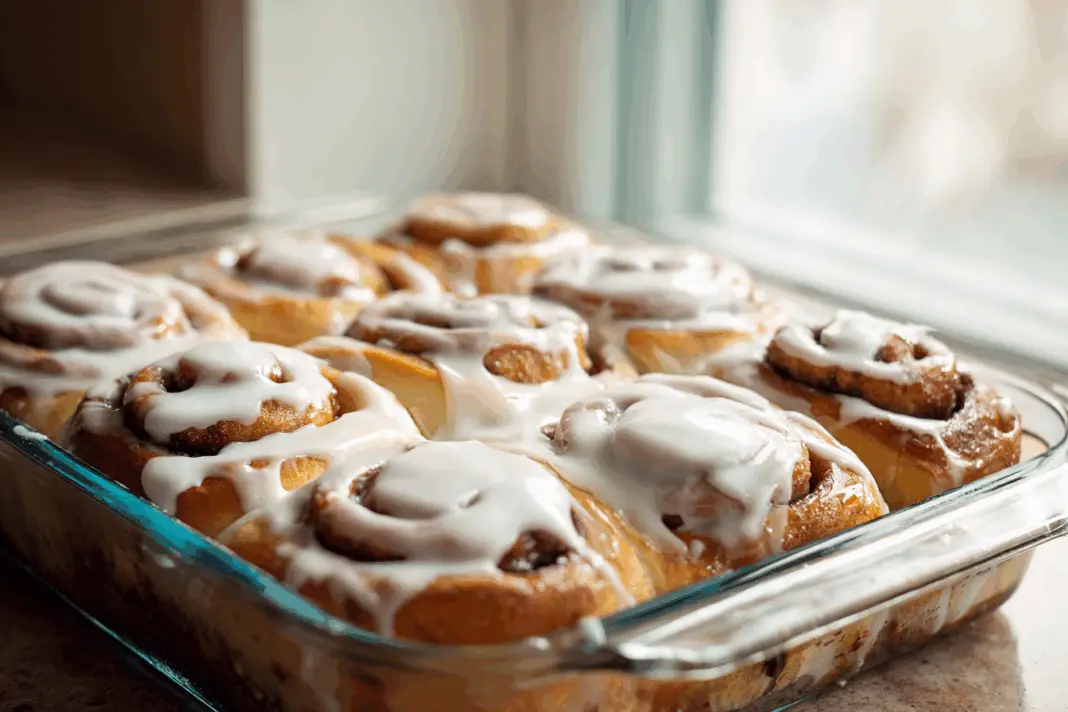
There’s something about waking up to the smell of fresh cinnamon rolls that makes everything better. Maybe it’s a weekend morning or a holiday breakfast, but these soft, pillowy rolls with sweet vanilla icing hit different than anything from a can. Making them from scratch might sound intimidating, but it’s actually pretty straightforward once you get the hang of it. The dough comes together easily, and watching it rise is oddly satisfying. Plus, you can make them ahead and bake them fresh in the morning, which means more sleep and less stress when company’s coming over.
Getting the dough just right takes patience
The secret to those super soft cinnamon rolls starts with the dough itself. Most recipes use instant yeast because it’s foolproof and doesn’t require you to wait around while it dissolves. The dough needs warm milk, not hot, because too much heat will kill the yeast and your rolls won’t rise. Room temperature eggs and softened butter help everything blend together smoothly without clumping. When you mix it all up, the dough should feel sticky at first, which is totally normal. Don’t panic and add too much extra flour or your rolls will turn out dense and dry instead of soft and pillowy.
After mixing, the dough needs time to rise in a warm spot for about an hour until it doubles in size. Some people stick it near a sunny window or on top of the fridge where it’s slightly warmer. Covering the bowl with a kitchen towel keeps the dough from drying out while it rises. If you’re working with a recipe that includes folding techniques, this extra step helps build structure and makes the rolls even fluffier. Once the dough has puffed up nicely, you’re ready to move on to the fun part—rolling and filling those babies with cinnamon sugar goodness.
Brown sugar makes all the difference in the filling
White sugar might seem like an easy swap, but brown sugar brings something special to cinnamon rolls. The molasses in brown sugar creates this rich, almost caramel-like taste that regular sugar just can’t match. Dark brown sugar has even more molasses, so if you want that deep, toffee sweetness, go for the darker stuff. Mix the brown sugar with plenty of ground cinnamon—usually about a tablespoon for every three-quarters cup of sugar. Some folks add a pinch of salt to the mixture, which might sound weird but actually makes the sweetness pop even more.
Before you sprinkle on the cinnamon sugar, you need to brush the rolled-out dough with melted butter. This helps the filling stick and adds extra richness to every bite. Make sure the butter is cooled down a bit so it doesn’t start cooking the dough when you brush it on. Spread the cinnamon sugar mixture evenly across the whole surface, leaving just a small edge bare so you can seal the roll later. Press the filling lightly into the butter so it doesn’t all fall out when you start rolling. Some recipes suggest adding a bit of softened butter mixed right into the sugar and cinnamon for an even gooier result.
Rolling and cutting without squashing the dough
Once your dough is rolled out into a rectangle and covered with filling, it’s time to roll it up into a log. Start from the long side and roll it as tightly as you can without stretching the dough too much. If the roll is too loose, you’ll get gaps between the swirls and the rolls won’t hold their shape as well. When you get to the end, pinch the seam closed so it doesn’t unroll while you’re cutting it. Position the log seam-side down on your work surface to keep everything secure.
Here’s a trick that changes everything: use dental floss or unflavored string to cut the rolls instead of a knife. A knife tends to squash the dough and mess up those pretty swirls you worked so hard to create. Slide the floss under the log, cross the ends over the top, and pull tight to slice through cleanly. Cut the log into twelve equal pieces for standard-sized rolls, or go bigger if you want fewer, chunkier rolls. Place them cut-side up in a greased baking dish, leaving a little space between each one. They’ll puff up and touch each other during the second rise, which actually helps them stay soft and tender while baking.
The second rise is not optional
After you’ve cut and arranged your rolls in the pan, you need to let them rise again for another hour or so. This step feels like torture when you’re hungry and the rolls look ready to bake, but skipping it will give you dense, heavy rolls instead of light, fluffy ones. Cover the pan loosely with a towel and find a warm spot again. The rolls should double in size and puff up until they’re touching each other in the pan. If your kitchen is cold, this might take longer than an hour, so just be patient and wait until they look noticeably bigger.
Some people like to do this second rise in the fridge overnight, which is perfect for holiday mornings when you don’t want to wake up at five in the morning to start baking. Just cover the pan tightly with plastic wrap and stick it in the fridge after cutting the rolls. The next morning, take them out and let them sit at room temperature for about thirty minutes while the oven preheats. They might not puff up quite as much in the fridge, but they’ll still turn out great. This make-ahead method is a total game-changer if you want fresh cinnamon rolls without all the early morning work.
Baking at the right temperature prevents burning
Most cinnamon roll recipes call for baking at 350 degrees Fahrenheit, which is hot enough to cook them through without burning the tops. Preheat your oven fully before the rolls go in—putting them in a cold oven will mess up the rise and give you uneven results. Bake them for about twenty-five to thirty minutes, keeping an eye on them after the fifteen-minute mark. If the tops start getting too brown before the centers are done, tent a piece of aluminum foil loosely over the pan to protect them while they finish baking.
The rolls are done when they’re golden brown on top and spring back slightly when you press them gently. The centers should look set, not doughy or wet. If you’re not sure, you can use an instant-read thermometer—the internal temperature should be around 190 degrees Fahrenheit. Let the rolls cool in the pan for about five minutes before icing them. Some people like to add a thin layer of icing while the rolls are still warm so it melts into all the nooks and crannies, then add more icing once they’ve cooled. This creates that signature gooey texture that makes homemade cinnamon rolls so irresistible.
Making vanilla icing that’s not too sweet
The icing is basically powdered sugar, butter, milk, and vanilla extract whisked together until smooth. Some recipes use cream cheese in the icing, but classic cinnamon rolls usually stick with a simple vanilla version. Start with about two cups of powdered sugar and add softened butter plus a couple tablespoons of milk. The key is adding the milk gradually so you can control the consistency. If you dump it all in at once and the icing gets too thin, you’ll have to add more powdered sugar to thicken it back up, which makes it sweeter than you might want.
For a thinner icing that drizzles nicely, add an extra tablespoon of milk. For a thicker icing that sits on top without running off, use less milk and make sure your butter is properly softened, not melted. The vanilla extract adds that bakery smell and taste, so don’t skip it. If you want to get fancy, you can add a tiny pinch of salt or use vanilla bean paste instead of extract for extra flavor. Beat the icing with a whisk or electric mixer until it’s light and fluffy, not just mixed together. This makes it easier to spread and gives it a better texture overall.
Storing leftovers without them getting hard
Fresh-baked cinnamon rolls are best eaten the same day, but if you have leftovers, storing them properly keeps them from turning into hockey pucks. Let the rolls cool completely before covering them, otherwise condensation builds up and makes them soggy. Keep them in an airtight container at room temperature for up to two days. Don’t stick them in the fridge unless you absolutely have to—cold temperatures dry out bread products faster than leaving them out on the counter does.
To reheat leftover rolls, wrap individual ones in a damp paper towel and microwave for fifteen to twenty seconds. The moisture from the paper towel helps steam them back to softness. You can also reheat them in a low oven, around 300 degrees, covered with foil to prevent drying out. If you know you won’t finish all the rolls within a couple days, freezing is your best bet. Wrap them individually in plastic wrap, then put them all in a freezer bag. They’ll keep for up to a month frozen. Thaw them overnight in the fridge, then reheat before eating. The texture won’t be quite as perfect as fresh, but it’s pretty close.
Why instant yeast works better than active dry
Instant yeast and active dry yeast are both common in bread recipes, but instant yeast is more forgiving for beginners. The main difference is that instant yeast has smaller granules and doesn’t need to be dissolved in water first. You can mix it right in with the flour, which saves a step and reduces the chance of something going wrong. Active dry yeast used to require proofing in warm water to wake it up, though modern versions work more like instant yeast than older formulas did.
If you only have active dry yeast on hand, you can still use it in most cinnamon roll recipes without major changes. Just dissolve it in the warm milk with a pinch of sugar and wait a few minutes until it gets foamy before adding the other ingredients. This proves the yeast is alive and active, which gives you peace of mind that your dough will actually rise. Instant yeast brands like Fleischmann’s or Red Star are easy to find in most grocery stores. Keep opened yeast in the fridge or freezer to extend its shelf life—old yeast that’s lost its power won’t make your dough rise properly, no matter how carefully you follow the recipe.
When to use bread flour versus all-purpose
Most cinnamon roll recipes call for all-purpose flour because it’s what everyone has in their pantry and it works perfectly fine. All-purpose flour has a moderate protein content that gives you soft, tender rolls without too much chew. Bread flour has more protein, which develops more gluten and creates a chewier texture. Some people prefer bread flour for a slightly more structured roll that holds up better to all that gooey filling and icing. Either option works, so it really comes down to what texture you like best and what you have available.
If you decide to use bread flour, don’t change any other measurements in the recipe—just swap it one-for-one with the all-purpose flour. Your rolls might rise a little higher and have more of that bakery-style chew to them. Whole wheat flour is a different story and doesn’t work as a straight substitution because it absorbs more liquid and makes the dough denser. Stick with white flour for the fluffiest results. When measuring flour, spoon it into the measuring cup and level it off instead of scooping directly from the bag, which packs it down and gives you too much flour. Too much flour is one of the most common reasons homemade rolls turn out dry and tough instead of soft.
Making cinnamon rolls from scratch takes a bit of time, but most of that is just waiting for the dough to rise. The actual hands-on work is pretty simple, and the results blow away anything you can buy at the store. Whether it’s a special occasion or just a lazy Sunday morning, fresh cinnamon rolls with vanilla icing make everything feel a little more special. Once you’ve made them a few times, the process becomes second nature and you’ll wonder why you ever bothered with the refrigerated tubes.
Frequently asked questions
Q: Can I use active dry yeast instead of instant yeast?
A: Yes, active dry yeast works fine in this recipe. Dissolve it in the warm milk with a pinch of sugar and wait until it becomes foamy before adding the other ingredients. This proves the yeast is active and will help your dough rise properly.
Q: Why is my dough so sticky after mixing?
A: The dough is supposed to be sticky at first—that’s what makes the rolls soft and fluffy. Resist the urge to add too much extra flour. Chilling the dough after the first rise makes it much easier to work with when rolling it out.
Q: Can I make these rolls the night before and bake them in the morning?
A: Absolutely. After cutting the rolls and placing them in the pan, brush the tops with melted butter, cover tightly with plastic wrap, and refrigerate overnight. Let them sit at room temperature for about 30 minutes while the oven preheats, then bake as directed.
Q: How do I reheat leftover cinnamon rolls without drying them out?
A: Wrap individual rolls in a damp paper towel and microwave for 15-20 seconds. The moisture from the paper towel helps steam them back to softness. You can also reheat them in a 300°F oven covered with foil.
