

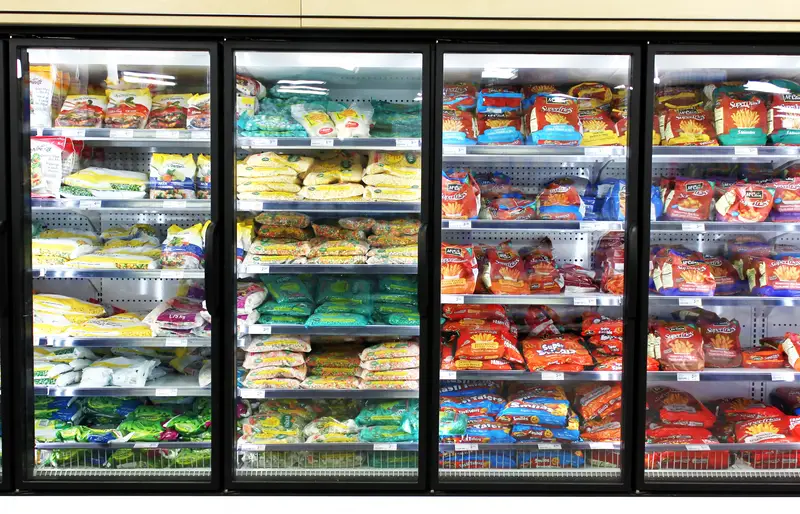
Grocery shopping feels more stressful than it used to be. Every week, something else seems to cost more than it did last month. With all the talk about tariffs and import changes, frozen food prices are expected to climb higher in the coming months. The good news is that frozen foods last a long time, which means you can stock up now and save yourself some money later. Here are the frozen foods worth buying before they get more expensive.
Frozen seafood will get much pricier
Most people assume the seafood they eat comes from American waters, but that’s not really the case. Around 70% to 80% of the seafood consumed in this country actually comes from other places. Canada, Chile, Vietnam, Indonesia, and India send us tons of fish every year. With new tariffs hitting these countries at rates between 10% and 46%, the cost of imported fish is about to shoot up. Vietnamese imports face the steepest tariffs at 46%, while Canadian seafood gets hit with 25%.
If your family loves fish sticks, frozen shrimp, tilapia, or cod, now’s the time to fill your freezer. These are some of the most common frozen fish products in grocery stores, and they’re all imported in large quantities. More than 90% of shrimp eaten in America comes from outside the country, which means those bags of frozen shrimp could cost a lot more soon. The same goes for cod and tilapia, which come mostly from Asia. Even if you don’t cook fish often, having some in the freezer gives you an easy protein option for busy nights.
Frozen fruit is about to cost more
America doesn’t grow most of the fruit people eat here. The climate just isn’t right for things like mangoes, pineapples, and even many berries. Mexico supplies most of the frozen fruit sold in U.S. stores, with Canada coming in second. Both countries are facing 25% tariffs, which means frozen fruit prices are going to rise. Guatemala and Peru also send frozen fruit to the United States, and they’re dealing with 10% tariffs. No matter where your frozen strawberries or blueberries come from, you’re probably going to pay more for them soon.
Frozen fruit is incredibly useful to have around. You can toss it into smoothies, bake it into muffins, or just eat it straight from the bag as a cold snack. It doesn’t go bad quickly like fresh fruit does, and it’s usually cheaper per pound. With prices expected to climb, buying a few extra bags now makes sense. Even if you don’t use frozen fruit every day, it’s nice to have on hand when you need it. Raspberries, mangoes, and mixed berry blends are all good options to stock up on before the price tags get ugly.
Frozen broccoli won’t stay cheap
Broccoli is one of those vegetables that works well in almost any meal. You can steam it, roast it, or throw it into stir-fries without much effort. While California grows a lot of broccoli, the United States still imports plenty from Mexico and Canada to keep grocery stores stocked year-round. Both of these countries are facing 25% tariffs, which will push up the cost of imported broccoli. Even though domestic broccoli exists, weather problems and supply shortages mean stores rely heavily on imports to meet demand.
Frozen broccoli is actually more convenient than fresh in many ways. You don’t have to wash it or chop it, and it stays good in the freezer for months. Some studies even suggest frozen broccoli can be more nutritious than fresh because it’s frozen right after harvest, locking in vitamins. If you eat broccoli regularly, buying extra bags now is a smart move. The same goes for frozen vegetable mixes that include broccoli, cauliflower, and carrots. These blends are popular for a reason—they’re easy to cook and taste good with just a little salt and oil.
Frozen rice prices are going up
Rice seems like it should be cheap and plentiful, but certain types of rice are about to get more expensive. The United States grows some rice, mostly long-grain varieties, but special types like basmati and jasmine come almost entirely from other countries. India sends most of the basmati rice eaten in America, and it’s facing 26% tariffs. Thailand supplies jasmine rice and is dealing with 36% tariffs. If you love Thai food or Indian dishes, you’re probably going to notice the price difference soon.
Frozen rice might not be something you think about often, but it’s incredibly convenient. You can find frozen basmati, jasmine, and even fried rice in most grocery stores. It cooks faster than dry rice and tastes pretty close to freshly made rice. For busy weeknights, having frozen rice on hand means you can get dinner on the table in minutes. Whether you’re buying dry or frozen rice, stocking up now will save you money later. Rice is one of those foods that stores well, so there’s no downside to having extra in your freezer or pantry.
Frozen avocado is worth buying now
Avocados have become a staple food for a lot of people over the past couple of decades. Whether it’s on toast, in guacamole, or sliced in a salad, avocados are everywhere. The problem is that 90% of the avocados eaten in America come from Mexico, which is facing significant tariffs. Guatemala and Costa Rica also send avocados to the United States, and they’re dealing with import taxes too. All of this means avocado prices are about to climb, and frozen avocado will follow the same trend.
Frozen avocado chunks might not be as good as perfectly ripe fresh avocados, but they’re still useful. The texture changes a bit when avocados are frozen, but they work great in smoothies, guacamole, and sauces. You also don’t have to worry about timing your avocado purchases perfectly—frozen chunks are ready whenever you need them. If you eat a lot of avocado, buying frozen now could save you money. Fresh avocados will get more expensive too, but at least frozen avocado gives you a backup option that won’t go bad on your counter.
Frozen garlic cubes make meal prep easier
Garlic shows up in so many recipes that it’s hard to imagine cooking without it. Peeling and chopping garlic is annoying though, and your fingers smell like garlic for hours afterward. Frozen garlic cubes solve both problems. You just pop a cube into whatever you’re cooking, and you’re done. The United States imports most of its garlic from China, which is facing some of the steepest tariffs at 55%. That means garlic prices are going to rise across the board, whether it’s fresh, jarred, or frozen.
California does grow garlic, but it’s more expensive to produce here than in China. Most stores stock imported garlic because it’s cheaper, but that’s about to change. Frozen garlic cubes are a great way to stock up now because they last a long time in the freezer. You can use them in pasta sauces, stir-fries, roasted vegetables, or anywhere else you’d use fresh garlic. If you cook often, having a stash of frozen garlic cubes means you’ll always have garlic on hand without worrying about it sprouting or going bad. Buying extra now is a simple way to avoid higher prices later.
Frozen juice concentrate is getting pricier
Frozen juice concentrate might seem old-fashioned, but it’s still sold in most grocery stores. Apple juice, orange juice, and other fruit concentrates are convenient because they take up less space in your freezer than regular juice cartons. They also last longer and are easy to mix up when you need them. The problem is that juice concentrate is about to get more expensive for two reasons. First, China sends a lot of apple juice concentrate to the United States, and Chinese imports are facing 55% tariffs. Second, the cans that juice concentrate comes in often have aluminum ends, and aluminum from Canada is also getting hit with tariffs.
If you buy juice concentrate regularly, grabbing a few extra cans now is a good idea. Orange juice concentrate from Brazil might also see price increases, depending on how tariffs shake out. Juice concentrate is useful for more than just drinking. You can use it in cocktails, smoothies, or even in recipes that call for fruit juice. Since it’s frozen, it won’t go bad sitting in your freezer for months. Even if you don’t use it every day, having some on hand means you won’t have to pay higher prices later.
Frozen beef costs are climbing
Most people assume American beef comes entirely from American cows, but it’s more complicated than that. The United States produces 90% of the beef eaten here, but a lot of lean beef is imported and mixed with domestic beef. Australia and New Zealand send lean beef to the U.S., which gets combined with fattier American beef to make ground beef. Tariffs on imported beef will push prices higher, and domestic beef is also affected because cattle feed is often imported. When feed costs more, beef costs more too.
Ground beef is the most popular form of beef in America, making up about half of all beef eaten. Frozen burger patties, ground beef, and pre-made beef meals are all likely to get more expensive. The size of the cattle herd in the United States has also shrunk by 8% in recent years, which means less domestic supply. Less supply and higher import costs both push prices up. If your family eats beef regularly, stocking your freezer now with frozen patties or ground beef makes sense. Prices are already at record highs, and they’re expected to keep climbing.
Frozen chicken is also affected
Chicken is the most popular meat in America, with 75% of people eating it at least once a week. Most chicken sold in the U.S. is raised domestically, but imported chicken is still common, especially in products like frozen chicken nuggets. Even domestic chicken is likely to cost more soon because chicken farmers rely on imported feed and fertilizer. Canada sends a lot of fertilizer to the U.S., and with 25% tariffs, fertilizer costs are rising. When it costs more to grow feed, it costs more to raise chickens, and those costs get passed to shoppers.
Frozen chicken is convenient because you can buy it in bulk and use it as needed. Chicken breasts, tenders, wings, and nuggets all freeze well and stay good for months. If you have kids, you probably go through a lot of frozen chicken nuggets, and those are likely to get more expensive. Buying extra bags now is a simple way to avoid paying more later. Chicken is versatile too—you can bake it, fry it, grill it, or throw it into soups and casseroles. Having a well-stocked freezer means you’ll always have protein on hand without worrying about rising prices.
Grocery prices aren’t fun to think about, but planning ahead can save you money. Frozen foods are perfect for stocking up because they last a long time and don’t lose much quality in the freezer. Whether it’s seafood, fruit, vegetables, or meat, buying extra now means you won’t have to pay higher prices later. Fill your freezer while you can, and you’ll thank yourself when prices jump.
