

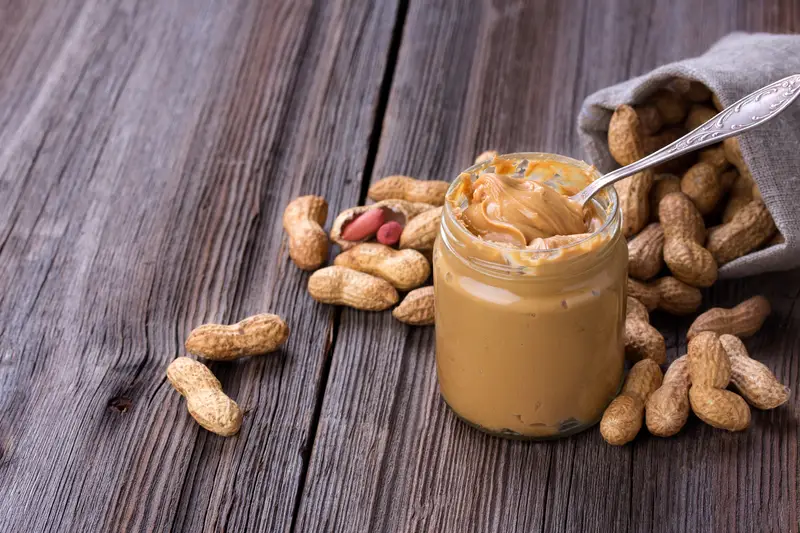
That jar of peanut butter in your pantry might seem harmless, but it could be hiding something dangerous. Whether you’re spreading it on toast, mixing it into smoothies, or eating it straight from the jar (no judgment here), you need to know the warning signs that something’s not right. From weird smells to strange textures, there are several red flags that mean you should throw out that jar immediately. Most people don’t realize how many recalls have happened over the years or what signs to look for before taking that next bite.
Your peanut butter smells off or unusual
Opening a jar of peanut butter should greet you with a pleasant, nutty smell that makes your mouth water. If instead you notice something sour, bitter, or just plain weird, that’s your first warning sign. Fresh peanut butter has a consistent aroma, but when it goes bad, you might detect what some people describe as a paint-like or metallic scent. This happens when the oils start breaking down or when mold begins growing, even if you can’t see it yet.
Don’t ignore what your nose is telling you. Your sense of smell evolved to protect you from eating things that could make you sick. In 2024, aflatoxin contamination led to recalls of peanut butter products in South Africa, and this dangerous mold doesn’t always show visible signs. The oils in peanut butter can go rancid over time, especially if stored improperly or left open too long. If your jar fails the sniff test, toss it immediately. It’s not worth risking your wellbeing for a sandwich.
The texture looks weird beyond normal separation
Natural peanut butter separates with oil rising to the top, and that’s totally normal. Just give it a good stir and you’re fine. But what about when the texture seems really wrong? Maybe it’s unusually dry and crumbly when it should be smooth and creamy. Or perhaps you notice sections with different consistencies that look nothing like the typical oil layer. These changes mean something has gone wrong with your peanut butter, and eating it could be risky.
In 2022, Skippy recalled over 161,000 pounds of peanut butter due to potential metal contamination. While you might not see tiny metal fragments, they could definitely change how the peanut butter feels in your mouth. If your smooth variety suddenly has unexplained bumps or your chunky style has pieces that don’t look like peanuts, stop eating it right away. Any gritty texture, unusual chunks, or watery separation that seems different from normal oil separation means it’s time for a new jar.
The color changed from what you remember
Peanut butter should maintain a consistent tan to brown color throughout the jar, depending on the brand. If you notice dark spots, unusual darkening, or sections that look different colors, pay attention. These could indicate mold growth or oxidized oils that have gone rancid. Sometimes the surface takes on a grayish or dull appearance instead of its normal golden-brown color. Any spots that are green, blue, or black definitely mean the entire jar needs to go in the trash.
Even subtle color inconsistencies matter when it comes to food safety. If parts of your peanut butter appear darker or lighter than the rest in irregular patterns, something might be contaminating it or causing it to spoil. During the massive Peanut Corporation of America recall from 2008-2009, contaminated products caused hundreds of illnesses across multiple states. While not all contamination shows visible signs, any unusual coloration should make you reconsider eating that peanut butter. When you’re unsure, throwing it out is always the safer choice.
You see mold growing anywhere in the jar
Finding mold in your peanut butter is the most obvious sign to stop eating it immediately. Mold appears as fuzzy or powdery patches in various colors including white, green, blue, or black. Check the surface carefully, especially around the edges where the peanut butter meets the glass. Sometimes mold starts growing along the rim or sides of the container before spreading to the rest. Even if you only spot a tiny bit of mold, remember that what you’re seeing is just the surface portion.
Never try to save moldy peanut butter by scraping off the visible spots. Unlike hard cheeses where cutting away mold might work, peanut butter has a soft consistency that lets mold spread throughout the entire product where you can’t see it. Aflatoxins produced by certain molds can cause serious liver damage and are linked to increased cancer risk. If you see any mold, discard the entire jar immediately and thoroughly wash any utensils that touched the contaminated peanut butter. Don’t take chances with mold.
The jar passed its expiration date
We’ve all ignored expiration dates on food products at some point, thinking they’re just suggestions. With peanut butter, those “best by” dates might seem less urgent since it doesn’t spoil as quickly as milk or fresh produce. However, these dates exist for good reasons. Commercial peanut butter typically stays good for about six to nine months after opening and twelve to twenty-four months unopened. Beyond these timeframes, the oils break down, affecting both taste and safety.
The older your peanut butter gets, the higher the risk of rancidity and harmful microorganisms growing. While eating slightly outdated peanut butter probably won’t cause immediate problems, it’s not worth risking when the product is significantly past its date. Natural and organic varieties without preservatives have even shorter shelf lives and need closer monitoring. Store your peanut butter properly in a cool, dark place, and consider refrigerating natural varieties after opening, especially in warm, humid climates. Always check the date before digging in.
Your stomach feels terrible after eating it
Sometimes your body gives you the clearest warning sign of all. If you experience stomach pain, nausea, vomiting, diarrhea, or fever after eating peanut butter, pay close attention. These symptoms could indicate food poisoning from bacteria like Salmonella. During the 2022 outbreak linked to Jif peanut butter, people reported these exact symptoms, with some cases severe enough to require hospitalization. Don’t dismiss these warning signs or assume they came from something else you ate, especially if others who ate the same peanut butter also feel sick.
Salmonella symptoms typically appear between six hours and six days after eating contaminated food and can last four to seven days. If your symptoms are severe, like high fever over 102 degrees, blood in your stool, excessive vomiting that prevents keeping liquids down, or signs of dehydration, seek medical attention immediately. Children, elderly people, pregnant women, and those with weakened immune systems face greater risks from foodborne illnesses and should be extra cautious. Trust your gut when something feels wrong after eating peanut butter.
The product code matches a recall list
When peanut butter recalls hit the news, most of us barely pay attention unless we get sick. But checking your jar’s product code against recall information is super important for staying safe. In 2022, Jif recalled numerous peanut butter products due to potential Salmonella contamination. The affected products had specific lot codes between 1274425 and 2140425, with “425” at the end of the first seven digits. Finding these numbers requires some detective work since manufacturers typically print them on the lid or bottom of the jar.
Recalls happen more frequently than you might think. During the Jif recall, officials found that 100 percent of interviewed sick people had eaten Jif brand peanut butter before becoming ill. The outbreak affected at least twenty-one people across multiple states, but officials believe many more cases went unreported. An earlier incident with Peter Pan peanut butter instructed consumers to look for product codes beginning with “2111.” Whenever you hear about a peanut butter recall, take a moment to check your pantry. Those few seconds could save you from serious illness.
The ingredient list has too many additives
Have you ever actually read the ingredient list on your peanut butter jar? You might be surprised by what’s hiding in there. The best peanut butter contains just one ingredient, which is peanuts. Maybe a little salt gets added, and that’s fine. But many commercial brands load up on sugar, oils, and preservatives that you don’t really need. While these additives aren’t necessarily dangerous in small amounts, they’re worth paying attention to, especially if you eat peanut butter regularly.
According to recent reports, some brands like Smucker’s Goober Grape contain high fructose corn syrup and potassium sorbate. In Europe, potassium sorbate is heavily regulated as it’s considered a genotoxin, which is a substance that can damage genetic information within cells. Many commercial brands also add hydrogenated vegetable and palm oils to extend shelf life and maintain creaminess, but these increase saturated fats. Check labels carefully and consider switching to simpler peanut butter varieties with fewer ingredients. Look for brands that list just peanuts and salt.
You used a dirty utensil in the jar
How you handle your peanut butter matters just as much as what’s in the jar. Always use clean utensils when scooping out peanut butter, and never lick the knife and then dip it back in. This introduces bacteria from your mouth into the peanut butter, which can start growing and contaminating the entire jar. The same goes for using a knife that touched jelly or other foods. Keep the rim of the jar clean too, since dried peanut butter bits around the edge can grow mold that spreads to the rest.
Temperature and light also affect peanut butter quality and safety. Store unopened jars in a cool, dark pantry away from heat sources like your stove or sunny windows. Heat speeds up oil rancidity and creates better conditions for mold growth. For natural peanut butter without preservatives, keep it in the refrigerator after opening, especially in warm, humid climates. While this makes it harder to spread, you can let it sit out for fifteen minutes before using it. Proper storage extends shelf life and reduces contamination risk significantly.
Peanut butter is one of the most popular pantry staples for good reason. It’s convenient, tasty, and versatile for countless recipes and snacks. But knowing these warning signs helps you catch problems before they make you sick. Trust your senses when something seems off, check recall lists when news breaks, and always practice good storage habits. A fresh jar is always worth it compared to the risk of eating contaminated peanut butter.
