

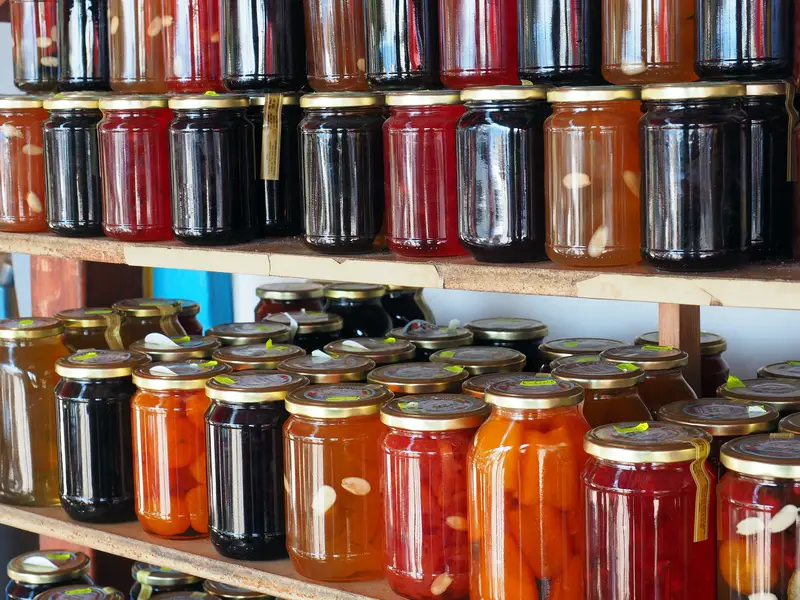
Most people who preserve their own food at home make one huge mistake without even realizing it. They carefully follow every step of the canning process, wait for those satisfying pops that signal a good seal, and then store their beautiful jars away with the metal rings still screwed on tight. Seems logical, right? Those rings helped seal everything up, so they must belong there forever. Wrong! Keeping those rings on your stored jars can actually hide serious problems that could make you sick, and it’s shortening the life of your canning supplies too. The good news is that fixing this common error takes about five minutes and could save you from a nasty surprise down the road.
Those metal rings are only temporary helpers
When you’re canning tomatoes, jam, pickles, or anything else, those metal screw bands serve one specific purpose during processing. They hold the flat lid firmly against the rim of the jar while heat does its magic inside your canner. Once the jar cools down and that lid seals properly, the ring has finished its job completely. The vacuum seal created during cooling is what actually keeps your food safe and fresh, not the metal band holding things together. That sealed lid isn’t going anywhere on its own.
Think of the rings like training wheels on a bike. They’re helpful when you’re getting started, but you don’t need them once everything is working correctly. After your jars have cooled for 12 to 24 hours, you can test the seal by pressing the center of the lid. If it doesn’t move or make a clicking sound, you’ve got a good seal. At that point, removing those rings before storage makes perfect sense. You can wash them, dry them thoroughly, and tuck them away in a plastic bag or container until your next canning session rolls around.
Failed seals can hide under those rings for months
Here’s where things get concerning. Sometimes food spoils inside a sealed jar because bacteria managed to survive the canning process or the seal wasn’t quite right to begin with. When bacteria multiply, they create gas that builds up pressure inside the jar. Eventually, that pressure gets strong enough to break the vacuum seal and pop the lid right off. If you’ve removed the ring, you’ll notice immediately when you reach for that jar because the lid will be loose or sitting crooked. You might even find it completely off the jar, sitting nearby on the shelf.
But when that ring is still screwed on, it holds the lid in place even after the seal breaks. You grab what looks like a perfectly good jar of green beans or salsa, unscrew the ring, and only then discover something went wrong weeks or months ago. The food inside might smell off, or worse, it might smell totally normal but still be unsafe to eat. One canning expert discovered this firsthand when she grabbed a jar of whole peeled tomatoes from her closet and the lid slid right off onto the floor. Without that ring holding it in place, she knew instantly something was wrong and tossed it without hesitation.
Rust happens faster than you think
Metal rings and moisture don’t play well together. Even in a fairly dry pantry, those bands can develop rust spots, especially around the threads and along the bottom edge where they touch the jar. Once rust starts, it spreads quickly and can actually fuse the ring to the jar over time. When you finally try to remove a rusty ring months or years later, you might find it stuck so tight that you risk breaking the jar trying to twist it off. That rust also shortens the usable life of your rings, which means replacing them more often.
Storing your rings separately in a dry location keeps them in much better shape. After removing them from your sealed jars, give them a quick wash in hot soapy water and dry them completely with a towel. Don’t just air dry them, because water can sit in those threads and start causing problems. Once they’re totally dry, pop them into a gallon-sized plastic bag or a plastic storage container with a lid. Some people hang them on hooks or nails in their pantry, which works great too. The key is keeping them away from moisture so they’ll last through many canning seasons instead of turning into unusable rusty circles.
You can actually reuse rings many times
Unlike the flat lids with their sealing compound that only work once, those metal screw bands can handle dozens of canning sessions if you treat them right. But leaving them on jars in humid basements or warm pantries cuts their lifespan way down. The constant contact with the jar, combined with temperature changes and moisture in the air, takes its toll. Before you know it, you’re looking at a collection of rusty, pitted rings that need replacing even though you’ve only used them a handful of times.
Taking them off and storing them properly means you’ll get years of use from the same set of rings. This saves money since you only need to buy new flat lids for each canning session, not complete two-piece lid sets every time. Just check your rings before each use for any signs of rust, dents, or warping. If a ring looks questionable, toss it and use a good one instead. A damaged ring might not hold the lid properly during processing, which defeats the whole purpose. Treating your canning supplies well means they’ll be ready whenever you need them for your next batch of preserves.
Testing your seals becomes much easier
When you store jars without their rings, checking whether they’re still properly sealed becomes a simple task. Just pick up the jar by its lid. If the seal is good, the lid will support the entire weight of the jar and its contents without budging. This quick test takes two seconds and gives you instant confidence that your food is still safe. Try doing that same test with the ring screwed on tight and you won’t learn anything useful, because the ring will hold everything together regardless of whether the seal is still intact or failed months ago.
You can also see problems more easily during your regular pantry checks. A quick glance at your canning shelves will reveal any lids that look puffy or slightly raised, which signals trouble inside. With rings on, those visual cues get hidden until you’re ready to actually open and use the jar. Some people make it a habit to check their stored jars every few months, giving each lid a quick press to confirm it’s still sealed tight. This kind of monitoring becomes much more effective and faster when you’re not fighting with rings to see and feel what’s happening with those lids.
Your jars are easier to organize without rings
This might seem like a minor point, but jars without rings actually stack and store more neatly. The flat lids sit flush against each other when you stack jars in their original boxes or on pantry shelves. With rings on, you’ve got that extra metal rim creating gaps and making things wobble a bit. Those rings can also catch on each other when you’re moving jars around, which gets annoying fast. Some people worry that removing rings means jars might somehow open themselves, but remember that the vacuum seal is holding that lid on with surprising strength.
You’ll also find it easier to wipe down your jars when they need cleaning. Dust and spills can accumulate in the space between the jar rim and the ring, creating a grimy mess that’s hard to reach. Without rings in the way, a quick wipe with a damp cloth keeps your jars looking clean and makes it easier to read the labels you’ve carefully written. This matters more than you might think, especially if you’re storing jars in a basement or garage where dust and cobwebs love to gather. Clean jars also make it simpler to spot any problems like leaking or mold growth around the lid.
Opening jars later is actually simpler
When you’re ready to use your canned goods, you need to break that vacuum seal to get the lid off. Most people use a butter knife or bottle opener to pry up one edge of the lid, which lets air rush in and breaks the seal with a satisfying whoosh. Once the seal is broken, you can easily lift the lid off by hand or use your fingernails under the edge. At that point, you can put the ring back on if you want to store leftovers in the fridge, which is exactly what those rings are designed to help with during storage of opened jars.
If you’ve left the ring on the whole time, you have to unscrew it first before you can break the seal and remove the lid. This adds an extra step and doesn’t provide any real benefit. The ring wasn’t doing anything useful while the jar sat in your pantry, and now it’s just in your way. Some people find that rings can actually get stuck on jars after long storage periods, requiring extra effort to remove them before you can even get to the lid itself. Why create extra work for yourself when the simpler approach works better and keeps your food safer too?
Professional canners and teachers recommend removing rings
If you take a canning class or read books by experienced preservers, you’ll hear this advice repeated constantly. Removing rings before storage isn’t some newfangled idea or trendy tip. It’s been standard practice among serious home canners for generations because it simply makes sense from both safety and practical standpoints. The USDA guidelines for home canning also mention this practice, though they don’t make as big a deal about it as many teachers and experts do based on their real-world experience.
People who have been canning for decades have seen firsthand what can happen when rings stay on jars. They’ve dealt with mysterious spoilage that went unnoticed for too long, rusted rings that fused to jars, and all the other headaches that come from this one simple mistake. Their consistent advice to remove those rings isn’t about being fussy or following pointless rules. It comes from practical experience and a genuine desire to help other home canners avoid problems. When experienced folks all say the same thing, it’s worth listening and adopting that practice in your own kitchen.
Starting this habit only takes a few minutes
If you’ve got shelves full of jars with rings still on, don’t panic. You don’t need to do anything drastic right away. Next time you’re near your canning storage area, just grab a bag or container and spend a few minutes removing rings from jars. Check each seal as you go by pressing the center of the lid. Any jar with a questionable seal should be examined more closely, and if something seems off, it’s better to toss it than take chances. Work through your collection gradually if you have a lot of jars, or tackle it all at once if you prefer.
For future canning sessions, just build this step into your routine. After your jars have cooled overnight and you’ve confirmed the seals are good, remove the rings before you label and store the jars. It becomes second nature pretty quickly, like any other habit. You might even find yourself wondering why you ever left them on in the first place. The whole process takes maybe an extra two minutes per batch of canning, which is a tiny investment for the peace of mind and practical benefits you get in return. Your future self will definitely appreciate the effort.
Removing those rings from your home canned jars isn’t about following rules for the sake of rules. It’s about keeping your food safe, making your canning supplies last longer, and catching problems before they catch you by surprise. The next time you finish a canning session and those jars are sitting on your counter looking perfect, take those few extra minutes to remove the rings once everything has cooled and sealed. Your pantry will be safer, your rings will last years longer, and you’ll sleep better knowing that any problem with your preserved food will announce itself immediately instead of hiding under a metal band until it’s too late.
