

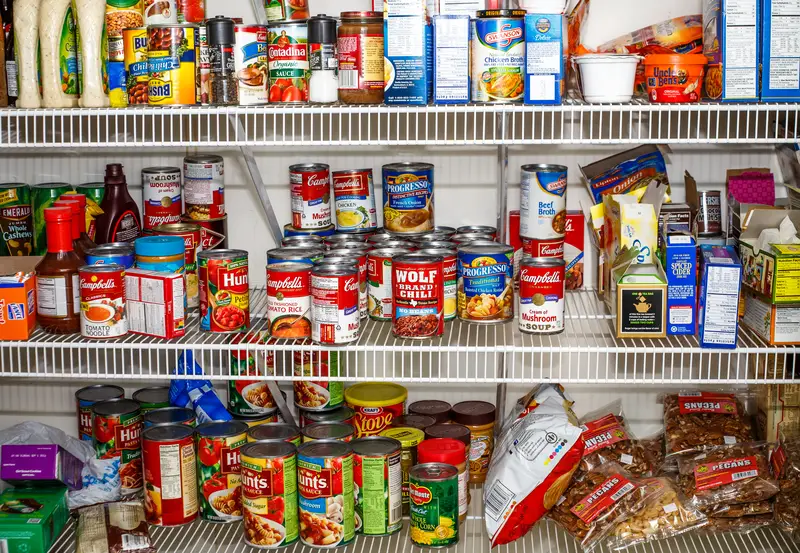
That can of tomatoes sitting in the back of your pantry from 2019 might look perfectly fine, but appearances can be deceiving. Most people think canned food lasts forever, but that’s not entirely true. While canned goods do have impressive staying power, there are specific warning signs that mean it’s time to toss them immediately. Knowing when to keep or ditch canned foods can save you from potential food poisoning and help you avoid wasting money on perfectly good items.
Those expiration dates don’t mean what you think
Here’s something that might surprise you: those dates stamped on canned goods aren’t actually expiration dates at all. They’re quality indicators, not safety warnings. When you see “use by” or “sell by” dates on canned foods, manufacturers are simply telling you when the product will taste its absolute best. After that date passes, the food might not be as flavorful, but it’s usually still safe to eat.
The confusion around these date labels leads to massive food waste. Americans throw away about 20% of perfectly good food simply because they misunderstand what these dates mean. Federal law doesn’t even require these dates on most foods, except for infant formula and some baby products. So that can of green beans from last year? It might still be perfectly fine to eat, even though the date has passed.
High-acid canned foods have shorter shelf lives
Not all canned foods are created equal when it comes to longevity. High-acid foods like tomatoes, fruit, pickles, and sauerkraut have a shorter safe eating window compared to other canned goods. These acidic foods can maintain their quality for about 18 months past their printed date, but after that, the natural chemicals start reacting with the can itself.
This chemical reaction doesn’t just affect taste – it can actually make the food less nutritious over time. The acid gradually breaks down the can’s protective lining, which can lead to metallic flavors and texture changes. While it might not make you sick immediately, high-acid foods that are several years old simply aren’t worth eating anymore. Low-acid items like meat, beans, and most vegetables can stay good for two to five years past their date.
Dented cans can be dangerous
That dented can of soup you picked up on sale might seem like a bargain, but deep dents can actually compromise food safety. Small dings and minor dents are usually fine, but anything deeper than half an inch could mean the can’s seal has been broken. When the seal is compromised, bacteria can sneak inside and start growing, turning your canned food into a potential health hazard.
The location of the dent matters too. Dents along the seams or edges of the can are more concerning than those on the flat surfaces. These damaged cans create microscopic holes that allow oxygen to enter, creating the perfect environment for harmful bacteria like Clostridium botulinum to grow. This bacteria produces toxins that cause botulism, a serious illness that affects the nervous system. When in doubt, it’s better to spend a few extra dollars on an undamaged can than risk getting sick.
Rust isn’t always a deal breaker
Finding rust on a can doesn’t automatically mean you need to throw it away, but you do need to assess how bad it is. Light surface rust that you can easily wipe off with a damp cloth is generally not a problem. The food inside should still be perfectly safe to eat. However, extensive rust that won’t come off with gentle cleaning is a different story entirely.
Heavy rust can eat through the metal, creating tiny holes that let bacteria and air inside the can. This type of rust damage compromises the sterile environment that keeps canned food safe. If you notice rust flakes falling off when you handle the can, or if the rust covers a large area and feels rough to the touch, it’s time to toss it. The Association of Food and Drug Officials even provides photo guidelines to help people determine when rust has gone too far.
Bulging cans are immediate red flags
A bulging or swollen can is one of the clearest signs that something has gone seriously wrong inside. This swelling happens when bacteria inside the can produce gases as they multiply and grow. The pressure from these gases pushes outward on the can walls, creating that telltale bulge. This is never normal and always means the food is unsafe to eat.
Even if the can looks fine otherwise, any swelling or bulging means bacteria have been having a party inside your food. Don’t even think about opening these cans to check if the food looks okay. The bacteria responsible for this swelling can produce dangerous toxins, and you definitely don’t want to breathe them in when you pop the lid. Bulging cans should go straight into the trash, no questions asked.
Strange smells mean trouble
When you open a can, your nose knows what’s normal and what’s not. Canned food should smell like what it’s supposed to be – corn should smell like corn, chicken should smell like chicken. Any foul, sour, or unusual odors are clear warning signs that the food has spoiled. Trust your instincts here; if something smells off, it probably is.
Sometimes spoiled canned food will spray liquid when you open it, which is another major red flag. This happens when pressure has built up inside from bacterial activity. Any canned food that spurts liquid when opened should be discarded immediately. The same goes for food that has unexpectedly cloudy or milky liquid when it should be clear. These visual and smell cues are your body’s way of protecting you from potentially dangerous bacteria.
Storage location affects safety
Where you store your canned goods can make or break their longevity and safety. That cabinet above your stove might seem convenient, but it’s actually one of the worst places for canned food. Heat accelerates the breakdown of both the food and the can itself, potentially creating safety issues. The same goes for storing cans in damp basements or under the kitchen sink.
Extreme temperatures are particularly problematic for canned goods. Prolonged exposure to temperatures over 100°F can significantly increase spoilage risk, while freezing temperatures can cause cans to rupture. The ideal storage conditions are cool, dry places with stable temperatures. A pantry or cabinet away from heat sources works perfectly. Moisture is another enemy of canned foods, as it promotes rust and can compromise the can’s integrity over time.
Home-canned foods have different rules
If you’ve tried your hand at home canning, the safety rules change significantly. Home-canned goods can last for years when processed correctly, but they require extra vigilance. The popping lid is the home canner’s version of the bulging commercial can – it means bacteria survived the canning process and are now multiplying inside your jar.
Unlike commercial operations with their industrial-strength equipment and quality control, home canning relies on following precise procedures to eliminate dangerous bacteria. If a home-canned jar’s lid pops up or bulges, it means the sterilization process didn’t kill all the harmful microorganisms. These surviving bacteria then grow and release gases that push the lid up. Even if your home-canned peaches look beautiful through the glass, a popped lid means they need to go in the garbage immediately.
When in doubt, throw it out
The old saying “when in doubt, throw it out” exists for good reason when it comes to canned food safety. While canned goods are generally very safe and have impressive shelf lives, the consequences of eating contaminated food can be serious. Botulism, while rare, can be life-threatening and isn’t worth the risk of saving a few dollars on a questionable can.
Remember that most canned foods are safe for years past their printed dates when stored properly and show no signs of damage. The key is knowing what warning signs to look for: deep dents, extensive rust, bulging, strange smells, or liquid that sprays when opened. By understanding these simple guidelines, you can confidently keep safe canned goods while protecting yourself and your family from potentially dangerous ones.
Armed with this knowledge, you can clean out your pantry with confidence and stop throwing away perfectly good food. Check those cans regularly, store them properly, and trust your senses when something seems off. Your wallet and your health will both thank you for taking the time to learn these simple but important safety guidelines.
