

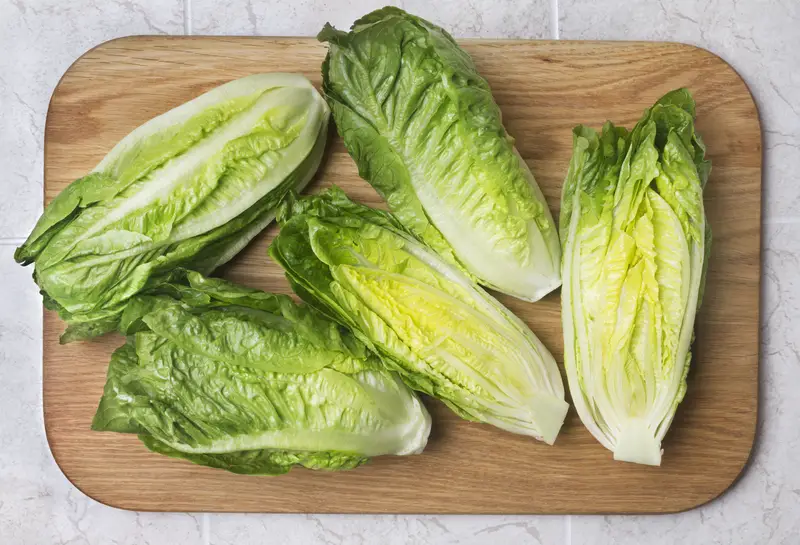
I threw away so much lettuce last year that I’m genuinely embarrassed to estimate the dollar amount. You know the cycle. You buy a beautiful head of romaine on Sunday with big salad-every-night energy. By Wednesday it’s wilting. By Friday it’s a slimy brown mess you quietly dump in the trash like you’re disposing of evidence. I figured this was just life — lettuce dies fast, and that’s the deal.
Turns out I was storing it completely wrong, and the fix costs about three cents worth of aluminum foil.
The Aluminum Foil Method That Changed Everything
Here’s the trick: take a sheet of aluminum foil — the extra-long kind works best, but two regular sheets overlapping will do — and wrap your head of lettuce tightly so it’s completely covered. Stick it in the fridge. That’s it. When you need some lettuce, unwrap it, tear off what you want, and wrap the rest back up. People who use this method report their lettuce staying crisp for a full month after picking. Not just edible-if-you-squint fresh. Crisp-enough-for-a-raw-salad fresh.
The one critical rule? Don’t wash the lettuce before wrapping it. Moisture is the enemy here. The foil’s job is to let just enough gas escape while blocking the excess moisture and air circulation that turns your greens into compost. Wash the leaves after you pull them out, right before you eat them. If your grocery store is one of those places that mists all the produce (Kroger, I’m looking at you), dry the lettuce as thoroughly as you can before wrapping.
This works for romaine, iceberg, bibb lettuce, and even kale. A whole head of romaine stored this way can last anywhere from 20 to 30 days in the fridge. Compare that to the three-to-five-day lifespan of loose leaf lettuce just tossed in the crisper drawer, and you start to understand why this feels like finding money on the ground.
Why Plastic Bags Are Killing Your Lettuce
Most of us bring lettuce home, leave it in whatever plastic bag it came in, and shove it in the fridge. This is basically a death sentence for greens. Plastic bags trap moisture against the leaves, creating a little swamp environment where bacteria and rot thrive. The condensation you see forming inside the bag? That’s your lettuce slowly drowning.
A test by one kitchen site compared three storage methods over 10 days. The plastic bag method — lettuce rolled in paper towels inside a sealed bag — looked fine after one week. But by day 10, it had a “good amount of slimy rotted leaves” that stained the paper towels brown. Their verdict: they wouldn’t eat it. They’d throw the whole thing out.
The winner of that test was a rigid plastic container lined with paper towels on the bottom and top, with lettuce spread in an even layer between them. Having hard sides protected the greens from getting crushed by other stuff in the fridge, and the paper towels absorbed moisture without creating that swampy sealed environment. The greens stayed crisp and edible for the full 10 days.
The Paper Towel Trick Someone’s Used For 15 Years
One blogger has been using the same dead-simple method since college — that’s 15 years of doing this. Layer a few sheets of paper towels or flour sack towels between your lettuce leaves inside whatever container you’re using. Swap out the towels every few days or whenever they get really damp. Done.
She posted photos of lettuce and salad greens that were at least two weeks old and still looked like she’d just brought them home from the store. One commenter said their romaine lasted three weeks this way, still fresh and crisp. Head lettuce went two and a half weeks with just a couple of extra towel changes.
The logic is simple. Lettuce rots because of excess moisture sitting on the leaves. Paper towels wick that moisture away. But here’s a tip within the tip: don’t pack your lettuce tight. Produce needs airflow. If you’ve got a big haul, split it into multiple smaller containers with paper towels in each one rather than stuffing everything into one box.
The Farmer’s Cotton Towel Method For Cut Lettuce
If you’re the type who likes to chop up your lettuce right when you get home so it’s ready to grab, Farmer Caryl from BrynTeg Farm in Ashippun, Wisconsin has a four-step method that keeps cut lettuce fresh for two to three weeks.
First, soak your cut leaves in a bowl of cold water for about 30 minutes. This revives the leaves and gets dirt off. Pull out anything damaged or wilted. Second, dry them thoroughly — a salad spinner is ideal, but laying leaves on a towel and patting them dry works too. Third, spread the leaves in a single layer on a clean cotton towel (not terry cloth — the loops can bruise delicate leaves) and loosely roll them up. The cotton absorbs leftover moisture while letting the lettuce breathe. Fourth, put the wrapped lettuce in a container with a lid and slide it into your crisper drawer.
That crisper drawer matters, by the way. It’s designed to maintain specific humidity levels for produce. Make sure the vent is adjusted to the vegetable setting so your lettuce doesn’t dry out.
Vacuum Sealing Beats Paper Towels After Day 5
An 11-day experiment compared the paper towel method against vacuum-sealed jars using chopped romaine from the same heads. For the first five days, both looked identical. After that, things split. The paper towel jar started browning. By day 11, only the vacuum-sealed lettuce was still crisp and usable.
Before you think this requires expensive equipment — it doesn’t. A budget handheld vacuum sealer and a jar adapter are all you need. The first prep session takes about an hour, but once you get the hang of it, five or six jars take under 30 minutes. One commenter said they’ve been doing this since 2004 and that a good vacuum sealer pays for itself within a year for a family of four just in reduced food waste. Having pre-chopped, ready-to-eat salad in the fridge means you’re way more likely to actually eat salad instead of reaching for whatever’s faster.
The Water Immersion Method That Lasts 20+ Days
This one sounds counterintuitive since we just spent several paragraphs talking about how moisture kills lettuce. But there’s a version of the water method that actually works — if you’re willing to put in a little daily effort. Place a whole head of lettuce in a large clean container, fill it with cold water so the leaves are fully submerged but not crushed, seal with an airtight lid, and store in your vegetable drawer.
The catch: you need to replace the water every 24 hours. The daily change prevents microbe buildup and keeps the leaves hydrated and firm. The science makes sense — romaine is about 95% water, and once harvested it starts dehydrating. The cells lose what’s called turgor pressure, which is what keeps leaves crisp and firm. Keeping them submerged maintains that pressure. When you’re ready to eat, drain and pat dry with a towel or spin in a salad spinner. Reported results: 20 days or more of salad-ready lettuce.
The Weird Carbon Dioxide Hack
Here’s one that sounds like a joke but apparently actually works: open the bag your lettuce came in, blow into it like a balloon until it puffs up, then twist the top and seal it with a rubber band. The carbon dioxide from your breath slows down the ripening process. It sounds ridiculous but the chemistry checks out — CO2 displaces oxygen, and it’s oxygen that accelerates decay in leafy greens. Commercial produce storage facilities use the same principle with controlled atmosphere storage, just with more precision and fewer germs.
Keep Your Fruit Away From Your Lettuce
This is the one thing almost every source agrees on, and hardly anyone does it. Fruits like apples, bananas, peaches, papayas, and cantaloupes release ethylene gas as they ripen. Ethylene is a natural plant hormone that tells nearby produce to ripen faster. Your lettuce doesn’t need that signal. It’s already on borrowed time.
Keep fruit and lettuce in separate drawers. If your fridge only has one crisper drawer, put the lettuce in there and keep fruit on a shelf. This alone can buy you several extra days of freshness without changing anything else about your storage routine.
How To Rescue Lettuce That Already Looks Dead
If you forgot about a head of lettuce and it’s looking sad and wilted, don’t toss it yet. Fill a bowl with ice water and submerge the leaves for about five minutes. The cold water rehydrates the cells and restores crispness. Pat dry afterward. It won’t save lettuce that’s already slimy or brown, but wilted leaves that still look green? You’d be surprised how well they bounce back. It’s the same reason restaurants keep lettuce in ice water baths before service — cold water plumps the cells right back up.
Also, if you’re cutting iceberg lettuce, use a plastic knife. Metal blades cause the edges to oxidize and brown faster. It’s a small thing, but if you’re going through all this trouble to store lettuce properly, you might as well avoid browning from the start.
The aluminum foil method is the easiest and most effective trick for whole heads of lettuce. The paper towel container method wins for pre-washed salad mixes. And if you eat a salad every single day, vacuum sealing into jars is worth the upfront effort. Pick whatever matches your laziness level and fridge situation. Just stop throwing away $5 worth of lettuce every week.
