

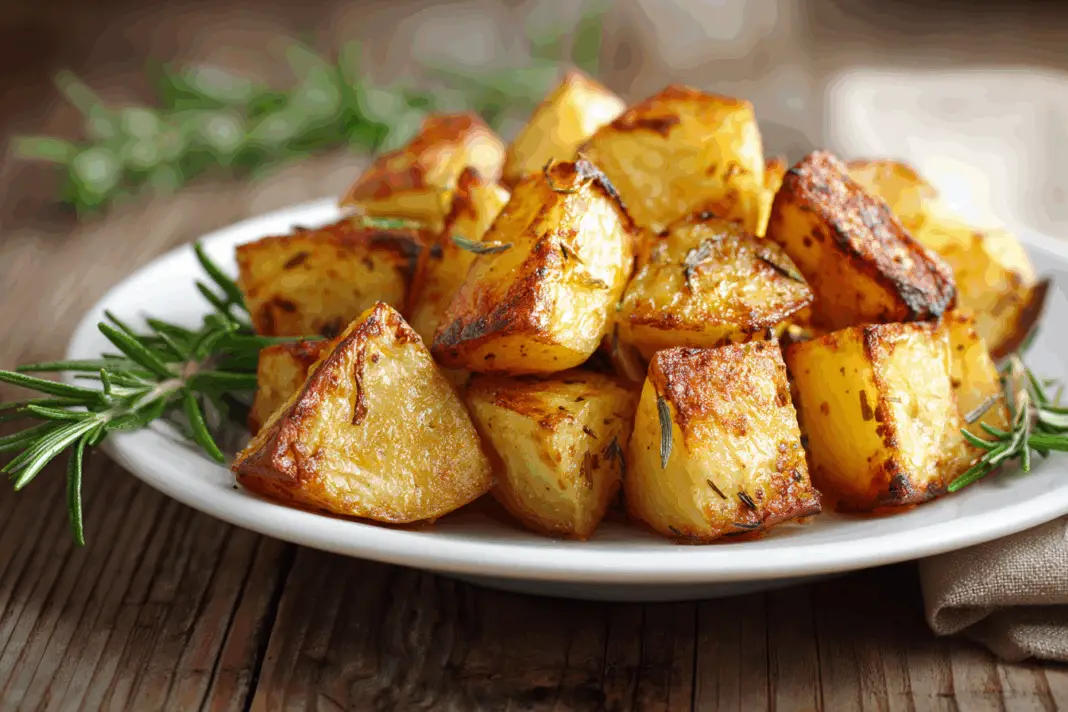
There’s something about potatoes roasted until they’re golden and crispy on the outside, soft and fluffy on the inside, that makes everything else on your plate fade into the background. These olive oil rosemary potatoes are that kind of side dish—the one everyone remembers and asks about long after dinner is over. With just four simple ingredients and about 45 minutes, you can create something that looks and tastes like it took serious effort but actually couldn’t be easier to pull off.
Why red potatoes work perfectly here
Most people reach for whatever potato is on sale, but red potatoes really shine in this recipe. Their thin skins get beautifully crispy in the oven, and they have just enough natural moisture to stay tender inside without turning to mush. You don’t even need to peel them, which saves time and adds a nice rustic look. The waxy texture of red potatoes also means they hold their shape during roasting, so you end up with perfectly defined pieces instead of falling-apart chunks.
Yukon golds work great too if that’s what you have on hand. They’re a bit creamier and have that buttery yellow color that looks gorgeous on the plate. Russets will do in a pinch, but they tend to be drier and won’t get quite as crispy on the edges. Whatever you choose, make sure to cut the potatoes into similar-sized pieces so they all finish cooking at the same time.
The secret to getting them extra crispy
The biggest mistake people make with roasted potatoes is not coating them thoroughly with oil. That’s why it’s worth taking an extra minute to put the potatoes in a big bowl and use your hands to toss them around until every single piece is glistening. Drizzling oil over potatoes on a baking sheet just doesn’t cut it—you’ll end up with some pieces perfectly crispy and others dry and bland. A good quality olive oil makes a noticeable difference here, so use the decent stuff you’d be happy to dip bread into.
Temperature matters too. A hot oven at 425°F is the sweet spot for getting that crispy exterior without burning the potatoes before they cook through. Some recipes call for lower temperatures, but then you’re waiting forever and the potatoes steam more than roast. If you want to get really fancy, you can preheat your baking sheet in the oven while it heats up. When you add the potatoes to that hot surface, they start crisping immediately.
Fresh rosemary versus the dried stuff
Fresh rosemary is absolutely worth hunting down for this recipe. Those woody little sprigs you find in the produce section transform into something magical when they roast alongside the potatoes. The heat releases all those piney, aromatic oils that make your whole kitchen smell amazing. Just strip the leaves off the stems and give them a rough chop—no need to mince them super fine. About a tablespoon of chopped fresh rosemary is perfect for two pounds of potatoes.
If you absolutely can’t find fresh rosemary, dried will work, but use less—maybe a teaspoon instead of a tablespoon. Dried herbs are more concentrated, and too much can taste dusty and overpowering. You could also swap in fresh thyme for a different but equally delicious result. Some people even grow rosemary plants on their windowsills because it’s so handy to have around. It’s pretty hard to kill and you can just snip off what you need whenever you’re making potatoes.
Getting the timing right when cooking
These potatoes need about 35 to 40 minutes in the oven, but you can’t just set a timer and forget about them. After about 20 minutes, open the oven and use a sturdy spatula to flip the potatoes over. This ensures all sides get that golden-brown treatment instead of just the bottom. If you skip this step, you’ll end up with potatoes that are perfectly crispy on one side and pale and soft on the other. Nobody wants that.
The potatoes are done when you can easily pierce them with a fork and they have those gorgeous crispy edges. If they’re browning too fast on the outside but still hard in the center, your oven might be running hot—just lower the temperature to 400°F and give them a few more minutes. Every oven is different, so you might need to adjust the timing slightly the first time you make these. Once you figure out what works for your oven, you’ll be able to make them perfectly every single time.
When to add the salt and pepper
Seasoning might seem straightforward, but timing makes a difference with roasted potatoes. Adding salt before roasting helps it penetrate into the potatoes as they cook, giving you flavor throughout instead of just on the surface. About a teaspoon of kosher salt for two pounds of potatoes is a good starting point, but you can always adjust based on your taste. Freshly ground black pepper adds a nice little kick that complements the earthiness of the rosemary.
Some people like to sprinkle a bit more salt on the potatoes right when they come out of the oven, while they’re still hot. This gives you layers of seasoning—some that’s cooked in and some that sits on top for an immediate hit. If you’re watching your sodium intake, you can definitely use less salt and rely more on the rosemary and pepper for flavor. A squeeze of fresh lemon juice at the end can also brighten everything up without adding more salt.
What to serve alongside these potatoes
These rosemary potatoes go with just about anything, but they’re especially good next to roasted chicken, grilled steak, or pan-fried pork chops. The crispy edges and herb flavor make them fancy enough for holiday dinners but easy enough for a regular weeknight. They’re also great for breakfast alongside eggs—just reheat any leftovers in a skillet until they’re warm and crispy again. Some people even toss them into salads for extra substance.
If you’re planning a bigger meal, consider pairing them with some roasted vegetables like Brussels sprouts or green beans. The combination of different roasted vegetables all hitting the table at once makes everything feel abundant and homey. For really special occasions, these potatoes work beautifully with prime rib or beef tenderloin. They’re substantial enough to feel like a real part of the meal, not just an afterthought on the plate.
Making a bigger batch for crowds
If you’re feeding more than six people, you’ll want to double or even triple this recipe. The tricky part is that overcrowding a baking sheet will make the potatoes steam instead of roast, so you’ll need to use multiple sheets. Spread them out in a single layer with a bit of space between pieces so the hot air can circulate. If you’re using two sheets, swap their positions in the oven halfway through cooking so everything browns evenly.
Another option for big batches is to roast the potatoes in two separate skillets if you have them, or use a couple of large roasting pans. Cast iron works especially well because it holds heat so effectively and helps create those extra-crispy edges. Just make sure everything is well-oiled first so nothing sticks. People almost always eat more of these potatoes than you’d expect, so it’s better to make too much than not enough. Leftovers are actually a blessing because they’re delicious reheated for breakfast the next morning.
Storing and reheating leftover potatoes
Let any leftover potatoes cool completely before putting them in an airtight container in the fridge. They’ll stay good for about three to four days, though they probably won’t last that long because they’re so good cold. Some people actually prefer eating them straight from the fridge as a snack. The texture changes a bit—they won’t be quite as crispy—but the flavor is still there and they’re really satisfying.
When you want to reheat them, skip the microwave if you can. It’ll make them soggy and sad. Instead, spread them on a baking sheet and pop them in a 400°F oven for about 10 minutes until they’re heated through and crispy again. A toaster oven works great for smaller portions. You can also reheat them in a skillet over medium heat with a tiny bit of oil, stirring occasionally until they’re warm. An air fryer is actually perfect for this if you have one—just a few minutes and they’re like new again.
Common mistakes that ruin roasted potatoes
The number one mistake is cutting the potato pieces different sizes. If some chunks are tiny and others are huge, the small ones will burn before the big ones are cooked through. Try to keep everything roughly the same size—about bite-sized is perfect. Another common problem is using too little oil. The potatoes need enough to coat every surface or they’ll stick to the pan and come out dry instead of crispy.
Opening the oven door too often is another issue. Every time you peek, you let out a blast of hot air and lower the temperature, which means longer cooking time and less crispy results. Trust the timer and only open the door when it’s time to flip the potatoes. Also, don’t crowd the pan—if the potatoes are piled on top of each other, they’ll steam and get mushy. Give them room to breathe and they’ll reward you with that perfect crispy-creamy texture everyone loves.
Once you make these olive oil rosemary potatoes, they’ll probably become a regular in your dinner rotation. They’re simple enough to throw together on a busy weeknight but impressive enough that guests will think you went to extra trouble. The combination of crispy edges, fluffy centers, and that aromatic rosemary is just about perfect, and the fact that you only need four ingredients makes it even better. Whether you’re making them for two people or twenty, they’re guaranteed to disappear fast.
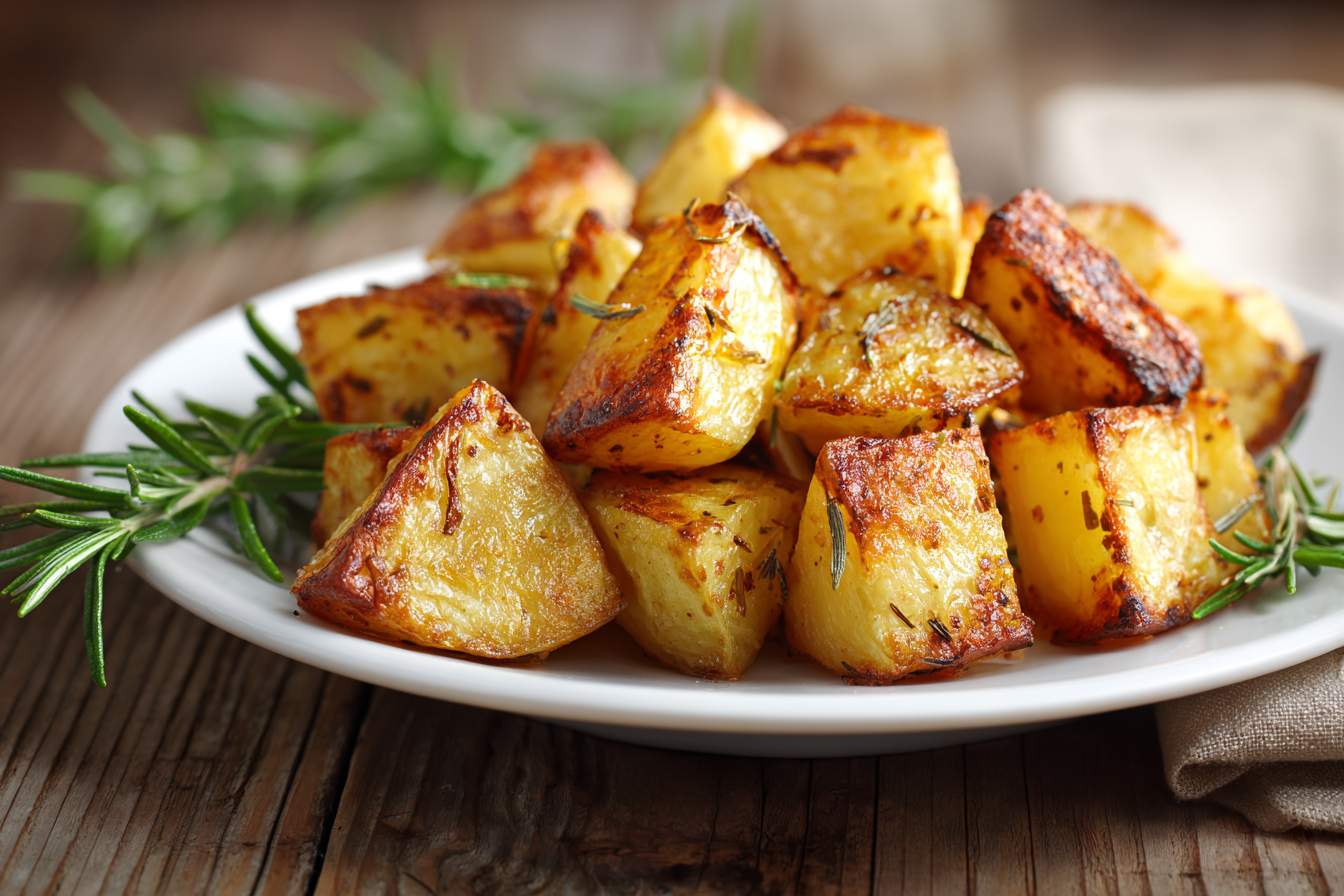
Olive Oil Rosemary Roasted Potatoes
Cuisine: American6
servings5
minutes40
minutes240
kcalCrispy golden potatoes with fluffy centers, tossed in olive oil and fresh rosemary for a simple but unforgettable side dish.
Ingredients
8 medium red potatoes (about 4 cups chopped)
2 tablespoons extra virgin olive oil
1 teaspoon kosher salt (adjust to taste)
1/2 teaspoon freshly ground black pepper
2 large sprigs fresh rosemary (about 1 tablespoon minced)
1 tablespoon finely chopped chives or green onions (optional)
Directions
- Preheat your oven to 425°F. While the oven is heating, take a moment to prepare your baking sheet by brushing or drizzling it with a bit of olive oil to prevent sticking. This step is important for ensuring your potatoes release easily after roasting.
- Chop the red potatoes into bite-sized pieces, keeping them as uniform as possible so they cook evenly. Place all the chopped potatoes into a large mixing bowl where you’ll have plenty of room to toss them with the other ingredients.
- Drizzle the olive oil over the potatoes in the bowl. Use your hands to toss and coat every single piece thoroughly, making sure no potato is left dry. This hands-on method ensures even coverage better than any spoon or spatula could achieve.
- Strip the rosemary leaves from the stems and chop them roughly. Sprinkle the rosemary, salt, and pepper over the oiled potatoes, then toss everything again to distribute the seasonings evenly across all the pieces.
- Spread the seasoned potatoes across your prepared baking sheet in a single layer. Make sure they’re not piled on top of each other, as this will prevent them from getting crispy. Leave a little space between pieces if possible for the best browning.
- Place the baking sheet in the preheated oven and roast for 20 minutes without disturbing them. After 20 minutes, remove the pan and use a large spatula to flip the potatoes over, exposing the unbrowned sides to the heat.
- Return the potatoes to the oven and continue roasting for another 15 to 20 minutes, or until they’re fork-tender and have golden-brown crispy edges. Keep an eye on them during the last few minutes to prevent burning.
- Remove the potatoes from the oven and transfer them to a serving dish. If desired, sprinkle with chopped chives or green onions for a fresh pop of color and flavor. Serve immediately while they’re hot and crispy.
Notes
- Yukon gold potatoes work equally well in this recipe if you can’t find red potatoes. Russets will work too but tend to be drier.
- If using dried rosemary instead of fresh, use only 1 teaspoon as dried herbs are more concentrated.
- For extra crispy potatoes, preheat your baking sheet in the oven while it’s heating up, then add the potatoes to the hot surface.
- Leftover potatoes can be stored in the refrigerator for 3-4 days and reheated in a 400°F oven for about 10 minutes to restore crispiness.
- When doubling the recipe, use two baking sheets to avoid overcrowding, which causes steaming instead of roasting.
Frequently asked questions
Q: Can I make these potatoes ahead of time?
A: These potatoes are really best served fresh from the oven when they’re at their crispiest. However, you can prep them earlier in the day by cutting the potatoes and tossing them with the oil and seasonings, then keep them covered in the fridge until you’re ready to roast them. Just add a few extra minutes to the cooking time if they’re going into the oven cold.
Q: Do I need to peel the potatoes first?
A: No, you don’t need to peel red potatoes for this recipe. Their thin skins get wonderfully crispy and add texture and nutrition. Just give them a good scrub under running water to remove any dirt. If you’re using a potato variety with thicker skin and you prefer them peeled, go ahead, but it’s not necessary.
Q: Why are my roasted potatoes soggy instead of crispy?
A: The most common reason for soggy potatoes is overcrowding the pan, which traps steam and prevents browning. Make sure your potatoes are in a single layer with some space between them. Also check that you’re using enough oil to coat every piece and that your oven temperature is accurate—too low and they’ll steam instead of roast.
Q: Can I add garlic to this recipe?
A: Absolutely! Minced fresh garlic is a delicious addition. Add about 3-4 cloves of minced garlic when you toss the potatoes with the rosemary and other seasonings. Just keep in mind that garlic can burn easily, so watch the potatoes closely during the last 10 minutes of roasting and lower the temperature slightly if the garlic starts to get too dark.
