

There’s a specific kind of loyalty that Baby Boomers have toward certain chain restaurants, and it’s basically unbreakable. We’re not talking about casual preference here. We’re talking about people who have been ordering the same entrée at the same booth for 30, 40, sometimes 50 years straight. They don’t care what food trends say. They don’t care that some influencer thinks the menu is basic. They found their spots decades ago, and they’re not leaving.
Boomers — born between 1946 and 1964 — grew up watching casual dining become a thing in America. They were there when these chains first opened their doors. They raised their kids at these tables. They celebrated promotions, birthdays, and anniversaries in these dining rooms. And now, well into retirement for many of them, they’re still showing up. The data backs it up: Boomers hold the largest purchasing power of any generation at $2.1 trillion, and they buy an average of 193 restaurant meals a year. They eat out more than any other demographic, and they overwhelmingly prefer full-service, sit-down restaurants.
So which restaurants have earned that kind of devotion? Let’s talk about it.
Olive Garden: The One That Made Italian Food Feel Like Home
Olive Garden opened in 1982 in Orlando, Florida, and it landed at exactly the right moment. A huge chunk of Boomers were in their 30s — building careers, raising families, and looking for restaurants that welcomed everyone without breaking the bank. Olive Garden gave them that. Affordable pasta, warm lighting, Tuscan murals on the walls, and those never-ending breadsticks that became a cultural touchstone.
The chain ran its famous slogan — “When you’re here, you’re family” — for 14 straight years. And Boomers clearly took it to heart. Recent data shows 67% of Boomers still have positive opinions about Olive Garden. That’s a wild number for a chain that’s been around for over four decades.
The portions don’t hurt either. The Tour of Italy lets you try three different pasta dishes on a single plate. Most entrées come with unlimited soup or salad. It’s one of the few national chains where you can sit down, order a glass of wine, and actually linger without anyone rushing you out the door. For retirees who finally have time to enjoy dinner, that matters more than you’d think.
Cracker Barrel: The Time Capsule Nobody Better Touch
If you want to understand how seriously Boomers take their restaurant loyalty, look at what happened with Cracker Barrel in 2024. The Tennessee-based chain, founded in 1969, announced plans for modern renovations. Their Boomer customers revolted. Straight up refused to accept it. The backlash was so intense that the company shut down all renovation plans and put out a press release with the message: “Your Old Country Store is Here to Stay.”
That tells you everything. Cracker Barrel isn’t just a restaurant to its core audience — it’s a time capsule. The wood paneling, the rocking chairs out front, the gift shop crammed with old-fashioned candy and vintage trinkets. Walking in feels like a road trip memory from 1978. About 43% of Cracker Barrel’s guests are 55 or older, and the chain moves roughly 300,000 wooden puzzles and 70,000 rocking chairs a year.
The food is Southern comfort at full volume. Chicken-fried steak, chicken and dumplings, country ham, biscuits made from scratch using an old family recipe. The portions are massive — breakfasts that could fuel a construction crew. With over 650 restaurants generating $3.3 billion in annual revenue, the formula clearly works. Travelers make up nearly 40% of the business, and Cracker Barrel locations are strategically parked right off highways and interstates across the country.
The Cheesecake Factory: More Food Than You Can Physically Eat
The Cheesecake Factory is excess turned into an entire restaurant concept, and Boomers are completely here for it. The menu reads like a novel — hundreds of options spanning every cuisine you can name. The portions are absurd. A Men’s Health review once called it the worst family restaurant in America from a health perspective, noting the average sandwich clocks in at 1,400 calories. One pasta dish topped 3,120 calories with 89 grams of saturated fat — more than a 12-piece bucket of KFC fried chicken.
But that’s kind of the point. Boomers grew up in an era when value meant abundance. More food, bigger plates, extra sauce. The Cheesecake Factory delivers exactly that promise. Where else can you order a salad the size of a basketball or pick from over 30 kinds of cheesecake? A YouGov study found that 69% of Boomers rate the chain positively.
David Overton opened the first location in Beverly Hills in 1978 as a small salad-and-sandwich spot selling ten cheesecake varieties on a one-page menu. Today it operates 370 restaurants. The décor looks like an ancient palace designed by someone who spent too much time at the mall. But that’s also part of the charm — going there feels like an event.
Red Lobster: Where Boomers Celebrated Every Milestone
Red Lobster opened in 1968 in Florida, founded by Bill Darden with a simple idea: bring seafood to inland America at prices regular families could actually swing. For Boomers who were kids or teenagers when the first location opened, Red Lobster became the default spot for celebrating anything that mattered. Graduations. Anniversaries. Promotions. That’s a powerful association, and it stuck.
A 2018 YouGov survey found that 60% of Boomers held Red Lobster in high regard, ranking it their 19th favorite restaurant overall. The portions are serious — 3-pound snow crab dinners, family-sized seafood boils, fish fry family meals. And the Cheddar Bay Biscuits became so iconic that the restaurant started selling packaged mixes in grocery stores.
For a lot of Boomers, Red Lobster still represents a special occasion. The bill comes out cheaper than most independent seafood restaurants, and the food hits that sweet spot between indulgent and familiar.
Sizzler: The Chain That Started the Salad Bar Movement
Sizzler is a name that might draw a blank from anyone under 40, but for Boomers, it defined an era. Founded in 1958 in Culver City, California as Sizzler Family Steak House, the chain basically invented the salad bar concept in casual dining. By the 1980s, that salad bar had evolved into an elaborate buffet with pasta, tacos, soups, and desserts.
The 80s were Sizzler’s golden age. The unlimited seafood campaigns, the general vibe of more-is-more, the all-you-can-eat everything. It was peak American casual dining excess. Buffets are a dying breed now, which only makes the surviving Sizzler locations more precious to the Boomers who remember the glory days. Plenty of spots still operate on the West Coast and in Puerto Rico. In 2023, the chain aired remastered commercials from the 1980s to tap into that nostalgia, which tells you exactly who they’re trying to reach.
Texas Roadhouse, Waffle House, IHOP, and the Rest of the Crew
The big names get most of the attention, but there’s a whole roster of chains riding on Boomer loyalty. Texas Roadhouse brings big steaks, buckets of peanuts on the floor, and rolls with cinnamon butter that are genuinely addictive. It’s casual enough for jeans but festive enough to feel like an evening out. For retirees who aren’t going dancing anymore, it fills a real gap.
Waffle House, which started in Georgia in the mid-1950s, is practically a Southern institution. Data shows 58% of Boomers still endorse it. The menu hasn’t changed much in decades, and that consistency is the whole appeal. You can walk into any Waffle House across the country and know exactly what you’re getting.
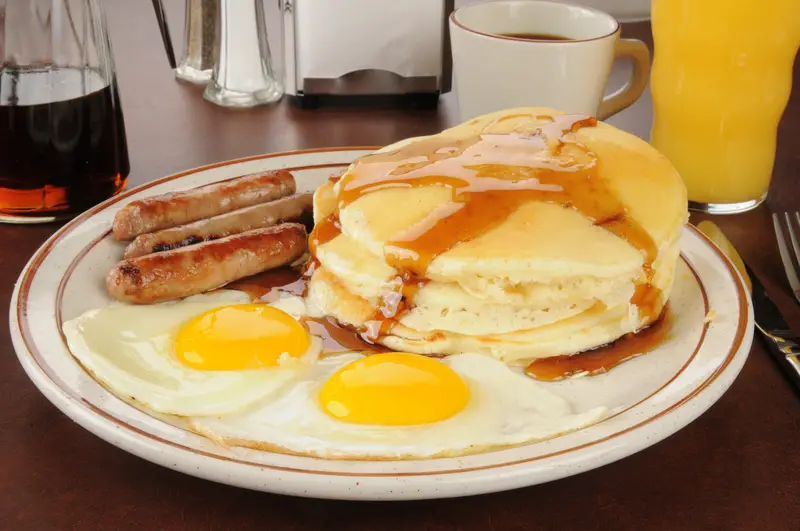
IHOP opened in California in the late 1950s and built its reputation on massive breakfast platters served any time of day. For Boomers watching prices climb everywhere else, IHOP’s single-digit value meals are a relief. Denny’s operates on the same wavelength — open 24 hours, Grand Slam breakfasts, completely predictable in the best possible way.
And then there’s Baskin-Robbins, which actually leads the pack. A YouGov study found 84% of Boomers rate it as their favorite chain in the country. The flavors haven’t gotten weird, and you still get the same little pink tasting spoon. For a generation tired of overcomplicated everything, that simplicity is the entire selling point.
Why the Loyalty Runs So Deep
Here’s the thing about Boomers and chain restaurants that younger generations sometimes miss: it was never just about the food. These places are woven into decades of personal history. The booth at Olive Garden where you celebrated your kid’s college acceptance. The Cracker Barrel off I-75 that you stopped at every single family road trip. The Red Lobster where you went after getting that promotion in 1991.
Boomers don’t chase the new hot spot. They don’t need a restaurant to be trending on social media to validate their choice. They want consistency, big portions, reasonable prices, and a dining room that feels the same as it did 20 years ago. They pick their places and they stay loyal. Period.
That’s why Cracker Barrel customers shut down a renovation. That’s why Olive Garden can run the same breadstick deal for decades and still pack dining rooms. That’s why Sizzler is airing 40-year-old commercials and people are responding. These chains understood something early on: if you give people comfort and never take it away, they’ll come back forever.
