

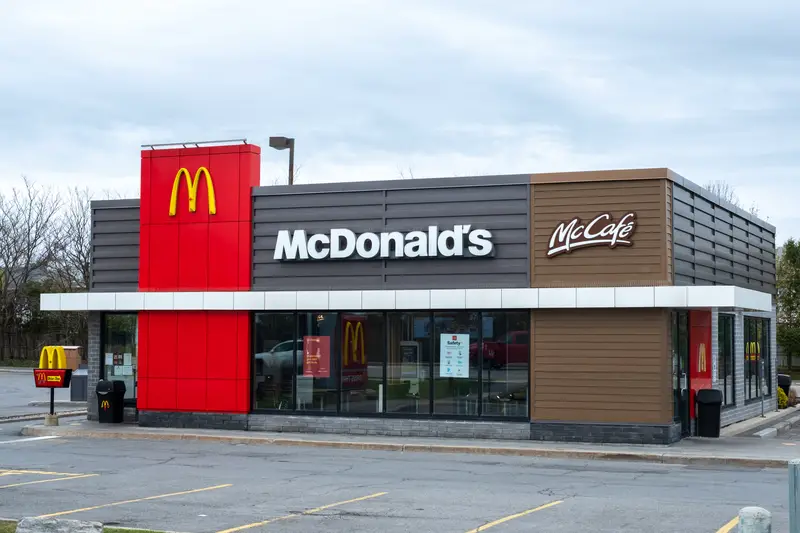
McDonald’s is facing a major boycott that started this week, and it’s not about burgers or fries. A grassroots group called The People’s Union USA is asking people to stop eating at McDonald’s for an entire week, starting June 24. The reason? The fast-food chain rolled back its diversity programs earlier this year, and some customers aren’t happy about it. With over 882 locations in Florida alone and thousands more across the country, this boycott could make a real dent in sales. McDonald’s was already struggling with fewer customers coming through their doors, so this timing couldn’t be worse for the company.
McDonald’s cut back its diversity programs in January
Back in January, McDonald’s made some changes that got people talking. The company stopped setting specific goals for increasing diversity among its top leaders. They also ended a program that encouraged their suppliers to hire more minorities and provide diversity training. McDonald’s said they made these changes because of an “evolving landscape” around diversity programs. Basically, they were responding to pressure from the new presidential administration and changing laws about how companies can handle diversity.
The timing wasn’t random either. President Trump had just returned to office and immediately started signing orders to eliminate diversity programs in federal agencies. He also put pressure on private companies to do the same, calling these programs “illegal.” McDonald’s chief people officer tried to calm things down by saying their actual programs hadn’t changed, just the language they used to describe them. But that explanation didn’t satisfy everyone, especially the people now organizing boycotts.
The People’s Union organized this boycott for specific reasons
John Schwarz founded The People’s Union USA and has been organizing what he calls “economic blackouts” since February. These are basically coordinated boycotts where thousands of people agree not to spend money at certain companies for a set period. McDonald’s is just the latest target on their list. Schwarz told reporters that the diversity rollback was only part of why they’re going after McDonald’s. He mentioned several other complaints, including high prices, low worker pay, tax avoidance, and what he called “exploitation in advertising.”
The group has 451,000 followers on Instagram, which gives them some serious organizing power. In a post announcing the McDonald’s boycott, Schwarz wrote that it’s about more than just burgers and fries. He called it “a show of strength, solidarity, and people-powered change.” The boycott is scheduled to run through June 30, giving people a full week to avoid the golden arches. Whether you agree with their reasons or not, it’s clear they’ve struck a nerve with a lot of consumers who feel like big companies aren’t listening to them.
Other major companies have faced similar boycotts this year
McDonald’s isn’t alone in facing consumer backlash over diversity program changes. Target, Walmart, and several other major retailers have dealt with boycotts from both sides of the political spectrum this year. Target actually reported that ongoing boycotts hurt their sales in the first quarter. Their foot traffic dropped for four straight months, according to data from a company that tracks store visits. Black church leaders led a national boycott against Target starting in March after the company scaled back some of its diversity initiatives.
Companies are caught between two opposing groups of angry customers right now. Conservative activists successfully organized boycotts against Bud Light and Target last year over their support of LGBTQ causes. Now progressive groups are launching their own boycotts against companies that rolled back diversity programs. Walmart, Amazon, Harley-Davidson, and John Deere have all dropped or changed their diversity programs recently. Meanwhile, some companies like Delta Airlines and Costco have publicly said they’re keeping their diversity commitments. It’s a tough spot for any business trying to keep all their customers happy.
McDonald’s was already struggling with declining sales
This boycott comes at a really bad time for McDonald’s. Last month, the company reported its worst quarterly sales in the United States since the early days of the pandemic back in 2020. CEO Chris Kempczinski said customers were “grappling with uncertainty” and not visiting as often. The company has been trying everything to get people back in the door, including value meals, special deals, and promotions. But apparently, none of that was enough to overcome people’s concerns about spending money during uncertain economic times.
Now they’ve got a coordinated boycott on top of their existing problems. Even if the boycott doesn’t last long, it’s generating a ton of negative publicity right when McDonald’s needs positive buzz. The company hasn’t publicly responded to the boycott announcement, which some people see as ignoring the concerns of customers. Others think staying quiet is the smart move to avoid making the situation worse. Either way, McDonald’s executives are probably having some tough meetings right now about how to handle this whole mess without making things worse.
The boycott includes complaints about prices and worker pay
If you’ve been to McDonald’s lately, you’ve probably noticed the prices aren’t what they used to be. A Quarter Pounder meal with fries and a drink can easily cost you twelve dollars or more in many locations. The People’s Union specifically mentioned “price gouging” as one of their grievances against McDonald’s. They’re arguing that the company keeps raising prices on customers while keeping worker wages low. That’s a complaint that resonates with a lot of regular people who remember when McDonald’s was the cheap option for feeding a family.
The group also mentioned that McDonald’s suppresses workers’ rights and union efforts. Fast-food workers have been fighting for higher wages and better working conditions for years now, with mixed results. Some McDonald’s employees make barely above minimum wage, even though the company itself is incredibly profitable. When you combine high prices for customers with low pay for workers, it creates a situation where people on both sides feel like they’re getting a raw deal. That’s exactly the kind of issue that makes boycotts gain traction with everyday consumers.
McDonald’s has deep roots in Black communities
What makes this boycott particularly sensitive is McDonald’s long history with Black franchise owners and customers. For decades, McDonald’s has opened restaurants in predominantly Black neighborhoods and actively recruited Black workers. The company has marketed heavily to Black consumers and built strong relationships in communities of color. Many Black entrepreneurs got their start as McDonald’s franchise owners, and the company was seen as a leader in creating opportunities for minorities in the fast-food industry.
That’s why the rollback of diversity programs feels like a betrayal to some people in those communities. If McDonald’s built its success partly by serving and employing Black customers and workers, then pulling back on diversity commitments seems like forgetting where they came from. The boycott organizers specifically called out what they see as “performative diversity” with no real change. They’re saying McDonald’s talked a good game about diversity but didn’t back it up with meaningful action. Now that political pressure has shifted, they feel like the company showed its true colors by abandoning those commitments.
More boycotts are planned for other companies
The People’s Union isn’t stopping with McDonald’s. They’ve already announced future boycotts targeting Starbucks, Amazon, Home Depot, Walmart, and Lowe’s over the coming months. July is designated as an “economic blackout” month, with boycotts of Starbucks, Amazon, and Home Depot planned throughout the entire month. August will target Walmart, McDonald’s again, and Lowe’s. The group is basically creating a calendar of coordinated consumer activism aimed at major corporations.
Whether these boycotts will actually hurt these massive companies remains to be seen. McDonald’s serves millions of customers every single day across thousands of locations. Even if tens of thousands of people participate in the boycott, that might only be a tiny fraction of their total customer base. But the real impact might not be in the immediate sales numbers. It’s about public perception and creating negative headlines at a time when companies are already dealing with decreased consumer spending. Bad publicity can stick around long after a boycott ends, making people think twice before choosing where to eat.
Companies are stuck between opposing customer demands
Here’s the tricky part for McDonald’s and other big companies: they’re dealing with boycott threats from completely opposite sides. Conservative customers get angry when companies support diversity programs or LGBTQ causes. Progressive customers get angry when companies roll those programs back. There’s no middle ground that makes everyone happy. Whatever choice a company makes, they’re guaranteed to upset somebody. It’s like being stuck between a rock and a hard place, except both the rock and the hard place are made of angry customers with social media accounts.
Some companies are trying to thread the needle by keeping their diversity programs but being quieter about them. Others are making firm stands one way or the other and accepting that they’ll lose some customers. McDonald’s seems to have tried a middle approach by changing their language but claiming their actual programs stayed the same. That strategy clearly didn’t work, since they’re getting boycotted anyway. The lesson here might be that trying to please everyone ends up pleasing no one. Companies might have to accept that they can’t avoid controversy and just commit to whatever values they actually believe in.
The financial impact of boycotts is hard to measure
When a boycott happens, companies rarely admit it hurt their bottom line. Target is one of the few that specifically mentioned boycotts as a factor in declining sales. Most companies blame economic conditions, competition, or changing consumer habits instead. The truth is that it’s really difficult to separate boycott effects from all the other reasons people might stop shopping somewhere. Maybe someone avoided McDonald’s this week because of the boycott, or maybe they just didn’t feel like eating fast food. How do you tell the difference?
What we do know is that McDonald’s reported significantly lower sales even before this boycott started. Adding a coordinated consumer action on top of existing problems certainly doesn’t help. Even if only a small percentage of people actually participate in the boycott, it creates negative buzz that reaches way more people. Your friend who’s boycotting might tell you about it, and now you’re thinking about McDonald’s controversies even if you weren’t planning to boycott yourself. That kind of negative word-of-mouth can be more damaging than the actual lost sales from boycott participants.
The McDonald’s boycott shows how consumer activism has changed in recent years. People aren’t just complaining online anymore—they’re organizing actual economic pressure campaigns. Whether you support this particular boycott or not, it’s clear that customers have figured out they have power when they work together. Companies built their success on consumer dollars, and now consumers are using those dollars to demand changes. McDonald’s faces a choice between riding out the storm or making changes to address customer concerns. Either way, this won’t be the last time a major company faces boycotts from customers who feel betrayed.
