

When you’re trying to lose weight, fruit seems like the obvious choice. It’s natural, packed with vitamins, and way better than reaching for a candy bar, right? Well, doctors are noticing something interesting with their patients who load up on fruit but still can’t seem to drop those extra pounds. The problem isn’t fruit itself, but how people are eating it. One simple mistake turns what should be a healthy snack into something that might actually be working against your weight loss efforts. The fix is pretty straightforward once you know what to look out for, and it might change how you stock your fridge.
Drinking your fruit instead of eating it
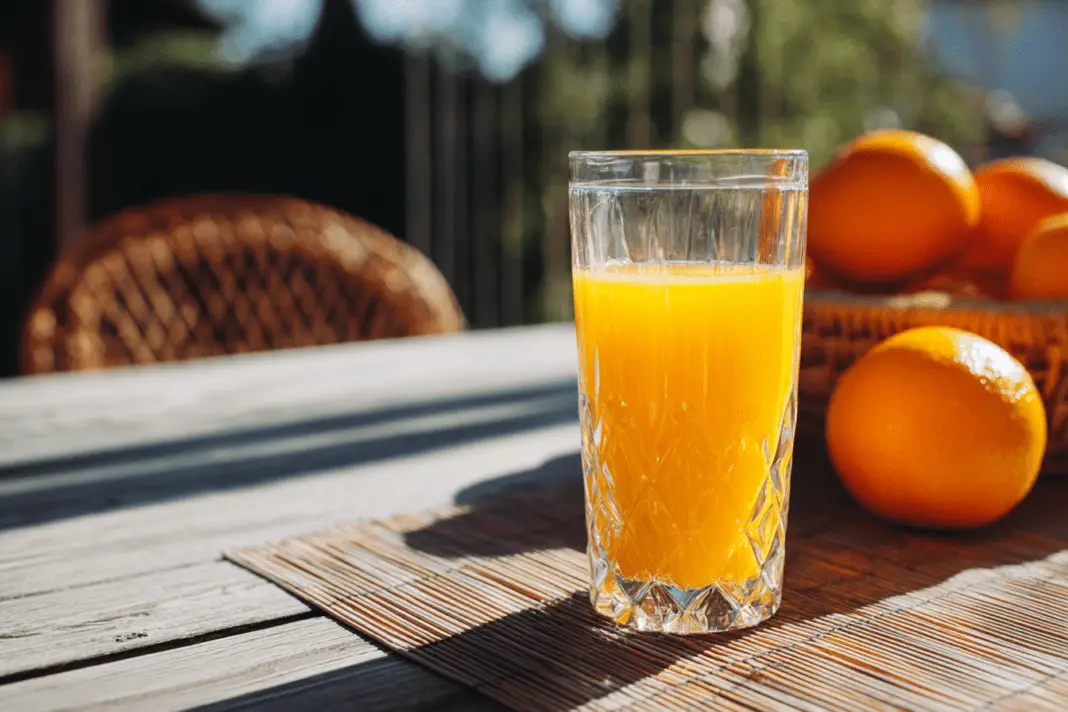
That morning glass of orange juice or afternoon apple juice might seem like a healthy habit, but doctors are warning it could be stalling your weight loss. Dr. Mike Sevilla, a family physician, says he sees this all the time with patients who wonder why they’re not losing weight even though they’ve added more fruit to their diet. The catch is that they’re drinking fruit juice instead of eating whole fruit. A 2024 Harvard study found that just one tall glass of 100% fruit juice daily could actually contribute to weight gain, which sounds crazy when you see all those “excellent source of vitamin C” labels at the store.
The real issue with juice is what’s missing rather than what’s in it. When fruit gets turned into juice, it loses most of its fiber, which is the stuff that fills you up and keeps you satisfied. Without fiber, you end up drinking way more calories than you realize without feeling full. Dr. Sue Decotiis, a medical weight loss doctor in New York City, explains that juice cleanses are especially problematic because they dump too much sugar into your system at once. Your body has to deal with all that sugar instead of burning fat, which is the opposite of what you want when you’re trying to lose weight.
Blood sugar spikes make you hungrier
Ever notice how you can drink a big glass of juice and feel hungry again an hour later? That’s your blood sugar doing a roller coaster ride. Dr. Mir Ali, a bariatric surgeon in California, points out that fruit juices are low in fiber, which means the sugar hits your bloodstream fast and hard. Your insulin levels spike to handle all that sugar, then they crash, leaving you feeling tired and craving more food. It’s a vicious cycle that makes sticking to any weight loss plan really tough.
Whole fruit behaves completely differently in your body. The fiber in an actual apple or orange slows down how quickly the sugar gets absorbed, so you don’t get those crazy ups and downs. Dr. Decotiis mentions that eating fruit with protein or as part of a meal helps even more because it keeps your blood sugar steady throughout the day. This means fewer cravings and less chance you’ll raid the snack cabinet at 3 PM because you’re suddenly starving. The difference between eating an orange and drinking orange juice might seem small, but your body treats them like totally different foods.
Calories add up faster than you think
Think about how many oranges it takes to make one glass of juice. Probably three or four, right? Now ask yourself if you’d actually sit down and eat four oranges in one sitting. Probably not, because you’d feel pretty full after one or two. That’s the sneaky thing about juice – it concentrates all those calories into something you can gulp down in a minute. Dr. Sevilla explains that the calorie content in fruit juices is much higher and more concentrated than in whole fruit, which means you’re consuming way more without even realizing it.
A medium apple has about 95 calories and keeps you satisfied for a while because of all that fiber. But a cup of apple juice has around 110-120 calories with none of the filling fiber, and most people drink more than a cup at a time. If you’re having juice with breakfast, as a snack, and maybe with dinner, those calories really start to pile up. When you’re trying to create a calorie deficit to lose weight, this can completely throw off your progress without you understanding why. Switching from juice to whole fruit is one of the easiest ways to cut hundreds of calories from your day without feeling like you’re missing out.
Making whole fruit more enjoyable
Some people gravitate toward juice because they find plain fruit kind of boring, which is totally understandable. Dr. Sevilla gets asked about this constantly and has some pretty good suggestions for mixing things up. You don’t have to just bite into an apple and call it a day. Try tossing diced apples or pears into your salad with some walnuts and feta cheese. The sweet fruit works really well with the salty cheese, and suddenly you’ve got something that tastes way more interesting than a regular salad. At breakfast, mix berries into cottage cheese or Greek yogurt for a combination that hits different taste notes.
The key is balancing nutrients so the fruit isn’t sitting in your stomach by itself. When you pair fruit with protein or healthy fats, it keeps you full longer and helps control those blood sugar swings. Greek yogurt with berries gives you protein and fiber together. Apple slices with peanut butter combine fiber with protein and fat. These combinations taste good and actually help your body process the fruit sugar more slowly. You’re not trying to avoid fruit – you’re just eating it in a way that supports your weight loss instead of working against it.
Vegetables deserve more attention
Here’s something that might surprise you – if you’re eating enough vegetables, you really don’t need that much fruit. Dr. Decotiis says that vegetables have less sugar, way more fiber on average, and just as many nutrients as fruit. She points out that if you’re getting plenty of vegetables throughout the day, you only need about one piece of fruit. Most people think they need to eat tons of fruit to be healthy, but vegetables do the heavy lifting when it comes to vitamins, minerals, and fiber. Plus, you can eat way more vegetables for the same number of calories as fruit.
Cucumbers are technically a fruit that Dr. Blake Livingood calls nature’s solution for energy. He explains they contain most of the vitamins and minerals you need every day, including B vitamins for energy and minerals like calcium and magnesium that most people don’t get enough of. A whole cucumber has barely any calories but tons of fiber and water, which helps with both weight loss and feeling full. When you hit that afternoon energy slump, grabbing a cucumber instead of an energy drink or soda gives you actual nutrients without the sugar crash that comes later.
Picking the right fruits matters
Not all fruits affect your blood sugar the same way, which is pretty important when you’re watching your weight. Dr. Ali recommends choosing fruits with a lower glycemic index because they cause fewer blood sugar spikes. Berries are great for this – strawberries, blueberries, raspberries, and blackberries all have less sugar than tropical fruits like pineapple or mango. Citrus fruits like oranges and grapefruit also rank lower on the glycemic index. These fruits still taste sweet and satisfying, but they won’t send your blood sugar on that wild ride that leaves you hungry and tired.
Dr. Decotiis points out that apples and avocados are excellent choices because they’re higher in fiber. Yes, avocado is technically a fruit, not a vegetable, which blows some people’s minds. The fiber in these fruits slows down digestion and helps you stay full longer between meals. When you’re at the grocery store, think about berries, apples, pears, and citrus fruits as your go-to options. Save the super sweet tropical fruits for occasional treats rather than everyday snacks. This doesn’t mean those fruits are bad – they just pack more sugar per serving, so they’re better in smaller amounts or mixed with other foods.
Fiber is the forgotten nutrient
Quick question – do you know how much fiber you’re supposed to eat every day? Most people have no clue, and doctors say that’s a big problem. Dr. Sevilla calls 30 grams the magic number, but he sees patients in his clinic who are only getting between 10 and 15 grams daily. That’s a huge gap, and it makes a real difference when you’re trying to lose weight. Fiber fills you up, helps with digestion, keeps your bathroom schedule regular, and even helps control your appetite. Without enough fiber, you’re fighting an uphill battle no matter how hard you’re trying to cut calories.
Getting to 30 grams doesn’t mean you have to eat nothing but salad and whole wheat bread all day. Small switches add up quickly. Kiwi fruits are an underrated option that gastroenterologist Dr. Saliha Mahmood-Ahmed says can really help, especially with constipation. She mentions that eating two kiwis a day helps things move through your digestive system smoothly because they’re packed with fiber. You can also add chia seeds to your yogurt or smoothies, switch from white bread to whole grain, or just make sure you’re eating the skin on apples and pears instead of peeling them off.
The skin makes a difference
Speaking of fruit skins, a lot of people automatically peel everything without thinking about it. That’s actually throwing away some of the best parts. Dr. Livingood explains that keeping the skin on cucumbers gives you way more nutrients than peeling them first. The same goes for apples, pears, and even kiwis if you can handle the fuzzy texture. Most of the fiber and a lot of the vitamins hang out in or just under the skin. When you peel fruit, you’re basically tossing out the stuff that helps with weight loss and keeps you feeling full.
If the texture bothers you or you’re worried about pesticides, give your fruit a good scrub under running water before eating it. For conventional produce, you can use a produce wash or just regular water with a little vinegar. Organic fruit is another option if you want to avoid pesticide residue, though it costs more. The point is that eating fruit with the skin on gives you more bang for your buck nutrition-wise. You get more fiber, more vitamins, and more of that satisfied feeling that keeps you from reaching for snacks an hour later. It’s a simple change that doesn’t cost anything and makes your fruit work harder for you.
Timing and portions still count
Even with whole fruit, you can overdo it. Dr. Decotiis reminds people that fruit contains fructose, which is still sugar even though it comes from a natural source. Eating five apples a day isn’t necessarily better than eating two, and all that sugar can add up regardless of where it comes from. Think of fruit as part of your overall eating plan, not something you can have unlimited amounts of just because it’s healthy. One to three servings of fruit per day is plenty for most people, especially if you’re also eating vegetables and getting fiber from other sources like whole grains and legumes.
When you eat fruit matters too. Having it as part of a meal or paired with protein works better than eating it alone on an empty stomach. A piece of fruit by itself at 4 PM might give you a quick energy boost, but you’ll probably feel hungry again pretty soon. That same piece of fruit with a handful of nuts or a piece of cheese keeps you going much longer. Some people find that eating most of their fruit earlier in the day works better for them, while others prefer fruit as an after-dinner dessert. Pay attention to how different timing affects your hunger and energy levels, then adjust based on what works for your body and schedule.
The bottom line is that fruit isn’t the enemy when you’re trying to lose weight, but drinking it instead of eating it can definitely slow down your progress. Stick with whole fruit, keep the skin on when possible, pair it with protein or healthy fats, and remember that vegetables should be doing most of the heavy lifting in your diet. These simple switches can make the difference between feeling frustrated that the scale won’t budge and actually seeing the results you’re working toward. Your body will thank you for the fiber, and your weight loss goals will finally start lining up with your efforts.
