

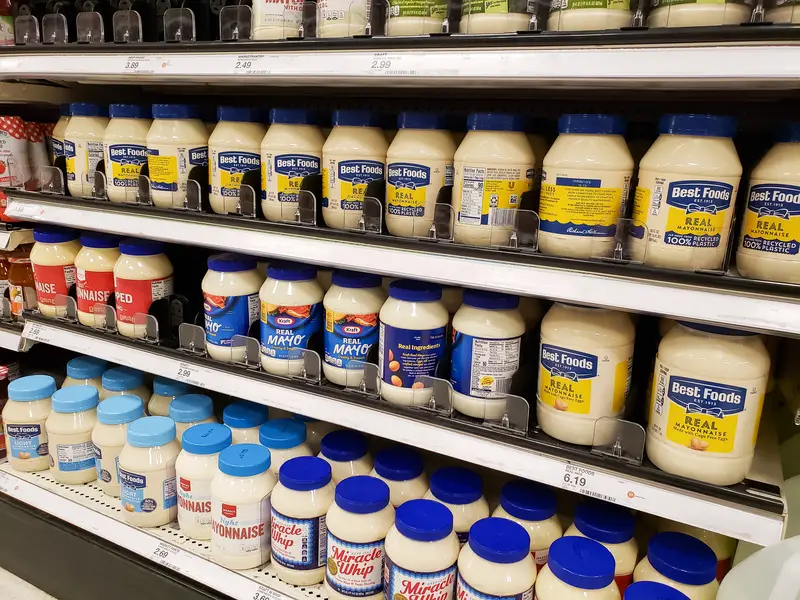
Most people grab the same mayo jar every single time they shop without thinking twice about it. Maybe it’s the brand your parents bought, or maybe you just picked one years ago and stuck with it. But not all mayonnaise is created equal, and some brands are absolutely worth avoiding. After looking at multiple taste tests from food experts who sampled dozens of options, one brand consistently landed at the bottom of the rankings. The good news? There are plenty of better options sitting right next to it on the shelf, and knowing which ones actually taste good can transform your sandwiches forever.
Kraft mayo keeps disappointing in every single test
When you see a jar that needs to advertise itself as “real mayo” right on the label, that’s already a bad sign. Kraft ranked dead last in one major taste test, and testers weren’t shy about pointing out its problems. The color looks weirdly bright and unnaturally white instead of the soft cream color that good mayo should have. The texture feels airy and whipped rather than rich and smooth, which suggests something went wrong in how it was made.
The biggest issue with Kraft is that it tastes like absolutely nothing. There’s fat, sure, but none of the eggy richness or tangy brightness that makes mayo worth eating. It just sits there on your sandwich doing the bare minimum, adding moisture without any actual taste. What makes it worse is that Kraft isn’t even cheap compared to other brands, so you’re not saving money by choosing this bland option. It’s easy to find in stores across the country, but being available everywhere doesn’t make it good. If you already have a jar at home, your best bet is mixing it with other ingredients to make dips or sauces where its lack of personality won’t matter as much.
Hellmann’s consistently wins taste tests for good reason
If you want to know which mayo actually tastes good, Hellmann’s earned the top spot in multiple rankings. Testers described it as “eggy pudding” in the best possible way, with a rich, decadent texture that feels like someone made it by hand in a kitchen. It has that custardy consistency that sets great mayo apart from mediocre options, and the balance between richness and tanginess hits perfectly. Unlike Kraft’s weird artificial whiteness, Hellmann’s has the proper cream color you want to see.
What makes Hellmann’s work so well is that it doesn’t try to be subtle. It’s packed with fat and egg taste, but it also has enough acid to keep things bright and interesting. The texture stays smooth and spreadable without getting oily or separated, which matters when you’re making potato salad or spreading it on a BLT. It might not have the super sharp citrus bite of some Southern brands, but that makes it more versatile for different uses. Whether you’re mixing it into tuna salad or dolloping it on a burger, Hellmann’s just works. The brand has been around forever for a reason, and this is one case where the most popular option actually deserves its reputation.
Duke’s brings serious tanginess that Southerners swear by
Ask anyone from the South about mayonnaise and they’ll probably mention Duke’s before you even finish your question. This brand has a devoted following for its sharp, citrusy bite that ranked near the top in serious taste tests. Duke’s uses actual citrus juice rather than just vinegar, which gives it a brightness that other brands can’t match. It also skips added sugar completely, which is unusual for store-bought mayo and makes the tangy notes really stand out. The texture is super creamy and smooth, almost like something you’d make at home.
The main thing to know about Duke’s is that it leans heavily into that acidic punch. If you like mayo that announces itself rather than hiding in the background, this brand delivers exactly that. Some people found the texture slightly too slick or oily compared to thicker options, but the trade-off is worth it for that distinctive citrus taste. Duke’s works especially well in dishes where you want the mayo to add real character, like deviled eggs or chicken salad. It’s been made in South Carolina since 1917, and Southern cooks have trusted it for over a century because it consistently tastes like fresh aioli rather than factory-made slop.
Kewpie brings Japanese umami that changes everything
That squeeze bottle with the cute baby on the front isn’t just for show. Kewpie mayo from Japan tastes completely different from American brands because it uses only egg yolks instead of whole eggs, plus it adds MSG for extra savory depth. The result is a mayo that’s richer and more custardy than anything made in the United States, with a unique umami punch that makes it perfect for certain dishes. It also uses rice vinegar along with other types, which gives it a milder tang than the harsh vinegar bite of some American options.
Kewpie shines when you use it for Asian-inspired dishes or anywhere you want that deep, eggy richness. Some testers noted it had an almost fishy quality, which comes from the MSG and likely the specific oils used in Japanese production. That sounds weird, but it actually works great on sushi, in fried rice, or mixed into spicy mayo for poke bowls. The texture is incredibly smooth and almost runny compared to thicker American brands, which makes it easy to drizzle or squeeze in decorative patterns. If you grew up eating this stuff, no American mayo will ever measure up. Even if you didn’t, it’s worth trying just to understand why it has such a passionate following.
Blue Plate offers Southern quality without the hype
While Duke’s gets all the attention as the famous Southern mayo, Blue Plate quietly delivers similar quality without as much fanfare. This brand combines the sharp tanginess of Duke’s with a slightly eggier taste that some people prefer. It’s been made in New Orleans since the 1920s, and like Duke’s, it built its reputation by actually tasting good rather than spending tons on advertising. The texture hits that sweet spot between too thin and too thick, making it easy to spread without being gloppy.
Blue Plate works as a great middle ground if you find Duke’s too aggressively tangy but don’t want the milder taste of Hellmann’s. It has enough personality to stand out in potato salad or coleslaw, but it won’t overwhelm more delicate sandwiches. Some taste tests ranked it lower than expected, with testers finding it a bit too greasy, but that seems to vary depending on the specific batch or how it was stored. The price point usually sits right between budget brands and premium options, making it a solid choice when you want quality without paying extra for fancy packaging or marketing.
McCormick makes surprisingly good chipotle mayo
Most people know McCormick for spices rather than condiments, but their chipotle mayo surprised testers by tasting legitimately homemade rather than processed. It has real smoky chipotle pepper taste without any weird chemical aftertaste, and the garlic comes through clearly without being overpowering. The texture is thicker than regular mayo, almost like Kewpie, which makes it perfect for spreading on sandwiches or using as a dip. If you’ve ever tried making chipotle mayo yourself by mixing canned chipotles into regular mayo, this tastes remarkably similar.
The chipotle version isn’t the only McCormick mayo worth trying. They also make a lime juice version that works great for tacos or anything with Tex-Mex vibes. The lime adds brightness without being sour, and there’s a hint of red pepper for extra interest. Both versions use higher quality ingredients than you’d expect from a mass-produced condiment, which explains why they taste so much better than throwing some hot sauce into cheap mayo. They cost a bit more than basic brands, but still way less than fancy artisanal options. These are the kind of mayos you keep in your fridge for when you want to make something feel special without actually doing extra work.
Miracle Whip divides people but isn’t really mayo
Here’s the thing about Miracle Whip: it’s not actually mayonnaise at all. The ingredient list puts high fructose corn syrup as the second ingredient after oil, which explains why it tastes so sweet and tangy compared to real mayo. Taste tests consistently rank it lowest when comparing it directly to mayonnaise, with testers calling out its cloying sweetness and artificial taste. Some people compared it to pickle juice, which isn’t exactly a compliment when you’re trying to make a sandwich.
That said, Miracle Whip has its place if you understand what you’re getting. It works fine in heavily seasoned dishes like coleslaw or certain types of potato salad where the sweetness can actually help balance other strong tastes. Some families have used it for generations and prefer that tangy-sweet taste over regular mayo. The problem is trying to use it as a direct substitute for mayonnaise in recipes that need the richness and subtle acidity that real mayo provides. If you grew up with Miracle Whip and love it, nobody’s stopping you. Just don’t expect it to perform like actual mayonnaise in most applications, because it’s fundamentally a different product.
Store brands often disappoint despite lower prices
Those generic mayo jars from Whole Foods 365, Great Value, or other store brands might save you a dollar, but they usually compromise on taste. Whole Foods 365 ranked particularly low in testing, with an overtly fishy smell and taste that testers found off-putting. The main problem comes from using canola oil, which can develop fishy notes if it’s not super fresh or if it wasn’t stored properly. The balance between sweet and tangy also tends to be off, leaning too far toward harsh vinegar without enough richness to balance it out.
Wegmans is one exception where the store brand actually performs decently. It won’t blow your mind, but it has proper color and texture with a mild, inoffensive taste that works for basic sandwich duty. The jar is usually huge and cheap, which makes it practical for feeding a crowd at a barbecue where nobody’s analyzing the mayo too carefully. Most other store brands fall into the trap of trying to save money on ingredients, which shows up immediately in the texture and taste. If you’re only using mayo occasionally for simple sandwiches, maybe the savings matter enough to overlook the mediocre quality. But if you actually care how your food tastes, spending an extra dollar or two for a name brand makes a real difference.
Avocado oil mayo tastes different but not necessarily better
Brands like Primal Kitchen and Sir Kensington’s use avocado oil instead of the standard soybean or canola oil, which gives their mayo a distinctly different taste. The avocado oil adds a slight nuttiness and grassy note that some testers found unusual compared to traditional mayo. These products also tend to be eggier and denser than regular options, with a richness that can feel heavy if you’re not expecting it. The acidity is often too restrained, which leaves the overall taste feeling flat and overly fatty without enough brightness.
The appeal of avocado oil mayo comes more from the ingredient list than the actual taste. If you’re trying to avoid seed oils or want cleaner ingredients without artificial additives, these brands deliver on that promise. They cost significantly more than standard mayo though, sometimes double the price or more. That premium might be worth it if you have strong feelings about which oils you consume, but purely from a taste perspective, most people prefer the cleaner, more neutral taste of regular mayo. The avocado oil taste works better in certain applications like veggie wraps or as a base for fancy aioli, but for a basic turkey sandwich or tuna salad, it adds a complexity that isn’t always welcome.
So which mayo should you actually buy? Skip Kraft and its flavorless, overpriced mediocrity. Instead, grab Hellmann’s for reliable quality that works in everything, or try Duke’s if you want that Southern-style tang. Kewpie deserves a spot in your fridge if you make Asian-inspired dishes regularly, and those McCormick flavors are worth keeping around for when you want to make ordinary sandwiches feel special. The next time you’re standing in the condiment aisle, remember that all those jars aren’t the same despite looking similar. A good mayo makes your sandwiches better, your salads creamier, and your burgers more satisfying, while a bad one just takes up space in your fridge.
