

Most people have wandered into a Mexican restaurant that looked promising from the outside, only to realize halfway through their meal that something’s seriously off. Maybe the tacos tasted weirdly bland, or the tortillas had that rubbery texture that makes you wonder if they came from a bag that’s been sitting in a warehouse for months. The truth is, there are clear warning signs that separate amazing Mexican spots from the ones you should probably skip. Some of these red flags are obvious, while others require a bit more knowledge to spot. Once you know what to look for, though, you’ll never waste money on disappointing Mexican food again.
Fajitas signal a restaurant focused on American preferences
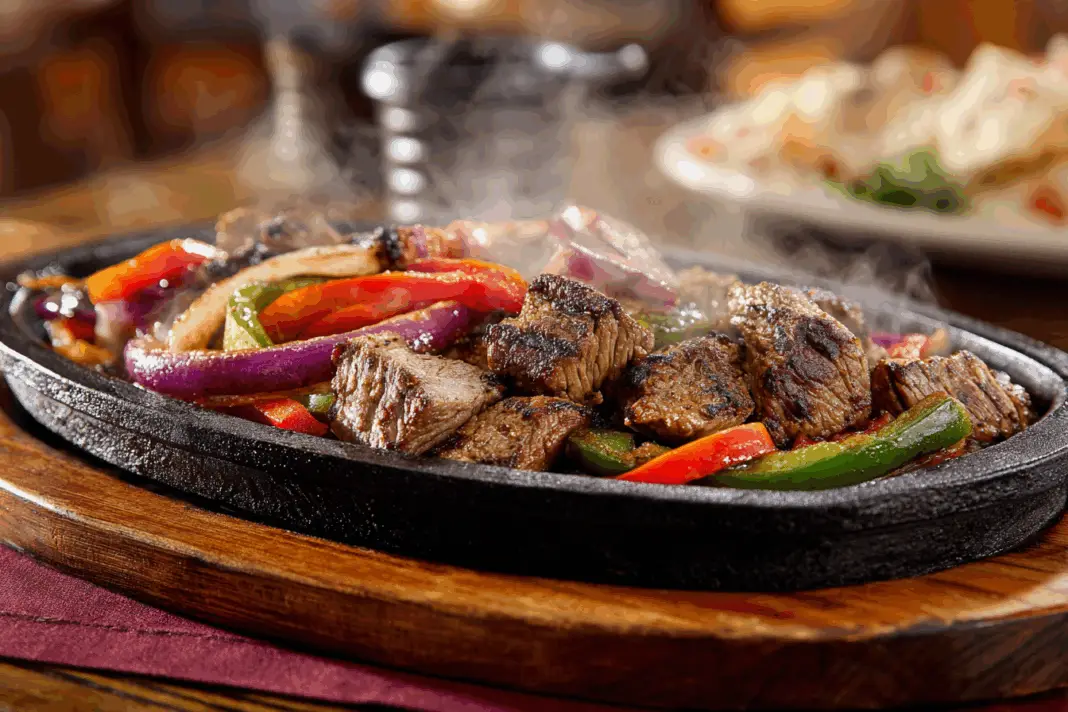
That sizzling platter of fajitas might look impressive as it passes by your table, sending up dramatic clouds of steam. The presentation alone turns heads and makes everyone wonder if they should have ordered that instead. But according to experts, fajitas are actually a red flag when you’re looking for authentic Mexican food. They’re not a traditional Mexican dish at all. The history of fajitas traces back to Texas ranches in the 1930s, where workers received less desirable cuts of beef like skirt steak as part of their pay. These ranch hands figured out how to make the tough meat tasty by grilling it and wrapping it in tortillas.
Fajitas didn’t even appear in restaurants until the 1960s, and the sizzling platter presentation everyone recognizes today wasn’t invented until the 1970s. By the 1980s, they became a Tex-Mex staple rather than an authentic Mexican dish. Real Mexican cuisine varies dramatically depending on the region, from seafood-heavy coastal dishes to the complex mole sauces of Oaxaca. When a restaurant prominently features fajitas on their menu, it suggests they’re catering to what Americans expect rather than showcasing genuine Mexican cooking traditions. This doesn’t mean the food will taste bad, but it does mean you’re getting a very different experience than what you’d find in Mexico itself.
Store-bought tortillas reveal a lack of attention to basics
The tortilla situation at any Mexican restaurant tells you almost everything you need to know about how much they care. Cold tortillas straight from a grocery store package, served without even warming them up properly, show a serious lack of respect for the foundation of Mexican cooking. These mass-produced versions have zero personality and usually taste like cardboard with a weird chemical aftertaste. Fresh tortillas should smell like corn when they arrive at your table, not like plastic packaging. They should feel soft and pliable in your hands, bending easily around whatever filling you’re eating without cracking into pieces or turning into a chewy mess that sticks to your teeth.
According to food experts, tortillas shouldn’t crack when you fold them, which is a dead giveaway that they’re not fresh. An unnatural texture means poor quality every single time. The best Mexican restaurants make their tortillas fresh throughout the day, sometimes right in front of customers. While corn tortillas are most common in central and southern Mexico, flour tortillas have a legitimate place in northern Mexican cuisine. Either way, what matters most is that your tortillas arrive warm, fragrant, and recently made. When a restaurant treats tortillas as an afterthought rather than the star of the show, you can bet the rest of the food won’t be much better.
Pre-mixed margaritas mean shortcuts everywhere else too
A margarita is often the first thing people order at a Mexican restaurant, and it reveals a lot about what’s happening in the kitchen. Restaurants that pour margaritas from a pre-made mix or use processed lime juice are taking the easy way out. A proper margarita needs fresh lime juice and quality tequila, period. You can spot a fake margarita before even tasting it by looking at the color. That bright artificial green shade screams artificial ingredients, while real margaritas have a natural pale yellow-green color from actual limes. The taste difference is even more obvious once you take that first sip.
Quality tequila made from 100% blue agave has a smooth, complex taste that doesn’t burn your throat on the way down. Cheaper tequilas contain only 51% agave and taste harsh and bitter no matter how much sugar gets added. Fresh ingredients like lime juice and quality tequila should be standard, not optional upgrades. Pre-made mixes taste way too sweet and lack that bright, tart punch of fresh citrus. Even if you’re not a tequila expert, your mouth knows the difference immediately. When a restaurant cuts corners on something as simple as a margarita, imagine what shortcuts they’re taking with more complicated dishes that require hours of preparation.
Limited drink options show an Americanized approach
Walk into a Mexican restaurant that only serves regular soda and pre-mixed margaritas, and you’re probably in for a pretty generic experience. Authentic Mexican restaurants offer traditional drinks that you won’t find at every corner store. Aguas frescas are refreshing fruit or grain-based drinks that come in varieties like horchata, which is made from rice and cinnamon. Jamaica is made from hibiscus flowers and has a tart, cranberry-like taste. Tamarindo comes from tamarind fruit and offers a sweet and sour combination that’s surprisingly addictive. Some places even make seasonal options like pineapple water that changes based on what’s fresh and available.
Other good signs include Mexican Coke made with cane sugar instead of high fructose corn syrup, or colorful Jarritos sodas in flavors like tamarind, mandarin, and lime. During cold weather, watch for warming drinks like champurrado, which is a thick chocolate drink made with corn, or atole, a warm corn-based drink that comes in different varieties. For alcohol, look beyond basic margaritas to quality mezcales and tequilas, micheladas made with beer and spices, or palomas made with tequila and grapefruit soda. When a restaurant offers these traditional drinks, it shows they care about representing Mexican culture beyond the stereotypical combo plate and frozen margarita.
Missing Mexican desserts means missing authentic experience
Plenty of Mexican restaurants stop trying once they’ve served the main course, offering nothing but fried ice cream or flan for dessert. But Mexican dessert culture is way more interesting than that limited selection suggests. Mexican chocolate stands out because it typically includes cinnamon and sometimes a hint of chile, creating a complex taste that regular chocolate can’t match. Other classics worth looking for include tres leches cake, which is soaked in three types of milk until it’s incredibly moist. Sopapillas are fried pastries dusted with cinnamon sugar, and churros are fried dough sticks coated in sugar that are perfect for dipping in chocolate.
The really special restaurants offer pan dulce, which are Mexican sweet breads that come in various shapes and varieties. You’ll see conchas with their shell-patterned tops or marranitos shaped like little pigs. Pan dulce feels nostalgic and special because these breads are deeply connected to Mexican food culture and family traditions. Seasonal desserts show even more dedication to tradition. Capirotada is a bread pudding made during Lent that contains fruits, nuts, and cheese in a sweet syrup. Atole is a thick, warm corn-based drink that’s perfect for winter. When a restaurant skips these traditional sweet treats, they’re missing an important opportunity to show the full range of Mexican cooking beyond tacos and burritos.
No regional specialties means no real expertise
Mexican cuisine varies dramatically depending on which region the food comes from, influenced by local ingredients, indigenous traditions, and historical connections. A menu that only offers the same tired combination plates suggests the restaurant doesn’t really understand this diversity. Mexico has seven distinct food regions, each with its own personality and signature dishes. Northern Mexico features ranch-style cooking with grilled meats and flour tortilla burritos. Baja California specializes in seafood and invented the fish taco. Central Mexico, including Mexico City, is famous for street food like tacos and tortas. Oaxaca and the Pacific coast celebrate indigenous ingredients like corn, cacao, and black beans.
Good restaurants showcase regional dishes like tacos al pastor, which is marinated pork cooked on a vertical spit with pineapple. This Mexico City street food classic came from Lebanese immigrants who brought their shawarma-cooking technique and inspired something totally new. Sopes are thick corn cakes with pinched edges that create a bowl for holding toppings like beans, meat, and salsa. House-made mole signals serious dedication because these complex sauces contain more than 20 ingredients and take days to prepare properly. Pozole is a hominy-based soup with roots going back to pre-Hispanic times. Birria from Jalisco features stewed meat with rich broth for dipping. When restaurants feature these regional specialties, it shows they have real knowledge and aren’t just reheating frozen food.
Pre-made seasoning packets show lazy cooking habits
Those little packets of taco seasoning you see at the grocery store have no place in a real Mexican restaurant kitchen. Authentic Mexican cooking builds flavor by carefully layering individual spices and fresh ingredients, not by dumping in a pre-mixed powder that tastes the same everywhere. The basic building blocks for Mexican seasoning are simple: garlic, onion, oregano, and maybe some chile powder. That’s it. Nothing fancy or complicated, just quality ingredients used in the right proportions. Commercial taco seasoning packets taste overwhelmingly salty with too much cumin, creating a one-note flavor that hits you all at once instead of revealing itself gradually.
The real problem with pre-made taco seasoning is how it erases all the beautiful regional differences in Mexican cooking. The Yucatán uses a lot of achiote, which gives food a distinctive reddish color and earthy taste. Oaxaca is famous for seven different types of mole, each with its own complex combination of dried chiles. Veracruz cooking features bright, fresh herbs that get added at specific times to preserve their taste. Pre-mixed packets can’t capture any of this regional personality. Real Mexican cooking involves toasting spices to release their oils before using them, or adding fresh cilantro and epazote at just the right moment. These techniques take time and knowledge, which is exactly why restaurants that rely on seasoning packets are taking shortcuts that show up in every single dish.
Taco Bell represents the bottom of the barrel
When experts taste-tested major Mexican restaurant chains, Taco Bell landed dead last by a significant margin. The ingredients are questionable at best, and the taste doesn’t make up for it. There’s an interesting fact that tells you everything you need to know: Taco Bell has zero locations in Mexico. The company executives understood that hard-shelled tacos and Crunchwrap Supremes would never fly with actual Mexican people who know what their food is supposed to taste like. Even the more traditional menu items at Taco Bell rank poorly compared to other chains. Their nachos came in last place when compared to 11 different restaurant chain nachos.
The ingredient quality is what really sets Taco Bell apart in the worst way possible. The beans arrive at each location as dried-out pellets that look more like rabbit food than anything meant for human consumption. The beef develops a slimy gel on top if you don’t eat it immediately after unwrapping. People on Reddit constantly complain that Taco Bell gives them digestive problems, heartburn, and sometimes even food poisoning at rates much higher than other fast food places. The sour cream tastes more like chemicals than dairy. Orders get messed up more frequently than at other chains. For better options, Baja Fresh makes everything without microwaves, freezers, or can openers. Moe’s Southwest Grill offers friendly service, scratch-made food, and bottomless chips and salsa while you wait.
Long menus with non-Mexican items spread quality too thin
A menu that goes on for pages, featuring everything from pizza to sushi alongside the tacos, should make you nervous. When you see burgers, pasta, and chicken wings listed at a Mexican restaurant, something weird is happening. These random items usually exist just to make picky eaters in a group happy, not because the kitchen actually knows how to cook them well. Nobody goes to a Mexican restaurant because they heard the spaghetti is amazing. It makes zero sense. Trying to master multiple completely different cuisines in one kitchen means the cooks are spreading themselves way too thin to do anything particularly well.
Authentic restaurants understand their strengths and stick to what they do best. Long restaurant menus are red flags at any type of place, not just Mexican ones. Their energy goes into perfecting dishes like enchiladas, tamales, and tacos instead of trying to make a decent cheeseburger as an afterthought. Even if beans and rice aren’t your favorite things, Mexican restaurants offer plenty of variety within their own cuisine. You can find zesty ceviche made with fresh seafood, warming tortilla soup, grilled meats, quesadillas, and countless other options. When a menu stays focused on Mexican and maybe Tex-Mex dishes, it signals that the kitchen knows exactly what they’re doing and takes pride in doing it right every single time.
Finding a great Mexican restaurant doesn’t have to be a guessing game once you know what warning signs to watch for. Cold store-bought tortillas, pre-mixed margaritas, missing regional specialties, and those sizzling fajita platters all tell you something important about how a restaurant approaches food. The best places make their tortillas fresh, squeeze real limes into their drinks, offer traditional beverages and desserts, and showcase the incredible diversity of Mexico’s different regions. They use individual spices instead of seasoning packets and keep their menus focused on what they actually know how to cook. Next time you’re choosing where to eat, take a minute to look around and notice these details before you order. Your next taco should be worth every bite.
