

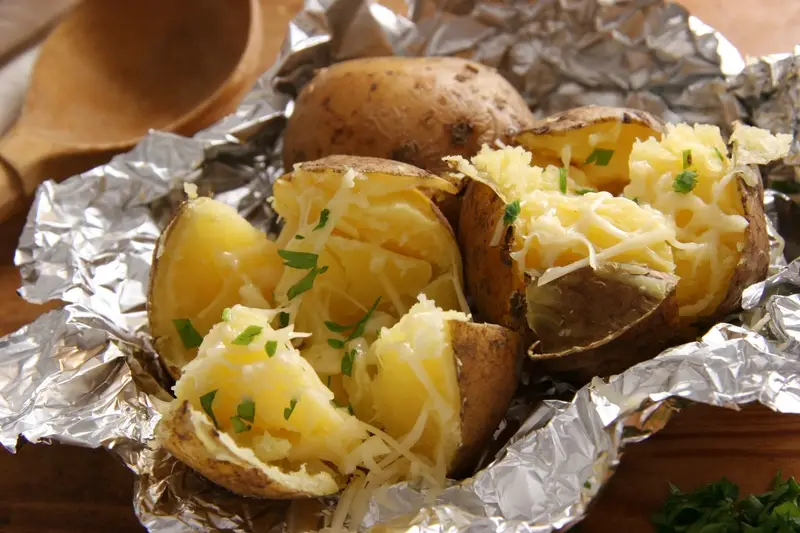
Most people think baked potatoes are the easiest thing to make. Just throw them in the oven or microwave, wait a bit, and boom – dinner is ready. Except, there’s a whole world of difference between a sad, underwhelming baked potato and one that has crispy skin on the outside and creamy, fluffy insides. Turns out, most of us have been getting it wrong this whole time. From choosing the wrong potatoes to skipping important steps that make all the difference, these common mistakes are standing between you and the best baked potato of your life.
Not all potatoes work the same way
When you’re standing in the produce section staring at all those different potatoes, it’s tempting to just grab whatever looks good. But here’s the thing: not all potatoes are created equal when it comes to baking. Russet potatoes are what you need. They’re the big, brown ones with slightly rough skin, and they’re starchy in all the right ways. That starchiness is what gives you that light, fluffy texture inside once they’re baked. Other types like red potatoes or Yukon golds are great for other things, but they’re too waxy for a proper baked potato.
Size matters too, and bigger really is better here. According to experts, you should pick the biggest Russets you can find because this isn’t meant to be a side dish. A baked potato should be the main event, something that can hold all your toppings like butter, sour cream, cheese, and bacon without falling apart. Small potatoes just don’t have enough room for all that good stuff. Plus, when you’re going through all this effort to make the perfect baked potato, you want it to be worth it.
Microwaving shortcuts ruin the whole thing
We’ve all been there. It’s been a long day, and the microwave seems like such an easy solution. Just poke some holes in the potato, zap it for a few minutes, and dinner’s done. While this definitely works when you’re in a pinch, the texture you get from a microwaved potato is nothing like what you get from the oven. Microwaved potatoes end up kind of dense and gummy, without that incredible contrast between crispy skin and fluffy insides. The microwave steams the potato from the inside out, which makes it cook faster but also makes it less special.
The oven takes longer, sure, but the dry heat does something magical. It creates that gorgeous golden-brown, almost crackly skin that’s honestly the best part of the whole potato. Inside, the heat works differently too, creating a much creamier texture throughout. Some people try to split the difference by starting in the microwave and finishing in the oven, but even that’s not quite the same. If you want a truly great baked potato, you’ve got to commit to the full oven experience.
Placing potatoes directly on the pan causes problems
Here’s something most people never think about: where exactly you put your potato in the oven matters. If you just plop it directly onto a baking sheet, you’re going to end up with a flat, dark brown spot on the bottom where it was touching the pan. That part gets overcooked and sometimes even burns a little, while the rest of the potato is perfect. It’s such a small thing, but it makes your potato look less appetizing and creates an uneven texture.
The solution is simple: create some space between the potato and the pan. Some people use a wire rack set over their baking sheet, which lets air circulate all around the potato. Another trick is to make a little mound of kosher salt on your baking sheet and nestle the potato on top of that. Either way, the goal is to let hot air reach every part of the potato evenly. You could also wrap your potato in foil, but then you’re sacrificing that crispy skin everyone loves, so it’s a trade-off.
Taking them out too early ruins everything
Nothing’s worse than cutting into what you think is a perfectly baked potato only to find it’s still hard in the middle. Under-baked potatoes are disappointing in every way – the texture is off, they don’t absorb toppings well, and they just taste kind of bland. The tricky part is figuring out when they’re actually done without cutting into them too early. Most people just guess based on time, but every oven is different, and potato sizes vary.
The best way to test doneness is to squeeze them gently. Use a dish towel or oven mitt to protect your hands because these things are hot. Give the potato a gentle squeeze – not too hard or you’ll crush it. If it gives easily and feels soft all the way through, it’s done. If there’s any firmness or resistance, put it back in the oven for another 10 minutes and check again. Your oven should be at a steady 350 degrees, and patience really pays off here. It usually takes about 90 minutes for a large potato.
Just slicing and opening misses the magic step
Here’s where things get really interesting. Most people take their baked potato out of the oven and immediately slice it open with a knife, maybe make an X on top, and start loading it with toppings. But there’s a secret step that changes everything: massaging the potato. It sounds weird, but this is what separates an okay baked potato from an amazing one. Once your potatoes come out of the oven, let them cool just enough to handle them without burning yourself.
Then gently squeeze and massage the potato with your fingers, working from the ends toward the middle. What you’re doing is breaking up the cooked interior, creating this light, fluffy texture that’s almost like clouds. If you skip this step and just cut into the potato, the inside stays more dense and compact, kind of like a boiled potato. After massaging, cut a slit down the middle but don’t cut all the way through – leave about an inch on each end. Then pinch the ends together, which pushes the fluffy insides up and out. This technique creates all these nooks and crannies for your toppings to melt into.
The bloomin method takes things up another level
If you really want to get fancy with your baked potatoes, there’s something called the bloomin method that looks impressive and actually makes the potato taste even better. Instead of just making a simple cut on top, you cut a grid pattern into the potato before baking, kind of like those bloomin onions at restaurants. The cuts go pretty deep but don’t go all the way through – you want to leave the core intact so the potato holds together.
This cutting method creates way more surface area, which means more crispy edges and more places for butter and toppings to seep into. The potato fans out as it bakes, creating this beautiful presentation that looks like you spent way more effort than you actually did. Plus, every bite has that perfect mix of crispy and creamy. It takes a little extra time to make all those cuts, but if you’re making baked potatoes for company or just want to treat yourself, it’s totally worth it.
Forgetting to prep the skin properly
Before your potato even goes in the oven, there are a couple of prep steps that make a huge difference. First, you need to scrub the potato really well under running water. Those Russets come with dirt and sometimes a waxy coating, and you’re going to eat the skin, so you want it clean. Once it’s clean and dry, poke it several times with a fork all over. These holes let steam escape while the potato bakes, preventing it from potentially exploding in your oven.
After poking holes, rub the whole potato with a bit of olive oil or vegetable oil, then sprinkle it generously with coarse salt and pepper. The oil helps the skin get crispy and golden, while the salt adds great taste and helps draw out moisture for an even crispier skin. Some people skip this step and wonder why their potato skin is tough and bland instead of crispy and delicious. The oil and salt are essential, not optional. This whole prep process takes maybe two minutes but transforms the final result.
Cold toppings kill the whole experience
Picture this: you’ve done everything right, your potato is perfect, fluffy and hot from the oven. Then you grab the sour cream straight from the fridge, add some cold butter, and pile on cheese that’s been sitting in the cold drawer. Suddenly, your piping hot potato gets cooled down by all these cold toppings, and instead of everything melting together beautifully, you’ve got chunks of cold butter and sour cream sitting on top. It’s such a letdown after all that work.
The fix is easy: take your toppings out of the fridge when you start baking the potatoes. By the time your potatoes are done, the butter, sour cream, and cheese will be at room temperature. Room temperature toppings melt into the hot potato immediately, getting into all those fluffy pockets you created. The butter turns into liquid gold, the sour cream becomes smooth and creamy, and the cheese actually melts instead of just sitting there. It’s one of those small details that make a big difference in how everything tastes together.
Skipping fresh herbs and extra toppings
A lot of people stop at butter, sour cream, and maybe some cheese. That’s fine, but you’re missing out on what makes a baked potato really special. Adding fresh chives or green onions brings a bright, fresh element that cuts through all the rich, heavy toppings. The contrast is what makes each bite interesting instead of just feeling heavy. Fresh herbs also add color and make your potato look way more appetizing.
Beyond herbs, think about adding crispy bacon bits, caramelized onions, or even some steamed broccoli if you want something green. The best baked potatoes have different textures and temperatures happening all at once – creamy and crunchy, hot and cool, rich and fresh. Don’t be afraid to get creative with your toppings. Some people even add things like chili, pulled pork, or buffalo chicken to turn their baked potato into a full meal. The potato is basically a blank canvas that can handle whatever you throw at it, so have fun with it and make it your own.
Getting a baked potato right isn’t complicated, but it does require paying attention to the details. From picking the right potato to letting it bake fully in the oven, each step matters. The massage technique and proper toppings turn a basic potato into something worth looking forward to. Next time you’re craving comfort food, try making a proper baked potato using these tips, and you’ll see why it’s worth doing right.
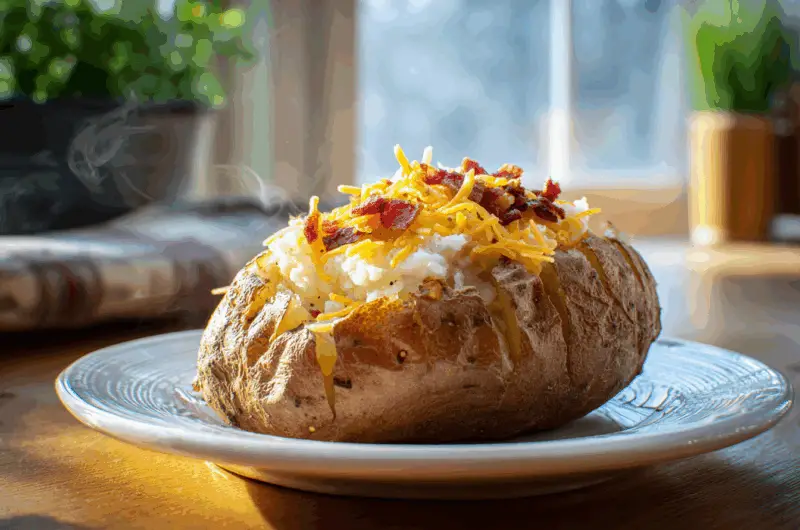
Perfect Oven Baked Potato
Cuisine: American Recipes4
servings10
minutes1
hour30
minutes290
kcalThis foolproof method creates the ultimate baked potato with crispy golden skin and impossibly fluffy insides that melts in your mouth.
Ingredients
4 large Russet potatoes (about 8-10 oz each)
2 tablespoons olive oil
2 tablespoons coarse kosher salt
1 teaspoon black pepper
4 tablespoons butter, room temperature
1 cup sour cream, room temperature
1 cup shredded cheddar cheese, room temperature
1/2 cup chopped fresh chives or green onions
6 strips bacon, cooked and crumbled (optional)
Directions
- Preheat your oven to 350 degrees F. Remove all toppings from the refrigerator and let them come to room temperature while the potatoes bake. Scrub each potato thoroughly under running water to remove all dirt and any waxy coating, then pat them completely dry with a clean kitchen towel.
- Using a fork, pierce each potato 8-10 times all over, creating holes that will allow steam to escape during baking. Rub each potato all over with olive oil, making sure to coat the entire surface. Sprinkle generously with kosher salt and black pepper, rubbing the seasonings into the skin.
- Place a wire rack on top of a large baking sheet, then arrange the potatoes on the rack with space between them. If you don’t have a rack, create small mounds of kosher salt on the baking sheet and nestle each potato on top. This prevents flat spots and ensures even cooking all around.
- Bake for 90 minutes, checking doneness by gently squeezing each potato with a dish towel or oven mitt. The potato should give easily and feel soft throughout with no firm spots. If there’s any resistance, return to the oven for another 10 minutes and check again.
- Remove potatoes from the oven and let them cool for 3-4 minutes until you can handle them without burning yourself. Using your hands, gently squeeze and massage each potato from the ends toward the middle, working around the entire potato to break up and fluff the interior.
- Cut a slit lengthwise down the center of each potato, stopping about an inch from each end so the potato stays intact. Using both hands, pinch the ends of the potato together, which will push the fluffy insides up and out through the slit, creating pockets for your toppings.
- Immediately add a tablespoon of room temperature butter to each potato, letting it melt into all the fluffy pockets. Add generous dollops of sour cream and sprinkle with shredded cheese, which will melt beautifully since everything is at the right temperature.
- Top with fresh chives or green onions and crumbled bacon if using. Season with additional salt and pepper to taste. Serve immediately while the potato is hot and the toppings are melted and creamy.
Notes
- Choose the biggest Russet potatoes you can find – this is the main event, not a side dish, so bigger really is better.
- Don’t skip the massaging step after baking – this is what creates that impossibly fluffy texture that makes these potatoes so special.
- Always let your toppings come to room temperature before serving so they melt properly into the hot potato instead of cooling it down.
- If you want to try the bloomin method, make cuts in a grid pattern about 1/4 inch apart, cutting almost all the way through but leaving the bottom intact.
- Leftover baked potatoes can be refrigerated for up to 3 days and reheated in a 350-degree oven for 15-20 minutes.
Frequently asked questions
Q: Can I make baked potatoes ahead of time?
A: Yes, you can bake the potatoes fully, let them cool, and refrigerate them for up to 3 days. When ready to serve, reheat them in a 350-degree oven for 15-20 minutes until heated through. The texture won’t be quite as perfect as fresh, but it’s still much better than microwaving from scratch.
Q: Why do my baked potatoes sometimes have hard spots inside?
A: This usually means they weren’t fully cooked. Every potato is different, and oven temperatures vary, so always test by gently squeezing the potato. It should feel completely soft throughout with no firm areas. If you find hard spots, just put them back in the oven for another 10-15 minutes.
Q: Do I really need to use Russet potatoes or can I use other types?
A: Russets really are best for traditional baked potatoes because they have the right starch content to get fluffy inside and crispy outside. Other potatoes like red or Yukon gold have more moisture and less starch, so they end up denser and waxier instead of light and fluffy.
Q: What’s the best oven temperature for baking potatoes?
A: A steady 350 degrees F is ideal. Some recipes call for higher temperatures to speed things up, but 350 degrees gives you the best texture and allows the inside to cook completely while the outside gets crispy without burning. It takes about 90 minutes for large potatoes at this temperature.
