

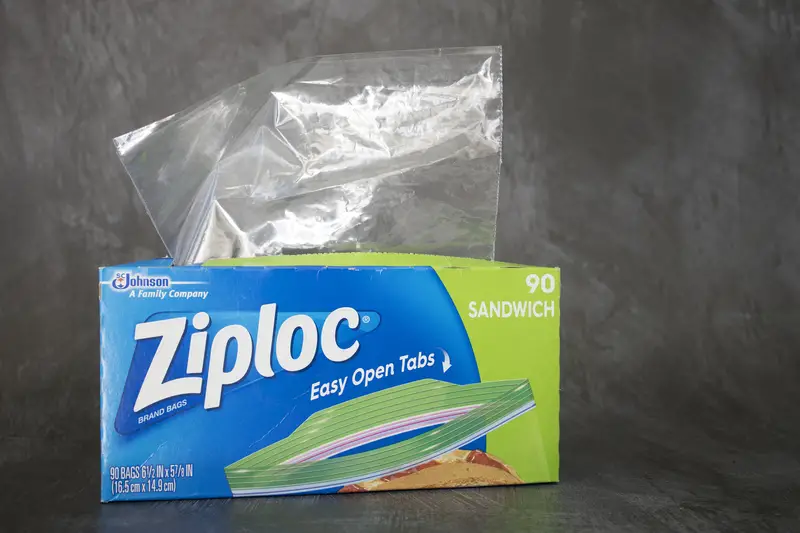
That drawer full of plastic bags in your kitchen? It might be doing more than just keeping your sandwiches fresh. A new lawsuit is shaking up how we think about those trusty Ziploc bags and containers we’ve been tossing in the freezer and microwave for years. The claim? They’re releasing tiny plastic particles into your food every time you use them. Before you panic and throw out every plastic container in your house, here’s what’s actually going on and what it means for your everyday lunch prep.
Someone is taking Ziploc to court over microplastics
A California woman named Linda Cheslow filed a class action lawsuit against S.C. Johnson, the company that makes Ziploc products, in late April 2025. The lawsuit argues that Ziploc bags and containers are labeled as “microwave safe” and suitable for “freezer” use, but that these labels are misleading customers. According to the complaint, the products are made from polyethylene and polypropylene, which are types of plastic that can release microplastics when exposed to extreme temperatures like freezing or microwaving.
The lawsuit isn’t just about one person’s concerns. It’s a class action case, which means it represents anyone across the country who has bought these products. Cheslow believes that by not warning consumers about microplastic release, the company is putting families at risk while making a profit. S.C. Johnson has publicly denied these claims and stated that their products are safe when used as directed. The company maintains that the lawsuit has no merit, but the case is still moving forward through the legal system.
These specific products are named in the complaint
The lawsuit specifically mentions several Ziploc products that millions of Americans probably have in their kitchens right now. The list includes Ziploc Freezer Bags in pint, quart, and gallon sizes, as well as Ziploc Slider Freezer Bags in quart and gallon sizes. It also names Ziploc Slider Storage Bags in quart and gallon sizes, plus various Ziploc containers. These aren’t obscure specialty items—they’re the basic bags people grab for packing school lunches, storing leftovers, and organizing everything from snacks to craft supplies.
What makes these products stand out in the lawsuit is their labeling. Many of them feature claims about being microwave-safe or ideal for freezer storage, which are major selling points for busy households. The complaint argues that these very features—the ability to freeze and microwave—are exactly what causes the problem. When you freeze that soup or reheat those leftovers in these bags, the extreme temperatures supposedly trigger the release of microscopic plastic particles into whatever food is inside. The lawsuit documents include photos of the products starting on page nine, making it easy for consumers to check if they own the items in question.
What exactly are microplastics anyway
Microplastics are exactly what they sound like—really tiny pieces of plastic. According to the Environmental Protection Agency, these particles have become widespread in our environment. They’re so small you can’t see them with your naked eye, but scientists have found them pretty much everywhere they look, from ocean water to drinking water to food. The problem is that these particles don’t break down naturally, so they stick around in the environment and can end up in places they shouldn’t be, including inside our bodies.
These particles come from all sorts of sources. When plastic products break down over time, they shed these tiny fragments. Things like washing synthetic clothing, driving on tires, and yes, heating or freezing plastic containers can all release microplastics. Scientists have detected them in human and animal tissue, which has raised concerns about what they might be doing to us. The tricky part is that because they’re everywhere now, it’s nearly impossible to completely avoid them. That’s why the lawsuit focuses on whether companies should warn consumers about products that might add to their exposure.
The materials used in these bags are common
Polyethylene and polypropylene aren’t unusual materials in the kitchen. They’re actually used in tons of food storage products, including cutting boards, plastic wrap, and many types of food containers. These materials are considered “food-grade” plastics, which means they’ve been approved for contact with food. Manufacturers have used them for decades because they’re durable, flexible, and relatively inexpensive to produce. Walk down any kitchen aisle at a store, and you’ll find dozens of products made from these same materials.
The issue isn’t necessarily that these plastics exist in kitchen products. The lawsuit’s argument centers on what happens when you expose them to extreme temperatures. Research has shown that when polyethylene and polypropylene get very hot or very cold, they can release those microscopic particles into whatever they’re touching. That morning routine of grabbing a frozen waffle from a plastic bag or reheating last night’s dinner in a plastic container? Those everyday actions might be adding microplastics to your food. The question isn’t whether these materials are common—it’s whether consumers should be told about what happens when they’re used in certain ways.
What S.C. Johnson says about all this
S.C. Johnson hasn’t stayed quiet about the lawsuit. The company released a statement saying they believe Ziploc products are safe when people use them according to the directions. They’ve also said the lawsuit doesn’t have merit. A company spokesperson pointed out that microplastics have become widespread in the environment and come from many different sources, not just food storage containers. They emphasized that microplastics are found in the food we eat, the water we drink, and even the air we breathe.
The company also mentioned that they’ve been working on this issue for years. Their statement said they’ve been trying to raise awareness about plastic pollution, push for regulations worldwide, and invest in what they call “smarter solutions.” They also note on their website that Ziploc bags and their Endurables line are made without BPA or phthalates, which are chemicals that have raised concerns in the past. However, the company doesn’t provide detailed information about exactly what materials they do use to make their products. The case is ongoing, and it will be up to the courts to decide whether the company’s current labeling and warnings are sufficient.
You might be using these products differently now
So what should you actually do with all those plastic bags currently in your kitchen? Experts say you don’t need to have a meltdown and trash everything immediately. Jamie Alan, a professor of pharmacology and toxicology at Michigan State University, suggests that it’s the cumulative exposure to microplastics over time that matters most. One sandwich stored in a Ziploc bag isn’t going to cause immediate problems. But if you’re constantly microwaving and freezing food in plastic containers day after day, you might want to think about switching things up.
Kelly Johnson-Arbor, a toxicologist at MedStar Health, recommends avoiding reheating food in plastic containers when possible. She notes that while it’s nearly impossible to completely avoid microplastics in daily life, reducing your use of single-use plastic products could be beneficial. The simplest change? Stop microwaving food in plastic bags and containers. If you need to reheat something, transfer it to a glass or ceramic container first. For storage, glass containers with plastic lids work well, and the food itself isn’t touching the plastic. You can also look into alternatives like wax paper bags for things like sandwiches and snacks.
Simple swaps you can make in your kitchen
Switching away from plastic storage doesn’t have to be complicated or expensive. Glass containers are probably the most popular alternative right now. You can find them at pretty much any store that sells kitchenware, and many come with plastic lids that snap on securely. The nice thing about glass is that you can see what’s inside, it doesn’t stain or hold odors like plastic can, and you can safely microwave it. Metal containers are another option, especially stainless steel lunch boxes and food storage containers that have become trendy lately.
For wrapping sandwiches and snacks, wax paper bags or reusable cloth wraps that are coated with beeswax work well. Some people use silicone bags, which are more durable than plastic and can handle temperature changes better. If you do stick with plastic bags, just avoid putting them in the microwave or freezer. Use them for room temperature storage only, like packing a sandwich for lunch that you’ll eat within a few hours. The key is being aware of when you’re exposing plastic to extreme temperatures, since that’s when the microplastic release supposedly happens. Small changes can add up without requiring you to overhaul your entire kitchen at once.
This isn’t the first lawsuit about food packaging
The Ziploc lawsuit is part of a bigger trend of consumers questioning what’s in their food and food packaging. Earlier this year, Wheat Thins faced a class action lawsuit over allegedly misrepresenting ingredients. Stanley water bottles got sued over claims about lead content. Even Girl Scout cookies and certain salad kits have faced legal action recently. These lawsuits reflect growing awareness about what people are putting in their bodies and whether companies are being upfront about potential risks.
What’s interesting is how many of these cases involve everyday products that families have used for years without thinking twice. These aren’t exotic specialty items—they’re things sitting in pantries and kitchen drawers across America right now. The lawsuits suggest that as more research comes out about things like microplastics, consumers are getting more skeptical about marketing claims. Terms like “microwave safe” or “BPA-free” might not tell the whole story. Whether these lawsuits succeed or not, they’re definitely making people look more carefully at product labels and question whether convenience is worth potential downsides.
What happens next with this case
Since this is a class action lawsuit, you don’t need to do anything right now if you’ve bought these products. The case will work its way through the legal system, and if there’s eventually a settlement, you might be able to file a claim and get some money back. That process can take months or even years though. For now, the best thing to do is keep your receipts if you buy any of the products listed in the lawsuit. Take a look at the lawsuit documents, which show photos of the specific items starting on page nine, so you know exactly which ones are included.
As the case moves forward, there will probably be updates about court dates and any decisions or settlements. If you want to stay informed, you can search for updates online using the case details or check consumer advocacy websites that track these kinds of lawsuits. Even if the case doesn’t result in a big settlement, it’s already accomplished something by getting people to think differently about those plastic bags they’ve been using without a second thought. Whether you decide to keep using Ziploc products, switch to alternatives, or just change how you use plastic storage, at least now you have more information to make that choice.
The Ziploc lawsuit has opened up a conversation about something most of us never considered while packing lunches or storing leftovers. Whether the case proves that these products are dangerous or S.C. Johnson successfully defends their safety claims, the attention has already changed how many people think about their kitchen storage. Maybe glass containers become your new go-to, or maybe you just stop microwaving plastic bags. Either way, being informed about what you’re using gives you the power to make choices that feel right for your household.
