

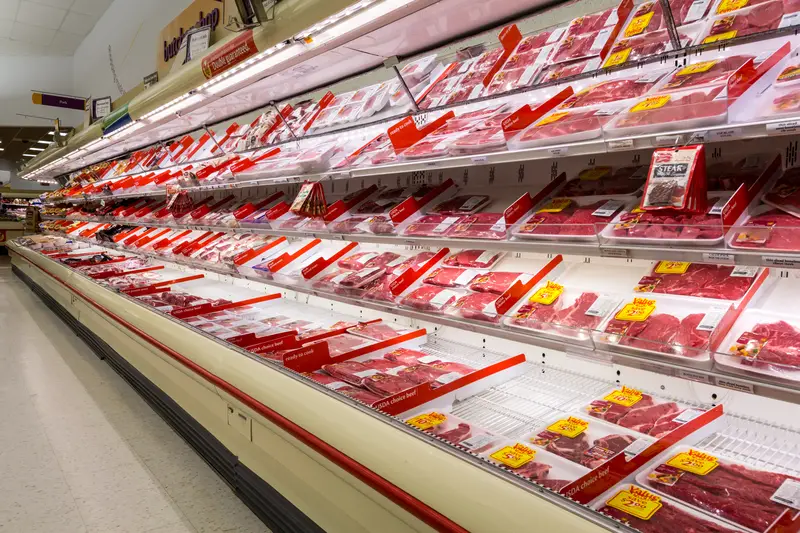
Most people walk past the beef chuck section at the grocery store without giving it a second thought. They head straight for the ribeyes or tenderloins, assuming those pricey cuts are the only ones worth buying. But here’s something interesting: professional butchers consistently grab cuts from the chuck primal for their own dinners. This massive section of beef, which comes from the shoulder area of the cow, contains some seriously underrated steaks and roasts that cost way less than premium cuts while delivering incredible taste. Once you understand what makes chuck special and how to cook it properly, you’ll wonder why you’ve been skipping it all these years.
Chuck produces way more than ground beef
When most people think about beef chuck, they picture ground beef for hamburgers and tacos. That’s unfortunate because chuck primal includes some of the best steaks you’ve never tried. The flat iron steak, Denver steak, and boneless chuck eye steak all come from this section. These cuts have rich, beefy taste that rivals expensive options, but they often cost half the price per pound. The chuck sits near the rib section, which means it gets some of the same marbling and tenderness that makes ribeyes so popular.
The reason chuck steaks taste so good comes down to location and muscle work. This part of the cow includes the neck, shoulder blade, and upper front legs, which develop strong connective tissue but also accumulate fat that adds intense beef taste. When you cook a flat iron steak properly, it eats like a much more expensive cut. The Denver steak, which butchers started selling more widely in the early 2000s, has become a favorite among people who know their beef. These chuck cuts prove you don’t need to spend a fortune to eat really well.
The flat iron steak changed everything for chuck
Before the 1990s, most butchers just ground up the shoulder top blade because it had a tough piece of connective tissue running through the middle. Then researchers at the University of Florida and University of Nebraska figured out how to cut around that tissue, creating two separate steaks. They called it the flat iron because of its shape, and suddenly butchers had a tender, well-marbled steak from an area that used to become hamburger. This cut sits right next to where ribeyes come from, so it shares similar characteristics without the premium price tag.
You can grill a flat iron steak just like you would a New York strip or sirloin. The key is not overcooking it since this cut does best at medium-rare to medium. Many grocery stores now carry flat iron steaks in their regular rotation, usually priced between seven and twelve dollars per pound depending on grade. Compare that to ribeyes, which often cost twenty dollars or more per pound. The flat iron delivers similar eating quality for significantly less money, which explains why butchers snatch them up for their own grills at home.
Denver steaks are the insider’s choice
Walk into any butcher shop and ask for Denver steaks, and you’ll immediately signal that you know your beef. This cut comes from the center of the chuck roll, specifically from the serratus ventralis muscle if you want to get technical about it. Butchers love Denver steaks because they’re incredibly tender for a chuck cut and have beautiful marbling throughout. The steak got its name from a meat company in Denver that helped develop it as a standalone cut in the early 2000s, though the muscle itself has obviously been part of cattle forever.
What makes Denver steaks special is their versatility. You can throw them on a hot grill for a quick weeknight dinner, or you can slice them thin for stir-fry. The meat has a rich, beefy character that holds up well to bold seasonings and marinades. Since the chuck section contains decent fat content, Denver steaks stay juicy even if you accidentally cook them a bit past your target temperature. They typically cost less than premium steaks but more than basic chuck roasts, landing somewhere in the middle price-wise while delivering top-tier eating quality.
Seven-bone roasts feed families for cheap
The seven-bone roast gets its name from the bone running through it, which looks like the number seven when you slice across it. This affordable cut from the chuck primal works perfectly for Sunday pot roast or any slow-cooked meal where you want tender, falling-apart beef. Many stores sell seven-bone roasts for five or six dollars per pound, making it one of the most economical ways to serve beef to a crowd. The bone adds extra richness to whatever you’re cooking, and the surrounding meat becomes incredibly tender after several hours of low, moist heat.
Smart shoppers buy seven-bone roasts when they’re on sale and stock their freezers. This cut responds beautifully to braising, which means cooking it covered in liquid at low temperature for several hours. The tough connective tissue breaks down into gelatin, creating a rich, silky sauce and meat so tender you barely need a knife. Throw in some carrots, potatoes, and onions, and you’ve got a complete meal that costs maybe fifteen dollars total but tastes like something from a restaurant. Butchers know this cut delivers maximum value, which is why they recommend it to budget-conscious customers.
Chuck eye steaks are poor man’s ribeyes
Here’s a secret that butchers wish more people knew: the chuck eye steak comes from the same muscle as a ribeye, just from a slightly different location. As the ribeye muscle extends forward into the chuck primal, it becomes the chuck eye. Each cow only produces a few chuck eye steaks, which makes them harder to find but absolutely worth seeking out. They have similar marbling and tenderness to ribeyes but typically cost thirty to forty percent less. When you see chuck eye steaks at the store, grab them immediately because they disappear fast.
Cooking a chuck eye steak requires the same approach as a ribeye: high heat and quick cooking. These steaks shine on the grill or in a screaming hot cast iron pan. Season them simply with salt and pepper so you can appreciate the natural beef taste. The main difference between chuck eyes and true ribeyes is that chuck eyes can have slightly more connective tissue, but when you cook them to medium-rare, that tissue softens and you’ll barely notice it. Smart grillers who want ribeye quality without the ribeye price ask their butcher specifically for chuck eye steaks.
Understanding why chuck needs different cooking methods
The chuck primal sits near the head and front legs of the cow, which means these muscles do a lot of work during the animal’s lifetime. All that movement creates meat with more connective tissue and tougher muscle fibers than cuts from the back or center of the cow. This doesn’t make chuck inferior though. It just means you need to match the right cooking method to each specific cut. Thicker roasts benefit from slow-cooking methods like braising or stewing, while thinner steaks like flat irons can handle high-heat grilling just fine.
The key to great chuck is understanding that toughness and beef taste often go together. Muscles that work harder develop stronger, more concentrated beef character. When you cook chuck properly, that toughness transforms into tenderness while the intense taste remains. Low-and-slow cooking breaks down collagen into gelatin, creating that melt-in-your-mouth texture everyone loves. Quick-cooking steaks from the chuck need to be sliced against the grain to shorten those tough muscle fibers. Either way, taking a few extra minutes to prepare chuck correctly pays off with restaurant-quality beef at home-cook prices.
Boneless short ribs come from chuck too
When you see boneless short ribs at the grocery store, you’re often looking at meat from the chuck primal, not the rib section like the name suggests. These thick strips of beef have gorgeous marbling and respond incredibly well to braising. Restaurants charge premium prices for braised short ribs, but the raw meat costs less than many popular steaks. The confusion about whether short ribs come from ribs or chuck doesn’t really matter when you’re eating them. What matters is that they become fork-tender and deeply satisfying after a few hours in the oven or slow cooker.
Making boneless short ribs at home is easier than most people think. Brown them in a heavy pot, add some wine or stock with aromatics, cover everything, and let it cook at low temperature for three or four hours. The connective tissue melts away, leaving incredibly rich, tender meat. You can serve short ribs over mashed potatoes, polenta, or egg noodles for an impressive dinner that costs maybe twenty-five dollars total but tastes like a fifty-dollar restaurant meal. Butchers appreciate the value and versatility of chuck-based short ribs, which is why they frequently appear on their own dinner tables.
How to shop for chuck like a pro
Finding the best chuck cuts requires a bit more effort than grabbing whatever’s in the case. First, look for good marbling throughout the meat. Those white flecks of fat distribute moisture and taste during cooking. Avoid pieces that look dried out or have been sitting in the case too long. If your grocery store has a butcher counter with actual people behind it, ask questions. Tell them you want to try different chuck steaks and see what they recommend. Many butchers get excited when customers show interest in less common cuts and will steer you toward the best options.
Don’t be afraid to request specific cuts even if they’re not displayed. Butchers often have whole chuck primals in the back that they’re breaking down. They can cut you fresh Denver steaks, flat irons, or chuck eye steaks to order. Shopping at stores with full-service meat departments gives you access to cuts and options that never make it to the prepacked section. Build a relationship with your butcher, and they’ll let you know when they’re cutting chuck so you can snag the best steaks. This insider approach helps you eat better beef for less money, which is exactly what professional butchers do for themselves.
Chuck delivers more bang for your buck
The math on beef chuck makes it a no-brainer for anyone who likes eating well without emptying their wallet. When ribeyes cost twenty dollars per pound and tenderloins cost thirty or more, spending eight to twelve dollars per pound for high-quality chuck steaks just makes sense. You can literally buy twice as much beef for the same money. Even chuck roasts, which cost even less, provide incredibly satisfying meals when cooked properly. The price difference comes from consumer demand and perceived prestige rather than actual eating quality.
Butchers understand that beef quality depends more on cooking method than cut location. A properly cooked flat iron steak beats an overcooked ribeye every single time. Learning to work with chuck opens up a whole world of affordable, delicious beef options that most people ignore. The next time you’re planning a steak dinner or Sunday roast, skip past those expensive premium cuts and head to the chuck section instead. Your butcher knows it’s the smart move, and now you do too.
Professional butchers have been keeping chuck cuts as their personal secret for years, taking home the best steaks and roasts for themselves while everyone else overpays for trendier options. The chuck primal offers exceptional value, incredible taste, and plenty of variety once you know what to look for. Whether you’re grilling flat iron steaks, braising short ribs, or roasting a seven-bone for Sunday dinner, chuck delivers satisfaction without the premium price tag. Start exploring different chuck cuts at your local butcher or grocery store, and you’ll quickly understand why the pros never skip this section.
