

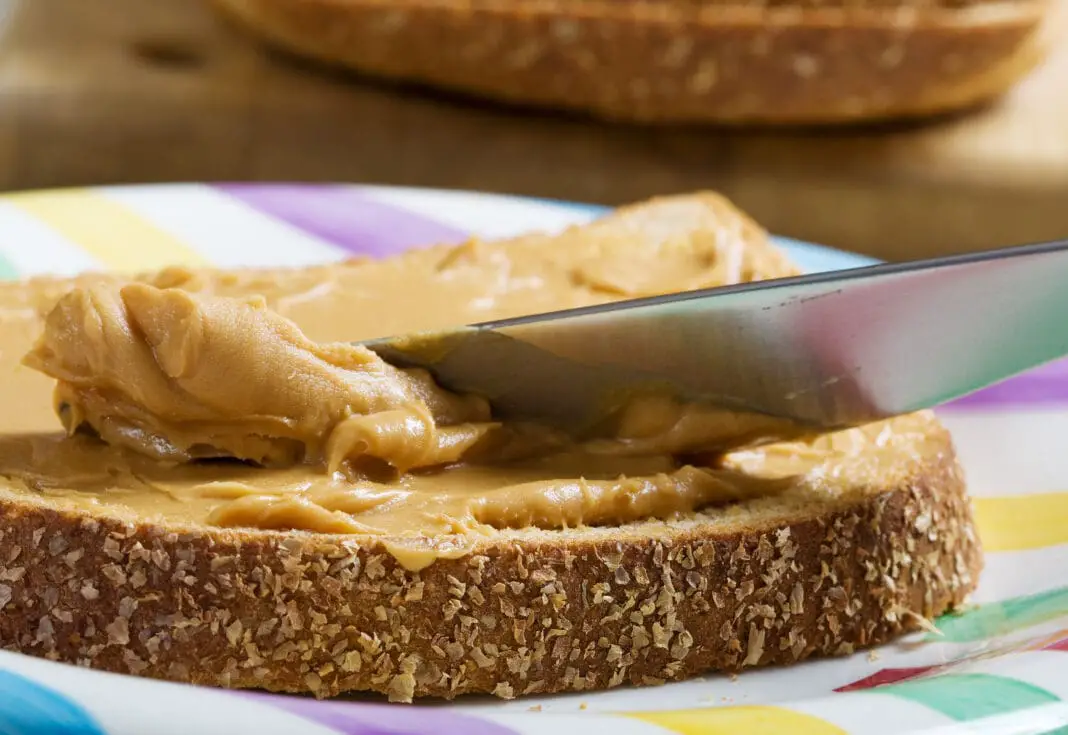
About 94% of American households keep peanut butter in their pantries right now. That’s almost everyone! This creamy spread shows up in lunch boxes, midnight snacks, and quick breakfasts across the country. Most people think they know everything about this popular food, but something happens when you eat it every single day that might surprise you. The truth is, your body responds to daily peanut butter in ways you probably never expected.
Your muscles get stronger without extra exercise
That morning toast with peanut butter does more than just taste good. Every two tablespoons pack about seven grams of protein, which equals roughly 14% of what you need each day. Peanuts actually contain more protein than any other nut you can buy at the store. Your body takes this protein and breaks it down into amino acids that help build and repair muscle tissue throughout the day.
Think about what happens after you climb stairs or carry groceries. Your muscles need protein to recover from even these simple activities. When you eat peanut butter daily, you’re giving your body a steady supply of what it needs to maintain muscle mass. This becomes especially important as people get older and naturally start losing muscle. The protein in peanut butter helps slow down that process without requiring you to eat huge portions of chicken or beef every single day.
You stop feeling hungry between meals
Ever notice how some snacks leave you hungry again within an hour? Peanut butter works differently because it contains both protein and about 16 grams of fat per serving. These two things together make you feel full for much longer than carbs alone would. A study looked at 24 women who ate peanuts as part of their diet and found they lost more weight than people who skipped peanuts entirely, even though peanuts have plenty of calories.
The secret lies in how your body processes fat and protein. Both take longer to digest than sugary snacks or plain bread. When you spread peanut butter on your morning toast, you’re basically setting yourself up to avoid the 10 a.m. vending machine trip. This can save money and help prevent the weight gain that comes from constantly snacking on chips or candy throughout the day. The satisfied feeling lasts for hours instead of minutes.
Your heart health improves without medication
Doctors talk about good and bad cholesterol all the time, but what does that really mean for your daily life? Peanut butter contains something called monounsaturated fats, the same type found in olive oil. These fats actually help increase your good cholesterol while lowering the bad kind. This matters because high bad cholesterol can lead to serious problems down the road, but eating peanut butter regularly helps keep those levels in check naturally.
Beyond just the fats, peanut butter brings other important nutrients to the table. It contains fiber, magnesium, and something called arginine that helps your blood vessels relax. One study showed people who ate peanuts daily for six months saw their blood pressure drop more than people who didn’t eat any peanuts. That’s pretty remarkable for a simple food you can buy for a few dollars. The potassium in peanut butter also supports healthy blood pressure, giving your heart multiple benefits from one jar.
Your skin stays clearer than usual
Nobody likes dealing with breakouts, especially when they seem to happen at the worst possible times. Peanut butter contains vitamin E, which works as an antioxidant in your body. This vitamin helps protect your cells from damage and might even help reduce problems caused by sun exposure. One doctor who ate peanut butter every day for a week noticed her skin stayed clear even during the time of month when she usually got breakouts.
While scientists still need to study this more, vitamin E appears to absorb certain harmful rays from the sun and decrease inflammation in your skin. This doesn’t mean you can skip sunscreen, but it does suggest that eating peanut butter regularly might give your skin some extra protection from the inside out. The antioxidants fight something called oxidative stress, which plays a big role in how your skin ages over time. Pretty good bonus for a food most people just think of as a quick snack.
Your digestive system gets a break
Eating meat at every meal can make your stomach work overtime. Animal proteins take a lot of energy for your body to break down and digest. When you swap some of those meat meals for peanut butter instead, your digestive system doesn’t have to work quite as hard. People who try this often notice they feel lighter and less bloated, especially after lunch when that heavy feeling usually sets in.
The plant-based protein in peanut butter gives your gut what one doctor called a “digestive vacation” from constantly processing meat. This doesn’t mean you need to give up burgers and chicken completely. But adding peanut butter to your regular rotation means your digestive system gets some easier days mixed in with the harder work of breaking down animal proteins. Your body still gets the protein it needs without the same level of effort required.
You might gain weight if portions get out of control
Here’s where things get tricky. Peanut butter packs about 190 calories into just two tablespoons. That’s roughly 100 calories per tablespoon, which adds up fast when you’re standing at the counter with a spoon. It’s incredibly easy to eat three or four servings without realizing it, especially when you’re scooping it straight from the jar. Those extra calories can definitely lead to weight gain if you’re not paying attention to how much you’re actually eating.
The good news is that studies show eating peanut butter in normal amounts doesn’t cause weight problems. In fact, research found that people who eat nuts regularly either maintain their weight or actually prevent weight gain compared to people who avoid nuts completely. The key word here is moderation. Measure out your two tablespoons instead of guessing, and you’ll get all the benefits without the extra pounds. Put the jar away after you take your portion to avoid mindless eating.
Store brands hide unhealthy ingredients
Walk down the peanut butter aisle at any grocery store and you’ll see dozens of options. Many popular brands add things you definitely don’t need, like hydrogenated oils, extra sugar, and way too much salt. These additions can lead to problems like high blood pressure if you eat that type of peanut butter every single day. The hydrogenated oils contain trans fats that act like saturated fat in your body, which can cause weight gain and heart issues over time.
Natural peanut butter should only have one or two ingredients: peanuts and maybe a little salt. That’s it. If the ingredient list looks longer than that, put it back on the shelf. Yes, natural peanut butter separates and you have to stir it, which feels annoying at first. But you avoid all those added sugars and unhealthy oils that cancel out the good stuff. Some brands even add palm oil, which your body processes similar to saturated fat. Check those labels carefully before you buy.
Too much causes uncomfortable acid reflux
That burning feeling in your chest after eating isn’t fun for anyone. Peanut butter can trigger or make acid reflux worse if you eat too much of it. The high fat content is the main culprit here. Fat takes longer to digest than other nutrients, which means it sits in your stomach longer. This gives stomach acid more time to splash back up into your esophagus, causing that uncomfortable burning sensation people call heartburn.
If you already deal with acid reflux or GERD, you can still enjoy peanut butter, just in smaller amounts. Stick to that two-tablespoon serving size and don’t eat it right before bed when lying down makes reflux worse. Think of peanut butter as a treat rather than something to eat multiple times per day. The calorie density combined with the fat content means a little goes a long way, both for nutrition and for avoiding digestive discomfort.
You get tired of eating the same thing
Eating anything every single day gets boring eventually, even something as good as peanut butter. After about a week, many people start craving variety and wanting to try different nuts like almonds, cashews, or walnuts instead. This feeling of food fatigue actually serves an important purpose. Your body needs different nutrients from various sources, and eating only peanut butter means you miss out on the unique benefits other nuts provide.
Different nuts offer different vitamins, minerals, and types of healthy fats. Almonds have more vitamin E, walnuts contain omega-3 fatty acids, and cashews bring extra iron to the table. When you mix up your nut intake instead of eating only peanut butter, you get a wider range of nutrients that help protect against various health problems. One doctor who tried the daily peanut butter experiment found herself reaching for other nuts by day seven, and realized that variety made her diet better overall. Listen to your body when it asks for something different.
Peanut butter definitely deserves its spot in your kitchen. The protein, healthy fats, and important nutrients make it a smart choice for daily eating, as long as you stick to reasonable portions and choose natural versions without added junk. Your muscles, heart, and even your skin can benefit from this simple spread. Just remember that two tablespoons counts as one serving, not the whole jar. Mix in other nuts throughout your week to keep things interesting and give your body the variety it needs to stay strong.
