

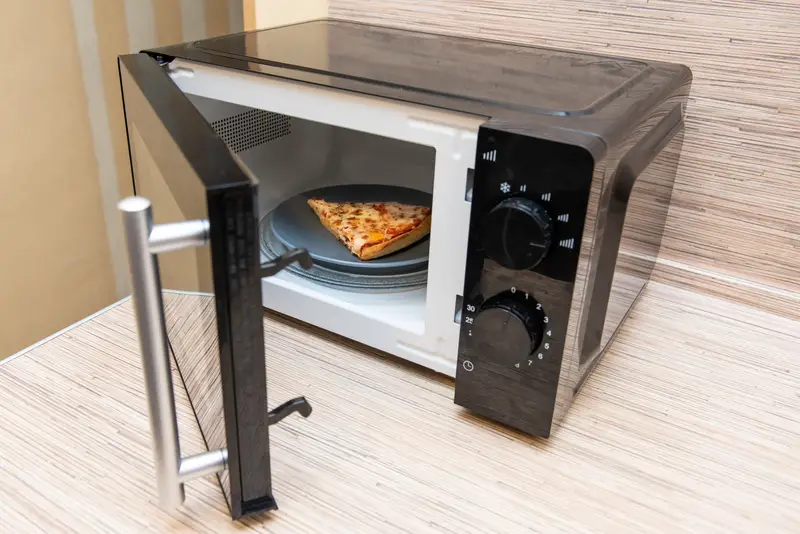
The microwave might be the most used appliance in your kitchen. It heats up leftovers in minutes, melts butter for recipes, and saves you from having to fire up the oven on hot summer days. But here’s something most people don’t know: there are certain foods that should never go anywhere near your microwave, and some of them might surprise you. We’re talking about foods that can explode, spark, or turn into rubbery messes that you wouldn’t feed to your worst enemy. The USDA and food safety experts have some strong opinions about what belongs in the microwave and what doesn’t.
Whole eggs in their shells become dangerous bombs
Putting a whole egg in its shell into the microwave is basically creating a tiny explosion waiting to happen. The microwave heats up the liquid inside the egg so fast that steam builds up inside the shell. Since that steam has nowhere to escape, pressure builds and builds until the egg literally explodes. We’re not talking about a gentle crack either – it’s a full-on messy burst that can happen while the microwave is running or right when you open the door.
The danger goes beyond just cleaning up sticky egg from every corner of your microwave. Tiny shell fragments can fly out like little daggers, and the super-heated egg inside can burn your skin if it explodes near you. Even if you’re trying to hard-boil eggs quickly, the microwave isn’t the shortcut you want. If you absolutely must use the microwave for eggs, pierce the yolk first with a fork and never attempt it with the shell on. Better yet, stick to traditional boiling methods on the stovetop where you can control the heat and avoid any explosive surprises.
Hot peppers release capsaicin that pepper-sprays your kitchen
If you’ve ever accidentally touched your eye after cutting jalapeños, you know how painful capsaicin can be. Now imagine that same burning compound floating through the air in your kitchen. That’s exactly what happens when you microwave spicy peppers like jalapeños, habaneros, or serranos. The heat from the microwave turns the capsaicin into vapor, and it stays trapped inside until you open the door. The moment you do, you’re hit with what feels like pepper spray directly to your face, eyes, and throat.
People on Reddit have shared horror stories about accidentally pepper-spraying their entire family after microwaving spicy peppers. The burning sensation isn’t just uncomfortable – it can make you cough, cry, and struggle to breathe for several minutes. If you need to cook hot peppers for a recipe, use your oven, stovetop, or air fryer instead. These methods allow the capsaicin to dissipate into the air gradually in a well-ventilated space, rather than creating a concentrated cloud of pain in your microwave. Your eyes, throat, and family members will thank you for making the smart choice.
Leftover pizza turns into a soggy, rubbery disaster
Cold pizza for breakfast is a tradition for some people, but if you decide to heat it up, the microwave is your worst option. The crust absorbs moisture from the toppings and sauce while it sits in your fridge, and the microwave makes this problem ten times worse. Instead of getting a crispy crust like when the pizza was fresh, you end up with a floppy, soggy mess that has the texture of wet cardboard. Then, as the pizza cools down after microwaving, the edges harden into something you could probably use as a hockey puck.
Anyone who’s ever reheated pizza in the microwave can identify it immediately by taste and texture. The good news is there are much better options that take just about the same amount of time. An air fryer is perfect for reheating pizza because it gets the crust crispy again in just a few minutes. You can also use your oven or even a cast iron skillet on the stovetop. If you’re really in a hurry and only have a microwave available, at least put a glass of water in there with the pizza to add some moisture to the air, which can help slightly with the texture issue.
Bread products become chewy then rock hard
Whether it’s a bagel, tortilla, croissant, or regular sandwich bread, microwaving turns it into something nobody wants to eat. The microwave messes with the starch molecules in bread in a way that creates chewy, dense spots while it’s hot. Those spots feel weird in your mouth, like you’re chewing on rubber bands mixed with bread. But wait, it gets worse. After about a minute of cooling down, those same chewy areas turn rock hard, making the bread nearly impossible to bite through without hurting your teeth.
According to America’s Test Kitchen, the microwave creates pockets of steam inside the bread that swell up and then collapse, leaving the bread much denser and flatter than it started. The technical term is starch retrogradation, but all you need to know is that it ruins your bread. If you want to warm up bread, use your toaster, toaster oven, regular oven, or even a frying pan on the stove. These methods heat the bread from the outside, giving you a nice crispy exterior while keeping the inside soft, exactly the opposite of what the microwave does to it.
Creamy sauces split and turn into oily puddles
That delicious Alfredo pasta or mac and cheese from last night seems like an easy microwave reheat, right? Wrong. Creamy sauces made with cheese, cream, or butter are incredibly finicky when it comes to reheating. They need low, gentle heat to stay smooth and creamy. The microwave does the exact opposite – it blasts them with high heat in an uneven way. This causes the fats to separate from the liquids in what’s called splitting, leaving you with a pool of oil floating on top of a grainy, broken sauce.
Sure, split sauce still tastes okay, but it looks unappetizing and the texture is all wrong. Instead of that rich, velvety coating on your pasta, you get greasy noodles with separated chunks of cheese. The stovetop is your best bet for reheating anything with a creamy sauce. Use low heat, stir frequently, and add a splash of cream or milk to help bring it back together. If you absolutely must use the microwave, set it to low power and heat in twenty-second intervals, stirring between each one to distribute the heat more evenly and give the sauce a fighting chance.
Fried foods lose all their crispiness instantly
Fried chicken, french fries, chicken nuggets, mozzarella sticks – basically anything that was once crispy and delicious becomes sad and soggy in the microwave. The problem is that microwaves heat food by exciting water molecules, which creates steam. That steam gets trapped under the breading or coating of fried foods, making them soft and limp instead of crunchy. The oil that made them crispy in the first place also redistributes unevenly, creating greasy spots that nobody wants to eat.
Think about the difference between a fresh french fry from your favorite restaurant and one that’s been microwaved. One is golden and crunchy, the other is pale and floppy. If you want to restore leftover fried food, your oven or air fryer is the way to go. Put the food on a wire rack over a baking sheet in a 300-degree oven, or toss it in the air fryer at 375 degrees. These methods use dry heat that re-crisps the outside while warming the inside, giving you something much closer to the original texture you paid good money for when you ordered it fresh.
Steak becomes tough and loses all its juiciness
A perfectly cooked steak is a beautiful thing – juicy, tender, with a nice seared crust on the outside. Microwaving that leftover steak destroys everything that made it good in the first place. The seared exterior that you worked so hard to achieve turns soggy and gray. The fat, which should be evenly distributed and add richness, heats unevenly and makes the steak greasy. Worst of all, the inside goes from perfectly medium-rare to overcooked and dry in what feels like seconds, pushing out all those delicious juices.
Because microwaves heat unevenly, thick cuts of steak end up with overdone edges and cold spots in the middle, which is somehow even worse than if it were evenly overcooked. If you’ve got leftover steak, slice it thin and briefly reheat it in a hot skillet with a little butter or oil. Or wrap the whole steak in aluminum foil and warm it slowly in a 350-degree oven, then give it a quick sear in a hot pan to refresh that crust. These methods take a few extra minutes but they’re worth it to avoid turning an expensive piece of meat into shoe leather.
Grapes create actual sparks and plasma in your microwave
This one sounds like something from a science fiction movie, but it’s completely real. When you put grapes in the microwave, especially if two of them are touching, they can create sparks and even plasma – that’s the fourth state of matter that you usually only see in lightning or the sun. What happens is the microwaves get trapped and bounce back and forth in the tiny space between the grapes, creating an increasingly powerful electromagnetic field. When that field gets strong enough, it supercharges the electrolytes in the grapes and they burst out as literal fire.
There are plenty of videos on YouTube showing people microwaving grapes and creating fiery eruptions that look cool but can definitely damage your microwave or worse. Physicists have actually studied this phenomenon and confirmed that it’s a real electromagnetic reaction, not just a myth. Unless you’re conducting a science experiment and don’t mind potentially destroying your microwave, keep grapes far away from it. There’s really no reason to microwave grapes anyway – they’re perfect eaten raw, frozen for a cool snack, or cooked properly on the stovetop if you’re making a sauce or compote.
Anything in plastic containers leaches chemicals into your food
Even if your plastic container says “microwave-safe” on the bottom, that label is pretty misleading. Microwave-safe only means the plastic won’t melt or warp in the microwave – it doesn’t mean it’s safe for your health. When plastic gets heated, it can break down and release tiny particles called microplastics and nanoplastics into your food. These particles are invisible, so you can’t see them or taste them, but they’re definitely there. Plastic also contains chemicals like BPA and phthalates that can leach into your food when heated.
A recent study from the University of Nebraska-Lincoln found that billions of micro and nanoplastics are released into food and air during microwaving. Single-use plastics like takeout containers, yogurt cups, and butter tubs are even worse because they were never designed to be heated in the first place. Your safest bet is to transfer food to glass or ceramic containers before microwaving. Yes, it’s an extra dish to wash, but it’s worth it to avoid eating plastic particles with your lunch. Just remember that glass and ceramic can get extremely hot in the microwave, so use oven mitts when you take them out.
Now you know which foods to keep away from your microwave and why. The microwave is still an incredibly useful tool for heating up soups, steaming vegetables, melting chocolate, and dozens of other tasks. But when it comes to eggs in shells, spicy peppers, pizza, bread, creamy sauces, fried foods, steak, grapes, and anything in plastic, you’re better off using other methods. Your food will taste better, last longer, and you’ll avoid potential safety hazards that could ruin your microwave or hurt you. Sometimes the old-fashioned methods really are the best, even if they take a few extra minutes.
