

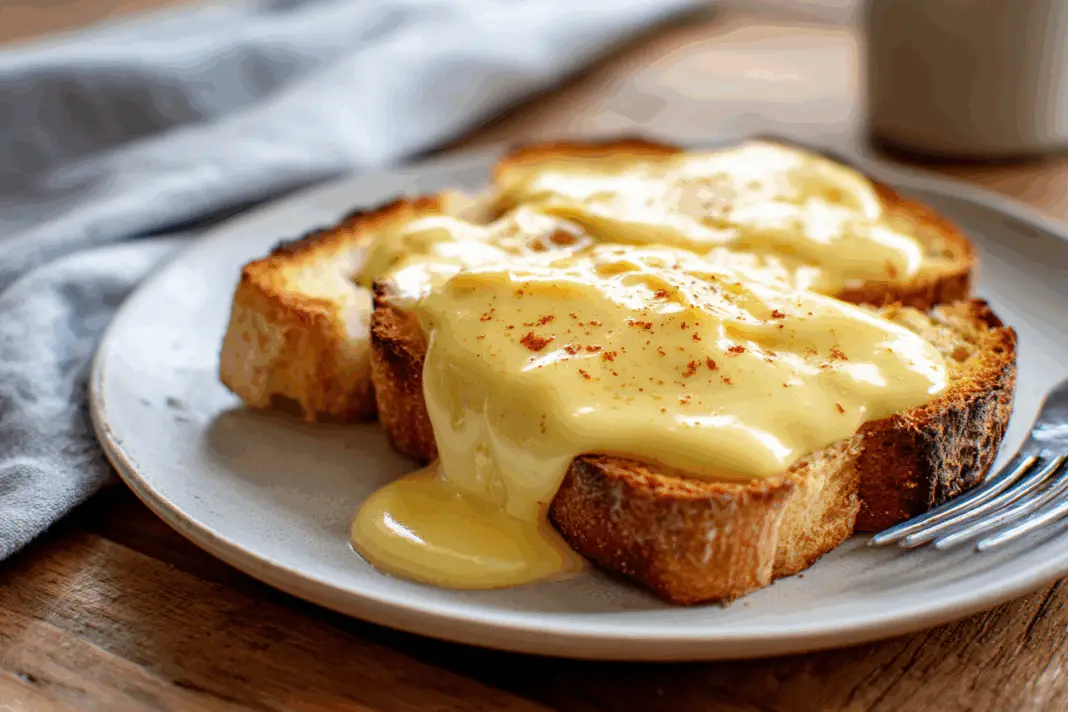
Most people have never heard of Welsh rarebit, but it used to be everywhere in America. Lunch counters served it daily, home cooks made it for quick weeknight dinners, and it appeared on school cafeteria menus across the country. This wasn’t some fancy restaurant dish—it was a simple, filling meal that anyone could afford and enjoy. The sandwich consisted of a thick cheese sauce poured over toasted bread, combining ingredients that most families already had in their kitchens. Then somewhere between the 1970s and today, it vanished almost completely from American restaurants and home cooking.
What exactly is Welsh rarebit anyway
Welsh rarebit isn’t complicated at all. The name makes it sound like some exotic dish with rabbit meat, but there’s no rabbit involved whatsoever. It’s basically a fancy cheese sauce served over bread—though calling it “fancy” might be pushing it since working-class families ate this regularly through the mid-1900s. The sauce combines melted cheese (usually sharp cheddar), beer or milk, Worcestershire sauce, and a bit of mustard or hot sauce for kick. Some recipes add an egg yolk to make the sauce richer and creamier.
The dish came to America from England, where it had been a pub staple for centuries. According to food historians, the cheese sauce gets poured over toasted sourdough bread and served open-faced, often with a side of tomatoes or pickles. During the 1940s and 1950s, Welsh rarebit showed up at diners, cafeterias, and lunch counters throughout America. It provided a filling, affordable meal during times when families needed to stretch their food budgets without sacrificing satisfaction at mealtime.
Why Welsh rarebit became popular in the first place
Welsh rarebit gained popularity in America because it solved a common problem: how to feed a family when meat was expensive or hard to find. During World War II, rationing made meat scarce, so home cooks turned to cheese-based dishes that still felt substantial and satisfying. The ingredients were simple and affordable—bread, cheese, butter, and a few seasonings that most kitchens already had. You didn’t need special cooking skills or equipment, just a pot to make the sauce and bread to toast.
Lunch counters embraced Welsh rarebit because it was cheap to make and could be prepared quickly during busy lunch rushes. A server could toast bread, ladle on the cheese sauce, and have a meal ready in minutes. The hearty combination of cheese and bread filled people up and gave them energy for afternoon work. Schools served it to students on meatless Fridays when Catholic families avoided meat. The dish became so common that most Americans from that era remember eating it regularly, whether at home, school, or the local diner downtown.
When did this sandwich disappear from restaurants
The decline of Welsh rarebit started gradually in the 1970s and accelerated through the following decades. As meat became more affordable and widely available, people stopped needing cheese-based substitutes for their main dishes. Fast food restaurants changed American eating habits too, offering burgers and fried chicken that seemed more appealing than cheese sauce on toast. Younger generations grew up without ever encountering Welsh rarebit on menus, so they never developed a taste for it or nostalgia around the dish.
Lunch counters themselves started closing down as dining trends shifted toward faster service and drive-through windows. The places that traditionally served Welsh rarebit—small diners, cafeterias, and independent restaurants—couldn’t compete with chain restaurants and their standardized menus. According to online discussions about forgotten foods, most people under 50 have never even heard of Welsh rarebit, let alone tasted it. The sandwich that once appeared on menus across America became a relic of the past, remembered mainly by older generations who ate it regularly during their childhood years.
Making the perfect cheese sauce at home
The secret to great Welsh rarebit is in the cheese sauce, which needs to be smooth, creamy, and packed with sharp cheese taste. Start by melting butter in a saucepan, then whisk in flour to create a roux—this thickens the sauce and prevents it from separating. Slowly add beer or milk while whisking constantly to avoid lumps. The liquid should be room temperature, not cold from the refrigerator, because cold liquid can cause the sauce to clump up instead of staying smooth.
Once the base is smooth, reduce the heat to low and start adding shredded sharp cheddar cheese by the handful. Don’t dump all the cheese in at once or it might get stringy and weird. Stir in Worcestershire sauce, a spoonful of mustard, and either hot sauce or cayenne pepper for a little heat. Some recipes call for a beaten egg yolk stirred in at the end, which makes the sauce richer and gives it a glossy finish. The finished sauce should coat the back of a spoon but still pour easily over the toasted bread without being too thick or gloppy.
Picking the right bread makes a difference
Not all bread works equally well for Welsh rarebit. The traditional choice is sourdough because its tangy taste complements the sharp cheese sauce and its sturdy texture holds up under the weight of the sauce without getting soggy immediately. Cut the bread thick—about three-quarters of an inch—so it can support the sauce and still have some structural integrity when you cut into it with a fork. Toast the bread until it’s golden brown and slightly crispy on top, which creates a barrier that keeps the bottom from turning into mush.
Regular sandwich bread doesn’t work well because it’s too soft and thin, turning into a soggy mess the moment you pour sauce on it. Some people use English muffins or thick slices of French bread, which both work fine as long as they’re toasted properly. Rye bread adds an interesting twist with its distinctive taste, though it moves away from the traditional version. Whatever bread you choose, make sure it’s substantial enough to hold hot cheese sauce without falling apart. The bread is the foundation of the whole dish, so don’t skimp on quality or thickness here.
Adding extras to make it your own
While traditional Welsh rarebit is just cheese sauce on toast, plenty of people jazz it up with additional toppings and ingredients. A fried or poached egg on top transforms it into a more substantial meal, with the runny yolk mixing into the cheese sauce for extra richness. Crispy bacon pieces add a salty, smoky element that pairs perfectly with the sharp cheese. Sliced tomatoes provide freshness and acidity that cuts through the heavy, rich sauce, making each bite feel less overwhelming.
Some folks add caramelized onions, sautéed mushrooms, or even a handful of fresh spinach to sneak in some vegetables. A sprinkle of paprika on top adds color and a subtle smoky taste. Different cheeses change the character of the dish entirely—try mixing in some Gruyere for a nuttier taste, or add a bit of blue cheese if you like strong, pungent options. The basic formula of cheese sauce on toast is forgiving enough that you can experiment with additions and variations without ruining the fundamental appeal of this forgotten sandwich.
Why this sandwich deserves a comeback
Welsh rarebit checks all the boxes for what people want in comfort food today. It’s rich, filling, and satisfying without requiring expensive ingredients or complicated techniques. The whole meal comes together in about 15 minutes, making it perfect for busy weeknights when you need something quick but don’t want to resort to takeout. Unlike many forgotten recipes, Welsh rarebit actually tastes good—it’s not some weird Depression-era creation born purely out of desperation and scarcity.
The current trend toward simple, homemade comfort food makes this the perfect time to bring Welsh rarebit back. People are tired of overly complicated recipes with ingredient lists two pages long and techniques that require culinary school training. This sandwich delivers maximum satisfaction with minimal effort and basic ingredients. The cheese sauce can be made ahead and reheated, the bread toasts in minutes, and the whole thing can be customized endlessly based on personal preferences. Plus, it’s cheaper than ordering delivery and way more interesting than another grilled cheese sandwich for dinner.
Common mistakes people make with cheese sauce
The biggest mistake is cooking the cheese sauce over heat that’s too high, which causes the cheese to separate into a greasy, grainy mess instead of staying smooth and creamy. Always use low heat once you start adding cheese, and be patient with the melting process. Another common error is using pre-shredded cheese from a bag, which contains anti-caking agents that prevent smooth melting. Buy a block of sharp cheddar and shred it yourself—the extra two minutes of work makes a huge difference in the final texture.
Don’t skip the flour and butter roux at the beginning, even though it seems like an extra step. The roux keeps the cheese sauce from separating and gives it body and thickness. Some people try to make the sauce by just melting cheese with beer, which results in a thin, oily liquid instead of a proper sauce. Also, don’t pour cold liquid into the roux—it causes lumps that are hard to whisk out. Room temperature beer or milk incorporates much more smoothly. Finally, taste the sauce before pouring it over the bread and adjust the seasonings, adding more Worcestershire, mustard, or hot sauce until it tastes bold and exciting rather than bland.
Serving suggestions and side dishes
Welsh rarebit is rich and heavy, so it pairs best with sides that add freshness and acidity to balance out all that cheese. A simple green salad with a sharp vinaigrette cuts through the richness and makes the meal feel less overwhelming. Pickles are traditional—the vinegary crunch provides a perfect counterpoint to the smooth, rich cheese sauce. Sliced tomatoes, either on the side or placed on top of the cheese, add juicy freshness that lightens each bite.
For a heartier meal, serve Welsh rarebit alongside a cup of tomato soup for dipping, which creates a grown-up version of grilled cheese and tomato soup. Roasted vegetables like asparagus or broccoli add color and nutrition without fighting with the main attraction. A cold beer is the traditional beverage pairing, especially since beer goes into the sauce itself. For breakfast or brunch, serve it with crispy hash browns and fresh fruit. The sandwich works for any meal—breakfast, lunch, or dinner—and the sides can be adjusted based on what time of day you’re eating it and how hungry everyone is.
Welsh rarebit disappeared from American menus, but that doesn’t mean it should stay forgotten. This simple, satisfying sandwich delivers everything we love about comfort food without requiring special ingredients or advanced cooking skills. Maybe it’s time to bring back this classic and introduce a new generation to the joys of really good cheese sauce on toast.
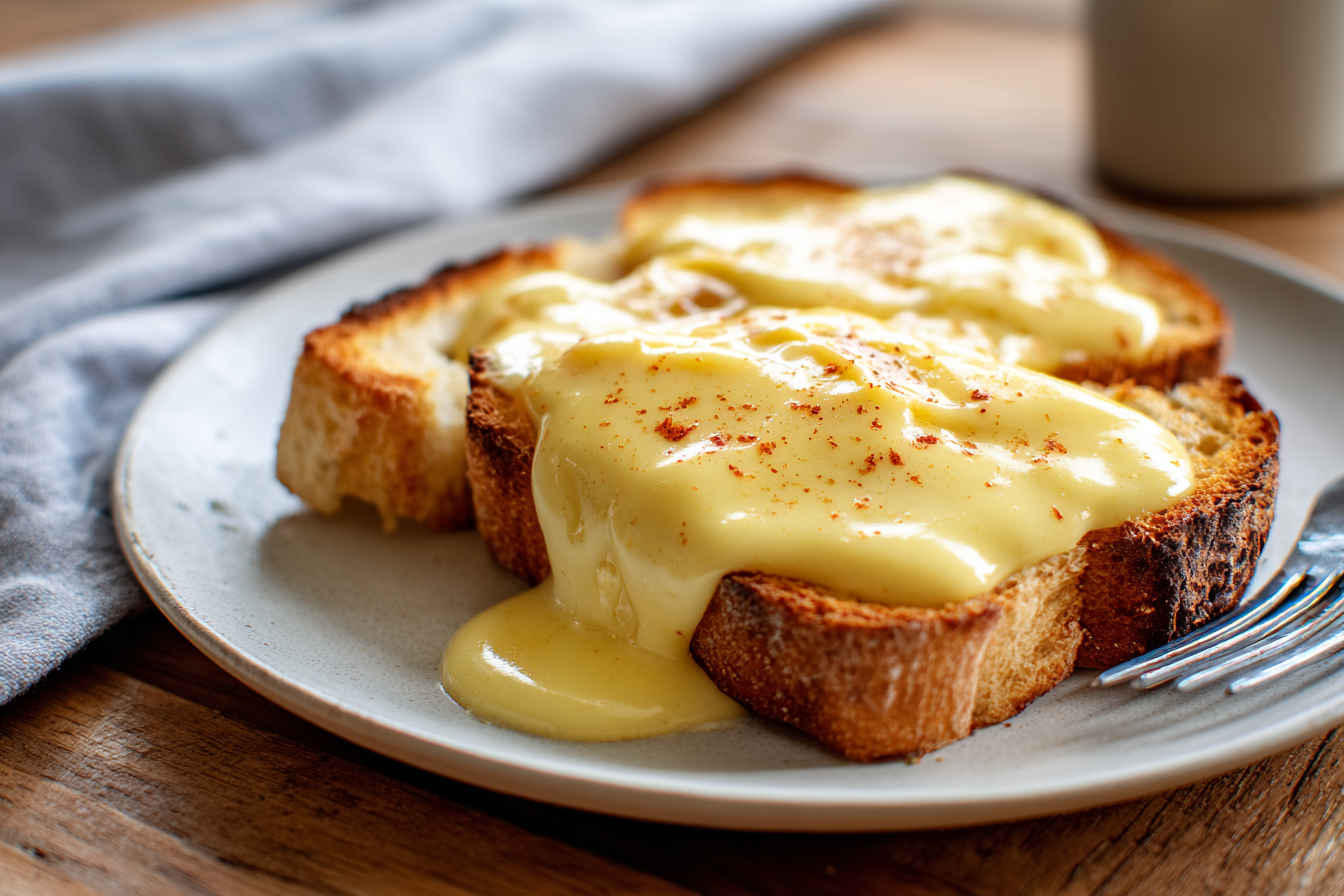
Classic Welsh Rarebit
Cuisine: British4
servings10
minutes15
minutes420
kcalThis forgotten cheese sauce sandwich deserves a spot back on your dinner table.
Ingredients
3 tablespoons butter
3 tablespoons all-purpose flour
1 cup beer (lager or pale ale) or whole milk, room temperature
2 cups sharp cheddar cheese, freshly shredded
1 tablespoon Worcestershire sauce
1 teaspoon dry mustard or Dijon mustard
1/4 teaspoon cayenne pepper or hot sauce
1 egg yolk, beaten (optional)
8 thick slices sourdough bread, toasted
Directions
- Melt the butter in a medium saucepan over medium heat, swirling to coat the bottom of the pan. Once the butter has melted completely and starts to foam slightly, sprinkle in the flour while whisking constantly. Cook this roux for about 2 minutes, stirring continuously, until it turns a light golden color and smells slightly nutty.
- Slowly pour in the room temperature beer or milk while whisking vigorously to prevent lumps from forming. Add the liquid in a thin, steady stream rather than all at once. Continue whisking until the mixture is completely smooth and starts to thicken, about 3-4 minutes.
- Reduce the heat to low and add the shredded cheddar cheese one handful at a time, stirring constantly with a wooden spoon or silicone spatula. Wait until each addition of cheese is mostly melted before adding the next handful. This gradual process prevents the cheese from clumping or separating.
- Stir in the Worcestershire sauce, mustard, and cayenne pepper or hot sauce. Taste the sauce and adjust the seasonings if needed—it should taste bold and slightly sharp, not bland. If using, temper the beaten egg yolk by stirring a spoonful of the hot cheese sauce into it first, then stir the egg mixture back into the sauce for extra richness.
- While the sauce finishes, toast the sourdough bread slices until golden brown and slightly crispy on top. You can use a toaster, toaster oven, or place the bread under the broiler for 2-3 minutes per side. The bread should be sturdy enough to support the weight of the cheese sauce.
- Place two slices of toasted bread on each serving plate. Immediately ladle the hot cheese sauce generously over the toast, making sure to cover the entire surface. The sauce should be pourable but thick enough to coat the bread without running off onto the plate.
- For an optional finishing touch, sprinkle the top with a pinch of paprika for color and extra taste. Some people like to place the sauced toast under the broiler for 1-2 minutes to create a slightly browned, bubbly top, but this is not traditional.
- Serve immediately while the cheese sauce is hot and the toast is still slightly crispy. Welsh rarebit waits for no one—the toast will start getting soggy after a few minutes, so eat it right away with a fork and knife.
Notes
- Always shred cheese from a block rather than using pre-shredded cheese, which contains additives that prevent smooth melting.
- The beer or milk must be at room temperature, not cold from the refrigerator, to prevent lumps in the sauce.
- Leftover cheese sauce can be refrigerated for up to 3 days and gently reheated over low heat, adding a splash of milk if it’s too thick.
- For a vegetarian version, check that your Worcestershire sauce doesn’t contain anchovies, or substitute with soy sauce.
Frequently asked questions about Welsh rarebit
Q: Can I make Welsh rarebit without alcohol?
A: Absolutely. Just substitute the beer with whole milk or half-and-half for an equally delicious sauce. The beer adds a slightly tangy, yeasty taste, but milk makes the sauce richer and creamier. Some people use a combination of milk and a splash of apple cider vinegar to mimic the tanginess that beer provides.
Q: What’s the difference between Welsh rarebit and cheese toast?
A: Welsh rarebit uses a cooked cheese sauce made with a roux, seasonings, and liquid, while cheese toast is just sliced cheese melted on bread. The sauce in Welsh rarebit is smooth, pourable, and heavily seasoned with Worcestershire, mustard, and spices. Cheese toast is simpler but doesn’t have the same complexity or richness as traditional rarebit.
Q: Can I prepare the cheese sauce ahead of time?
A: Yes, the sauce keeps well in the refrigerator for up to three days in an airtight container. Reheat it gently over low heat, stirring constantly and adding a splash of milk or beer if it’s too thick. Don’t microwave it on high power or the cheese will separate and become grainy. Make the sauce ahead for quick weeknight dinners.
Q: Why is it called rarebit if there’s no rabbit in it?
A: The name is actually a joke from centuries ago. The dish was originally called Welsh rabbit as a humorous way of saying that Welsh people were too poor to afford actual rabbit, so they ate cheese sauce instead. Over time, the name evolved to “rarebit” to sound fancier, but the joke stuck around in food history.
