

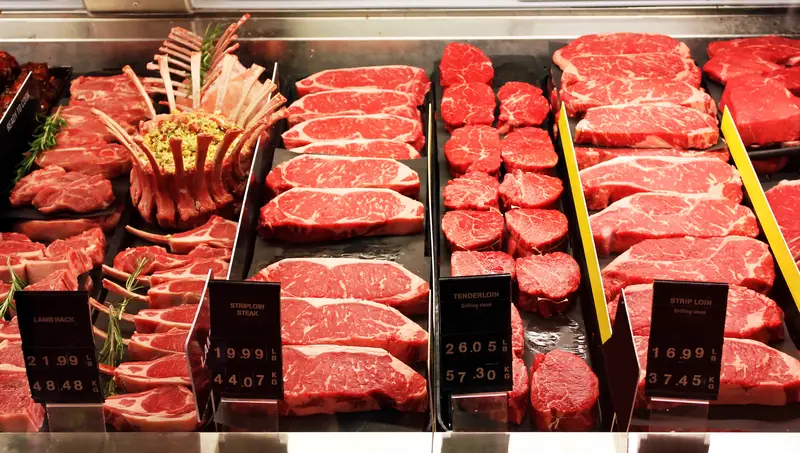
Most people think meat shopping is pretty straightforward – you head to the store, grab what looks good, and call it a day. But here’s something that might change how you plan your grocery trips: the day you shop for meat matters way more than you’d think. That chicken breast or ground beef you’re eyeing could be fresher, cheaper, or even questionable depending on when you walk through those automatic doors. So when exactly should you avoid the meat counter?
Monday meat often sits around longer than you’d like
Here’s the thing about Monday shopping – you’re essentially looking at leftovers from the weekend rush. Most grocery stores receive their biggest meat shipments midweek, which means that by Monday morning, what’s sitting in those refrigerated cases has been there since Thursday or Friday. The meat department usually doesn’t get fresh deliveries on Sundays, and even if they did, most stores don’t have butchers working to process and display new cuts. That package of pork chops might look fine, but it’s already been sitting there for several days.
The sell-by dates tell part of the story, but they don’t reveal everything. According to food safety experts, these dates are more like suggestions to stores rather than hard rules about when meat goes bad. Still, Monday meat tends to be closer to those dates than what you’d find later in the week. You might score some clearance deals because of this, but if you’re looking for the absolute freshest cuts to meal prep for the week ahead, Monday isn’t your best bet. The good stuff probably got scooped up during Sunday dinner planning or Saturday’s barbecue preparations.
Sunday shopping means limited selection and older inventory
Sunday used to be even worse for meat shopping than it is now. There was actually a time when you couldn’t buy meat on Sundays at all in many cities, particularly in Chicago and other union-strong areas. The butchers’ union had rules that required a trained butcher to be on duty for any meat sales, and since butchers didn’t work Sundays, stores would literally cover the meat cases with brown paper until Monday morning. Can you imagine planning a Sunday cookout and being completely out of luck if you forgot to shop Saturday?
These days, Sunday meat shopping is legal everywhere, but it still comes with problems. By Sunday afternoon, the meat department has been picked through by weekend shoppers for two full days. The popular cuts are gone, the selection looks sparse, and what remains has been sitting there since the last delivery days earlier. Plus, many stores run skeleton crews on Sundays, so there aren’t as many butchers around to cut fresh meat from the back or answer questions. You’re stuck with whatever made it through Saturday’s rush, and that’s usually not the cream of the crop. Old union rules from decades past might be gone, but Sunday still isn’t prime time for meat shopping.
Color changes don’t always mean the meat has gone bad
Walk past the meat case on a Monday or Sunday, and you might notice some packages look a little off. That ground beef seems more brown than red, or the chicken has a slightly grayish tint instead of that peachy pink color you expect. Your first instinct is probably to keep walking, but hold on – those color changes aren’t necessarily signs of spoilage. Beef naturally turns from bright red to brownish when it loses contact with oxygen, and chicken can range from yellow to almost white depending on the bird’s diet and age.
The bright red color we associate with fresh beef? That’s actually the result of a protein called myoglobin reacting with oxygen through the plastic wrap. When meat sits in the case for a few days, especially stacked under other packages or in areas with less light, it can turn purple or brown simply from lack of oxygen exposure. Store lighting can also make meat look darker or give it a brownish tint. Even that weird iridescent, slightly greenish sheen you sometimes see on roast beef or ham isn’t necessarily dangerous – it’s just light reflecting off the fat and protein molecules. The real test isn’t color at all.
Your nose is the best tool for checking meat freshness
Forget staring at the color or obsessing over the date on the label. If you really want to know whether meat is still good, you need to use your nose. Fresh meat shouldn’t smell like much of anything – maybe a faint, clean smell, but nothing strong or unpleasant. Once meat starts going bad, it develops a distinct sour odor that’s pretty unmistakable. Your gut will tell you something’s wrong before your brain even processes what you’re smelling. That funk comes from spoilage bacteria growing on the meat, and while it won’t necessarily make you sick if the meat’s been stored properly, it will taste absolutely terrible.
The texture matters too. If you open a package and the meat feels sticky, slimy, or tacky to the touch, that’s bacteria having a field day. Combine a weird smell with a questionable texture, and you’ve got meat that’s past its prime. This is way more reliable than looking at whether it’s Monday or checking the date on the package. The problem is, you can’t always smell meat through the plastic wrap at the store, which is exactly why shopping on days when the meat is more likely to be fresh makes such a difference. You want to minimize your chances of bringing home something that’ll fail the sniff test once you get it out of the package at home.
Those date labels aren’t expiration dates at all
This might surprise you, but the USDA doesn’t actually require dates on meat packaging. Those sell-by, best-by, and use-by dates you see are completely voluntary, and none of them mean the meat expires on that day. The sell-by date is basically a note from the store to itself, reminding staff to move older packages to the front and mark them down before new shipments arrive. It’s about inventory management, not safety. The best-by and use-by dates are about quality – when the store thinks the meat will taste and look its absolute best.
Different stores use different guidelines for these dates based on their storage conditions, packaging methods, and how they receive shipments. That’s why chicken from one grocery chain might have a sell-by date a week out, while the same cut from another store only has three days. Neither is wrong – they’re just using different standards for what they consider peak quality. The meat can absolutely be safe to eat for several days past any of these dates if it’s been stored properly in your fridge below 40 degrees. But here’s the catch: by Monday morning, you’re already working with meat that’s closer to these arbitrary dates, which means less cushion room once you get it home.
Clearance meat can be a great deal if you know what to look for
Those bright yellow clearance stickers on meat packages can feel like finding buried treasure or a warning sign, depending on your perspective. The truth is somewhere in between. Stores mark down meat when it’s approaching the sell-by date to make room for fresh inventory, and there’s absolutely nothing wrong with buying it if you know you’ll cook it soon. We’re talking about meat that might be a day or two from its printed date, not meat that’s actually spoiled. You can save serious money – sometimes 30 to 50 percent off – just by being willing to cook your purchase that same day or the next.
The key is knowing what you’re getting into. Check that the package isn’t leaking or bulging, which could mean the seal is compromised. Give it a visual once-over to make sure it doesn’t look slimy or have that tell-tale off smell seeping through the plastic. If everything checks out and you’re planning to cook it within a day, clearance meat is a smart buy. You can even freeze it immediately when you get home to extend its life by months. The problem with Monday shopping is that you’re more likely to find clearance meat because that’s when stores are trying to clear out the weekend’s leftovers before the midweek delivery arrives.
Wednesday through Friday brings the freshest meat deliveries
Most grocery stores follow a pretty predictable schedule for meat deliveries, and it usually centers around midweek. Distributors know that weekends are busy shopping days, so stores need their cases fully stocked by Friday afternoon. That means the big deliveries typically roll in Tuesday night through Thursday morning. By Wednesday, butchers are cutting and packaging fresh meat from these deliveries, and by Thursday and Friday, the cases are loaded with the newest inventory.
Shop during these days and you’re getting meat that was probably processed within the last 24 to 48 hours. The sell-by dates will be further out, giving you more flexibility with when you actually cook it. The selection will be better too, with popular cuts restocked and a wider variety available. Even better, you’re less likely to encounter clearance meat taking up space in the case, which means you’re not sorting through the old stuff to find the good packages hidden in back. Thursday is particularly sweet because it combines fresh inventory with the start of weekend sales that many stores run Friday through Sunday. You get the best of both worlds – fresh meat at sale prices.
Freezing meat immediately extends its life by months
Here’s a hack that makes the whole “what day should I shop” question less critical: buy your meat whenever it’s on sale or convenient, then freeze it the second you get home. Freezing stops bacteria growth in its tracks and can keep meat safe for months. Ground beef and poultry stay good frozen for three to four months, while steaks and roasts can last up to a year. You do sacrifice a tiny bit of quality compared to fresh meat because freezing can affect texture slightly, but it’s a worthwhile trade-off for the convenience and cost savings.
The trick is freezing it properly. Don’t just toss the grocery store package in your freezer – air exposure leads to freezer burn, which makes meat dry and tasteless. Instead, wrap it tightly in plastic wrap or aluminum foil, then put it in a freezer bag with as much air squeezed out as possible. Label it with the date so you remember what you’ve got and when you froze it. This strategy means you can absolutely buy that clearance meat on Monday, freeze it immediately, and cook it weeks later without any problems. Your home freezer won’t preserve meat as long as commercial freezing because your freezer goes through temperature changes every time you open the door, but it’ll still give you plenty of time.
Small butcher shops follow different schedules than big chains
Everything we’ve talked about applies mainly to big grocery store chains with their predictable delivery schedules and massive meat departments. Small butcher shops and specialty meat markets operate on completely different timelines. Many receive whole or half animals and break them down throughout the week, which means they might have fresh cuts available any day depending on what they’re working on. Some close on Sundays and Mondays entirely, making Tuesday their freshest day as they process new inventory.
If you have a good local butcher, it’s worth asking when they get deliveries and do their major cutting. They’ll usually be happy to tell you, and some will even cut specific pieces to order if you call ahead. The meat at these shops is often higher quality than grocery store offerings anyway, and the staff actually knows what they’re talking about. You’ll pay a bit more per pound, but you’re getting better meat and expert advice. Plus, small butchers don’t usually let meat sit around as long as big stores do – they have less inventory and faster turnover, so even their Monday meat might be fresher than what you’d find at a chain grocery store on Wednesday.
The worst day to buy meat is Monday, hands down, with Sunday coming in a close second. You’re looking at older inventory, picked-over selection, and meat that’s been sitting in the case since last week’s delivery. Wednesday through Friday gives you the freshest options as new shipments arrive and get processed. But honestly, if you know how to spot good meat regardless of the day – checking smell, texture, and package integrity rather than obsessing over dates – you can shop whenever works for your schedule. Just remember that freezer hack, and you’ll never worry about timing again.
