

Walking down the bacon aisle at your local grocery store can feel overwhelming with dozens of packages promising the crispiest, smokiest, most delicious breakfast meat you’ve ever tasted. Turns out, not all bacon lives up to the hype on its packaging. Some brands cook up greasy, bland, or rubbery, leaving you with serious regrets about your breakfast choice. After testing multiple popular bacon brands through blind taste tests and cooking trials, some clear winners and disappointing losers emerged that every bacon lover needs to know about before their next shopping trip.
Sugardale bacon cooks too thick and tastes too bland
Seeing thick slices through the package usually signals a good bacon experience ahead, but Sugardale proves this isn’t always the case. The slices are packed differently than most brands, lying directly next to each other instead of slightly spaced out. When these thick strips hit the pan or oven, they refuse to crisp up properly no matter how long they cook. Instead, they stay stubbornly chewy with an unpleasant texture that makes you wonder if the bacon is even fully cooked. At around $10 for a 40-ounce package, the budget-friendly price might tempt large families or anyone cooking for a crowd.
The worst part about Sugardale isn’t just the texture problem but the complete lack of satisfying bacon taste. Even mediocre bacon usually delivers some salty, savory goodness, but these slices manage to taste remarkably bland. The thick cut that initially seemed promising becomes a liability when the bacon won’t cook evenly. The fatty parts stay jiggly while thinner sections start to burn. Most taste testers left this bacon unfinished on their plates, which says everything you need to know. If taste and texture matter more than stretching your dollar, skip this one entirely and choose literally any other brand on the shelf.
Target’s Good & Gather bacon has a strange chemical flavor
Target shoppers expect decent quality from the Good & Gather store brand, which makes the bacon’s bizarre taste even more disappointing. The strips look normal in the package and start out shorter than most other brands before shrinking even more during cooking. When you take that first bite, something tastes fundamentally wrong. Multiple testers described an overwhelming chemical or soapy flavor that has nothing to do with actual bacon. One person couldn’t figure out how this product even gets sold as bacon since it tastes nothing like what you’d expect. The off-putting flavor makes it nearly impossible to finish a whole slice.
At around $6 for a 12-ounce package, the price sits on par with other store brands and uncured options. The Good & Gather line usually skips added sugar and focuses on fewer additives, which sounds great in theory. Unfortunately, removing certain ingredients seems to have created a product that barely resembles bacon. The regular version already comes super thick, so the thick-cut variety probably cooks up like pork steaks. If you’re shopping at Target and need bacon, consider making an extra stop at another store instead. The convenience of one-stop shopping isn’t worth choking down bacon that tastes like cleaning products.
Oscar Mayer delivers disappointing results despite wide variety
Oscar Mayer offers the biggest bacon selection at most grocery stores, with maple, turkey, original, and multiple thick-cut options filling the shelves. This variety tricks you into thinking the brand must be doing something right. The center-cut thick-cut version promises tender, meaty slices with the fatty ends trimmed off for a better bacon experience. Instead, these strips still have quite a bit of fat streaked through each piece despite the center-cut claims. At around $9 per pound, it ranks among the pricier options while delivering shorter strips that cook down even more. The clear packaging at least lets you inspect the meat-to-fat ratio before buying.
Taste testers described Oscar Mayer as “ho-hum” and “not worth” whatever price you paid for it. The bacon crisps up fine but leaves behind pools of grease on your plate that make every bite feel heavy and oily. This brand represents super basic bacon without any memorable qualities to set it apart from cheaper alternatives. If you find a package with more visible meat and less fat, Oscar Mayer can deliver acceptable results. But why settle for acceptable when better options exist at lower prices? The extensive variety of bacon types feels like a marketing trick to distract from the fundamental quality issues with the product itself.
Hormel Black Label bacon tastes overly salty and greasy
Hormel makes those convenient microwave-ready bacon packages that many families rely on for quick breakfasts, so expectations run high for their regular bacon products. The Black Label applewood thick-cut variety features less visible fat than some competitors, which should mean less splatter and mess during cooking. The thick cuts hold up well in sandwiches and crisp up nicely whether you fry them in a pan or bake them in the oven. At around $6 for 12 ounces, you need to check the price per ounce carefully since many other brands come in 16-ounce packages that offer better value. The regular thick-cut version costs about $5 for 16 ounces.
The major problem with Hormel comes down to excessive salt that overwhelms everything else. Some testers described it as tasting like “fat” with a greasy, unpleasant quality that left them feeling gross. The applewood version packs serious sodium, and the thick-cut variety contains even more salt per serving. If you do buy Hormel bacon, pair it with foods that have zero added salt to balance things out. Multiple taste testers called this their least favorite option, with some unable to finish their portions. The texture works fine, but bacon needs to deliver on taste, and salt-bombing your breakfast isn’t the answer.
Smithfield bacon leaves pools of grease on your plate
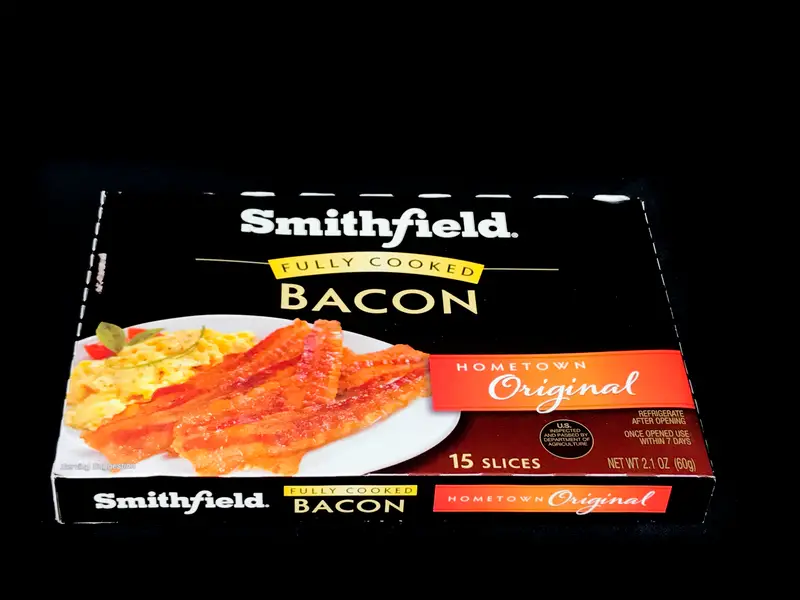
Smithfield almost made it into the acceptable middle tier of bacon brands, but excessive grease knocked it down several spots. The taste registers as decent enough, with a standard salty, smoky profile that meets basic bacon expectations. Nothing about the initial cooking experience raises red flags, and the strips crisp up at a normal pace without burning or staying rubbery. The problems only become obvious once you transfer the cooked bacon to your plate and watch grease pool around each strip. Even after resting on paper towels to absorb excess fat, Smithfield bacon continues releasing oil that makes everything on your plate slippery and unappetizing.
Some people genuinely enjoy fattier bacon and don’t mind the extra grease, but most testers found it off-putting. The greasy quality makes Smithfield bacon feel heavy and rich in an unpleasant way rather than indulgent. If you’re planning to use bacon grease for cooking other foods, this brand provides plenty of drippings to save. But if you just want to enjoy a few strips of bacon without feeling like you need a shower afterward, better options exist. The middle-of-the-road taste can’t overcome the slick, oily texture that coats your mouth with every bite.
Giant maple bacon stretches too thin in the oven
Shopping at Giant means looking for good value, and the store-brand bacon costs around $5 for a 1-pound package compared to pricier name brands. Giant offers hickory-smoked, low-sodium, and thick-cut varieties, but the maple bacon stands out as one of the few brands providing this sweet option. The maple flavoring stays subtle, letting the salty bacon taste dominate rather than turning breakfast into a sugary mess. Each slice shows a nice balance of meat and fat, which looks promising in the package. The classic-style cut seems standard until you start cooking and watch the bacon do strange things.
The biggest issue with Giant bacon happens when you bake it in the oven and the strips stretch out dramatically, becoming paper-thin and almost transparent. Stick with pan-frying if you buy this brand to avoid ending up with bacon strips that look like they went through a taffy puller. The thin texture works fine for crumbling over salads or baked potatoes, but forget about using this bacon in sandwiches where it needs to hold its shape. For the low price, Giant bacon delivers acceptable taste that rivals more expensive brands. Just manage your expectations about thickness and cooking method.
Applegate Naturals costs too much for tiny portions
Applegate Naturals comes in the smallest packages found during testing, with just 8 ounces of hickory-smoked, no-sugar bacon per pack. The brand focuses on antibiotic-free, humanely raised pork that gets cured without synthetic nitrates or nitrites. These factors probably explain why each package costs around $7, making this one of the most expensive bacon options per ounce. For a family of five, you’d need to buy multiple packages for a single breakfast, which gets ridiculously expensive fast. The bacon delivers perfectly balanced salt and savory taste, earning high marks for basic bacon satisfaction.
Unfortunately, several problems undermine the good taste. The bacon starts burning in the oven before other brands even finish cooking, requiring constant monitoring to prevent charred edges. Large amounts of fat in each slice create serious splatter on the stovetop that makes cleanup miserable. Worse, the strips fall apart when you lift them from the package, leaving you with broken pieces instead of full slices. All that fat means the bacon cooks down considerably, shrinking into tiny portions that barely count as bacon anymore. If you love large, substantial bacon strips, this brand will disappoint you every time.
Costco’s Kirkland Signature bacon doesn’t live up to internet hype
Internet bacon lovers constantly praise Costco’s Kirkland Signature thick-cut bacon, probably because you get three entire pounds for around $15. That bulk value sounds amazing until you actually cook and taste this bacon during a blind test. The thick-cut slices definitely deliver on meatiness, giving you substantial strips that feel hearty and filling. When testers didn’t know they were eating the famous Kirkland bacon, they described it as simply “meh” without any standout qualities. The texture works fine, but something crucial is missing that keeps this bacon from earning true excitement.
The main complaint centers on bland taste that fails to deliver satisfying bacon richness. Kirkland bacon tastes meaty but lacks the smoky, salty punch you want from good bacon. If you’re already shopping at Costco and need massive quantities of acceptable bacon, this product makes sense. But making a special trip just for Kirkland bacon based on glowing online reviews will leave you wondering what all the fuss is about. The thick-cut version borders on being too thick, almost like eating pork chops instead of bacon. For the best bacon experience, thickness matters less than actual taste, where Kirkland falls disappointingly flat.
Jimmy Dean bacon has weirdly shaped slices that cook unevenly
Opening a package of Jimmy Dean hickory-smoked premium bacon reveals the strangest-shaped slices you’ve ever seen. Wide, thick parts suddenly narrow into thin, fragile strips that look like they belong to completely different pieces of bacon. Some slices resemble Canadian bacon with a long rattail attached to one end. This bizarre shape makes even cooking nearly impossible since the thick parts need more time while the thin ends start burning. The package adds water, salt, sugar, and the usual lineup of sodium phosphate, sodium erythorbate, and sodium nitrate for curing. All these sodium-based preservatives pack a whopping 320 milligrams of sodium per serving.
The hickory smoke taste registers as completely middle-of-the-road without any special qualities to remember. Jimmy Dean delivers basic bacon that works in a pinch but doesn’t inspire you to buy it again. Maybe you’re supposed to cut off the thin rattail portion and use the round thick part for breakfast sandwiches? The odd shape creates more questions than answers. For a brand that’s famous for breakfast sausage, their bacon game needs serious work. File this one under “it’ll do” if nothing else is available, but don’t go out of your way to buy Jimmy Dean when better-shaped, better-tasting bacon exists.
Making better bacon choices starts with knowing which brands consistently disappoint and which ones deliver that perfect crispy, salty morning satisfaction. Skip the ones that cook up greasy, bland, or weirdly shaped, and your breakfast will improve immediately. Testing different brands yourself helps you find personal favorites, but avoiding these problem children saves money and prevents breakfast disappointment. Next time you’re standing in the bacon aisle feeling overwhelmed, remember these lessons and reach for something better than these bottom-tier brands that just don’t make the cut.
