

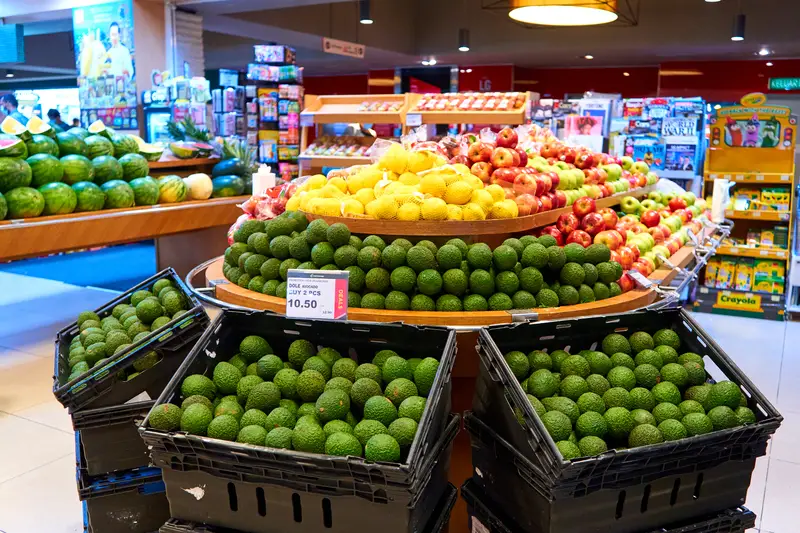
Most of us have done it—come home from the grocery store with bags of fresh produce and immediately start loading everything into the fridge. It seems like the right move to keep things fresh, but here’s something that might surprise you: some fruits actually hate the cold. Refrigerating certain fruits can turn them mealy, bland, or even stop them from ripening altogether. If you’ve ever bitten into a peach that tasted like cardboard or waited forever for a rock-hard avocado to soften, the fridge might be to blame. Let’s talk about which fruits need to stay out of the cold and why your counter is actually their best friend.
Bananas turn gray and rubbery in the fridge
Bananas are one of the worst offenders when it comes to cold storage. When you stick them in the fridge before they’re ripe, they basically refuse to get any sweeter. The peel might turn an ugly gray or brown color, and the inside stays hard and starchy instead of developing that creamy texture we all love. Even if the peel looks okay, the flesh can become rubbery and lose its natural sweetness. Bananas are tropical fruits that grow in warm climates, so cold temperatures mess with their ability to ripen properly.
According to produce experts, bananas should always stay at room temperature until they’re as ripe as you like them. If you want to slow down the ripening process once they’re ready, then you can move them to the fridge, but only after they’ve reached that perfect yellow stage with a few brown spots. One helpful trick is using a banana hanger to prevent bruising and help them last longer. Also, keep them away from other fruits since they release ethylene gas that makes everything around them ripen faster.
Avocados stay rock-hard when refrigerated too early
Few things are more frustrating than buying avocados and waiting days for them to ripen, only to have them go from hard as a rock to brown mush overnight. The fridge is often the culprit here. When you refrigerate an unripe avocado, the cold temperature basically puts it into hibernation mode. It won’t soften properly, and when it finally does, it might skip right past that perfect creamy stage and turn into a disappointing brown mess inside. Avocados need warmth to develop their buttery texture and mild taste.
Store your unripe avocados on the counter, away from direct sunlight, and give them a gentle squeeze every day to check for ripeness. Once they yield slightly to pressure, they’re ready to eat. At that point, you can move them to the fridge if you need to keep them fresh for a few more days, but not before. If you want to speed up ripening, put your avocado in a paper bag with a banana or apple—the ethylene gas from these fruits works like magic to soften them up faster.
Tomatoes lose their sweetness and turn mealy
Yes, tomatoes are technically a fruit, and they absolutely hate being cold. Ever notice how grocery store tomatoes sometimes taste like nothing? That’s often because they’ve been refrigerated. Cold temperatures break down the cell walls inside tomatoes, making them mealy and watery instead of juicy and sweet. The refrigerator also dulls the natural sugars and aromatic compounds that give tomatoes their distinctive taste. A tomato that’s been chilled too soon will never taste as good as one that ripened at room temperature.
Keep your tomatoes on the counter, stem-side down, to prevent bruising and reduce the risk of mold. Spread them out so they’re not touching each other, and keep them away from direct sunlight. Room temperature storage helps them maintain their sweetness and that perfect balance of acidity. If you’ve already cut into a tomato, that’s when you should refrigerate the leftovers, but whole tomatoes belong on your counter or in a cool pantry. The difference in taste is honestly night and day.
Stone fruits develop grainy texture in cold storage
Peaches, plums, nectarines, and apricots are all stone fruits that continue ripening after they’re picked. When you refrigerate them too early, they develop an unpleasant grainy or mealy texture that ruins the whole eating experience. The cold interferes with their natural ripening process, preventing them from becoming juicy and sweet. Instead, you end up with fruit that looks okay on the outside but tastes bland and feels weird in your mouth. Stone fruits are meant to be enjoyed when they’re soft, fragrant, and bursting with juice.
According to fruit storage guidelines, you should spread out your stone fruits on the counter so they don’t bruise each other. Keep them at room temperature and away from direct sunlight until they soften and smell sweet. Give them a gentle squeeze near the stem—when they yield slightly to pressure, they’re ready to eat. If they’re getting too ripe and you’re not ready to eat them, that’s when you can move them to the fridge to slow things down. But let them ripen first, or you’ll miss out on the best part.
Mangoes turn mushy and bland in the refrigerator
Mangoes are another tropical fruit that really suffers in cold storage. When you refrigerate an unripe mango, it becomes stubborn and refuses to reach that perfect sweet, juicy stage we all crave. The cold temperature damages the fruit’s internal structure, leading to mushy spots and a bland taste that’s nothing like what a proper mango should be. These fruits grow in hot, sunny climates and need warmth to develop their characteristic tropical sweetness and smooth texture.
Store your mangoes at room temperature until they’re ripe, away from direct sunlight. You’ll know they’re ready when they smell sweet near the stem and feel slightly soft when you gently squeeze them. The skin color isn’t always the best indicator since different mango varieties have different colors when ripe. Once your mango is perfectly ripe, you can refrigerate it whole for a few more days, or slice it up and store the pieces in an airtight container in the fridge. But don’t put them in cold storage before they’ve had a chance to ripen properly.
Citrus fruits and apples prefer the counter
While apples and citrus fruits can survive in the fridge without major texture damage, they actually taste better at room temperature. Cold temperatures dull the natural sugars in fruit, making them taste less sweet than they really are. This is why fruit straight from the fridge often tastes more tart or bland compared to the same fruit at room temperature. Your taste buds are more sensitive to sweetness when food is warmer, so counter-stored fruit simply tastes better.
Oranges, lemons, limes, grapefruits, and apples can all sit happily on your counter for one to two weeks in a cool spot. The waxy exterior on citrus fruits helps protect them from spoiling quickly at room temperature. If you prefer cold citrus for juicing or eating, that’s fine—they won’t develop texture problems like other fruits. But if you want the fullest, sweetest taste, let them warm up to room temperature before eating. Apples stay crisp longer in the fridge, but they taste sweeter and more aromatic when stored on the counter.
Understanding ethylene gas helps you store fruit better
Ever wonder why some fruits seem to ripen faster when stored together? The answer is ethylene gas, a natural plant hormone that fruits release as they ripen. Bananas, avocados, and apples are major ethylene producers, which means they can speed up the ripening of any fruit stored nearby. This can be helpful when you want to ripen something quickly, but it’s a problem when you’re trying to keep other produce fresh. Knowing which fruits produce this gas helps you arrange your counter space more strategically.
If you want fruit to ripen faster, store it together in a paper bag with a banana or apple. The bag traps the ethylene gas, creating a ripening chamber that works surprisingly well. On the other hand, if you want to slow down ripening, keep ethylene-producing fruits separate from everything else. This is especially important for fruits that are already ripe and ready to eat. A single overripe banana sitting next to your perfect peaches can turn them mushy overnight. Understanding this simple concept can seriously reduce food waste in your kitchen.
Melons and pineapples stay fresher on the counter
Whole watermelons, cantaloupes, honeydew melons, and pineapples take up a ton of fridge space, and the good news is they don’t need to be there anyway. These fruits have tough exteriors that protect them at room temperature for up to a week. Refrigerating them before they’re cut doesn’t really extend their life much, and it makes them taste less sweet. Plus, cold pineapple loses some of its tropical punch, and melon that’s too cold can taste watery instead of refreshing.
Store your whole melons on the counter in a cool spot away from direct sunlight. Once you cut into them, that’s when you need to refrigerate the leftovers in an airtight container. Pineapples are the same way—keep them whole on the counter for two to three days, then refrigerate any cut pieces. If you want cold melon or pineapple, you can always cut it and chill it for an hour or two before serving. This way, you get the best of both worlds: fruit that ripens properly and tastes great, but is cold when you’re ready to eat it.
Recognizing ripeness prevents storage mistakes
The biggest mistake people make is not checking whether their fruit is actually ripe before deciding where to store it. Most fruits are picked before they’re fully ripe so they can survive shipping without getting damaged. This means the bananas, avocados, mangoes, peaches, and other fruits you bring home still need time to finish ripening. Learning the signs of ripeness for different fruits helps you figure out whether they belong on the counter or in the fridge.
For most fruits, gentle pressure near the stem tells you what you need to know. Ripe fruit yields slightly but doesn’t feel mushy. A sweet aroma near the stem is another good sign. Color changes can help too, but they’re not always reliable since some varieties don’t change color much when they ripen. Once your fruit passes these tests, you can refrigerate it if needed to extend its life by a few days. But until it’s ripe, the counter is where it belongs. This simple check prevents the disappointment of biting into fruit that never had a chance to reach its full potential.
Breaking the habit of automatically refrigerating all your produce takes some practice, but your fruit will taste so much better once you do. Most fruits that are sold unripe need warmth to develop their full sweetness and proper texture. The fridge has its place for storing ripe fruit or extending the life of things that are ready to eat, but it’s not where the ripening magic happens. Next time you come home from the store, take a moment to check each piece of fruit and decide whether it’s ready for the cold or needs a few days on the counter. Your taste buds will thank you.
