

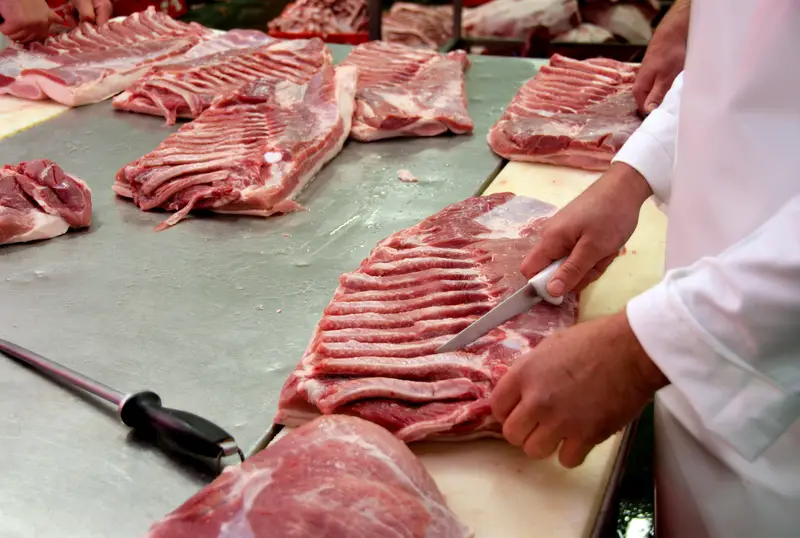
Americans eat a lot of meat. We’re talking second place in the world when it comes to how much beef, chicken, and pork we consume. Most people stick to the usual suspects at the grocery store, but did you know that some meats that used to be totally normal to eat are now completely illegal? We’re not talking about stuff that was never popular either. Some of these were considered fancy dishes served at restaurants and even enjoyed by presidents. Others were just part of everyday survival for early Americans. The reasons for these bans range from protecting endangered animals to keeping us safe from diseases, but the result is the same: you could face serious fines or even jail time for eating them today.
Sea turtle meat was once presidential food
Turtle soup used to be one of the fanciest things you could order at a restaurant. President Howard Taft loved it so much that he actually hired a special chef whose only job was to make turtle soup. Campbell’s even sold canned turtle soup because so many regular people wanted to try what the rich folks were eating. The soup was made from sea turtles caught in American waters, and nobody thought twice about it back then.
Everything changed in 1973 when the Endangered Species Act passed. People had been catching so many sea turtles that all six species in American waters became endangered. Now it’s a federal crime to eat sea turtle meat, and all those species are still struggling to recover. The good news is that turtle soup didn’t completely disappear. Some restaurants in New Orleans still serve it, but they use farm-raised snapping turtles instead. People say the meat tastes somewhere between chicken and veal, so at least there’s still a legal option if you’re curious.
Owl meat used to end up in gumbo
Back in the 1800s, owls weren’t just those cool birds you see in nature documentaries. They were actually sold at markets and cooked into meals. John James Audubon, who wrote a famous book about American birds, mentioned that barred owls were commonly sold at the New Orleans market. The local Creole people would make gumbo with owl meat and apparently thought it tasted pretty good. Owls were never a main food source like chicken or beef, but people ate them when they could catch them.
The Migratory Bird Treaty Act of 1918 put an end to all that. This law protects over 1,000 bird species, including all types of owls. You can’t hunt them, capture them, kill them, or even keep their feathers without a special permit. Breaking this law can land you in serious trouble with hefty fines and possible jail time. Thanks to these protections, barred owls are doing well now and you can find them all over North America, just not on anyone’s dinner plate.
Dog meat was legal until recently
Most Americans would never dream of eating dog meat, but it was technically legal until 2018. That might sound shocking, but there are records of people eating dogs throughout American history. When Lewis and Clark were exploring the West, Meriwether Lewis wrote in his journal that dog meat had become a big part of their diet. He even said he preferred it to lean venison or elk. Some Native American tribes and early settlers also ate dog meat during tough times when other food was scarce.
Congress finally passed the Dog and Cat Meat Trade Prohibition Act in 2018, making it officially illegal to kill dogs or cats for human consumption. Before this federal law existed, there were already state and local laws preventing a dog meat market from developing in America. In other parts of the world like China, Vietnam, and South Korea, dog meat is still consumed, though it’s becoming less common. In one Chinese city that hosts a controversial dog meat festival, almost 88% of residents say they rarely or never eat it.
Wild beluga caviar costs more than most cars
Caviar is those tiny fish eggs that rich people eat at fancy parties, and it’s always been expensive. But beluga caviar was the most expensive and sought-after type you could buy. It comes from beluga sturgeon, which are ancient fish that have been around since the age of dinosaurs. Americans used to be the biggest buyers of beluga caviar, willing to pay thousands of dollars for just a small amount. The salty, briny taste and the luxury status made it incredibly popular among people who could afford it.
The problem was that everyone wanted it so badly that the beluga sturgeon population dropped by 90% between 1985 and 2005. The US banned importing wild beluga caviar in 2005 to try to save the species. There’s one company in Florida that has the only permit to sell beluga caviar in America, but they raise the fish on farms. If you really want to try it, you can find it at some fancy restaurants where an ounce costs around $1,100. That’s more than most people spend on groceries in a month.
Robin meat was considered a delicacy
When you see a robin hopping around your yard today, you probably think it’s cute. But back in the 1800s, people saw them as tasty snacks. A market guide from 1867 mentioned that thousands of robins were sold at markets and shot by hunters, especially in September and October when the birds were fat. People would bake them into robin pies, which was apparently a real thing that showed up in cookbooks. One recipe from 1890 called for 10 to 12 robins stuffed into a pie dish with beef and bacon.
Like owls, robins got protection from the Migratory Bird Treaty Act in 1918. Now you can’t legally hunt, capture, or kill them. There are actually more robins than people in America these days, and their population has been growing steadily since 1966. So even if robins are eating all the berries in your garden, you can’t do anything about it except maybe put up some netting. That robin pie recipe will have to stay in the history books where it belongs.
Horse meat is still eaten in other countries
Americans have always had a special relationship with horses, seeing them more as companions and work animals than food. But in countries like France, Italy, Belgium, and the Netherlands, horse meat is sold in regular butcher shops and served at restaurants. It’s actually pretty nutritious, with less fat and cholesterol than beef and about four times as much iron. Some people who’ve tried it say it tastes just like beef, while others think it’s a bit sweeter.
While eating horse meat isn’t technically a federal crime in the US, Congress effectively banned selling it by making it illegal and defunding inspections at slaughterhouses in 2007. Without those inspections, the meat can’t be sold for human consumption. Several states have also passed their own laws specifically banning horse meat. American slaughterhouses used to process horse meat for export to other countries, but even that stopped once the inspection funding disappeared. If you want to try horse meat, you’ll need to travel to Canada or Europe.
Haggis contains an illegal ingredient
Haggis is Scotland’s national dish, and Scottish people are pretty proud of it. It’s made by stuffing a sheep’s stomach with a mixture of the animal’s heart, liver, lungs, onions, oats, and spices. That might sound gross to some people, but plenty of Americans happily eat other organ meats like liver and heart. The problem isn’t with most of those ingredients. The issue is specifically with the lungs, which have been banned for human consumption in the US since 1971.
The USDA’s reasoning is that contaminants animals breathe in can get stuck in their lungs, making them unsafe to eat. This means you can’t get real haggis anywhere in America, even at Scottish restaurants or festivals. People who defend eating lung meat point out that many other countries serve it without problems. There are other dishes from around the world that also use lung meat, like Austrian lung stew and Chinese lung slices, but none of them are available in their authentic form here. If you want the real thing, you’ll have to book a trip to Scotland.
Whale meat has a complicated history
Native Americans and other indigenous peoples around the world have been hunting whales for thousands of years as an important food source. When European colonists arrived in North America, they discovered whale hunting too, but they were mostly interested in whale oil rather than the meat. The whaling industry grew massive in the 1800s and early 1900s, with ships killing whales by the thousands. By the early 1900s, many whale species were nearly extinct because so many had been killed.
The International Whaling Commission formed in 1947 to try to save whales by regulating hunting. In 1986, they banned commercial whale hunting completely. Today, it’s illegal to sell whale meat in the United States. The only exception is for Native Americans who have traditional hunting rights, but even they face restrictions on which species they can hunt. A few countries like Japan, Norway, and Iceland still allow some whale hunting, but it’s controversial worldwide. Most Americans today would never consider eating whale meat, but it was part of survival for many coastal communities in the past.
Wild abalone nearly disappeared from California
Abalone is a type of sea snail with a beautiful shell and meat that people describe as buttery and briny. Native Americans living along the California coast were eating abalone at least 7,400 years ago, and there used to be millions of them in the ocean. The meat became such a popular and expensive delicacy that people caught way too many of them. Add in disease and changing ocean conditions, and abalone populations crashed hard. Two of the eight species native to California are now listed as endangered.
California banned commercial fishing for wild abalone in 1997, and by 2017, even sport fishing was prohibited. Now the only legal abalone you can buy in the US comes from special aquaculture farms that raise red abalone. These farmed versions are certified and regulated, but they’re still pretty hard to find and expensive. If you see abalone on a menu, you can be sure it’s either from a farm or imported from another country where the populations are more stable, like Australia or New Zealand.
It’s wild to think that some meats that were perfectly normal or even fancy just a few generations ago are now completely off-limits. Most of these bans happened because we learned important lessons about protecting endangered species and preventing diseases. While you might never have wanted to eat owl gumbo or robin pie anyway, it’s interesting to see how much food culture has changed. The next time you’re at the grocery store picking up chicken or beef, you can appreciate that at least those animals aren’t going extinct anytime soon.
