

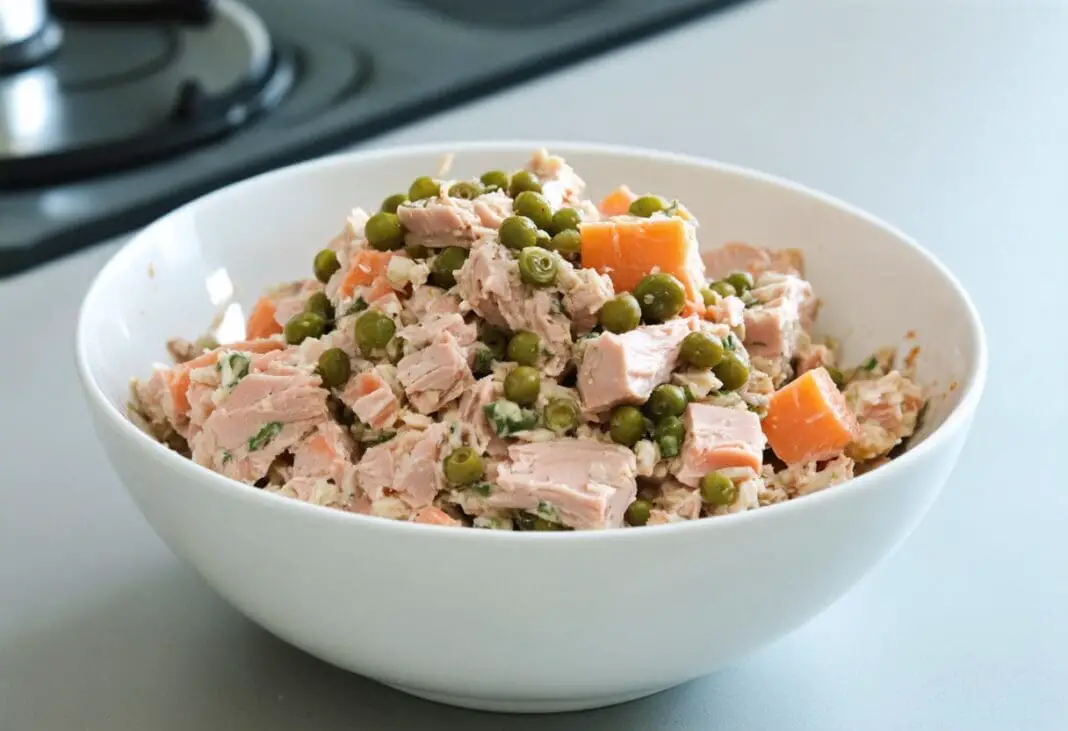
Most people think canned tuna is destined to be boring, dry, and frankly kind of sad. But here’s something that might surprise you – professional chefs have been using simple pantry ingredients to transform this humble protein into restaurant-worthy dishes for decades. The secret isn’t some fancy technique or expensive add-on. It’s probably sitting in your kitchen right now, and once you know how to use it properly, you’ll never look at that little can the same way again.
Olive oil makes all the difference
The biggest mistake people make with canned tuna is buying the water-packed version and calling it a day. While water-packed tuna might seem like the healthier choice, it’s actually robbing you of incredible taste. Oil-packed tuna has a completely different texture and richness that transforms every dish. The oil doesn’t just preserve the fish – it infuses it with moisture and depth that you simply can’t get any other way.
When you drain oil-packed tuna, save some of that liquid gold. Professional chefs use this oil as the base for pasta sauces, salad dressings, and even as a finishing oil for vegetables. The oil has absorbed all the tuna’s rich essence, making it an instant upgrade for any dish. Try mixing a spoonful into your next batch of mashed potatoes or drizzling it over roasted vegetables.
Capers add instant restaurant sophistication
Those tiny green spheres sitting in your pantry are about to become your new best friend. Capers bring a briny, tangy punch that cuts through tuna’s richness perfectly. They’re like little bursts of Mediterranean sunshine that instantly elevate any tuna dish from basic to brilliant. Most people skip capers because they seem fancy or intimidating, but they’re actually one of the easiest ways to add professional-level taste to home cooking.
The combination works so well that classic pasta dishes like spaghetti al tonno rely on it heavily. Just a tablespoon of capers mixed into your tuna salad or pasta sauce creates layers of complexity that make people wonder what your secret ingredient is. They also pair beautifully with olives and fresh herbs, creating a Mediterranean trifecta that transforms even the simplest tuna sandwich into something special.
Fresh lemon juice brightens everything instantly
Canned tuna can sometimes taste a bit flat or one-dimensional, but fresh lemon juice fixes that problem immediately. The acidity cuts through any fishiness while brightening all the other ingredients around it. Don’t reach for the bottled stuff – fresh lemon juice has a clean, vibrant taste that bottled versions just can’t match. Plus, the natural oils in fresh lemon zest add another layer of citrusy goodness that makes everything taste more alive.
The key is knowing when to add it. Mix lemon juice directly into your tuna mixture for dishes like tuna salad or save it as a finishing touch for hot dishes. When making tuna pasta, add the lemon juice after you’ve tossed everything together but before serving. This preserves the bright, fresh taste and prevents the acid from breaking down other ingredients during cooking.
Dijon mustard creates creamy depth without mayo
Everyone automatically reaches for mayonnaise when making tuna salad, but Dijon mustard is actually the secret weapon that creates much more interesting results. The sharp, tangy bite of good Dijon adds complexity while helping bind ingredients together naturally. Unlike mayo, which can make tuna salad feel heavy and one-note, Dijon keeps things light while adding a sophisticated edge that makes people take notice.
Start with just a teaspoon and work your way up – Dijon’s power can be overwhelming if you go overboard. The beauty of using Dijon is that it plays well with other strong ingredients like capers, olives, and fresh herbs. It also works wonderfully in warm applications like tuna melts, where the heat mellows its sharpness while still maintaining that distinctive tang that makes everything taste more refined.
White beans turn tuna into a complete meal
This combination might sound strange if you’ve never tried it, but white beans and tuna create one of the most satisfying, protein-packed meals imaginable. The creamy texture of cannellini or navy beans provides the perfect backdrop for tuna’s more assertive personality. Together, they create a dish that’s filling enough to be a proper dinner but light enough that you won’t feel weighed down afterward.
Italian cooks have known about this pairing for generations, and classic recipes often include nothing more than good olive oil, fresh herbs, and maybe some red onion. The beans absorb whatever dressing you add while providing substance, and the tuna brings protein and rich taste. This combination works equally well as a cold salad on hot summer days or warmed up with some crusty bread for a cozy winter meal.
Fresh herbs make everything taste homemade
Dried herbs have their place, but fresh herbs transform canned tuna from obviously processed to restaurant-fresh in seconds. Parsley, basil, dill, and chives all work beautifully with tuna, each bringing its own personality to the mix. Fresh parsley adds brightness and color, basil brings sweetness and aroma, dill creates an almost creamy richness, and chives provide a gentle onion bite that doesn’t overpower.
The trick is adding fresh herbs at the right time. For cold dishes like tuna salad, mix them in just before serving to preserve their bright color and fresh taste. For hot dishes, add heartier herbs like basil and parsley during cooking, but save delicate ones like dill and chives for the very end. Even a small handful of chopped fresh herbs can make the difference between a meal that tastes like it came from a can and one that tastes like you spent hours in the kitchen.
Good cheese elevates simple tuna dishes
Forget about processed American cheese slices – real cheese makes canned tuna sing in ways you probably never imagined. Sharp cheddar, creamy Swiss, tangy feta, and even Parmesan all bring different qualities that complement tuna beautifully. The key is matching the right cheese to the right application and not going overboard with the amount.
For hot dishes like tuna melts or casseroles, Swiss and Gruyere melt beautifully while adding nutty complexity. For cold salads, crumbled feta or fresh mozzarella provides creamy richness without overwhelming the tuna. Parmesan works wonderfully when you want to add savory depth without too much creaminess – just grate it fresh and fold it in gently to preserve its texture and sharp bite.
Quality pasta makes tuna feel elegant
Tuna and pasta might seem like obvious partners, but the type of pasta you choose makes a huge difference in the final result. Short shapes like penne, fusilli, and orecchiette grab onto tuna and sauce better than long noodles, creating more balanced bites. Meanwhile, long pasta like spaghetti works best when you’re making oil-based sauces where the tuna can cling to the strands naturally.
The cooking technique matters just as much as the pasta shape. Professional methods involve adding the tuna to the pasta during the last minute of cooking, which warms it through without making it tough or dry. Save some pasta cooking water before draining – its starch helps bind everything together while creating a silky sauce that coats each piece perfectly.
Soy sauce creates unexpected umami depth
This might sound weird, but soy sauce and canned tuna create magic together. The umami-rich saltiness of good soy sauce enhances tuna’s natural meatiness while adding depth that regular salt simply can’t provide. It’s not about making your tuna taste Asian – it’s about using soy sauce as a seasoning tool that brings out qualities in the tuna that you never knew were there.
Start with just a few drops mixed into your tuna salad or pasta dish. The technique works especially well when combined with sesame oil, rice vinegar, and fresh ginger for an Asian-inspired twist that makes ordinary canned tuna taste like something from an upscale restaurant. The key is restraint – you want to enhance the tuna, not mask it with soy sauce.
The real secret to transforming canned tuna isn’t any single ingredient – it’s understanding that this humble pantry staple deserves the same attention and quality ingredients you’d use with fresh fish. Whether you choose olive oil, capers, fresh herbs, or any combination of these game-changers, the key is treating your canned tuna with respect and giving it the supporting cast it needs to shine.
