

There’s nothing worse than opening your fridge to grab lettuce for a sandwich, only to find a bag of sad, wilted, slimy greens staring back at you. We’ve all been there, tossing out another container of expensive salad mix that went bad way too soon. But what if there was an incredibly simple way to make your lettuce last for weeks instead of just a few days? Turns out, you probably already have everything you need sitting in your kitchen right now.
The paper towel method actually works
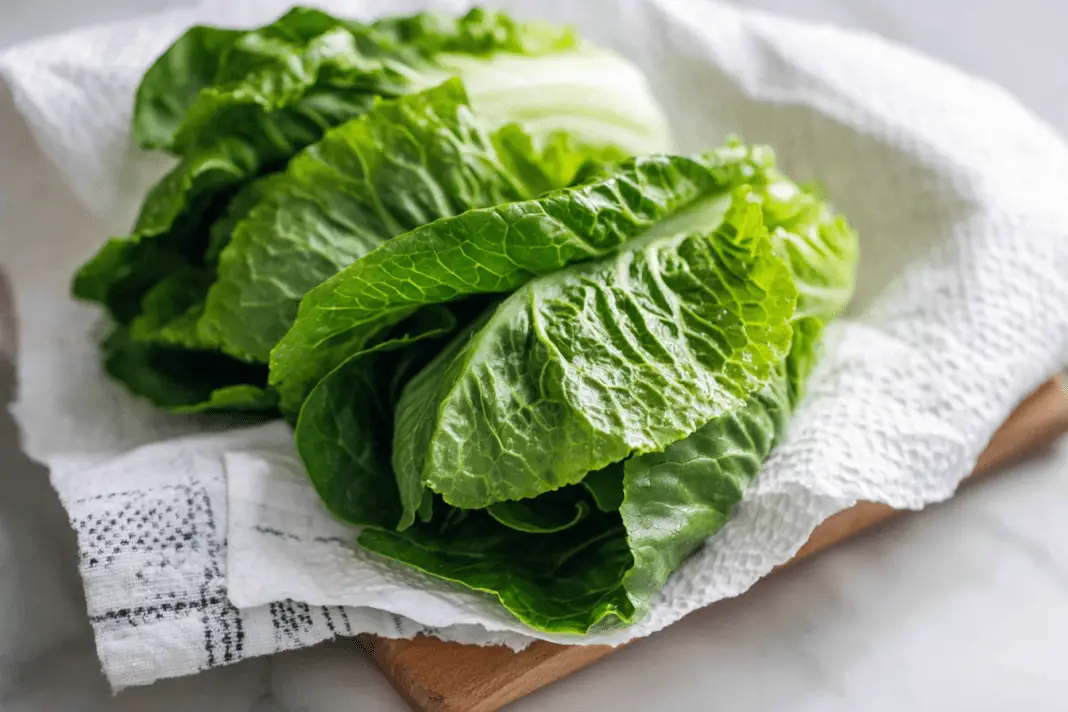
The secret to keeping lettuce fresh is simpler than you’d think. All you need to do is layer a few sheets of paper towels or cloth towels between your lettuce leaves. That’s literally it. The towels absorb the excess moisture that makes lettuce turn slimy and gross. When lettuce sits in its own moisture, it starts breaking down and getting that nasty texture nobody wants to eat. By adding those absorbent layers, you’re basically giving your greens a fighting chance to stay crisp and fresh.
This method has been tested and proven to work for over 15 years by home cooks who swear by it. The paper towel trick works for any type of lettuce you buy, whether it’s delicate spring mix, sturdy romaine, or even kale. You just wash your lettuce if needed, dry it well, then layer it with paper towels in whatever container or bag you’re storing it in. Check the towels every few days and swap them out when they get damp. That’s the whole process, and it takes maybe 30 seconds of your time.
Aluminum foil keeps lettuce even longer
If you want to take things up a notch, try wrapping your lettuce in aluminum foil instead of plastic. People who’ve tried both methods side by side report that aluminum foil can keep lettuce fresh for up to 30 days, which is absolutely wild when you think about it. The foil seems to create a better environment for the lettuce than plastic bags or containers. It keeps moisture out while still letting the lettuce breathe a little, which is apparently the magic combination.
Some folks are skeptical about using aluminum foil for food storage, but plenty of people have tested this method and confirmed it really does work. Just wrap your lettuce head in foil and stick it in the fridge. You might want to do your own test by splitting a head of lettuce and trying both the paper towel method and the foil method to see which one works better for you. Either way, you’re going to see a huge improvement over just leaving lettuce in the bag it came in.
Don’t pack your lettuce too tight
One mistake people make is cramming all their lettuce into one container and squeezing it in there like they’re packing a suitcase. Your lettuce needs room to breathe, or it’s going to get soggy and sad much faster. Think about how produce sits in those big open bins at the grocery store. It’s not all smashed together because that would damage it. The same principle applies in your fridge at home.
Instead of using one big container, try splitting your lettuce into multiple smaller containers with paper towels layered throughout. This gives each leaf more space and more access to those moisture-absorbing towels. You can reuse those plastic containers that store-bought lettuce comes in, which stack nicely and are easy to open and close. Plus, when you divide up your lettuce into portions, you’re only exposing one container at a time to air and temperature changes, which helps the rest stay fresher longer.
Eat delicate greens first
Not all lettuce is created equal when it comes to staying fresh. Delicate greens like spinach and spring mix tend to go bad much faster than heartier options like romaine or kale. If you buy multiple types of lettuce at once, plan to eat the fragile stuff first and save the tougher greens for later in the week. This way, you’re working with the natural shelf life of each type instead of fighting against it.
Spinach is especially tricky because it can go from perfectly fine to completely slimy in what feels like five minutes. If you notice your spinach starting to look even slightly wilted, throw it in the freezer immediately. Frozen spinach works great in smoothies, casseroles, soups, and basically any cooked dish where you won’t notice the texture change. This trick alone can save you from wasting bags of spinach that went bad before you could use them up.
Wash and dry lettuce properly
If you’re buying whole heads of lettuce or getting fresh greens from a farmer’s market, washing and drying them correctly makes a huge difference. Any water left on the leaves will speed up the rotting process, so you really need to get them as dry as possible. A salad spinner is honestly one of the best kitchen tools you can own for this purpose. It removes way more water than patting leaves dry with a towel ever could.
After spinning your lettuce dry, let it sit out for a few minutes to air dry even more before you pack it up with paper towels. Some people go through their lettuce leaf by leaf to make sure there’s no hidden moisture or any leaves that are already starting to go bad. Yeah, it takes a few extra minutes, but finding one slimy leaf mixed in with your good lettuce can contaminate the whole batch. Getting this step right from the start means your lettuce storage method will work even better.
You can reuse those paper towels
If you feel bad about going through a bunch of paper towels, here’s some good news. You can actually reuse them for other stuff after they’ve done their lettuce-drying duty. Once a paper towel gets damp from absorbing moisture from your lettuce, take it out and let it air dry. Then you can use it to wipe down counters, clean up small spills, or whatever else you’d normally use a paper towel for.
Even better, switch to flour sack towels instead of paper towels. These thin cotton towels work just as well for absorbing moisture, and you can wash and reuse them basically forever. They might get a little green-stained from the lettuce, but who cares? They’re doing their job. You can cut them into smaller strips if you want to maximize how many layers you can fit in your lettuce containers. This way, you’re not constantly buying paper towels, and you still get all the benefits of the moisture-absorbing method.
Your lettuce doesn’t need the produce drawer
Most people automatically stick their lettuce in the produce drawer because that’s what you’re supposed to do with vegetables, right? But here’s something interesting – your lettuce will stay just as fresh sitting on a regular shelf in your fridge as it would in that drawer. The paper towel or foil method works regardless of where you store the lettuce. So if your produce drawer is already packed with other stuff, don’t stress about making room.
The produce drawer is designed to maintain higher humidity, which is great for some vegetables but not necessarily the best for lettuce. Since you’re already controlling moisture with your paper towels or foil, you don’t really need that extra humidity. In fact, keeping lettuce on a regular shelf where you can see it might actually help you remember to use it before it goes bad. Out of sight, out of mind is real when it comes to produce hiding in drawers.
This works for garden lettuce too
If you grow your own lettuce, you know how frustrating it is when you harvest a bunch and then it goes bad before you can eat it all. The same paper towel storage method works perfectly for homegrown lettuce. Harvest your lettuce, give it a really good wash to remove any dirt or bugs, spin it dry thoroughly, and then layer it with paper towels in containers. Garden lettuce often lasts even longer than store-bought when you store it this way.
Fresh garden greens are usually way more robust than the stuff you get at the store because they haven’t been sitting around for days already. By treating them right as soon as you bring them inside, you can enjoy your homegrown lettuce for weeks. This is especially helpful if you have a big harvest all at once and can’t possibly eat it all within a few days. Those plastic containers from store lettuce work great for storing garden greens since they stack nicely and keep everything organized.
Check your lettuce when you buy it
Even the best storage method in the world can’t save lettuce that’s already on its way out. When you’re at the store, take an extra minute to actually look at the lettuce you’re buying. Check the edges of the leaves for any brown spots or sliminess. Look at the expiration date if there is one. Feel the container to make sure the leaves feel crisp and firm, not soft and mushy.
If you’re buying a whole head of lettuce, squeeze it gently to make sure it’s tight and fresh. When you get home and start prepping your lettuce for storage, go through and remove any leaves that look questionable. One bad leaf can make the others around it go bad faster, so it’s worth spending a couple minutes picking through everything. Starting with the freshest possible lettuce means your storage tricks will work even better and you’ll get the maximum shelf life out of your greens.
Keeping lettuce fresh doesn’t require any fancy equipment or complicated techniques. Just grab some paper towels or aluminum foil, give your lettuce a little extra attention when you bring it home, and you’ll be amazed at how much longer it lasts. No more throwing money in the trash when your greens go bad after three days.
