

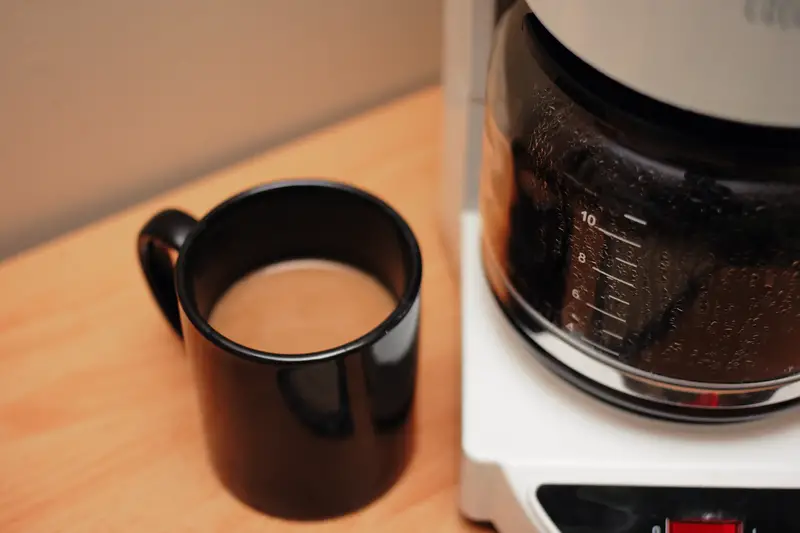
That morning coffee routine feels pretty safe, right? You wash the pot, maybe wipe down the outside of your machine, and call it clean. But here’s something that might make you rethink everything: your coffee maker could be growing stuff you definitely don’t want in your morning brew. According to research from the National Sanitation Foundation, about half of all coffee makers they tested had mold or yeast growing inside them. That’s not just gross—it’s a real problem that could explain why you’ve been feeling off lately.
The water reservoir is a breeding ground
Most people focus on washing the carafe and maybe rinsing out the filter basket, but the water reservoir gets completely ignored. That’s exactly where the problem starts. The reservoir is basically a dark, damp environment that stays wet most of the time—perfect conditions for mold and yeast to set up shop. Even if you’re making coffee every single day, there’s usually some water sitting in there between uses. When that water just sits there with the lid closed, bacteria starts multiplying faster than you’d think.
The real kicker is that you can’t always see what’s growing in there. Sometimes you’ll notice a slimy film on the sides of the reservoir, but often the nasty stuff is hiding in places you can’t easily reach. The viewing window on some machines, those little plastic strips that show how much water you’ve added, can develop a disgusting coating that’s nearly impossible to clean properly. If you run your finger along the inside of your reservoir and it feels slippery or slimy instead of smooth and clean, that’s your first warning sign something’s seriously wrong.
Strange smells coming from your machine
Your nose knows when something’s off. If your coffee maker starts giving off a musty, damp smell—kind of like old gym socks or a basement that flooded—that’s mold talking to you. This smell might be strongest right when you open the lid to add water, or you might notice it when the machine is heating up. Some people describe it as an acrid or sour smell that’s completely different from the normal coffee aroma you’re used to. When your machine smells bad even after you’ve washed all the removable parts, the problem is definitely lurking inside where you can’t see it.
That weird smell isn’t just unpleasant—it’s evidence that whatever’s growing in there is established enough to make itself known. Mold releases spores and compounds that create distinctive odors, and by the time you can smell them, there’s usually a pretty significant colony happening. The smell might come and go, getting worse when the machine sits unused for a few days. Don’t ignore this warning sign or try to mask it by running an extra-strong pot of coffee. The smell means it’s time for serious cleaning or possibly time to say goodbye to that machine altogether.
Your coffee tastes bitter or just wrong
When coffee starts tasting unusually bitter or develops an off taste that you can’t quite place, mineral buildup and bacteria could be the culprits. Coffee naturally has some bitterness, but we’re talking about a harsh, unpleasant taste that lingers in your mouth long after you’ve finished your cup. Maybe your coffee tastes metallic, or there’s a funky aftertaste that makes you want to brush your teeth immediately. You might find yourself adding extra cream or sugar trying to cover up whatever’s wrong, but the weird taste keeps pushing through.
This taste change happens because mineral deposits and bacterial growth affect how water flows through your machine and how it interacts with your coffee grounds. The buildup changes the water temperature and brewing time, which throws off the entire extraction process. But beyond the technical stuff, you might actually be tasting the byproducts of mold and bacteria that have contaminated your water supply. If your coffee suddenly tastes terrible even though you’re using the same beans and same brewing method, don’t blame the coffee—check your machine for problems instead.
Visible mold spots or discoloration
This one’s pretty straightforward—if you see actual mold growing anywhere in or on your coffee maker, that’s your cue to take action immediately. Mold can appear as black, green, or white fuzzy patches, or sometimes as pink or orange slimy residue. Check around the lid of the water reservoir, in the crevices where the reservoir meets the machine body, and anywhere water tends to collect. The rubber gaskets and seals are particularly prone to mold growth because they stay damp and rarely get direct sunlight or airflow to dry them out.
Sometimes the discoloration isn’t obviously mold but looks more like brown or tan staining. That could be mineral deposits from hard water, but it could also be a combination of minerals and organic growth. Either way, once you’re seeing visible evidence of contamination, the problem has progressed beyond the point of a quick rinse solving anything. If the mold has grown enough to be visible, there’s almost certainly more hiding in the internal tubes and heating elements where you can’t reach it. At this point, you need to decide if deep cleaning is even worth the effort or if it’s time to replace the whole machine.
You’re experiencing digestive issues after your morning coffee
Here’s where things get really unpleasant. Some people who drink coffee from contaminated machines end up with stomach problems, digestive upset, or other issues that seem to happen every morning like clockwork. You might blame it on the coffee itself, or think maybe the milk went bad, but if it keeps happening day after day, your coffee maker might actually be making you sick. One person shared their experience dealing with ongoing digestive problems that mysteriously cleared up completely after they finally cleaned their machine thoroughly with vinegar.
The connection isn’t always obvious because coffee itself can cause digestive issues for some people, so it’s easy to assume that’s what’s happening. But if you’ve been drinking coffee for years without problems and suddenly start having issues, or if the problems seem worse on some days than others, contamination could be the reason. Mold and yeast that end up in your coffee can cause reactions, especially if you’re drinking multiple cups from the same contaminated pot. Pay attention to patterns—do you feel fine when you grab coffee from a shop but sick when you drink your home brew? That’s a pretty strong hint your machine is the problem.
Your machine takes longer to brew
When your coffee maker starts taking noticeably longer to brew a pot, that’s a sign that mineral deposits and possibly bacterial buildup are clogging the internal tubes. What used to take five minutes now takes eight or ten, and you’re standing there impatiently waiting for your caffeine fix. The water might sputter and spit instead of flowing smoothly, or it might come out in weak dribbles instead of a steady stream. These performance issues point to serious blockages inside the machine that are restricting water flow.
The problem is that the same buildup restricting water flow is also creating pockets where bacteria and mold can thrive even more easily. When water can’t flow freely, it sits in various parts of the machine longer than it should, giving microorganisms more time to multiply. The warm, moist environment inside a coffee maker is already pretty ideal for bacterial growth, but when you add stagnant water into the mix, it becomes even worse. If your machine is brewing slowly and producing weird-tasting coffee, both problems are probably related to the same underlying contamination issue.
The machine hasn’t been descaled in forever
Be honest—when was the last time you actually descaled your coffee maker? If you have to think about it for more than a few seconds, it’s been too long. Descaling removes mineral deposits that build up from your water supply, especially if you have hard water. These deposits don’t just affect performance—they create rough surfaces and tiny pockets where bacteria can attach and grow. Think of it like the difference between trying to clean a smooth countertop versus a textured surface full of crevices. The minerals give microorganisms something to hold onto.
Experts recommend descaling your coffee maker anywhere from once a month to every six months, depending on how often you use it and how hard your water is. If you use your machine daily and you’re past the six-month mark without cleaning, you’re definitely in the danger zone. The good news is that regular descaling with white vinegar or a descaling solution can prevent most of these problems from developing in the first place. But if you’ve gone years without proper maintenance, there might be so much buildup and contamination that cleaning won’t be enough to salvage the machine.
You never empty leftover water
Leaving water sitting in the reservoir between uses is one of the biggest mistakes people make with their coffee makers. That leftover water seems harmless—it’s just water, right? Wrong. Standing water is an invitation for bacteria to move in and get comfortable. Even if you’re making coffee every day, there’s usually at least some water that sits in the reservoir overnight or longer. That’s plenty of time for microorganisms to start multiplying, especially in a warm kitchen environment.
Product managers who study kitchen contamination specifically call out this habit as one of the main reasons coffee maker reservoirs become so dirty. They recommend emptying any unused water after each use and leaving the reservoir lid open so it can dry out completely. This simple step makes a huge difference in preventing bacterial growth. If you’ve been topping off old water instead of starting fresh, and you’ve never emptied and dried the reservoir, there’s almost certainly a biofilm developing in there. That slimy coating contains layers of bacteria that are getting harder to remove the longer they’re allowed to grow.
The carafe lid and filter basket are grimy
Take a close look at your carafe lid, especially the underside. See that brownish residue or those dark stains around the edges? That’s dried coffee oils mixed with mineral deposits, and possibly mold too. The same goes for the filter basket—check the rim and the area where it sits in the machine. These parts get wet with every use but often don’t get thoroughly cleaned. People rinse them quickly under the tap or run them through the dishwasher without checking whether they’re actually getting clean.
Coffee oils turn rancid over time, and when they’re mixed with moisture and warmth, they create the perfect environment for bacterial growth. Those hard-to-reach spots where the lid hinges or where the filter basket has ridges and grooves collect gunk that builds up gradually. You might not notice it happening because the change is so incremental, but if you compare your current equipment to brand new versions, the difference would be shocking. If your removable parts look dingy despite regular washing, the internal parts you can’t see are probably even worse. When the easily accessible parts are contaminated, it’s a safe bet the entire machine needs attention.
Your coffee maker works hard every morning to deliver that essential caffeine boost, but it needs proper care to stay safe and functional. The warning signs of contamination—slime in the reservoir, strange smells, off tastes, visible mold, or performance problems—shouldn’t be ignored. When you spot these red flags, it’s time to either commit to a serious deep cleaning session or invest in a new machine. Your morning routine will be better for it, and you won’t have to worry about what’s lurking in your next cup.
