

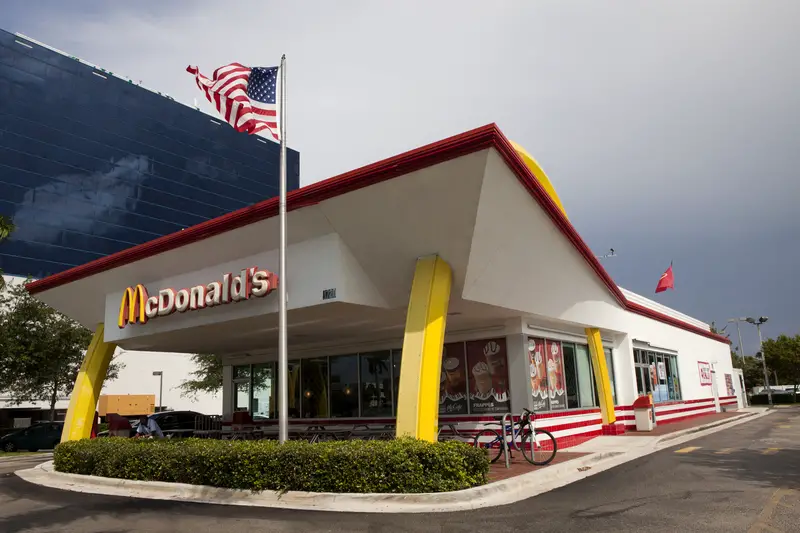
Imagine walking into McDonald’s ready to grab some fries and a burger, only to get stopped at the door for an ID check. That’s not a scene from some exclusive nightclub – it’s actually happening at a McDonald’s location in Brooklyn right now. The restaurant made headlines when it started requiring anyone under 20 years old to show identification and bring a parent along just to get inside. At first glance, this sounds completely ridiculous. But once you hear what’s been going on inside this particular location, the whole situation starts making a lot more sense, even if it still seems pretty extreme.
Young people were turning this location into a fight club
The McDonald’s owner didn’t just wake up one day and decide to card everyone for fun. According to reports, teenagers from nearby schools had essentially taken over the restaurant and turned it into their personal fighting arena. We’re not talking about the occasional disagreement here – customers described seeing regular brawls, people getting jumped, and even delivery workers being attacked. One customer mentioned how teens would jump security guards and terrorize anyone who happened to be eating there. This wasn’t just annoying behavior – it was genuinely scary stuff that made people not want to go there anymore.
The situation got so bad that police had been called to this location 29 times already this year, and we’re only talking about a few months. That’s more than once every three days on average. Think about how disruptive things must be for cops to show up that frequently. The franchise owner, who’s been running businesses in Brooklyn for over 30 years and is a military veteran, finally decided enough was enough. He implemented the new ID policy along with posting three security guards at the entrances to try to get control of his restaurant back.
The age limit keeps changing without clear explanation
Here’s where things get even weirder. The policy didn’t start at age 20. Originally, the restaurant set the limit at 18 years old, which at least makes some sense since that’s the legal adult age. But then they bumped it up to 20, and nobody really knows why. One student pointed out that 20 isn’t really a significant age for anything – you can’t drink alcohol, you’re already past voting age, and you’ve been an adult for two years. It seems like they just picked a number that felt right without much thought behind it.
The randomness of the age choice has left a lot of people confused. Some customers think it’s unfair because plenty of people under 20 just want to get their food and leave without causing any problems. A 19-year-old college student who’s never gotten into a fight is being treated the same as the troublemakers from the local high schools. The policy basically assumes that everyone under 20 is a potential problem, which doesn’t sit right with people who’ve done nothing wrong. But the owner probably figures it’s better to cast a wide net than risk more violence in his restaurant.
Security isn’t actually enforcing the rules consistently
The whole ID policy sounds strict on paper, but here’s the thing – it’s not really being enforced properly. When reporters went to check out the situation, high school students walked right through the doors without being stopped. One security guard even held the door open for them. The students themselves seemed confused about why they got in so easily when there’s supposed to be this big age restriction. One girl said they probably looked like they were just there to get food, which apparently was enough to pass the test.
This inconsistent enforcement creates a whole new problem. If you’re only checking some people’s IDs, the policy becomes almost pointless. The troublemakers can probably still get in while some innocent customers might get hassled depending on how they look or act. Several students mentioned walking in without any issues, making the whole thing seem more like theater than actual security. It’s unclear whether the guards are supposed to check everyone or if they’re using some kind of judgment call. Either way, the mixed enforcement means the policy might not actually solve the fighting problem it was designed to address.
Customers are getting robbed and harassed inside
The fighting wasn’t the only problem happening at this McDonald’s. Customers reported that young people were stealing their belongings, cursing constantly, and creating an environment where adults felt genuinely unsafe. One woman described how the teens were “sneaky” and would snatch your stuff when you weren’t looking. She also mentioned that you couldn’t even say anything to them about their behavior because you didn’t know how they’d react. That’s a scary position to be in – feeling like you can’t stand up for yourself in a public restaurant because you might become the next target.
The constant cursing and aggressive behavior made the restaurant unpleasant even when physical violence wasn’t happening. People just wanted to eat their meals in peace, but instead they had to deal with chaos and worry about their personal safety. Some delivery workers were reportedly getting jumped while trying to pick up orders, which is especially messed up since they’re just trying to do their jobs. The combination of theft, harassment, and violence created a situation where regular customers started avoiding the location entirely. For a business, that’s a death sentence – if people don’t feel safe coming to your restaurant, you’re going to lose money fast.
Most customers actually support the controversial policy
Despite how unusual the ID requirement sounds, most people interviewed about it said they think it’s a good idea. That tells you just how bad things had gotten. When customers are willing to support a policy that treats teenagers like potential criminals, they must have really felt unsafe before. The presence of three security guards also got positive reactions from customers who were just relieved to see someone trying to maintain order. People want to be able to grab a quick meal without worrying about witnessing a fight or becoming a victim themselves.
The support for the policy shows that the community recognizes there’s a real problem that needs addressing, even if this particular solution seems extreme. However, some customers did point out the unfairness of punishing everyone under 20 for the actions of a few troublemakers. It’s a classic case of a few bad apples ruining things for everyone else. The franchise owner probably feels stuck between protecting his business and being fair to well-behaved young customers. At the end of the day, he chose safety over fairness, which makes sense from a business perspective even if it’s not ideal.
The owner has deep roots in the community
This isn’t some faceless corporation making decisions from a distant office tower. The franchise owner was born in Brooklyn and has been running businesses in the area for more than 30 years. He’s also a military veteran, which probably influences how he thinks about security and order. In his statement about the policy, he emphasized his respect for the community and framed the ID checks as a way to prioritize safety. This background matters because it shows he’s not trying to be mean to local kids or discriminate against young people for no reason.
Someone with that much history in the neighborhood probably didn’t make this decision lightly. He’s watched Brooklyn change over the decades and has relationships with people in the community. The fact that he felt forced to implement such an unusual policy suggests he tried other approaches first and nothing worked. When you’ve been in business for 30 years, you don’t risk bad publicity and potential lawsuits over an ID policy unless you’re genuinely desperate to solve a serious problem. His military background might also make him more comfortable with strict security measures that civilians might find excessive or uncomfortable.
Students admit only some people are causing problems
Even the students themselves acknowledge that it’s not everyone causing issues. One student specifically said it’s just a few people who are choosing to fight at this location. That makes the blanket policy feel even more frustrating to well-behaved young people who get lumped in with the troublemakers. Why should a straight-A student who’s never been in a fight have to bring their mom or dad just to buy chicken nuggets? It’s humiliating and treats responsible young adults like children who can’t be trusted in public.
The challenge is that there’s no easy way to separate the good kids from the bad ones at the door. You can’t really tell who’s going to start a fight just by looking at them. The security guards would need to know every student personally to make those judgment calls, which isn’t realistic. So the owner went with the blunt instrument approach – keep out everyone under 20 unless they have adult supervision. It’s not fair, but it’s simple to understand and implement. The innocent students are paying the price for their peers’ terrible behavior, which is frustrating but also kind of unavoidable given the situation.