

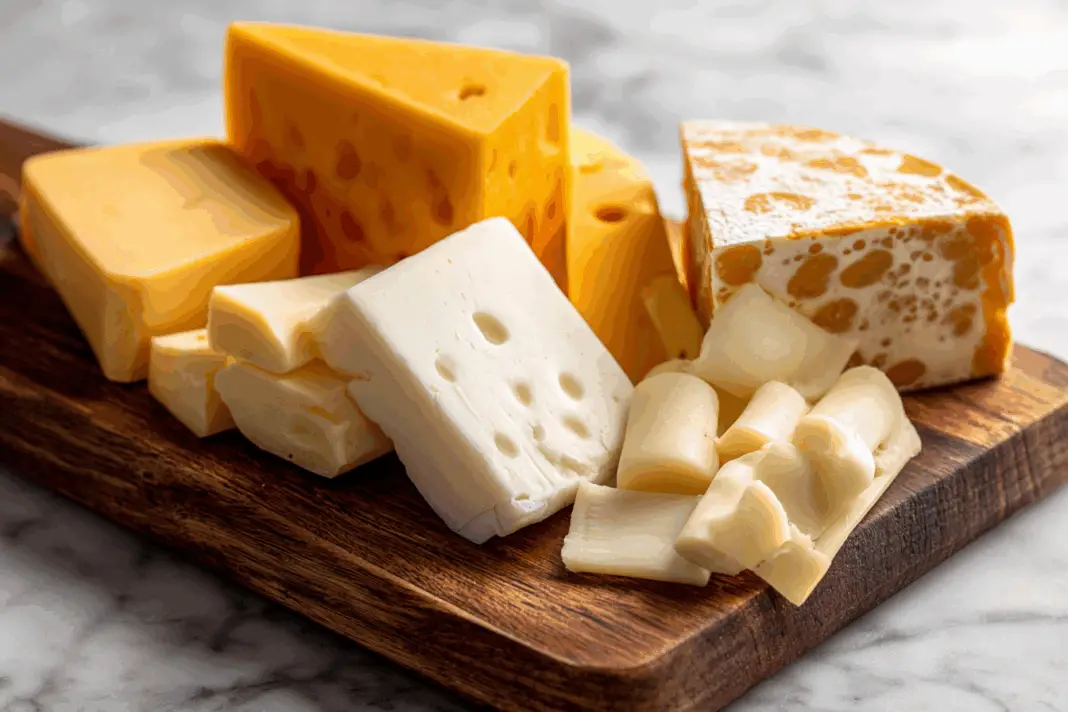
Most of us have cheese sitting in the fridge right now. Maybe it’s a block of cheddar for sandwiches, some shredded mozzarella for pizza night, or that fancy aged parmesan you picked up last week. But have you ever wondered what happens when you make cheese a daily habit? Turns out, eating cheese every day does some pretty interesting things to your body—some good, some not so great. The science behind this beloved dairy product might surprise you, especially when it comes to your bones, heart, and even your waistline.
Your bones get stronger with daily cheese
When you eat cheese regularly, you’re giving your bones a solid boost. Most adults need about 1,000 milligrams of calcium each day, and cheese delivers this in spades. A single ounce of cheddar provides roughly 200 milligrams—that’s one-fifth of your daily needs. Hard cheeses like parmesan pack even more calcium, with about 260 milligrams per ounce. This calcium doesn’t just sit around either. Your body uses it to keep bones dense and strong, which becomes increasingly important as you age. Calcium also helps your muscles work properly and keeps your blood flowing as it should.
Not all cheeses are created equal when it comes to calcium content. Hard, aged cheeses tend to have significantly more than soft varieties. For instance, while cheddar and Swiss cheese offer around 200-252 milligrams per ounce, soft cheeses like Brie only contain about 52 milligrams. If you’re lactose intolerant, there’s good news: aged cheeses naturally have less lactose, so you can still get your calcium fix without the uncomfortable side effects. Parmesan, Swiss, and aged cheddar are all naturally lower in lactose while remaining high in calcium.
Probiotics in cheese improve your digestion
Everyone talks about yogurt and probiotics, but cheese deserves some credit too. Certain cheeses contain live bacteria that help keep your gut healthy. Swiss, Gouda, provolone, and aged cheddar all have probiotics that support digestion and nutrient absorption. These beneficial bacteria produce short-chain fatty acids that feed the cells lining your gut and help maintain the overall structure and function of your digestive system. They also increase how well your body absorbs minerals like calcium, iron, and magnesium.
The catch is that heat kills these helpful bacteria, so you’ll want to eat these cheeses fresh and uncooked. That means adding slices to sandwiches, serving cheese plates at room temperature, or tossing chunks into salads. Skip melting if you’re after the probiotic benefits. Some cheese producers specifically add probiotics to their products, so look for labels mentioning “live” or “active” cultures. Cottage cheese can be another excellent source of probiotics, and it’s often easier to find versions with added beneficial bacteria than other cheese types.
Your protein intake gets a significant bump
Cheese is surprisingly protein-rich, with about 25 percent of its calories coming from protein. A typical ounce of cheddar or Swiss contains around 6-7 grams of protein, while parmesan delivers a whopping 10 grams. Cottage cheese is even more impressive—a half cup provides 12.5 grams of protein. This matters because protein keeps you feeling full longer, helps build and repair muscle tissue, and supports countless functions in your body. Women need about 45 grams of protein daily, while men need around 55 grams, so cheese can contribute a meaningful chunk toward that goal.
The protein in cheese is called casein, which is a complete protein containing all the essential amino acids your body can’t make on its own. This makes cheese particularly valuable for vegetarians who might struggle to get complete proteins from plant sources alone. However, you shouldn’t rely on cheese as your only protein source. Mix it up with eggs, beans, nuts, fish, and lean meats throughout your day. The combination ensures you’re getting a variety of nutrients beyond just protein.
Sodium levels can creep up quickly
Here’s where daily cheese eating gets tricky. Most cheese contains quite a bit of salt, which manufacturers add to prevent spoilage and enhance taste. The recommended daily sodium limit is 2,300 milligrams, though ideally you’d stay under 1,500 milligrams. A single ounce of feta has about 323 milligrams of sodium, while Gouda contains 232 milligrams. That might not sound like much, but if you’re having cheese on your breakfast sandwich, in your lunchtime salad, and melted on dinner, those numbers add up fast.
Some cheeses are naturally lower in sodium than others. Swiss, mozzarella, ricotta, and goat cheese tend to have less salt than varieties like feta, blue cheese, or processed cheese products. Even within the same type of cheese, sodium content varies significantly between brands, so checking nutrition labels becomes important. If you’re watching your sodium intake, look for specifically labeled low-sodium versions. Many brands now offer reduced-sodium cheddar and mozzarella that still taste pretty good.
Weight management becomes more complicated
Cheese packs a lot of calories into a small package. A single ounce of cheddar contains about 115 calories, and most people eat more than an ounce at a time. Hard cheeses generally have more calories than soft ones, so that chunk of aged gouda you’re snacking on can really add up. If you’re trying to maintain or lose weight, portion control becomes crucial. The recommended serving size is just one ounce—about the size of a matchbox or half your index finger in length. That’s smaller than most people realize.
Interestingly, some research suggests that people who eat cheese regularly aren’t necessarily heavier than those who don’t. One study found that folks who ate three or more servings daily were more likely to be at a normal weight. The combination of protein and fat in cheese might help you feel satisfied, potentially preventing overeating later. Grated cheese might actually help with portion control since people tend to use less when it’s shredded versus sliced. Still, this doesn’t mean cheese is a weight-loss food—just that it can fit into a balanced eating plan when consumed thoughtfully.
Saturated fat affects your cholesterol levels
About 60 percent of the fat in most cheeses is saturated fat, which has long been linked to higher cholesterol levels. An ounce of cheddar contains roughly 5-6 grams of saturated fat, and the American Heart Association recommends keeping your daily saturated fat intake under 13 grams. Eat just two ounces of cheese and you’re already close to your limit for the day. This matters because high cholesterol increases your risk of heart problems over time.
However, the story isn’t quite that simple. Recent research suggests that not all saturated fats behave the same way in your body, and dairy fat might not be as problematic as once thought. Some studies have found that people who ate full-fat cheese actually saw improvements in their cholesterol numbers. If you’re concerned about saturated fat, plenty of lower-fat options exist. Cottage cheese, ricotta, mozzarella, and feta naturally contain less fat than aged hard cheeses. You can also find reduced-fat versions of most popular cheeses, though taste and texture may differ from the full-fat versions you’re used to.
Your teeth might actually benefit
This one comes as a surprise to most people. Eating cheese can actually be good for your teeth. The probiotics and other components in cheese affect the types of bacteria living in your mouth and can change your saliva’s pH level. When you eat cheese, it creates a more alkaline environment in your mouth, which helps prevent cavities. The calcium and phosphorus in cheese work together to reduce tooth decay by inhibiting demineralization—the process where acid dissolves tooth enamel—and encouraging remineralization, which rebuilds weakened enamel.
This doesn’t mean you should replace brushing and flossing with cheese, but it’s a nice bonus for something you’re already eating. Hard cheeses seem to offer the most benefits for oral health, likely because they stimulate more saliva production. The extra saliva helps wash away food particles and neutralizes acids from other foods. Some dentists actually recommend eating a small piece of cheese after meals as a natural way to protect your teeth. Just stick to plain cheese rather than varieties with added sugary ingredients or fruit.
Lactose intolerance might not be a problem
If you’ve been avoiding cheese because of lactose intolerance, you might not need to. Many cheeses are naturally low in lactose, especially aged and hard varieties. During the cheese-making process, bacteria consume most of the lactose, and aging reduces it even further. Parmesan, Swiss, cheddar, and mozzarella all contain minimal lactose—often less than a gram per serving. This means most lactose-intolerant people can enjoy these cheeses without experiencing the usual uncomfortable symptoms like bloating, cramps, or digestive issues.
Fresh, soft cheeses like ricotta and cottage cheese contain more lactose and might cause problems for sensitive individuals. If you’re unsure how you’ll react, start with small amounts of aged cheese and see how your body responds. Many grocery stores now carry lactose-free versions of popular cheeses, which have had the lactose enzyme added or removed entirely. These products let you enjoy cheese without worry. Reading labels helps too—some manufacturers clearly state the lactose content, making it easier to choose varieties that work for your body.
Heart disease risk remains controversial
The relationship between cheese and heart health is complicated and somewhat contradictory. Traditional thinking says cheese should be bad for your heart because of its saturated fat and sodium content. But recent studies tell a different story. A 2023 review found that eating about 1.5 ounces of cheese daily might actually lower the risk of heart disease and stroke. Other research suggests that fermented dairy products like cheese and yogurt offer more heart benefits than other dairy items, though scientists aren’t entirely sure why.
The key seems to be moderation and choosing the right types. Low-fat and low-sodium cheeses let you enjoy the nutritional benefits without overdoing the potentially harmful components. Some researchers think that cheese contains a fatty acid called conjugated linoleic acid that might offer heart benefits, though this remains debated. What’s clear is that eating cheese in reasonable amounts as part of a balanced eating pattern—one that includes vegetables, whole grains, fruits, and lean proteins—likely won’t harm your heart and might even help it. The recommended amount is about three servings per week, though some people can handle more depending on their overall health.
So should you eat cheese every day? It really depends on how much you’re eating, what type you choose, and what else is on your plate. Cheese offers genuine nutritional benefits, from bone-building calcium to gut-friendly probiotics, but it also comes with calories, saturated fat, and sodium that add up quickly. The trick is treating cheese as an accent rather than the main event. Stick to recommended portion sizes, choose lower-sodium and lower-fat varieties when possible, and balance your cheese habit with plenty of vegetables, fruits, and whole grains. That way, you can keep enjoying your favorite cheesy foods without the guilt.
