

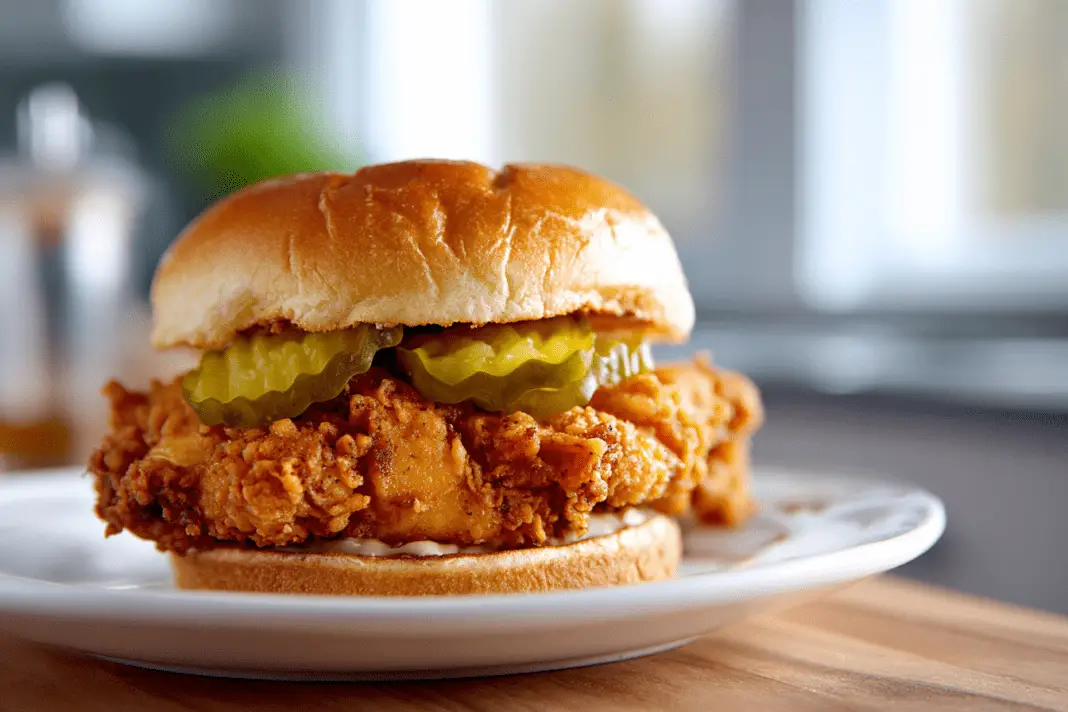
Ever wonder why that chicken sandwich from Chick-fil-A tastes different from what you make at home? The chicken is always tender, never dry, and has that perfect amount of seasoning. Turns out, there’s a whole system behind making those chicken breasts so good. From the type of chicken they use to a secret soaking method, Chick-fil-A has figured out exactly how to keep their chicken moist and packed with taste every single time.
The chickens themselves make a big difference
Not all chicken is created equal, and Chick-fil-A knows this better than anyone. The company uses whole chicken breasts that haven’t been ground up or mixed with other parts of the bird. Each piece gets hand-cut before any seasoning or cooking happens. This might seem like a small thing, but it matters when you bite into that sandwich and get actual chicken breast texture instead of something that’s been processed and reformed.
The chickens also come from farms that don’t use antibiotics at all. Back in 2019, Chick-fil-A committed to using only chicken that was never given antibiotics. If a chicken needs medicine because it’s sick, that bird won’t end up in their restaurants. This keeps the meat healthier and means you’re eating chicken that grew naturally without extra chemicals pumped into it. The result is cleaner-tasting meat that doesn’t have any weird aftertaste.
That secret seasoning blend nobody can copy
The founder of Chick-fil-A, Truett Cathy, spent years testing different spice combinations before he found the perfect one. This wasn’t something he threw together in an afternoon. He tried multiple versions until customers couldn’t stop coming back for more. Once he nailed it, that recipe became so valuable that the company locked it in an actual vault at their Atlanta headquarters. No joke—the seasoning blend sits in a safe just like a top-secret document.
What we do know is that the breading contains more than 20 different seasonings. That’s way more than most people use at home, where maybe you’ve got salt, pepper, and garlic powder. The chicken also gets dipped in an egg and milk wash before the breading goes on. This helps everything stick together and creates that crispy coating everyone loves. While the exact spices remain a mystery, that combination of so many different seasonings is what gives Chick-fil-A chicken its signature taste that’s hard to recreate at home.
The pickle juice brining method changes everything
Here’s where things get really interesting. For years, people have suspected that Chick-fil-A soaks their chicken in pickle juice before cooking it. The company has never officially confirmed this, but it makes total sense when you think about how tender and moist the chicken always turns out. Pickle juice is basically a brine—salty liquid with spices that can work magic on lean meat like chicken breast.
When you soak chicken in pickle juice, the salt helps break down some of the muscle tissue. This means the meat gets more tender and absorbs moisture at the same time. Chicken breast is naturally pretty lean, which is why it dries out so easily when you cook it. But if you brine it first, you’re basically insurance against dry chicken. The spices in the pickle juice also add another layer of taste that complements all those seasonings in the breading. Even if you find the pickle taste too strong, you can cut it with milk and still get juicy, tender chicken.
Pressure cooking makes the chicken cook faster
When Truett Cathy first wanted to sell chicken sandwiches, he ran into a problem. Chicken took too long to cook during the lunch rush, and nobody wants to wait 20 minutes for their food. So he remembered how his mom used a pan with a tight lid to cook chicken faster at home. Instead of using a regular pan, he bought a commercial pressure cooker for his restaurant.
That pressure cooker became a game-changer because it could cook chicken completely in just four minutes. The high pressure and heat cook the meat fast while keeping all the moisture trapped inside. That’s why Chick-fil-A chicken stays so juicy—it’s not sitting in a fryer for a long time drying out. The pressure cooker method locks in everything good about the meat while creating that crispy outside coating. This cooking technique is something most home cooks don’t have access to, which is part of why it’s so hard to replicate that exact texture.
Peanut oil adds the right amount of taste
The oil you cook chicken in makes more of a difference than most people realize. Chick-fil-A uses 100% refined peanut oil for all their chicken. Truett Cathy picked this oil specifically because it has a mild taste that doesn’t overpower the chicken or the seasoning. Some oils, like olive oil, have a strong taste that would compete with all those spices. Peanut oil just makes everything crispy without adding weird notes.
Peanut oil also handles high heat really well, which matters when you’re cooking chicken fast in a pressure cooker. It doesn’t break down or smoke at those temperatures, so the chicken cooks evenly. The oil helps create that golden, crunchy coating on the outside while the inside stays tender. If you wanted to try making similar chicken at home, switching to peanut oil instead of vegetable oil would get you closer to that restaurant taste. Just make sure nobody you’re cooking for has peanut allergies.
The pickles on top aren’t just decoration
Every Chick-fil-A chicken sandwich comes with exactly two dill pickle chips on top. This isn’t random—those pickles are a carefully planned part of the sandwich. The pickles get made by soaking cucumber slices for three full days before they’re ready. That long soak time means the pickles have a strong, tangy taste that cuts through the rich, fried chicken.
The placement of those two pickle chips matters too. They’re positioned so you get pickle in most bites, adding that bright, salty contrast to the buttery bun and seasoned chicken. Some sandwiches pile on lettuce, tomato, onions, and sauce, but the original Chick-fil-A sandwich keeps it simple. Just chicken, pickles, and a toasted buttered bun. That simplicity means each ingredient has to be perfect because there’s nothing to hide behind.
The bun gets toasted with real butter
Most fast food places don’t bother toasting their buns, or if they do, it’s a quick pass through a toaster. Chick-fil-A actually butters their buns before toasting them. This creates a slightly crispy surface with a rich, buttery taste that makes the whole sandwich better. The bun isn’t just something to hold the chicken—it’s an actual part of the eating experience.
A good bun needs to be soft enough to bite through easily but sturdy enough that it doesn’t fall apart when you’re holding the sandwich. The toasting and butter help with both of those things. The butter adds moisture so the bun doesn’t feel dry, and the toasting firms up the surface just enough. When you bite into a Chick-fil-A sandwich, that bun has its own mild, sweet taste that works with the chicken and pickles instead of just being a bland holder.
Hand-breading each piece takes more time
In a world where most fast food comes pre-breaded and frozen, Chick-fil-A does things differently. Each chicken breast gets hand-breaded in the restaurant. An employee dips the chicken in the egg wash, coats it with the seasoned flour mixture, and makes sure everything is covered evenly. This takes longer than pulling frozen breaded chicken out of a bag, but it makes a huge difference in the final product.
Hand-breading means the coating is fresh and sticks better to the chicken. Pre-breaded frozen chicken often has a coating that falls off or gets soggy because it’s been sitting around. When you bread chicken right before cooking it, that coating crisps up perfectly and stays attached to the meat. The texture is completely different from frozen breaded chicken—more crunchy and less mushy. This extra step is part of why Chick-fil-A chicken tastes like something you’d make at home if you had unlimited time and patience.
The recipe hasn’t changed in over 50 years
Truett Cathy perfected the chicken sandwich recipe back in the 1960s, and Chick-fil-A hasn’t messed with it since. Most restaurants change their recipes every few years to cut costs or follow trends, but not this place. The chicken sandwich you eat today tastes the same as it did decades ago. That consistency is rare in fast food, where recipes change all the time and people complain about their favorite items tasting different.
Sticking with the same recipe for that long means the company values getting it right over saving money or following food trends. They know people come back specifically for that taste, and changing it would risk losing customers. The recipe has become so iconic that it’s part of the brand identity. When you order a Chick-fil-A sandwich, you know exactly what you’re getting because it’s been the same for over half a century. That kind of consistency builds serious customer loyalty.
Making chicken as good as Chick-fil-A’s at home is possible if you know their methods. Soak chicken breasts in pickle juice for a few hours, use a good mix of seasonings in your breading, and cook in peanut oil. You won’t have a pressure cooker like they do, but even regular frying will get you pretty close. The key is using real chicken breast, not frozen pre-breaded stuff, and taking time to do each step right.
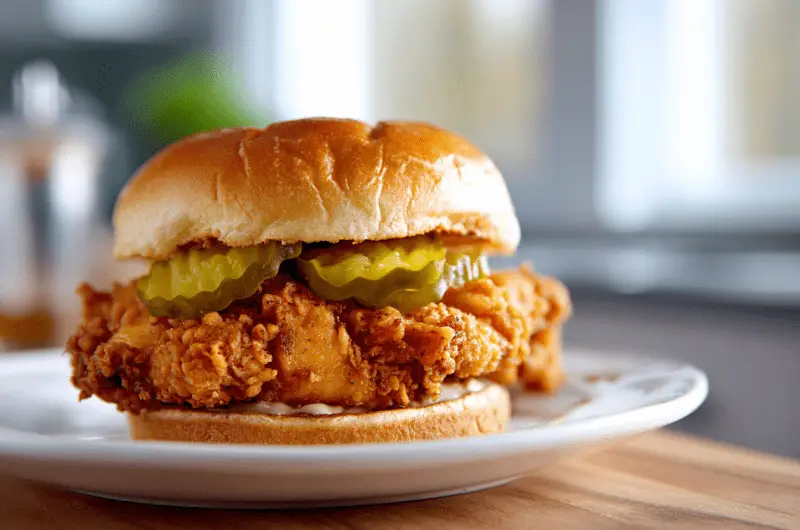
Pickle Juice Brined Fried Chicken Sandwich
Cuisine: American4
servings4
hours20
minutes450
kcalMake restaurant-quality fried chicken at home with this pickle juice brining trick that keeps the meat incredibly tender and juicy.
Ingredients
4 boneless skinless chicken breasts (about 6 ounces each)
2 cups dill pickle juice
1 cup whole milk
2 large eggs
2 cups all-purpose flour
2 tablespoons paprika
1 tablespoon garlic powder
1 tablespoon onion powder
2 teaspoons black pepper
1 tablespoon salt
1 teaspoon cayenne pepper
Peanut oil for frying (about 4 cups)
4 hamburger buns
2 tablespoons butter, softened
8 dill pickle chips
Directions
- Place the chicken breasts in a large resealable plastic bag or shallow dish. Pour the pickle juice over the chicken, making sure each piece is completely submerged. Seal the bag or cover the dish and refrigerate for at least 4 hours, or overnight for best results. The longer the chicken soaks, the more tender and flavorful it becomes.
- Remove the chicken from the pickle juice and pat dry with paper towels. In a shallow bowl, whisk together the milk and eggs until well combined. This egg wash will help the breading stick to the chicken and create a crispy coating.
- In another shallow bowl, combine the flour, paprika, garlic powder, onion powder, black pepper, salt, and cayenne pepper. Mix the seasonings thoroughly into the flour so every bit of breading has consistent taste. This seasoned flour is what gives the chicken its signature crispy exterior.
- Dip each chicken breast into the egg wash, letting excess drip off, then dredge it in the seasoned flour mixture. Press the flour onto the chicken to make sure it’s completely coated on all sides. For an extra-crispy coating, dip the chicken back in the egg wash and flour one more time.
- Pour peanut oil into a large, heavy skillet or Dutch oven to a depth of about 1 inch. Heat the oil over medium-high heat until it reaches 350°F on a deep-fry thermometer. If you don’t have a thermometer, drop a small piece of bread in the oil; it should sizzle and turn golden in about 60 seconds when the oil is ready.
- Carefully place the breaded chicken breasts in the hot oil, working in batches if necessary to avoid crowding the pan. Fry for 5-7 minutes per side, or until the chicken is golden brown and reaches an internal temperature of 165°F. The coating should be crispy and dark golden, not pale.
- Transfer the fried chicken to a wire rack set over a baking sheet to drain. Don’t put the chicken on paper towels, as this can make the bottom coating soggy. Let the chicken rest for 3-5 minutes while you prepare the buns.
- Spread butter on the cut sides of each hamburger bun and toast them in a skillet over medium heat until golden brown, about 1-2 minutes. Place a fried chicken breast on the bottom half of each bun, top with 2 pickle chips, and cover with the top bun. Serve immediately while the chicken is hot and crispy.
Notes
- If pickle juice taste is too strong for you, mix it half and half with regular milk for the brine. You’ll still get tender chicken with a milder taste.
- Peanut oil works best for frying because it has a high smoke point and mild taste, but vegetable oil or canola oil will also work if needed.
- For thicker chicken breasts, pound them to an even thickness before brining so they cook evenly. You can also butterfly them to make them thinner.
- Leftover fried chicken can be stored in the refrigerator for up to 3 days. Reheat in a 375°F oven for 10-12 minutes to crisp up the coating again.
- Double-dipping the chicken in egg wash and flour creates an extra-thick, crunchy coating that stays crispy longer.
Frequently asked questions
Q: Can I use regular white vinegar instead of pickle juice?
A: Regular vinegar will tenderize the chicken, but it won’t add the same depth of taste that pickle juice gives. Pickle juice has salt and spices already mixed in, which do more than plain vinegar. If you don’t have pickle juice, you can make a simple brine with water, salt, and a splash of vinegar, but it won’t taste quite the same.
Q: How long does chicken need to soak in pickle juice?
A: At least 4 hours in the refrigerator, but overnight is better. The longer the chicken sits in that brine, the more tender it gets and the more taste it picks up. Some people soak it for up to 24 hours. Just don’t go longer than that or the meat can get too soft and mushy.
Q: What if I don’t have peanut oil for frying?
A: Vegetable oil or canola oil both work fine as substitutes. They have neutral tastes and can handle high heat without smoking. The main reason to use peanut oil is that it adds a subtle richness, but other oils will still give you crispy, golden chicken. Just avoid olive oil because it has a low smoke point and strong taste.
Q: Can I bake the chicken instead of frying it?
A: Yes, but the texture won’t be exactly the same. Bake breaded chicken at 400°F for 25-30 minutes, flipping halfway through. Spray the breaded chicken with cooking spray before baking to help it get crispy. It won’t be quite as crunchy as fried chicken, but it’s still good and uses less oil.
