

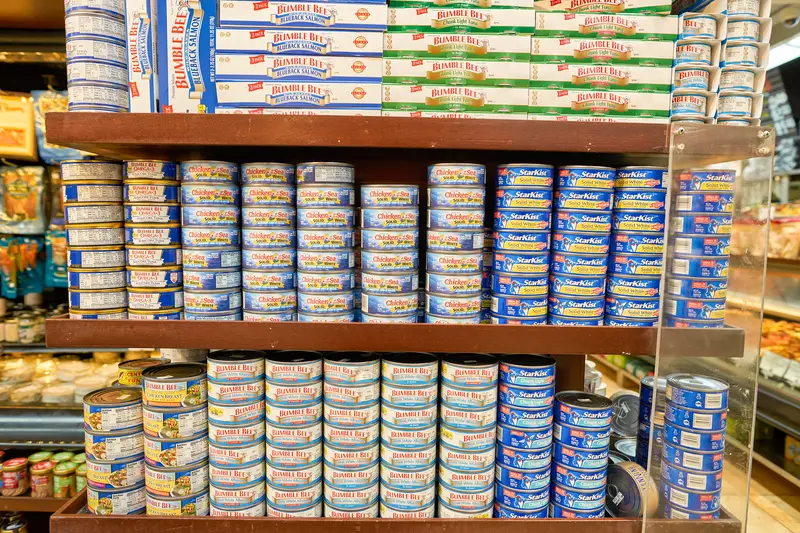
That can of tuna sitting on the grocery shelf looks pretty straightforward, right? Same basic packaging, similar prices, and they all promise quick meals and protein. But here’s the thing most people don’t realize: not all canned tuna is created equal. Some cans contain way more mercury than others, and the difference isn’t always obvious unless you know what to look for. The good news is that protecting yourself and your family is as simple as spending an extra 30 seconds reading the label before you toss that can in your cart.
Light tuna has dramatically less mercury than white
Walk down the canned fish aisle and you’ll see two main types of tuna: light and white. Most people assume they’re pretty much the same thing, maybe just different colors. Wrong. The type of tuna species used makes a massive difference in how much mercury ends up in your body. White tuna, which is usually made from albacore, can have three times more mercury than light tuna. That’s not a small difference we’re talking about here. Light tuna typically comes from skipjack tuna, which are smaller fish that don’t live as long and therefore don’t accumulate as much mercury in their bodies.
According to FDA measurements, light canned tuna contains only 0.126 particles per million of mercury, while albacore clocks in at 0.35 to 0.358 PPM. If you’re eating tuna regularly, those numbers add up fast. Some brands like Chicken of the Sea show an even starker difference, with their albacore containing ten times more mercury than their light version. The weird part? Not all brands show this same pattern. Wild Planet’s albacore and skipjack actually have similar mercury levels. Bottom line: if the label says “light” or “skipjack,” you’re getting less mercury. If it says “white” or “albacore,” expect higher levels.
Bigger fish species mean more mercury content
Size matters when it comes to mercury in fish. Think about it like this: tuna are predators that eat other smaller fish. Those smaller fish already have trace amounts of mercury in them from contaminated water. When a tuna eats hundreds or thousands of these smaller fish over its lifetime, all that mercury builds up in its body. The longer a fish lives and the bigger it grows, the more time it has to accumulate mercury. Yellowfin tuna, which grow pretty large, contain 0.354 PPM of mercury. Bigeye tuna are even worse, containing a shocking 0.689 PPM of mercury in their flesh.
Skipjack tuna reach maturity much faster than their bigger cousins. They don’t live as long, so they simply don’t have the time to build up as much mercury in their systems. This is why skipjack, typically sold as light tuna, consistently shows lower mercury levels across pretty much every brand. When you’re standing in the store looking at cans, this size factor is crucial to remember. If the label mentions yellowfin, bigeye, or albacore, you’re looking at larger species with higher mercury. If it says skipjack or just “light tuna,” you’re getting a smaller species with less mercury accumulation. Always check for species names on the label rather than just grabbing whatever’s on sale.
Oil-packed versus water-packed makes a real difference
The liquid surrounding your tuna isn’t just filler. Whether your tuna is packed in oil or water actually affects both the nutrition and taste you’re getting. Water-packed tuna has fewer calories and less fat, which sounds great if you’re watching your weight. But here’s the catch: water also allows important nutrients to leach out of the fish. Those omega-3 fatty acids that make tuna healthy? A bunch of them end up floating in that water you’re probably draining down the sink. Plus, water dilutes the natural juices and taste of the fish, giving you a blander, less interesting product.
Oil-packed tuna, usually packed in vegetable or soy oil, helps trap nutrients inside the fish where they belong. When you eat oil-packed tuna, you’re getting more of the good stuff your body needs. The oil also seals in every bit of the fish’s natural taste, so you end up with something that actually tastes like tuna instead of watered-down protein. Sure, oil-packed versions have more calories and fat, but if you’re eating tuna for its nutritional benefits, that’s kind of the point. The oil isn’t your enemy here. It’s actually helping preserve everything good about the fish. Just remember to factor in those extra calories if that matters for your eating plan.
How often you eat tuna actually matters
Mercury doesn’t just pass through your system harmlessly. Your body needs time to process and eliminate it, which means eating tuna every single day isn’t the best idea, even if it’s convenient. The FDA says two to three servings per week is generally safe for most adults and kids. That’s a reasonable amount that lets you enjoy tuna regularly without overdoing it. But Consumer Reports gets more specific, especially for albacore. They suggest adults should stick to just five ounces of albacore per week maximum, depending on which brand you’re buying. Some brands just have more mercury than others.
Here’s something wild: one in five cans that Consumer Reports tested had a significant spike in mercury content, way higher than the average for that brand and type. You can’t predict which cans will have these outliers, which makes it impossible to know exactly how much mercury you’re actually getting from any single can. This unpredictability is another reason to choose light tuna over white tuna whenever possible. Even if you get an outlier can with higher mercury, starting from a lower baseline means you’re still in better shape. Spread your tuna consumption throughout the week rather than eating three cans in one day, and you’ll give your body time to process what you’re taking in.
Look for information about catching methods
How the tuna was caught might not seem important, but some companies actually put this information on their labels, and it’s worth noticing. Certain fishing methods are way better than others when it comes to catching tuna without destroying other marine life or depleting fish populations. If a can mentions pole and line fishing or trawl methods, that’s generally a good sign. These methods are more selective about what they catch, meaning fewer dolphins, sea turtles, and other creatures end up as accidental bycatch. Labels that say “school-caught” or “free school” indicate the company is trying to reduce bycatch.
Companies that use responsible fishing practices usually love to tell you about it right there on the label. If you don’t see any bragging about their fishing methods, there’s a good chance they’re not doing anything special. They’re probably using whatever method is cheapest and fastest, which often means giant nets that scoop up everything in their path. This matters because tuna populations need to be managed responsibly or we’ll run out. Skipjack tuna reproduce faster and reach maturity quicker than larger species, making them more sustainable. When you choose products from companies that advertise responsible catching methods, you’re supporting better practices that help ensure tuna will still be around in 20 years.
Cans are better than pouches for most people
Those flexible tuna pouches look modern and convenient, especially when you’re hiking or traveling without a can opener. But they come with some real drawbacks that most people don’t think about. First, they cost more. You’re paying extra for that fancy packaging, which adds up if you eat tuna regularly. Second, pouches don’t protect the fish as well as rigid cans do. Toss a pouch in your backpack or lunch bag, and the tuna inside can get smushed into mush. The chunks or slices break apart and turn into paste, which isn’t what you wanted for your sandwich. Cans keep everything intact no matter how much your bag gets jostled around.
Cans also last longer on your shelf. Standard canned tuna has an average shelf life of four years, while pouches typically expire sooner. If you’re stocking your pantry for emergencies or just buying in bulk, cans are the smarter choice. Some cans now come with pop-top lids, solving the can opener problem entirely. One warning though: super cheap cans sometimes use questionable materials in their lining. Look for cans that specifically say they’re BPA-free. BPA is a chemical used in some can linings that can leach into your food. Most major brands have switched to BPA-free cans, but checking the label takes two seconds and could save you from ingesting stuff you don’t want.
Brand differences matter more than you think
Not all tuna brands are playing by the same rules. Some brands consistently test higher for mercury, while others manage to keep levels lower even in their albacore products. Wild Planet, for example, shows more consistent mercury levels across their different tuna types compared to some other brands. Chicken of the Sea shows huge variations between their albacore and light tuna options. This isn’t about one brand being “bad” and another being “good.” It’s about understanding that where and how each company sources their fish makes a real difference in what ends up in the can. Some companies are more transparent about their sourcing and testing than others.
Generic or store-brand tuna can be hit or miss. Sometimes you’re getting the exact same fish as name brands, just in different packaging. Other times, these cheaper options cut corners on quality or use larger tuna species with higher mercury. The label won’t always make this clear. If a brand is proud of their sourcing, testing, or sustainability practices, they’ll tell you. If the label is vague or doesn’t mention specifics about the type of tuna or where it’s from, that’s a red flag. Don’t be afraid to look up brands online or contact companies directly if you want more information. The companies worth buying from will happily answer your questions. The sketchy ones make themselves hard to reach.
Better alternatives exist if you’re really concerned
If reading all this makes you want to skip tuna altogether, other canned fish options have way less mercury while still giving you protein and convenience. Sardines are champions in this category, containing just 0.013 PPM of mercury. That’s practically nothing compared to tuna. Anchovies aren’t far behind at 0.016 PPM. Both sardines and anchovies are small fish that don’t live long enough to accumulate much mercury, and they’re packed with the same omega-3 fatty acids that make tuna popular. The catch? Not everyone loves the stronger taste of sardines or anchovies. They’re definitely more fishy than mild tuna.
Canned salmon sits at 0.014 PPM of mercury, making it another excellent low-mercury option. The problem with canned salmon is that many people find it doesn’t taste as good as fresh salmon. The canning process affects salmon’s texture and flavor more dramatically than it does tuna. But if you’re okay with the taste difference, canned salmon gives you all the benefits of fish without much mercury concern. You can also mix things up by rotating between tuna, salmon, and sardines throughout the week. That way you’re not eating the same thing constantly, and you’re keeping your overall mercury intake lower by not relying solely on tuna. Variety is your friend here.
European imports often have stricter standards
Tuna canned in Europe often comes from waters that have stricter management and testing requirements than other parts of the world. European countries, particularly those with long fishing traditions like Spain and Portugal, have built reputations on producing quality canned seafood. These products cost more, but you’re often getting fish from better-managed waters with more oversight throughout the process. The cold, nutrient-rich waters off European coasts produce some of the world’s best seafood. Companies operating in these regions face tighter regulations about what they can catch, how they can catch it, and what goes into the can.
When you see imported tuna from Europe, check where exactly it’s from and whether the company mentions any certifications or standards they follow. Many European tuna brands focus on skipjack from sustainable fisheries and are transparent about their mercury testing. The extra cost might be worth it if you eat tuna frequently and want to minimize your mercury exposure while getting better-tasting fish. That said, several American brands also maintain high standards, so “imported” doesn’t automatically mean “better.” What matters most is finding brands that are transparent about their sourcing, testing, and processing regardless of where they’re based. Do your homework once, find brands you trust, and stick with them.
Reading tuna labels might seem like overkill when you’re just trying to grab something quick for lunch. But those few seconds of attention can make a real difference in how much mercury you’re actually consuming. Stick with light tuna or skipjack when possible, check for responsible catching methods if that matters to you, and don’t be afraid to switch brands if your current one isn’t transparent about what’s in the can. Tuna isn’t dangerous when you make smart choices about which kind you buy and how often you eat it.
