

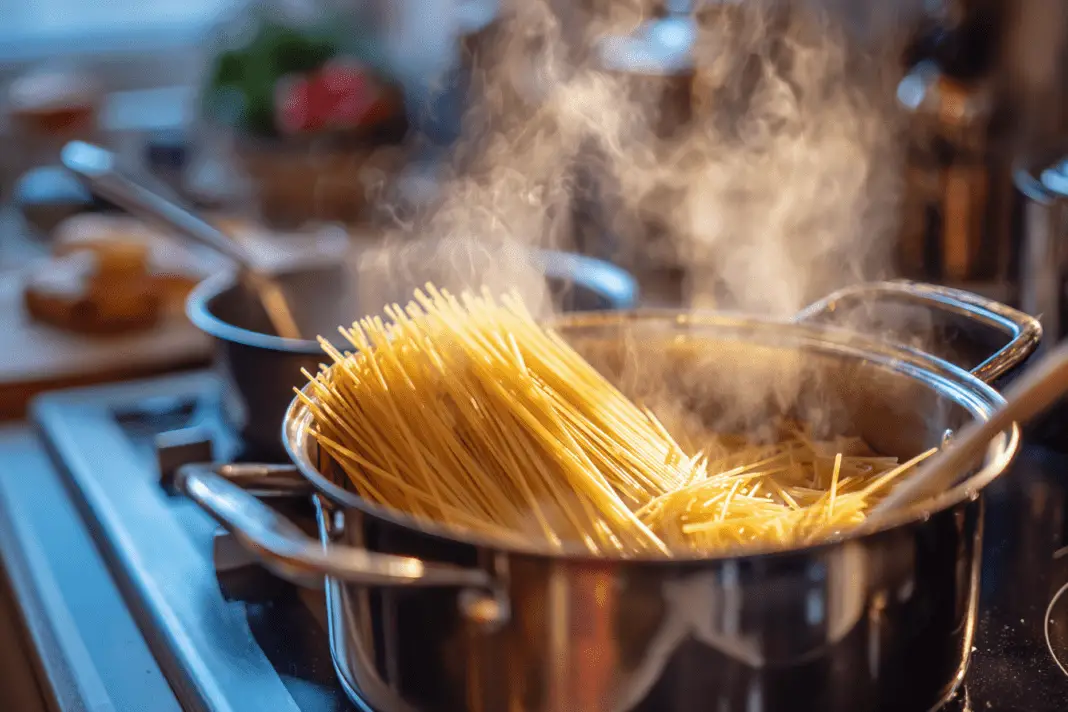
Cooking pasta seems like the simplest task in the kitchen, right? Boil water, throw in noodles, drain, and eat. But honestly, there’s so much more that can go wrong between those steps. And most people don’t even realize they’re making mistakes until their pasta turns out mushy, sticky, or just plain bland. Let’s fix that.
You’re adding pasta before the water really boils
This is probably the biggest mistake people make. I mean, waiting for water to boil feels like it takes forever, so it’s tempting to toss the pasta in when you see a few bubbles forming. But those aren’t enough. The water needs to be at a full, rolling boil before any pasta goes in. When you add pasta to water that’s just simmering, the temperature drops way too much. Your pasta won’t cook evenly. And the texture? Pretty much ruined from the start.
The rapid bubbles keep the pasta moving around so it doesn’t stick together or settle at the bottom. Plus, the high temperature helps set the starches properly. Every time I’ve tried to speed things up by adding pasta early, I’ve regretted it. Just wait for that full boil.
Not using enough water in the pot
You need way more water than you think. A small pot might seem fine, but it’s basically setting you up for disaster. When there isn’t enough water, adding the pasta causes the temperature to drop significantly. That means longer cooking time and uneven results. The pasta also releases starch as it cooks, and if there’s not enough water, you end up with a super high starch-to-water ratio. What does that mean? Sticky, clumpy pasta that’s stuck together in one big mass.
Stick to using a pot that holds between 6 and 8 quarts for a pound of pasta. Fill it about three-quarters of the way. And honestly, don’t try to save time or energy by using less water. It won’t work out.
You forget to salt the water properly
Undersalting pasta water is so common. But here’s the thing – pasta doesn’t absorb all the salt you put in the water. The salt is there to season the pasta as it cooks and to help with the texture. When you cook pasta in unseasoned water, it tastes bland no matter how much sauce you add later. The salt needs to get into the pasta itself, not just sit on top of it.
After trying these different amounts over time, I’ve found that about 1 to 2 tablespoons of salt for 5 to 6 quarts of water works best. Some cooking experts suggest even more. And yes, that might sound like a lot, but remember most of it goes down the drain with the water. On the flip side, don’t go overboard either. Too much salt and your pasta becomes inedible. There’s a balance here.
Skipping the stirring step entirely
So many people just drop the pasta in and walk away. Big mistake. If you don’t stir the pasta, especially right after adding it to the water, it’ll stick together. This is particularly true for long pasta like spaghetti or fettuccine. The noodles need to be separated and kept moving a bit during cooking.
You don’t need to stand there stirring constantly, but give it a good stir right when it goes in the pot. Then stir it occasionally throughout the cooking process. Some people think adding oil to the water prevents sticking, but it doesn’t really help. The oil just floats on top and doesn’t do much. Stirring is what actually works.
Overcooking or undercooking the noodles
Getting the timing right is kind of tricky. Too long and you’ve got mushy pasta. Not long enough and there’s a hard, chalky center. The box directions give you a starting point, but they’re not always perfect. You should start tasting the pasta about two minutes before the suggested time. That way you can catch it at the right moment.
What you’re looking for is al dente – pasta that has a slight bite to it but isn’t hard or chewy. It should be tender but still have some resistance when you bite into it. Not crunchy. Not mushy. Somewhere in between. And if you’re going to finish cooking the pasta in the sauce (which you should), drain it even a minute or two early. It’ll finish cooking in the pan.
Draining all the pasta water completely
Here’s something most home cooks get wrong. They drain the pasta until it’s bone dry, then wonder why the sauce doesn’t stick properly. But that starchy pasta water is liquid gold. Seriously. It contains all the starch that the pasta released while cooking, and that starch helps bind the sauce to the noodles. It creates this creamy texture that you can’t get any other way.
Before you drain the pasta, scoop out at least a cup of the cooking water and set it aside. After draining, the pasta should still be slightly wet. Then when you mix it with sauce, add some of that reserved water bit by bit. You’ll see the sauce transform into something smoother and more cohesive. I mean, professional chefs do this every single time. There’s a reason for that.
Not finishing pasta in the sauce
Most people drain the pasta completely, put it on a plate, then dump sauce on top. That’s not how it should work. The pasta and sauce need to cook together for the last minute or two. This allows the pasta to absorb some of the sauce’s flavors while the sauce clings to every piece of pasta. When you just pour sauce over drained pasta, it slides off and pools at the bottom of the bowl.
Drain your pasta when it’s almost done – like 70% cooked – and add it directly to the pan with your heated sauce. Toss them together over medium heat for another minute or two. Add some of that pasta water if needed to loosen things up. This technique makes such a huge difference in the final dish. And honestly, once you start doing it this way, you won’t go back.
Rinsing the pasta after cooking
Some people rinse their pasta under cold water after draining it. Why does this keep happening? If you’re making a cold pasta salad, sure, you need to cool it down quickly. But for hot pasta dishes, rinsing is totally wrong. When you rinse pasta, you wash away all that surface starch that helps sauce adhere to the noodles. Your pasta ends up slippery and the sauce just won’t stick.
If you need to cool pasta for a salad, there’s a better method anyway. Drain it and spread it out on a sheet tray with a little bit of oil to prevent sticking. Let it cool at room temperature for about 30 minutes, then finish cooling it in the refrigerator. This way you keep some of that starch. The last time I made pasta salad, I tried this method and it actually held the dressing better.
Ignoring portion sizes and measurements
This one’s less about technique and more about common sense. But people constantly misjudge how much pasta they need. A standard serving is about 2 ounces of dry pasta per person, which equals roughly one cup cooked. That’s way less than most people eat. I’ve noticed that when restaurants serve pasta, the portions are often triple that size.
If you’re cooking for multiple people, measure it out. Don’t just eyeball it and dump half a box into the pot. You’ll end up with way too much food or not enough. Plus, getting the pasta-to-water ratio right depends on knowing how much pasta you’re actually cooking. At least weigh it or use a measuring cup. Though honestly, after you do it a few times, you start to get a feel for the right amount.
Cooking pasta isn’t rocket science, but these small mistakes add up. The difference between mediocre pasta and really good pasta often comes down to just a few techniques. Salt your water properly, use enough of it, don’t rinse the pasta, and save some of that starchy water. Simple changes that make everything better.
