

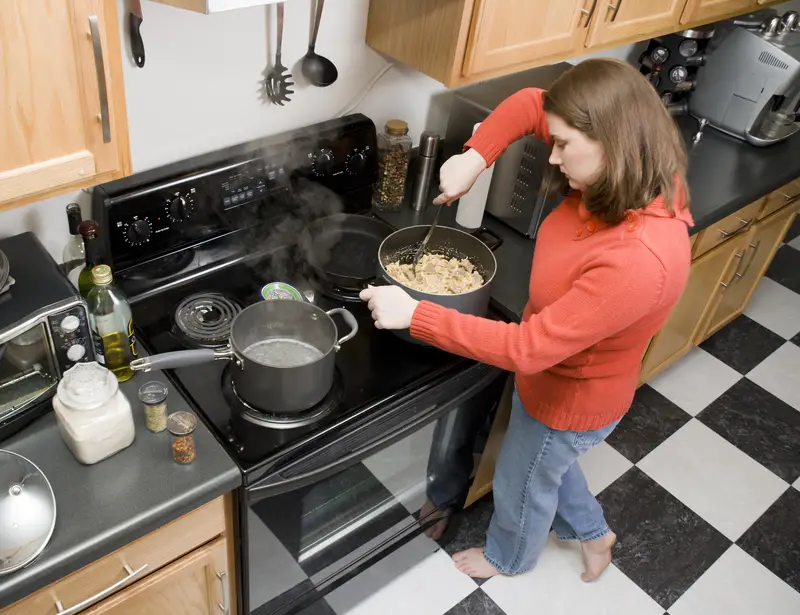
Cooking pasta seems pretty straightforward, right? Boil water, toss in the noodles, drain, and eat. But honestly, there’s so much more to it than that. Most people make at least a few mistakes that mess up their pasta without even realizing it. And the texture suffers because of it. After trying countless pasta dishes and making these mistakes myself, I’ve learned what actually matters when you’re boiling pasta. These aren’t just tiny details either—they can totally change how your pasta turns out.
You’re adding pasta before the water boils
This is basically the biggest mistake you can make. Pasta needs to go into water that’s at a rolling boil, not just simmering with a few bubbles. I mean, those couple of bubbles don’t count as boiling. When you add pasta to cold or lukewarm water, it sits there absorbing water unevenly. The outside gets mushy while the inside stays hard. And the cooking time becomes super unpredictable because you can’t follow the package directions anymore.
The boiling temperature actually sets the starches in the pasta correctly. Without that initial blast of heat, the texture never gets right. If you’re in a rush, just put a lid on the pot to make it boil faster. But don’t add the pasta early. Not even close to worth it.
You’re using way too little water
Pasta needs space to move around while it cooks. When you use a small pot with barely enough water, the pasta clumps together and sticks. The general rule is one liter of water for every 100 grams of pasta. That might seem like a lot, but there’s a reason for it. When you add pasta to boiling water, it drops the temperature. If there isn’t enough water, the temperature drops too much and stays low. Then your pasta takes forever to cook and the texture gets weird.
And if we’re talking about long pasta like spaghetti, you need a tall pot too. Otherwise half the pasta is sticking out of the water at first. I’ve noticed this happens in pretty much every small pot I’ve tried. The pasta cooks unevenly and you end up with some pieces that are done and others that aren’t. It’s basically impossible to get consistent results without enough water.
Your salt amount is completely off
Salt isn’t optional when you’re boiling pasta. It’s essential for flavor. But most people either add way too much or barely any at all. The ideal amount is around 10 grams of salt per liter of water. That’s more than you’d think, honestly. The salt needs to dissolve in the boiling water so it can penetrate the pasta while it cooks. If you salt after draining, it just sits on the surface and tastes wrong.
But you can overdo it too. If your sauce is already pretty salty—like if you’re making something with anchovies or capers—you might want to use a bit less salt in the water. Does anyone actually measure their pasta water salt? Probably not, but you should at least be consistent about it. The salt also affects the texture of the pasta by stabilizing the starches. So it’s not just about flavor.
You forget to stir the pasta
Once the pasta goes in, you can’t just walk away. And this is something I’ve messed up more times than I’d like to admit. The pasta needs to be stirred, especially in the first couple minutes. If you don’t stir it, the pieces stick together and form clumps. This happens with basically every type of pasta, but it’s worse with long, thin shapes like angel hair. After trying both ways, stirring makes such a difference it’s not even close.
Some people think adding oil to the water prevents sticking. It doesn’t really work. The oil just floats on top and doesn’t do anything useful. You’re better off just stirring the pasta more frequently. If you do end up with sticky, clumped pasta, you can sometimes fix it by reheating it in fresh boiling water for a minute. At least that’s what I’ve found works when I forget to stir.
You’re overcooking or undercooking it
Getting the texture right is harder than it sounds. Pasta should be al dente, which means it still has a slight bite to it. It shouldn’t be mushy or have a hard, dry center. But how do you know when it’s done? The package directions are a starting point, but you really need to taste it. Start checking about a minute before the suggested time. The last time I followed the package time exactly, the pasta was actually overdone for my taste.
If you’re going to toss the pasta in a pan with sauce afterward, drain it even earlier—like two minutes before it’s fully cooked. It’ll finish cooking in the sauce and won’t get overcooked. And remember that altitude affects cooking time too. In mountain towns, you might need more time because water boils at a lower temperature. Why does this matter so much? Because overcooked pasta is basically ruined and there’s no fixing it once it’s mushy.
You drain it completely dry
When it’s time to drain the pasta, most people shake the colander until every drop of water is gone. That’s a mistake. The pasta should stay slightly moist when you drain it. If it’s bone dry, it’ll be hard to mix with sauce and might even stick together while you’re getting everything ready. A little moisture helps the sauce coat the pasta better.
And here’s a pro tip: save some of that pasta water before you drain it. Maybe a cup or so. The cooking water contains starch from the pasta, and that starch is super useful for making sauces creamier and helping them stick to the pasta. If your sauce is too thick, add a splash of pasta water. It works way better than adding regular water from the tap, which just dilutes everything.
You’re not finishing the pasta in the sauce
This is something I learned kind of late, but it makes such a huge difference. Instead of cooking the pasta completely in water and then just mixing it with sauce on the plate, drain it a couple minutes early. Then add the pasta directly to the pan with your heated sauce. Let it finish cooking in the sauce for the last couple of minutes. This way the pasta absorbs the flavors of the sauce instead of just being coated by it. The pasta and sauce become one thing instead of two separate components.
Some chefs say to cook fresh pasta 70 percent in water and 30 percent in sauce. That ratio makes sense when you think about it. The pasta picks up so much more flavor this way. And if the sauce gets too thick while the pasta finishes cooking, just add some of that reserved pasta water I mentioned earlier. The starch in the water helps bind everything together into a creamy coating.
You cool pasta wrong for pasta salad
If you’re making cold pasta salad or cooking pasta ahead of time, there’s a right way and wrong way to cool it. A lot of people run the hot pasta under cold water or dump it in an ice bath. This stops the cooking fast, which seems good. But it also rinses off all the surface starch that helps sauce stick to the pasta. The pasta ends up kind of slippery and sauces slide right off.
A better method is to drain the pasta and spread it on a sheet tray. Toss it with a tiny bit of oil to prevent sticking, then let it cool at room temperature for about 30 minutes. After that you can put it in the fridge to finish cooling. This keeps the starch on the pasta so it holds onto dressing better. If you’re saving it for more than a few hours, wrap it up so it doesn’t dry out. Though honestly, pasta is always best when it’s fresh.
Your portions are way too big
Pasta gets blamed for being unhealthy, but really it’s just about portion size. A proper serving of pasta is about two ounces dried or one cup cooked. That’s roughly 75 to 100 calories, which is totally reasonable. But most people eat at least double that, sometimes triple. And then they add a bunch of high-fat meat, cheese, and bread on the side. Suddenly it’s a 1500-calorie meal instead of a balanced dinner.
If you keep portions reasonable and balance the pasta with vegetables and lean protein, it’s actually pretty healthy. The problem isn’t the pasta itself. It’s piling on too much of everything else. Anyway, measuring your pasta before cooking helps you keep portions in check. Two ounces of dried pasta might not look like much, but it expands a lot when it cooks. You can check out more detailed cooking tips at Pasta Class Florence if you want to get even better at this.
Getting pasta right isn’t complicated once you know what to avoid. Most of these mistakes are easy to fix, and they make a massive difference in how your pasta turns out. The texture improves, the flavor gets better, and honestly your whole meal is just more enjoyable. Next time you boil pasta, keep these tips in mind and you’ll see what I mean.
