

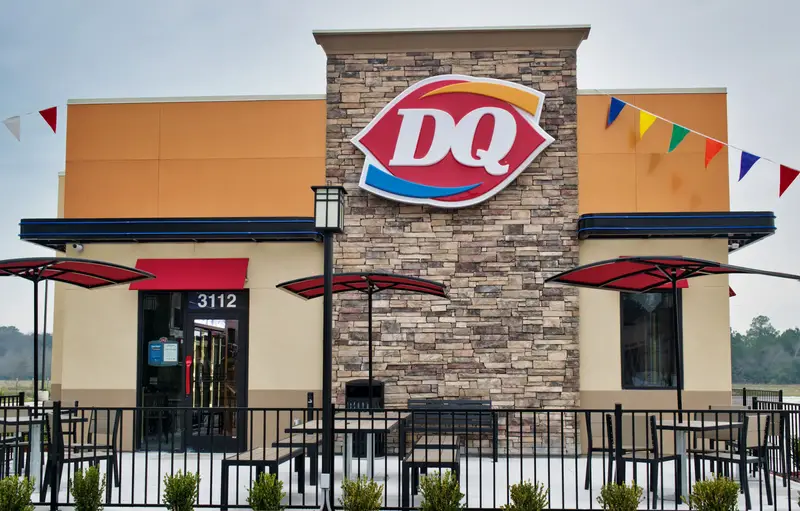
That swirl of creamy goodness from Dairy Queen that you’ve been calling ice cream your whole life? Turns out, it’s not actually ice cream at all. According to government rules, what comes out of those soft serve machines doesn’t qualify for the ice cream label. Before you feel completely lied to, don’t worry – it’s still the same sweet frozen treat you love. The difference comes down to some specific requirements that separate real ice cream from its softer cousin, and once you know what they are, you’ll start noticing this distinction everywhere you go.
The butterfat rule changes everything
The Food and Drug Administration has pretty strict rules about what companies can call ice cream. To earn that official label, a frozen dessert needs to contain at least 10% butterfat, which is the natural fat that comes from milk. This high fat content is what gives real ice cream that rich, creamy texture and helps it hold its shape when you scoop it into a bowl or cone. The butterfat also contributes to that satisfying mouthfeel and helps deliver the sweet taste that makes ice cream so addictive.
Dairy Queen’s soft serve only contains about 5% butterfat, which puts it below the legal threshold. This lower fat content isn’t because DQ is trying to cut corners or save money – it’s actually necessary for how soft serve works. When you make something with less fat, it comes out lighter and airier. That’s exactly what makes soft serve different from the regular ice cream you buy in pints at the grocery store. The reduced butterfat means the mixture won’t clog up the machines that whip it into that signature swirl.
Soft serve machines work differently than you think
When you watch that perfect curl of soft serve coming out at Dairy Queen, there’s actually a lot of science happening inside that machine. The liquid mixture gets pumped through a series of tiny holes in a tube, and as it squeezes through these miniature openings, air gets whipped into the mixture. This process happens continuously, which is why soft serve always comes out fresh and why it has that lighter, fluffier consistency compared to regular ice cream that’s been sitting in a freezer.
The machine dispenses the treat at about 18 degrees Fahrenheit, which is actually warmer than the frozen solid ice cream you keep at home. This warmer temperature is another reason why soft serve feels so smooth and creamy on your tongue. If you tried to make soft serve with the same high butterfat content as regular ice cream, those tiny holes in the machine would get clogged up with butter. The whole system would jam, and nobody would get their Blizzard. That’s why the recipe has to be adjusted specifically for this serving method.
Most fast food chains serve soft serve, not ice cream
Once you know about the butterfat rule, you’ll start noticing that Dairy Queen isn’t alone in this technical distinction. McDonald’s makes McFlurries, vanilla cones, and chocolate shakes all from soft serve that doesn’t meet the ice cream requirements. Burger King offers sundaes and shakes made with soft serve. Even Chick-fil-A had to get creative – they trademarked the name “Icedream” for their frozen dessert because they couldn’t call it ice cream. Look at any fast food menu and you’ll see clever wording that avoids the actual term.
Here’s an easy way to tell: if your frozen treat is being squirted out of a machine into a cone or cup, it’s soft serve. If someone is using a scoop to dig it out of a frozen container, that’s more likely to be actual ice cream. This isn’t about quality or taste – it’s purely about the technical requirements set by the government. The fast food chains all know their products don’t qualify as ice cream, so they’ve come up with other creative names and descriptions that get the point across without breaking any rules.
The ingredient list contains more than you’d expect
When you look at what actually goes into Dairy Queen’s soft serve, it’s more complicated than just milk and sugar. The ingredients include milkfat and nonfat milk, sugar, corn syrup, whey, mono and diglycerides, artificial flavoring, guar gum, polysorbate 80, carrageenan, and vitamin A palmitate. That’s quite a few items for something that just tastes like simple vanilla. Each of these ingredients serves a specific purpose, whether it’s adding sweetness, preventing the mixture from separating, or keeping it from turning into a block of ice in the machine.
Some of these ingredients might sound concerning if you’ve heard negative things about them online. Carrageenan, which comes from red seaweed and helps the soft serve thicken, got a bad reputation years ago when a study suggested it might cause stomach problems. However, it’s completely approved by the FDA and safe for most people to eat. The corn syrup adds sweetness and helps maintain the right texture while preventing ice crystals from forming. Polysorbate 80 works as an emulsifier and keeps the soft serve from melting too quickly when you’re eating it on a hot day.
Grocery store ice cream often isn’t real either
Walking through the frozen dessert aisle at your local supermarket, you might assume everything in those containers is ice cream. Look closer at the labels and you’ll discover that many popular products avoid using that term. Brands have gotten creative with names like “frozen dairy dessert,” “frozen treat,” or in the case of Nestlé Drumsticks, “Sundae Cone.” These products might look identical to ice cream and sit right next to actual ice cream, but they don’t meet the butterfat requirements either.
Some manufacturers use vegetable oils instead of butterfat to create that creamy texture. This substitution actually has a practical benefit – it helps the product resist melting at room temperature, which is why your Drumstick doesn’t immediately turn into a puddle on a warm day. Then there are all the dairy-free alternatives made from almond milk, oat milk, or coconut milk. These get marketed as “non-dairy frozen desserts” because obviously they can’t be called ice cream when they don’t contain any dairy at all. The labeling rules force companies to be creative with their wording.
Gelato faces the same labeling issue
Italian gelato is another frozen treat that gets caught in this butterfat debate. Traditional gelato contains less butterfat than American ice cream, which is actually what gives it that distinctive stretchy, smooth texture. Because it doesn’t meet the 10% butterfat threshold, gelato sold in the United States technically can’t be labeled as ice cream either. The lower fat content allows the other ingredients to shine through more clearly, which is why gelato often has more intense fruit or chocolate taste than regular ice cream.
Gelato also gets churned more slowly than ice cream, which incorporates less air into the mixture. This makes it denser and more concentrated than the fluffier American-style ice cream. The serving temperature is slightly warmer too, similar to soft serve, which makes it feel silkier on your tongue. Despite these technical differences, most people just think of gelato as fancy Italian ice cream. The distinction matters to the FDA and to manufacturers who have to label their products correctly, but for everyone else, it’s just another delicious frozen option on a hot day.
Dairy Queen never actually claims it’s ice cream
If you pay attention to Dairy Queen’s menu boards and advertising, you’ll notice they’re very careful with their language. They use terms like “Blizzard Treat,” “Vanilla Cone,” and “Hot Fudge Sundae,” but they don’t put the words “ice cream” anywhere in those descriptions. The company knows exactly what the legal requirements are, and they make sure not to cross that line. Their website openly discloses that the soft serve contains only 5% butterfat, so they’re not trying to hide anything from customers.
This careful wording extends to how employees talk about the products too. If you ask for an ice cream cone at DQ, they’ll hand you exactly what you want without correcting you, but their official training and marketing materials stick to approved terms. Most customers don’t know or care about this distinction. People walk in wanting something cold and sweet, and that’s what they get. The company has built an 85-year reputation on these frozen treats, and the fact that they’re technically not ice cream hasn’t hurt business one bit. Sometimes good branding and a quality product matter more than precise terminology.
The air content makes soft serve feel different
Beyond the butterfat difference, soft serve contains significantly more air than regular ice cream. This is called overrun in the frozen dessert industry, and it refers to how much the volume increases when air gets whipped into the mixture. Regular ice cream typically has about 50% overrun, meaning the final product is 50% bigger than the liquid you started with. Soft serve can have even higher overrun, sometimes reaching 60% or more. That extra air is what makes it feel so light and fluffy.
This airier consistency is part of why people love soft serve so much. It melts faster in your mouth and feels less heavy than a dense scoop of premium ice cream. When you bite into a Blizzard and all those candy pieces are suspended in that creamy swirl, the lighter base lets you taste the mix-ins more clearly. The same principle applies to those dipped cones where the chocolate shell provides a contrast to the airy soft serve underneath. The texture difference is intentional and carefully controlled by the machines that produce it fresh throughout the day.
Nobody really cares about the technical definition
At the end of the day, this whole ice cream versus soft serve debate is mostly just an interesting piece of trivia. When you’re standing at a Dairy Queen counter on a summer afternoon deciding between a Blizzard or a dipped cone, the butterfat percentage isn’t affecting your choice. The treats taste great, they satisfy your craving for something cold and sweet, and they’ve been doing that successfully for decades. The legal definition matters for regulatory purposes and labeling requirements, but it doesn’t change the actual eating experience.
What makes Dairy Queen’s soft serve special isn’t whether it qualifies as official ice cream. It’s the consistency that stays perfectly smooth, the way it blends with candy and cookies in a Blizzard, and how that signature curl sits on top of a cone. People have strong emotional connections to these treats from childhood trips and summer traditions. Learning that it’s technically not ice cream might be surprising at first, but it doesn’t make anyone enjoy their next Blizzard any less. Sometimes the best foods are the ones that make their own category rather than fitting into existing definitions.
The next time you order from Dairy Queen or any other fast food chain, you’ll probably notice how carefully they word their menus. This little bit of knowledge doesn’t change how good soft serve tastes, but it might make you appreciate the science and regulations behind that simple frozen treat. Whether you call it ice cream, soft serve, or just dessert, what matters is that it hits the spot when you want something cold and sweet.
