

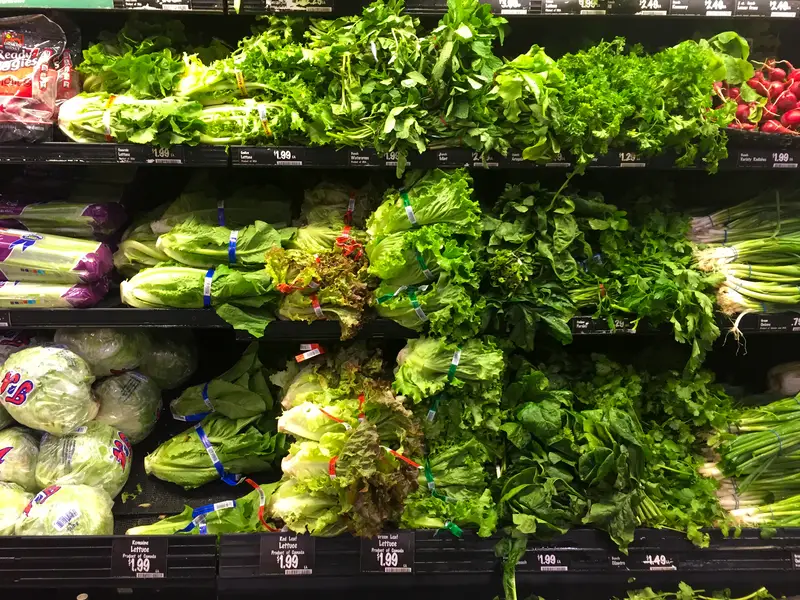
You’re standing in the produce section, reaching for a bag of romaine lettuce for tonight’s salad, when you suddenly remember seeing something on the news about E. coli contamination. Should you put it back? This isn’t just paranoia—romaine lettuce has been at the center of multiple E. coli outbreaks over the past few years, leaving people seriously ill and grocery stores scrambling to pull products from shelves. What makes this particular type of lettuce such a magnet for dangerous bacteria? The answer involves everything from how it’s grown to the way we eat it, and understanding these factors might change how you think about your next salad.
Romaine grows close to contamination sources
Romaine lettuce spends its entire life soaking up water from the soil, and that’s where the problems begin. Unlike vegetables that grow on vines or bushes, romaine sits right at ground level, with its leaves spread out like a collection net for anything that happens to blow or wash by. The lettuce needs constant irrigation during its growing period, and farms use massive amounts of water to keep those fields green and productive. When that water comes from sources near animal production facilities or grazing lands, it can carry E. coli bacteria from cattle, pigs, or other livestock straight onto the plants you’ll eventually eat.
The bacteria doesn’t just sit on the surface either. As the water gets absorbed by the growing lettuce, E. coli can actually become part of the plant itself, settling into tiny crevices and even getting inside the leaves. Birds flying overhead or wild animals wandering through the fields add to the contamination risk. California’s Central Coast, where much of America’s romaine comes from, has experienced multiple outbreaks because of these conditions. The 40 to 80 days it takes for romaine to reach maturity gives plenty of time for contamination to occur, and by the time anyone realizes there’s a problem, that lettuce has already been harvested, packaged, and shipped across the country.
Nobody cooks their lettuce before eating
Here’s a simple fact that explains a lot: cooking kills E. coli bacteria almost instantly, but who’s ever heard of cooked romaine lettuce? Other vegetables might pick up bacteria during growing too, but we typically cook carrots, broccoli, and green beans before eating them. That heat destroys any harmful bacteria that might be lurking on the surface or inside. Lettuce gets no such treatment. We pull it straight from the bag or the crisper drawer, maybe give it a quick rinse, and pile it onto our plates completely raw. This gives any E. coli bacteria present a free ride right into our digestive systems.
The consequences can be severe. Recent outbreaks have sent dozens of people to hospitals, with some developing hemolytic uremic syndrome, a dangerous type of kidney failure that can be life-threatening. One woman named Lauren Bush ended up hospitalized multiple times after eating contaminated spinach in 2006, suffering from bloody diarrhea and extreme abdominal pain. Years later, she still experiences similar symptoms occasionally because the initial infection threw her body so far out of balance. All from eating something that was supposed to be healthy and fresh. The raw nature of salads and sandwiches makes them particularly risky when contamination occurs.
Washing doesn’t remove the bacteria effectively
Most of us have a routine when we bring vegetables home: rinse them under cold water, maybe give them a little shake, and call it clean. Unfortunately, this does almost nothing to remove E. coli from romaine lettuce. The bacteria can stick to the surface of the leaves, hide in the ruffled edges where romaine naturally crinkles, and even live inside the plant tissue where no amount of rinsing can reach. Studies have shown that ingesting even a single E. coli bacterial cell can be enough to cause illness in some people, so you don’t need massive contamination for someone to get sick.
That pre-washed, bagged romaine from the grocery store isn’t any safer, despite what the packaging might suggest. Those bags often say the lettuce has been washed two or three times, but that washing process uses chlorinated water mainly to remove dirt and extend shelf life. It doesn’t eliminate E. coli effectively, and some research suggests it might actually spread contamination around rather than removing it. The washing facilities themselves can harbor bacteria on equipment and conveyor belts, potentially contaminating clean lettuce that passes through. When processing plants cut the lettuce into smaller pieces, the damaged leaves release sugars that bacteria love to feed on, potentially allowing E. coli to multiply even faster in those convenient bags.
Romaine seems to attract E. coli more than other lettuces
Not all lettuce varieties face the same contamination issues. Iceberg lettuce, butter lettuce, and red leaf varieties rarely make headlines for E. coli outbreaks, but romaine keeps appearing in warning after warning from health officials. Scientists have started investigating whether something specific about romaine makes it more vulnerable to this particular strain of bacteria. Research at the University of Guelph in Canada has found evidence suggesting that E. coli O157:H7—the dangerous strain responsible for most serious illnesses—actually prefers romaine lettuce to other types.
The bacteria seems especially attracted to romaine when it’s coming out of its dormant state and looking for a place to grow and multiply. Scientists use the term “pathogen-vegetable interaction” to describe this relationship, suggesting that certain bacteria have adapted specifically to living on particular plants. Romaine’s structure, with its long, ruffled leaves and high water content, might provide ideal conditions for E. coli to thrive. The bacteria can settle into the many folds and crevices of romaine leaves more easily than on the smoother surfaces of iceberg or Boston lettuce. This could explain why multiple outbreaks keep happening with romaine specifically, even when other lettuces grown in the same regions remain safe to eat.
Tracing contamination sources takes too long
When people start getting sick from E. coli, health officials face a race against time to figure out where the contamination came from. The problem is that by the time anyone reports symptoms, visits a doctor, gets tested, and has that information forwarded to public health authorities, weeks have already passed. E. coli symptoms typically appear two to eight days after eating contaminated food, with three to four days being most common. Then it takes time for doctors to confirm the diagnosis, for patients to remember what they ate, and for investigators to start tracking down the source.
Romaine lettuce has a shelf life of only about five weeks from harvest to the point where it’s too wilted to sell. By the time health investigators identify romaine as the likely culprit and start looking into which farms, distributors, or processing facilities might be responsible, the contaminated lettuce has usually already been eaten or thrown away. One outbreak affected 32 people across 11 states, with 13 requiring hospitalization, but investigators couldn’t pinpoint a specific grower, supplier, distributor, or brand. This lack of specific information means health officials often have to issue blanket warnings telling everyone to avoid all romaine, which frustrates both consumers and the many farms whose products are perfectly safe.
Fall harvest season brings higher risk
If you’ve noticed that E. coli warnings about romaine seem to pop up around the same time each year, you’re not imagining things. The fall lettuce harvest in California’s coastal growing regions has become associated with a higher likelihood of contamination. This seasonal pattern relates to several factors, including weather conditions, water availability, and animal activity in and around growing areas. Cooler temperatures can allow bacteria to survive longer on plants and in soil, while seasonal rains might wash contaminated runoff from nearby animal operations onto lettuce fields.
The timing creates particular problems because fall is when many people start making heartier salads and holiday meals that feature Caesar salads and other romaine-based dishes. Restaurants stock up on romaine for their busy seasons, and grocery stores promote salad ingredients as people plan Thanksgiving dinners. When an outbreak hits during this period, the contaminated lettuce has already been distributed widely across the country. Health officials then face the challenge of getting warnings out to millions of consumers and thousands of restaurants simultaneously. Some outbreaks have affected people in both the United States and Canada, showing how far contaminated produce can travel before anyone realizes there’s a problem with it.
Pre-cut lettuce multiplies the contamination risk
Those convenient packages of pre-cut, pre-washed romaine save time in the kitchen, but they come with hidden risks. When processing facilities cut whole heads of romaine into smaller pieces, each cut creates a new opportunity for bacteria to enter the plant tissue. The cutting process also releases natural sugars and moisture from inside the leaves, creating an environment where bacteria can grow faster than on intact leaves. Even if the lettuce started out with only minimal contamination, the cutting and packaging process can allow that small amount of bacteria to multiply significantly during shipping and storage.
The equipment used to wash, cut, and package romaine processes thousands of pounds of lettuce each day. If one contaminated head passes through those machines, it can leave bacteria behind that then transfers to subsequent batches of otherwise clean lettuce. Conveyor belts, cutting blades, and packaging equipment all provide surfaces where E. coli can lurk and spread. Workers’ hands, despite gloves and sanitation protocols, can also spread contamination. This is why outbreaks linked to bagged lettuce often affect people across wide geographic areas—a single processing facility ships products to grocery stores in multiple states, spreading contamination far from the original source. Whole heads of romaine from your local farmers market might actually be safer than pre-cut varieties, assuming the farm itself practices good safety measures.
Restaurants can’t always tell if their romaine is safe
When health officials issue warnings about romaine lettuce, restaurants face an impossible situation. A typical restaurant might receive lettuce shipments from multiple suppliers throughout the week, with no easy way to trace which farm originally grew each head. The lettuce arrives in boxes labeled with distributor information, but that distributor might source from dozens of different farms depending on availability and price. A single Caesar salad at a chain restaurant could contain romaine from three different farms, all mixed together in the kitchen.
One recent outbreak was linked to romaine used at Wendy’s restaurants, but even with that information, investigators had trouble identifying the exact source of contamination. Restaurants have to make quick decisions when warnings go out: dump all their romaine immediately and disappoint customers who want salads, or keep serving it and risk making people sick. Most choose to throw it away, even though the vast majority of romaine is perfectly safe. The financial loss is significant, but the potential liability from serving contaminated lettuce is far worse. This is why you might notice Caesar salads suddenly disappearing from menus or being made with different types of lettuce when outbreak warnings circulate.
E. coli infections can cause lasting health problems
Most people think of E. coli as causing a few days of unpleasant bathroom experiences, but the reality can be far more serious. The strain found in romaine lettuce, E. coli O157:H7, produces toxins that can severely damage your intestines and kidneys. About 5 to 10 percent of people infected develop hemolytic uremic syndrome, where the toxins destroy red blood cells and cause kidney failure. This complication is most dangerous for young children, elderly people, and anyone with a weakened immune system, but it can affect anyone.
Even people who recover from the initial infection may face long-term consequences. Research has found that people who survive serious E. coli infections have a higher risk of developing high blood pressure and kidney problems years later. Some people experience recurring digestive issues long after the bacteria are gone from their system. Doctors specifically warn against taking antibiotics for E. coli O157 infections because studies suggest antibiotics might actually increase the risk of developing kidney failure. The toxins released when antibiotics kill the bacteria can make the situation worse rather than better. Treatment mainly involves staying hydrated and monitoring for complications. Health officials emphasize seeking medical care quickly if you develop symptoms after eating romaine during an outbreak period, as early supportive care can prevent some of the worst complications.
Understanding why romaine keeps showing up in E. coli outbreaks doesn’t mean you need to give up salads forever, but it should change how you think about food safety. When health officials issue warnings about romaine, take them seriously and throw out any you have at home, even if some of your family already ate some without getting sick. Clean your refrigerator drawers thoroughly where the lettuce was stored. During outbreak periods, choose other types of lettuce or cooked vegetables instead. The reality is that our food system makes it difficult to completely prevent contamination of raw vegetables grown in open fields near animal operations, and romaine’s particular characteristics make it especially vulnerable to E. coli. Being aware of these risks and responding appropriately to warnings can help keep you and your family safe.
